REVIEW · MAUI
Kayak, Whale Watch and Snorkel
Book on Viator →Operated by Maui Adventure Tours M.A.T., L.L.C. · Bookable on Viator
Morning on Maui with whales and fish is a good plan. This Kayak-Snorkel-Whale Watch trip from Olowalu Beach blends guided kayaking, snorkeling, and a chance to spot humpbacks in a real marine sanctuary, not a distant viewing spot. I like that it’s mission-driven too, with the operator supporting groups such as R.E.E.F, F.I.N., Pacific Whale Foundation, Project Aware, Surf Rider, Earth Island Institute, and Sea Shepherd.
Two things I’d highlight: you get a kayak outing from the Hawaiian Islands Humpback Whale National Marine Sanctuary area right off Olowalu, and the snorkeling portion is built around that same reef ecosystem where you may see sea turtles and lots of fish up close. The guides are Certified Hawaii Marine Naturalists and hold American Red Cross CPR/First-Aid/Lifeguard certification, which makes the whole experience feel grounded. The one potential drawback: since the tour depends on good weather, rougher sea days can mean a change of date (or a refund), so plan with some flexibility.
In This Review
- Key things to know before you go
- How this kayak-snorkel-whale morning really works
- Olowalu Beach kayak: West Maui views with reef-water at your level
- Snorkeling at Olowalu Reef: turtles and fish you can actually track
- The humpback whale sanctuary portion: timing matters in this Maui spot
- Guides, safety, and the small-group advantage
- What you’re really paying for at $125
- Who should book this kayak-snorkel-whale tour
- Conservation education isn’t just marketing here
- Should you book Maui Adventure Tours Kayak-Snorkel-Whale Watch?
- FAQ
- Where is the tour located?
- How much does the tour cost?
- How long is the experience?
- What time does the tour start?
- Is this a small-group tour?
- Do I get a ticket on my phone?
- When is the best time for humpback whales in this area?
- What marine life can you expect to see?
- What happens if the weather is poor?
- Can I cancel for free?
Key things to know before you go
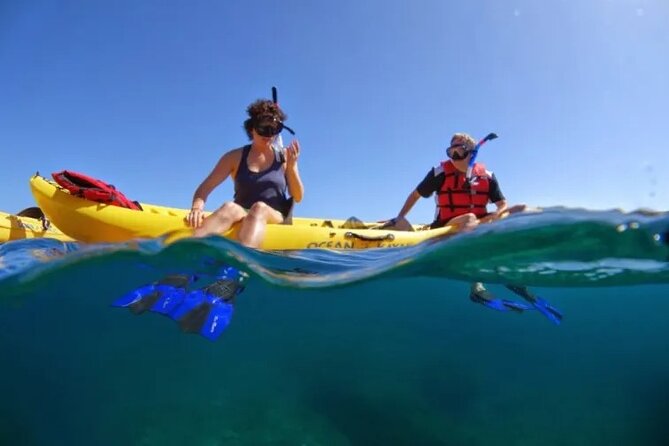
- Small group size (max 10 travelers) means you’re not just a face in a crowd.
- Olowalu Reef snorkeling happens in a marine sanctuary area known for sea turtles and colorful reef life.
- Winter humpback window matters: December through May is peak for North Pacific humpbacks in the area.
- Safety-first guidance comes from Certified Hawaii Marine Naturalists plus American Red Cross CPR/First-Aid/Lifeguard training.
- Marine conservation focus is part of the tour culture, supported through multiple well-known ocean organizations.
- Morning start at 8:00 am gives you the best shot at calm water and clear viewing conditions.
How this kayak-snorkel-whale morning really works
This is a 3.5-hour experience built around moving with the ocean rather than staring at it from shore. You’ll meet at 814 HI-30, Lahaina, and the tour runs from 8:00 am to about mid-morning, finishing back where you started. Since the group caps at 10, the pace tends to feel hands-on, not rushed.
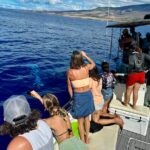
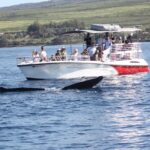
Expect a full “water day” flow: you’ll kayak first, then switch to snorkeling in the reef area, and finally you’ll spend time looking for humpback whales in the sanctuary waters. If you’re hoping for whales every single time, the honest answer is that ocean wildlife follows nature’s schedule—but the tour is set up in a place where whales are known to show up seasonally.
You can also read our reviews of more tours and experiences in Maui.
Olowalu Beach kayak: West Maui views with reef-water at your level
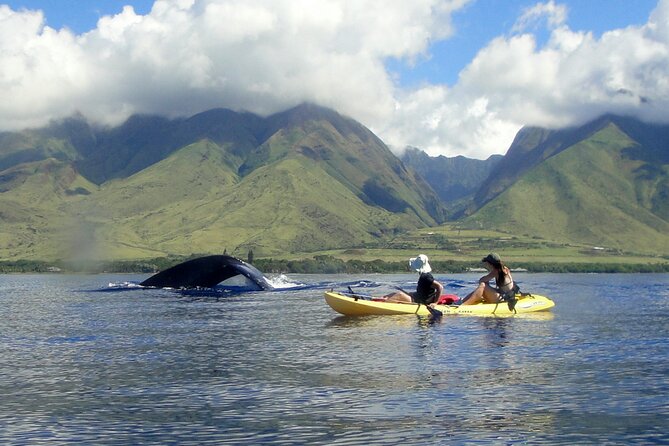
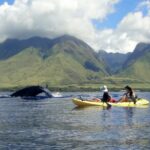
The kayak portion starts from Maui’s Olowalu Beach, with the West Maui Mountains in view and crystal-clear water nearby. This is the kind of setting that changes your sense of scale: you’re not just on a shoreline trip, you’re on the reef edge where marine life actually lives their day.
Olowalu is described as part of the Hawaiian Islands National Humpback Whale Marine Sanctuary, and that matters. It means the same waters you’re kayaking through are tied to whale habitat and broader reef ecology. The tour also calls out that Olowalu is home to thousands of colorful tropical fish, and hundreds of giant green sea turtles in the area. Even if you don’t spot every species on your run, you’re at the right starting point for trying.
A first-timer note: kayaking in Hawaiian waters can feel different than calm lakes, but this trip leans on guides with real experience and marine education credentials. That combination usually helps people relax faster.
Snorkeling at Olowalu Reef: turtles and fish you can actually track
Snorkeling is often the “maybe you’ll see something” part of reef tours. Here, the setup is more specific: the snorkeling happens at Olowalu Reef, a place the operator describes as a hub for fish and sea turtles.
This is the portion many people remember most. In the best review included, I see a clear pattern: snorkeling was life changing, with sea turtles swimming by, a baby shark, and schools of fish seen during the session. That’s exactly what you want from snorkeling—animals that feel close enough to notice behavior, not just distant silhouettes.
To set expectations: visibility, water conditions, and animal movement can affect what you see. But snorkeling over a reef known for turtles and dense fish increases your odds. And because you’re coming from a kayak background first, you already have the lay of the water when you drop in.
The humpback whale sanctuary portion: timing matters in this Maui spot
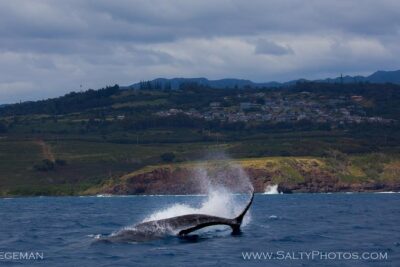
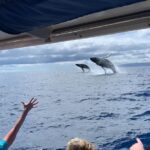
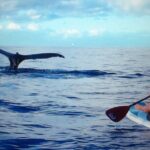
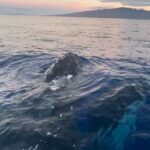
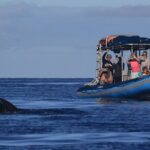
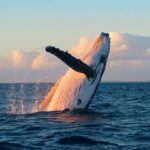
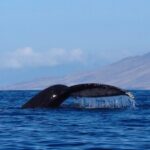
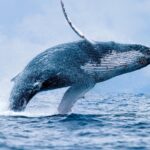
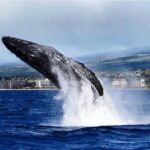
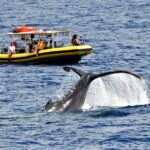
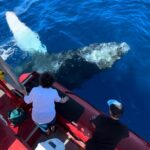
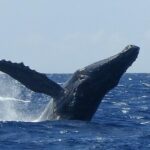
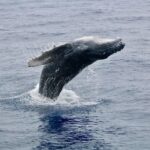
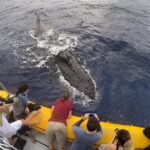
The whale watch portion is tied to the Hawaiian Islands Humpback Whale Marine Sanctuary, with Olowalu positioned in what’s described as the winter birthing grounds for North Pacific humpbacks. The timing window is the big takeaway: between December and May, an estimated 15,000 humpback whales visit the area to birth and breed before heading back to summer feeding grounds in Alaska.
That’s why this tour is such a strong fit in winter and early spring. If you’re traveling outside that window, you can still be in the right region, but your “likelihood” of seeing whales will generally be lower than it is during the peak months described here.
Also, keep your mindset simple: think of whale watching as pattern-finding. Watch for movement, listen for guide cues, and stay patient. When a whale surfaces, it can be quick, so being ready matters more than anything fancy.
Guides, safety, and the small-group advantage
This is where the trip feels like it has real backbone. The guides are Certified Hawaii Marine Naturalists, and they’re also trained with American Red Cross CPR/First-Aid/Lifeguard certification. That doesn’t just sound good on paper. It typically means you’ll get clearer instruction, better pacing, and less uncertainty when conditions shift.
The small group size (max 10 travelers) helps a lot here. You spend less time waiting, and more time actually doing the activity—kayaking, then snorkeling, then scanning for whales. In the review set you provided, I saw names show up in a big way: Wes and Roger Red stood out for above-and-beyond customer service. That matters to me because these are water-based activities where communication quality can make the difference between stress and fun.
What you’re really paying for at $125
At $125 for about 3.5 hours, this isn’t a bargain like a quick shoreline walk, and it also isn’t priced like a big commercial cattle call. The value comes from stacking three elements into one half-morning: kayaking, snorkeling, and whale watch time—all with marine-naturalist guides.
You’re also paying for a specific location advantage. Olowalu is described as a sanctuary area with strong reef life and seasonal whale presence. Access to that kind of water-time is part of what you’re buying.
Is it worth it if you only care about one part, like snorkeling? It can be, because the kayak portion still places you in a reef environment before you snorkel. But if you’re only chasing whales and you don’t want to get in the water, you might prefer a pure whale-focused boat option instead. For most people who want a morning that hits sea life from multiple angles, this price starts making sense.
Who should book this kayak-snorkel-whale tour
You’ll love this if you want an active nature experience with real instruction. It fits best for:
- People who enjoy being on the water (not just watching from land).
- Snorkelers who want turtles and reef fish as more than a hopeful guess.
- Winter travelers (December to May) who want the best shot at humpback whales in the area.
- Anyone who likes tours with an education and conservation angle, since the operator supports organizations such as R.E.E.F, Surf Rider, Sea Shepherd, and others.
You might think twice if you’re uncomfortable with getting wet, dealing with ocean conditions, or you have very rigid scheduling. The tour requires good weather, and it can be canceled due to poor conditions with a different date or a refund.
Conservation education isn’t just marketing here
The operator doesn’t treat conservation as an afterthought. They’re described as dedicated to marine conservation and education, and they actively support multiple ocean and reef organizations. For me, that’s meaningful because it often shows up in how guides explain the environment—why they teach you how to move, what to look for, and how not to disturb wildlife.
Even if you never memorize every acronym, you’ll feel the difference in how the experience is framed: this is not about check-the-box wildlife selfies. It’s about learning the reef and sanctuary system you’re participating in.
Should you book Maui Adventure Tours Kayak-Snorkel-Whale Watch?
If your ideal Maui morning includes kayaking + snorkeling and you’re traveling in the December to May window, I’d lean yes. This tour’s value comes from the combination of active time, a sanctuary location known for whales seasonally, and snorkeling in a reef area associated with turtles and dense fish life. Add a small group, marine naturalist guides, and CPR/First-Aid/Lifeguard certification, and it’s a pretty strong package for the price.
If you’re going in peak humpback season, you’re in the sweet spot. If you’re going outside that window, you still get a great reef-based water experience, but you should treat the whale part as luck plus timing, not a guarantee. If you can be flexible with weather, you’ll set yourself up for a smoother trip.
FAQ
Where is the tour located?
The tour takes place in Maui, USA, starting from Olowalu Beach. The meeting point address is 814 HI-30, Lahaina, HI 96761, USA.
How much does the tour cost?
The price is $125.
How long is the experience?
It runs for approximately 3 hours 30 minutes.
What time does the tour start?
The start time is 8:00 am.
Is this a small-group tour?
Yes. The maximum group size is 10 travelers.
Do I get a ticket on my phone?
Yes. The tour uses a mobile ticket.
When is the best time for humpback whales in this area?
The tour description notes humpbacks visit the area between December and May, and it estimates about 15,000 humpback whales during that period.
What marine life can you expect to see?
The tour describes Olowalu as a place with thousands of tropical fish and hundreds of giant green sea turtles, and it’s part of the winter birthing grounds for humpback whales. One review also mentions seeing turtles, a baby shark, and schools of fish during snorkeling.
What happens if the weather is poor?
The tour requires good weather. If it’s canceled due to poor weather, you’ll be offered a different date or a full refund.
Can I cancel for free?
Yes. You can cancel up to 24 hours in advance for a full refund. If you cancel less than 24 hours before the start time, the amount paid is not refunded.