REVIEW · MAUI
The Best 10 am 1.5 Hour Whale Watching Tour
Book on Viator →Operated by Blue Water Rafting · Bookable on Viator
Whale songs reach you on the surface. This 10:00 am Kihei whale watch is built around a hydrophone so you can hear humpback calls while the crew keeps the search moving for fast sightings, and it runs in a tight small group of up to 22. One catch: the trip is weather dependent and the fare is non-refundable if you simply change your mind.
Expect a calm ride off Maui’s south shore with a guaranteed 1 1/2 hours on the water, plus easy parking at Kihei Boat Ramp near Wailea and Kihei resorts. You’ll also get bottled water onboard and an English-speaking crew who explains what you’re seeing.
In This Review
- Key points worth knowing before you go
- Why a 10:00 am Kihei whale watch works so well on Maui’s south shore
- Getting to 2800 S Kihei Rd and getting on the water fast
- Small-group boat time: what “up to 22” changes for your whale watch
- Hydrophone whale songs: the sound system that turns sighting into an experience
- The real flow of the 1.5-hour ride (and why “stretching” can happen)
- What whales you’re most likely to see (and why morning matters)
- Price and value: is $97.30 worth it?
- Who this whale watch fits best (and who should skip it)
- What to do before you go (so you get the best viewing time)
- Should you book the Blue Water Rafting 10:00 am whale watch from Kihei?
- FAQ
- Where does the tour start?
- What time does the 10:00 am tour depart?
- How long is the whale watching experience?
- How much does it cost?
- What makes the whale watching different on this tour?
- Is there bottled water provided?
- What’s the maximum group size?
- What are the rules for children and pregnancy?
- What happens if the weather isn’t good?
Key points worth knowing before you go
- Hydrophone whale songs: you listen through a dedicated sound system, not just by sight.
- Kihei departure convenience: free parking near the boat ramp saves hassle.
- Small-group feel: the tour caps at 22 (and the overall max is listed at 24).
- Bottled water onboard: a small comfort that matters on the water.
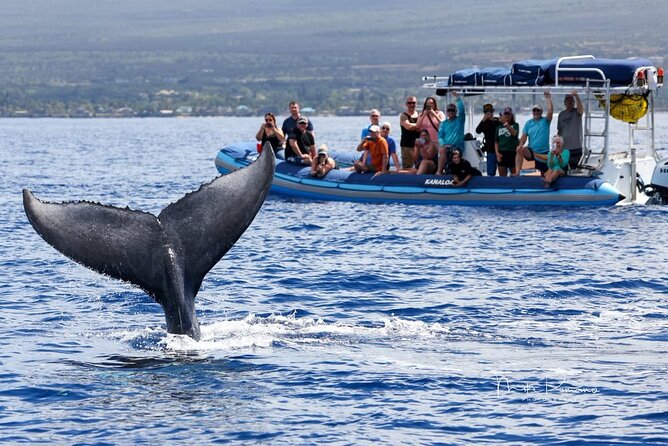
- Time built in for close encounters: if whales come in close (about 100 yards or less), the schedule can stretch for safety and federal rules.
- Crew focused on quick wildlife time: the operation is set up to get you out fast and then keep searching.
Why a 10:00 am Kihei whale watch works so well on Maui’s south shore
Morning departures have a real advantage here. Off Maui’s south side, conditions often feel calmer earlier in the day, which makes it easier to enjoy the ride and settle in for whale viewing.
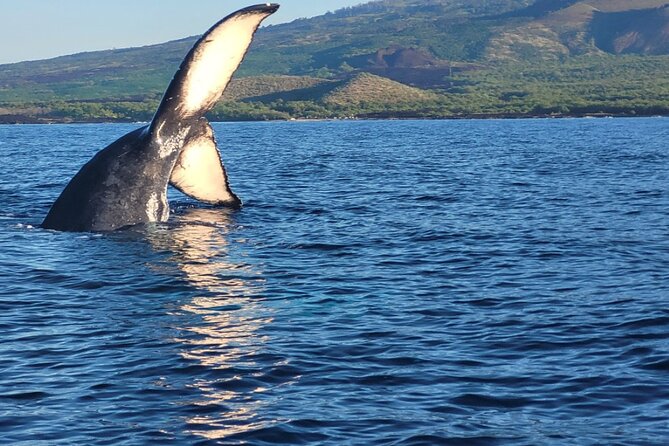
This is also a time when humpback activity can be especially noticeable. The tour is timed for good odds of seeing humpbacks in the area, sometimes even nursing their young during morning hours. That means you’re not just hunting for a brief spout-on-the-horizon moment—you’re in the water during a window when behavior can look more “in the wild.”
You can also read our reviews of more tours and experiences in Maui.

Getting to 2800 S Kihei Rd and getting on the water fast
The meeting point is 2800 S Kihei Rd, Kihei, HI 96753. The good news is that the boat ramp area is very close to where you’ll likely be staying—there’s ample free parking at Kihei Boat Ramp, less than ten minutes from many Kihei and Wailea resorts.
That matters because a whale watch is only 1 1/2 hours on the water. If you waste time on the front end, you feel it. With this Kihei start, you trade stress for a quick transition from cars to water.
Small-group boat time: what “up to 22” changes for your whale watch
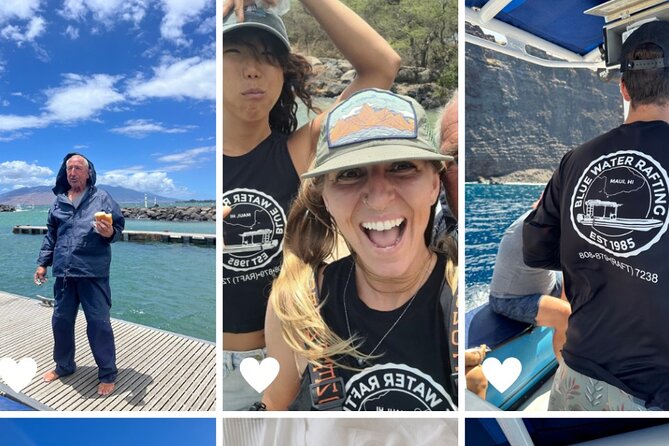
This ride keeps numbers controlled. The tour notes a cap of 22 people maximum, and the overall max listed for the activity is 24. Either way, you’re not packed in like a school bus on waves.
A smaller group usually means two things you’ll feel right away. First, it’s easier for the crew to spot wildlife and reposition without juggling lots of bodies. Second, your viewing time stays more comfortable—less crowding and more space to focus when you get the sighting.
And then there’s the practical part: you’ll still be listening and learning for the full 1 1/2 hours. With a smaller setup, the hydrophone moments land better because everyone is paying attention at the same time.
Hydrophone whale songs: the sound system that turns sighting into an experience
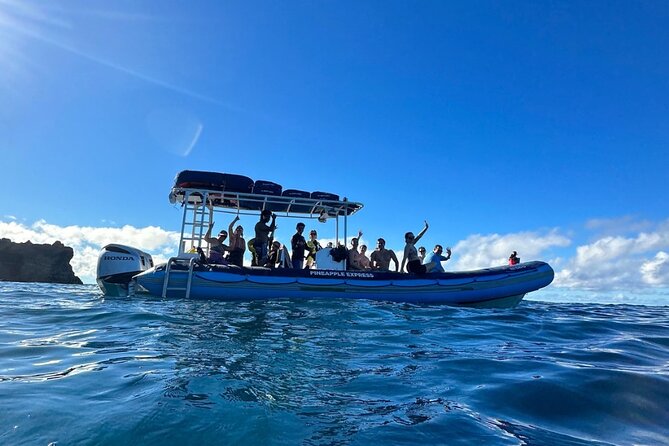
Seeing whales is great. Hearing them while you watch them is a different level of wow.
The centerpiece here is the hydrophone and a “sophisticated hydrophone sound system.” The tour experience is designed so you can hear live whale songs through the system, and the crew will place a hydrophone into the water for that part most people end up loving the most.
Here’s why it’s worth getting excited about: humpbacks can be hard to pick out visually depending on distance and conditions. Sound cuts through that. Even when you only see a hint of motion, you can still feel like you’re communicating with what’s out there.
The crew also answers whale questions and provides facts throughout the tour. That turns the hydrophone from a gadget into part of a guided experience—so you know what you’re hearing, not just that it sounds cool.
The real flow of the 1.5-hour ride (and why “stretching” can happen)
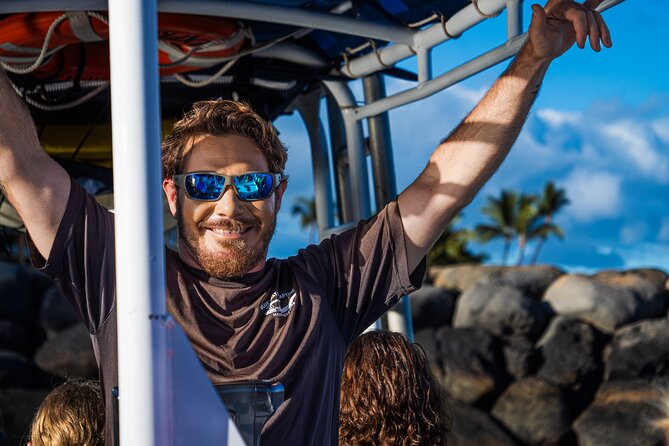
This is a straightforward format with smart timing. You start at 10:00 am at the meeting point, head out from Kihei, spend about 1 1/2 hours whale-watching, and return right back to where you started.
Once you’re underway, the crew looks for pods quickly, then you get ample time for viewing. When the whales are active in the area, the search part can feel like it has a rhythm: scan, reposition, confirm sighting, then settle in for real watching and listening.
Now for the part that’s important to understand before you book: close encounters can change timing. If whales come in within roughly 100 yards or less, the tour may “stretch” slightly. The goal is safety and compliance with federal regulations. The tour also notes that a little extra time is built in between departures to help operate within those rules.
So if you’re the type who hates uncertainty, this might sound odd. But it’s a good sign in practice. It means the operation is willing to slow down when the animals are near—rather than forcing a rigid schedule.

What whales you’re most likely to see (and why morning matters)
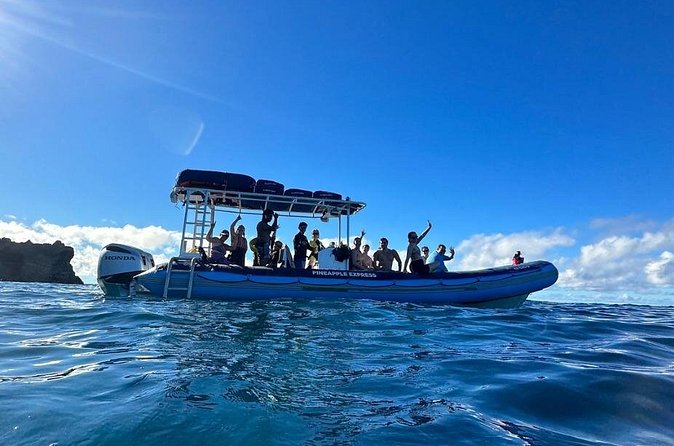
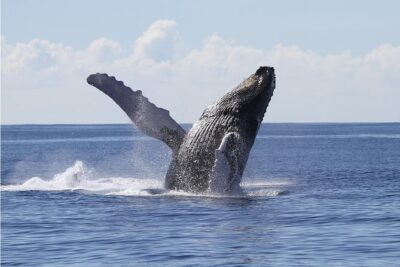
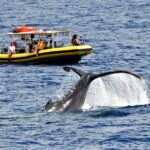
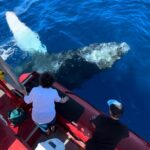
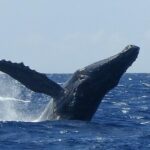
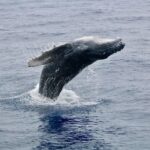
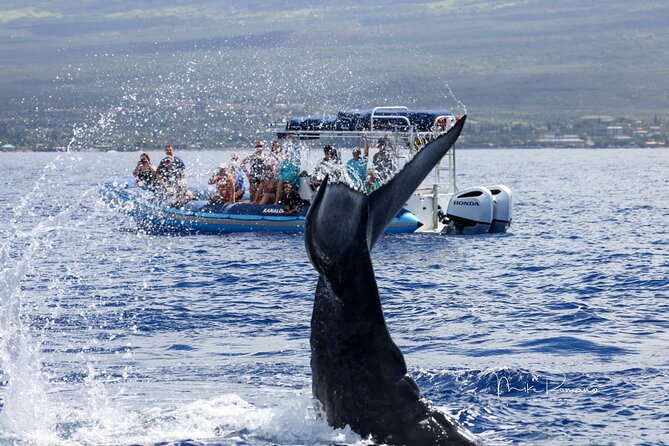
The experience is focused on humpback whales. Morning departures on Maui’s south shore are where humpbacks are described as prevalent, with a chance of seeing nursing behavior during this time of day.
Also, the operation doesn’t just focus on whales on paper. People highlight that the crew is good at finding whales and dolphins. The dolphin part isn’t guaranteed in the facts given, but it is clearly something that can happen on the water, and the crew’s searching skill is a key reason.
Bottom line: you’re booking a humpback-centered trip, timed for good morning odds, run by a crew that knows how to keep the sighting time coming.
Price and value: is $97.30 worth it?
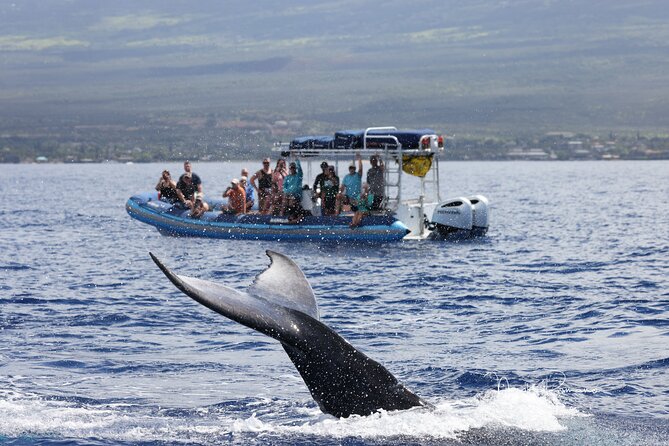
At $97.30 per person for about 1 hour 30 minutes, you’re paying for a focused boat trip with real tools—not just a casual ride.
Here’s where the value comes from in practical terms:
- You’re getting a dedicated hunt for whales off Maui, rather than “maybe we see something.”
- You’re paying for the hydrophone experience, which turns the viewing into something you can understand and hear.
- Bottled water is included, and the boat operation includes a comfort-forward setup.
- The group size stays capped, so the experience remains easier to enjoy.
It’s not a bargain price, and Maui wildlife tours never pretend to be cheap. But for what you get—guided listening, structured viewing time, and an operation that’s been running since 1985—it can feel like a fair trade. You’re buying time with the whales, plus the sound experience that makes that time more meaningful.
Who this whale watch fits best (and who should skip it)
This tour is described as something “most travelers can participate” in. But there are a few clear boundaries.
It’s not a great fit if you have any flexibility issues around:
- Pregnancy: the tour notes they’re unable to take anyone pregnant.
- Small children: no children 4 and under are allowed unless called in and approved.
- Weather: the tour requires good weather.
If you want a whale watch that feels focused and not chaotic, this fits. If you’re the kind of traveler who loves wildlife but also enjoys guided context, the hydrophone + crew facts combo is a strong match.
If you’re prone to motion sensitivity, remember this is a boat trip on the water. The tour emphasizes calmer south-shore morning conditions, but you’ll still want to consider your own comfort level with being on a boat.
What to do before you go (so you get the best viewing time)
You can’t control whale behavior. You can control your comfort.
Plan for early morning sun and wind. Bring a light layer because morning breezes can feel cooler once you’re out on the water. Also, arrive with enough time to park and get settled near the meeting point—this trip runs on the clock, and it’s built for an efficient start.
And one underrated tip: stay present during the hydrophone moments. When the crew activates it and positions the sound system, the experience shifts from spotting to listening. If you chat through that, you’ll miss the part most people end up remembering.
Should you book the Blue Water Rafting 10:00 am whale watch from Kihei?
If you want a whale watch that’s timed for morning conditions, keeps groups small, and includes the hydrophone for live whale songs, you should strongly consider booking. The combination of humpback focus, small-group setup, onboard bottled water, and a crew that’s set up to find whales quickly is a compelling mix.
I’d pass only if weather unpredictability would wreck your day. The experience requires good weather, and it’s non-refundable and cannot be changed for any reason if you cancel your plans. If the day is canceled due to poor weather, you’ll be offered a different date or a full refund, which helps—but you still need a bit of flexibility.
Also, if you’re in any category restricted by the tour rules (pregnancy, or kids 4 and under without prior approval), this isn’t the one.
Overall, this feels like a practical Maui whale watch option that’s designed for real viewing and real listening, not just a sightseeing spin around the bay.
FAQ
Where does the tour start?
The meeting point is 2800 S Kihei Rd, Kihei, HI 96753, USA.
What time does the 10:00 am tour depart?
The start time is 10:00 am.
How long is the whale watching experience?
It’s about 1 hour 30 minutes.
How much does it cost?
The price is $97.30 per person.
What makes the whale watching different on this tour?
You’ll hear live whale songs through a hydrophone sound system while you watch for humpbacks.
Is there bottled water provided?
Yes. Bottled water will be provided on board.
What’s the maximum group size?
The tour is capped at 22 people maximum, and the activity listing also notes a maximum of 24 travelers.
What are the rules for children and pregnancy?
No children 4 and under are allowed unless called in and approved. The tour is unable to take anyone pregnant.
What happens if the weather isn’t good?
The experience requires good weather. If it’s canceled due to poor weather, you’ll be offered a different date or a full refund.