REVIEW · MAUI
VIP (12 Guests ONLY) Ultimate Whale Watch
Book on Viator →Operated by Ultimate Whale Watch & Snorkel · Bookable on Viator
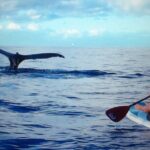
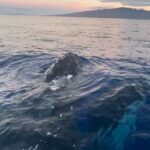
Humpbacks feel close on this raft. This VIP whale watch from Lahaina Harbor stays low to the water with a Coast Guard style raft, so you get that front-row feel plus onboard marine naturalist talks and hydrophone listening. I love the 12-guest small-group size, and I love that you’re not just looking—you’re learning as you go. One possible drawback: it’s a raft, so the ride can be bumpy and you may get a little wet, which matters if you get seasick.
If you’re traveling in December–April, the promise is simple: whale sightings are guaranteed, and if you don’t spot them, you can go again for free. That changes the math on a paid tour, because you’re not just buying a gamble—you’re buying a plan. Also, with limited seats (only 12), it’s smart to book early. On average, people grab this about 44 days ahead.
What makes this tour feel worth it is the mix: quick and efficient rafting boat style, close-up viewing, and real science talk happening on board. If you want the experience of a large whale event without the crowd crush, this is the kind of Maui activity I’d line up.
In This Review
- Key things that make this VIP whale watch work
- Lahaina Harbor, but with a VIP-sized group
- The Coast Guard style raft: close views and the bumpy reality
- The 2-hour flow: finding whales, listening with hydrophone, and cameras ready
- What you can expect to see in humpback season (Dec–Apr)
- Onboard marine naturalist talks: what makes the learning stick
- Staying comfortable: dressing for spray and wind
- Price and value: $125 for close-up, small-group time
- Who should book this whale watch (and who should reconsider)
- Should you book the VIP 12-guest Ultimate Whale Watch?
- FAQ
- Where does the tour start?
- How long is the whale watch?
- How many people are on the boat?
- Is the tour in English?
- Are whale sightings guaranteed?
- What kind of boat do they use?
- Are service animals allowed?
- Is there a minimum age?
- Can pregnant guests join?
- What if the weather is bad?
Key things that make this VIP whale watch work
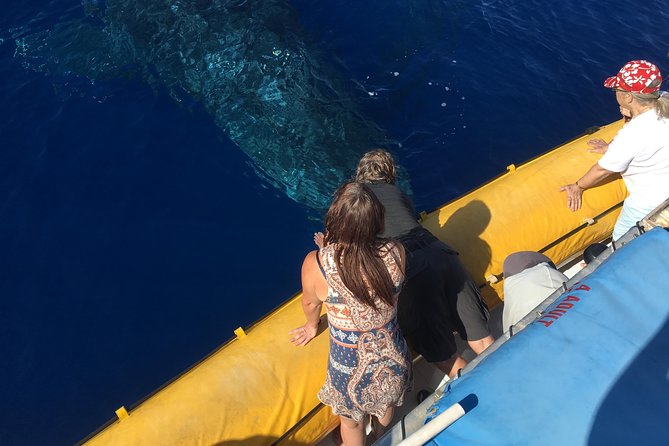
- 12 guests only: you feel close to the action, not tucked behind strangers
- Low-to-water Coast Guard style raft: fewer sight-blocking angles, more whale time
- Marine naturalist on board: you get context for behavior, not just spotting
- Hydrophone whale songs: listen while you scan the water surface
- Dec–Apr whale guarantee: if you miss sightings, you can return for free
- Front-row positioning: the boat setup aims to maximize every seat
Lahaina Harbor, but with a VIP-sized group
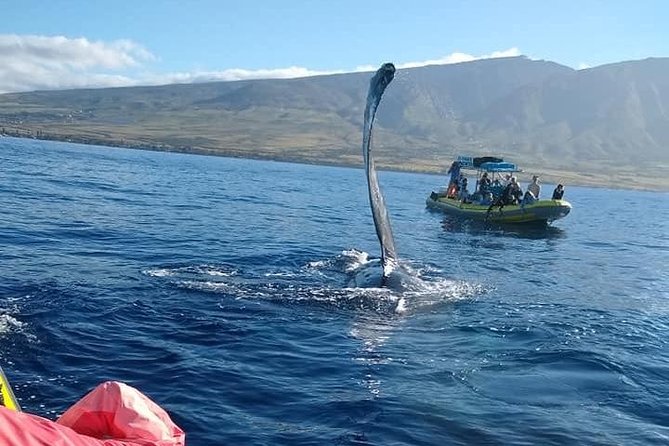
This whale watch runs out of Lahaina Harbor from 1229 Front St, Lahaina, HI 96761, and the vibe is built around one goal: more whale time per person. With a maximum of 12 travelers, you don’t spend the whole trip doing the “excuse me” shuffle that comes with bigger boats.
That small-group setup matters more than you’d think. Whales are not a static exhibit. They move, surface where they choose, and they can change the viewing situation fast. A smaller group makes it easier for the crew to position the raft in the right spot without turning your outing into a traffic jam.
You’ll also get an educational layer that’s not just a quick script. The tour includes marine naturalist talks and guided discussion, plus whale audio via hydrophone. That turns a great sighting into a better story you can remember later.
You can also read our reviews of more tours and experiences in Maui.

The Coast Guard style raft: close views and the bumpy reality
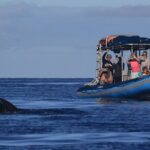
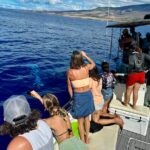
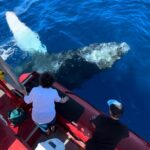
The boat is a raft-style vessel designed to be low in the water, which is exactly what you want for whale watching. When you’re closer to the sea surface, you tend to get better sightlines and fewer “soaring over people’s heads” moments.
The trade-off is movement. Rafts ride differently than smoother catamarans. Some people report the ride being fun but also a bit bumpy, and there’s mention of getting wet at times. If you’re prone to motion sickness, you’ll want to plan for that ahead of time. A simple strategy is to dress for spray and keep your expectations realistic.
Packing tip that actually helps: bring a light jacket or something with a bit of protection against wind and mist. If it’s windy, the water air can feel chilly even in Hawaii, and wet clothes get old fast.
The 2-hour flow: finding whales, listening with hydrophone, and cameras ready
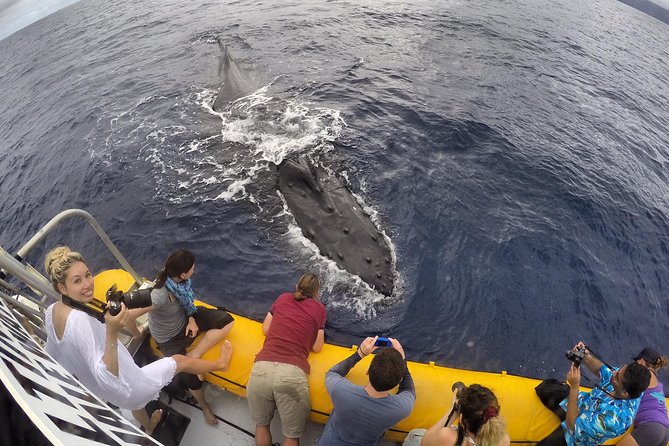
This tour is about 2 hours, give or take, and it follows a classic whale-watch pattern—only faster and tighter because the vessel is built for close, efficient positioning.
Here’s what your time is likely to feel like:
- You head out from Lahaina Harbor and begin scanning the basin.
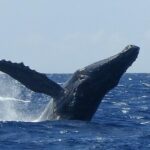
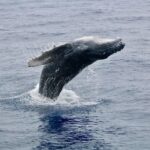
- When whales are around, the crew works to put you in position for active behavior—breaches, surface blows, and the kinds of movements that make humpbacks so dramatic.
- You also get educational talk onboard, including time to listen using the hydrophone for whale sounds.
- The crew keeps working the area until the outing is filled with sightings and behavior, then you return to the meeting point.
A small detail I really like: the tour specifically mentions listening to whale songs on the hydrophone and using that moment as part of the experience. That means you’re not waiting with empty ears and a dead camera battery. Even if the whales aren’t right under the boat immediately, the learning and the listening keep the trip moving.
For photo lovers: bring your camera ready and plan for quick bursts. Whales don’t wait for the perfect setting. When a whale surfaces close, you’ll want to be able to shoot right away.
What you can expect to see in humpback season (Dec–Apr)
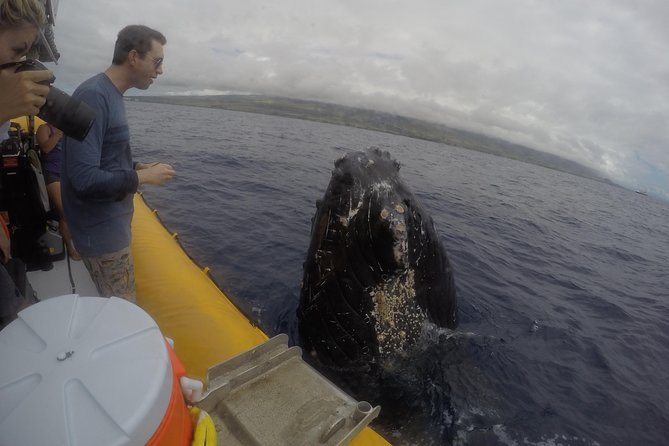
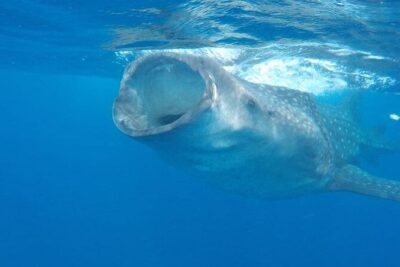
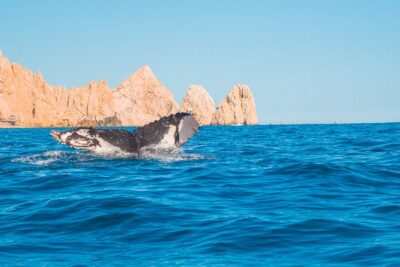
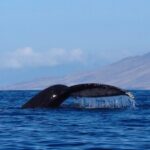
Humpbacks dominate the winter-to-spring window in Maui waters, and this tour is timed around that reality. The standout promise is guaranteed sightings December–April, with a free return if sightings don’t happen.
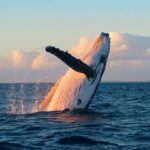
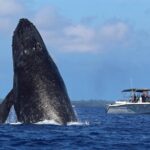
When the whales are behaving actively, the experience can get seriously exciting. In past outings, people have described:
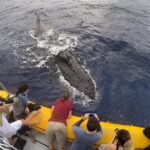
- whales swimming very close to the raft
- whales rolling or surfacing in ways that make it feel like they’re right there
- mother-and-baby moments that are both tender and fascinating
- male whale competition behavior, including bouts of jostling and more dramatic action
You may also hear stories of unusual extras spotted on the day. Some accounts mention things like other marine life surfacing in the area. That said, don’t count on extras; count on whales in season.
One fun piece of crew language you’ll likely hear: guides sometimes refer to a situation as whale jail when whales are all around and the boat has to stay put. It’s basically the safest, most whale-friendly setup—when everyone around you is suddenly full of whales, moving the boat isn’t the point. It’s a sign you’re in the thick of it.
Onboard marine naturalist talks: what makes the learning stick
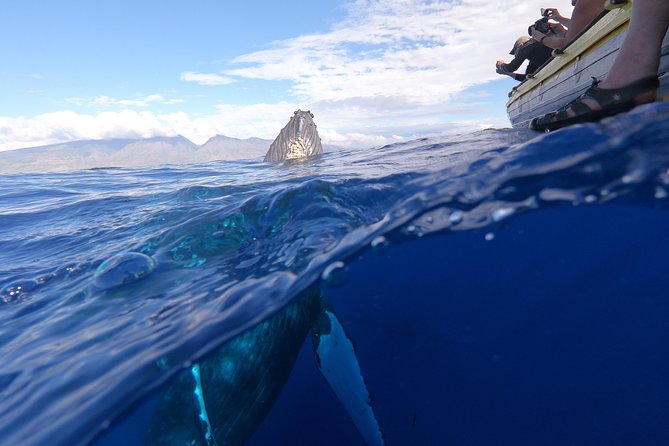
The marine naturalist part isn’t just background noise. It’s part of how this tour earns its high marks. You’re getting explanations while you’re actually seeing behavior—so the information sticks.
Expect discussion about things like:
- what you’re looking at when whales surface
- how behavior changes between adults and calves
- why whale activity shows up when it does
- what whale sounds mean in the broader sense of communication
The hydrophone adds a major layer. Seeing whales is one thing; hearing them through the water is another. Even if you’re not an audio person, whale sounds delivered this way tend to make the encounter feel more real.
Crew names you might hear (and that people have praised): captains and naturalists like John, Casie, Kalli, Kayli, Lacey, Emma, Jeremiah, Sarah, Christina, Lizzie, Pat, and Sara have shown up in past tours. I wouldn’t treat any of that as guaranteed—but it’s a good sign. This operation leans on experienced people who can explain what you’re seeing in plain language.

Staying comfortable: dressing for spray and wind
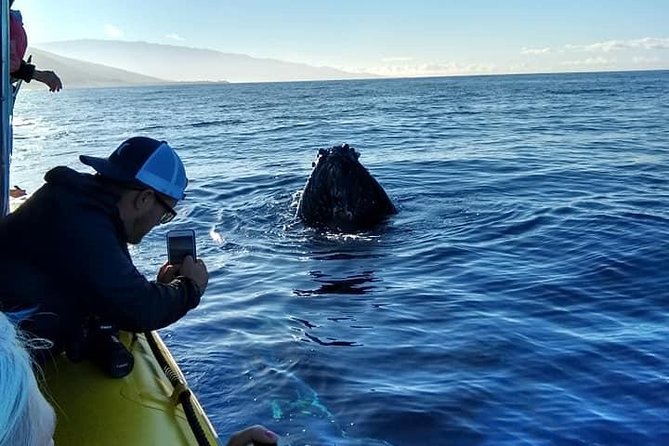
Even on a good day, whale watching isn’t a dry indoor activity. Between wind, sea air, and quick positioning, expect occasional spray. If you’re the type who hates being cold, dress like you’ll be outside the whole time—because you are.
My practical advice:
- wear layers you can strip or add
- bring a light waterproof layer if you own one
- plan for a camera strategy that doesn’t require both hands every second
- if you’re worried about motion sickness, bring what you normally use (this is a raft)
Also, the boat is described as great for close encounters because seats aren’t blocked by large structure. That’s a comfort plus. You’ll likely feel more freedom to shift your view, which makes a big difference when multiple whales surface at once.
Price and value: $125 for close-up, small-group time
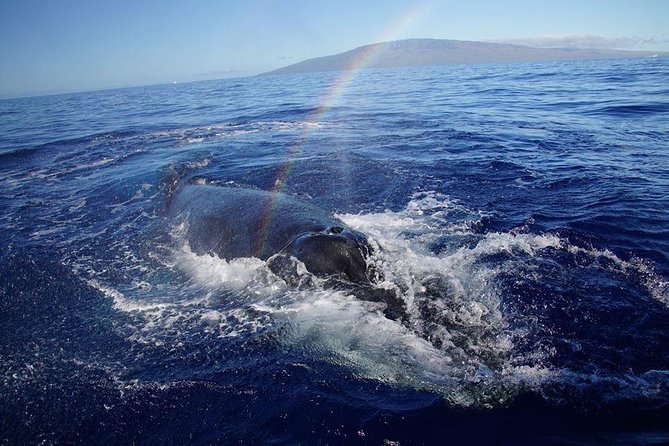
At $125 per person for about 2 hours, it’s not a bargain. But value is not the same as cheapest. This tour sells what most people really want from whale watching: better viewing angles, fewer people in your way, and a crew that actively works the area for sightings.
Here’s why the price can make sense:
- 12 guests only means more attention per person and easier positioning
- a raft setup aims for front row seats, not just a view from the back
- the onboard naturalist and hydrophone turn it into an experience with context, not just a search boat
- in-season whale sightings are guaranteed (Dec–Apr), and if it doesn’t happen, you can go again for free
If you compare that to bigger boats where your view is often sliced by railings and crowds, the extra money can feel like it buys you a cleaner, more satisfying experience. This one is built to reduce the “we found whales, now watch from far away” problem.
One last point: because it’s popular, consider booking earlier. People average booking about 44 days in advance, and with only 12 seats per trip, the schedule can fill.
Who should book this whale watch (and who should reconsider)
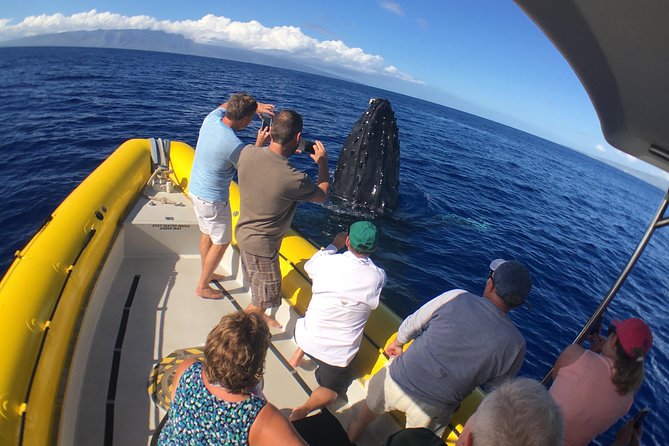
This tour is a strong fit if:
- you want close-up whale viewing without a huge crowd
- you enjoy learning while you watch (naturalist talks plus hydrophone)
- you’re traveling in Dec–Apr and want the best shot at guaranteed sightings
- you care about front-row viewing angles and flexible positioning
It might not be the best fit if:
- you get motion sick and you can’t tolerate a bumpy raft ride
- you need an option for pregnancy—this tour states they can’t take guests who are pregnant
- you’re traveling with a very young child—there’s no children under age 3
Good news: service animals are allowed, and it’s close to public transportation. Most people can participate, as long as they meet the basic rules.
Should you book the VIP 12-guest Ultimate Whale Watch?
If you want a whale watch that feels intentionally designed for real sightings—close to the water, small-group friendly, and guided with hydrophone listening—this is an easy yes. The biggest reason to book is the combination of VIP 12-guest size plus the Dec–Apr whale guarantee. That guarantee changes the value, especially if you’re squeezing Maui into a limited time window.
If you’re still on the fence, do this simple check:
- Are you traveling during December–April? If yes, the risk drops a lot.
- Are you okay with a raft ride and possible spray? If yes, you’ll probably love the close-up feel.
- Do you want more than spotting—actual explanations as whales surface? If yes, this tour matches that style.
FAQ
Where does the tour start?
It starts at 1229 Front St, Lahaina, HI 96761, USA, and ends back at the meeting point.
How long is the whale watch?
The duration is about 2 hours.
How many people are on the boat?
This activity caps at 12 travelers.
Is the tour in English?
Yes, the tour is offered in English.
Are whale sightings guaranteed?
Yes. Whale sightings are guaranteed December–April. If you don’t see whales, you can go again for free.
What kind of boat do they use?
You’ll ride on Coast Guard style-rafts, described as low to the water for close encounters.
Are service animals allowed?
Yes, service animals are allowed.
Is there a minimum age?
Yes. No children under age 3 are allowed.
Can pregnant guests join?
No. The tour states they are unable to take guests who are pregnant.
What if the weather is bad?
This experience requires good weather. If it’s canceled due to poor weather, you’ll be offered a different date or a full refund.
If you tell me your travel month and whether anyone in your group gets motion sick, I can help you decide the best day to book.