REVIEW · MAUI
Whale Watch and Scenic Tour from Kayak
Book on Viator →Operated by Boomkanani Inshore Adventure Club, LLC · Bookable on Viator
Pedal-powered whale sightings off Olowalu. This small-group kayak tour runs right off Olowalu Beach on the West Maui coast, with a humpback whale search Dec to April and a scenic-only route the rest of the year. You get hands-free movement on pedal kayaks, plus a guide who focuses on both fun and reef-friendly ocean travel.
I love the setup: you start at Olowalu, get a full safety and equipment briefing, then slide into the water with everything handled. I also really like how the Hobie Compass Duo pedal system keeps your hands free, so you can take video and still stay in control while looking for whales, dolphins, and turtles.
One thing to consider before you book: whale season is only Dec–Apr. If you’re going in other months, you should expect a gorgeous ocean scenic cruise, not humpbacks—one rider even felt the ad message didn’t match what they booked.
In This Review
- Key things to know before you go
- Olowalu Beach start: easy meet-up, strong safety briefing
- Hands-free pedaling on Hobie Compass Duo kayaks
- Whale season Dec–April: where you go looking for humpbacks
- Scenic West Maui cruise when it is not whale season
- Wildlife moments you can watch from your kayak seat
- What you should bring (and what the tour provides)
- Timing and conditions: how to pick the best departure feel
- Value check: small group size plus reef-smart guiding
- Should you book this Olowalu whale watch and kayak tour?
- FAQ
- Where do you meet for the tour?
- How long is the kayaking tour?
- When is whale watching offered?
- What’s included in the tour price?
- Is there a weight limit?
- What happens if the weather is poor?
Key things to know before you go
- Whale season is Dec–Apr: otherwise it’s a scenic ocean tour.
- Hands-free pedaling on Hobie Compass Duo kayaks, great for photos and video.
- Small group max 6 for a more personal feel on the water.
- Reef-safe guidance so you get the best viewing odds without sloppy boating.
- Wildlife education built in, with options like whale listening tools on some outings.
Olowalu Beach start: easy meet-up, strong safety briefing
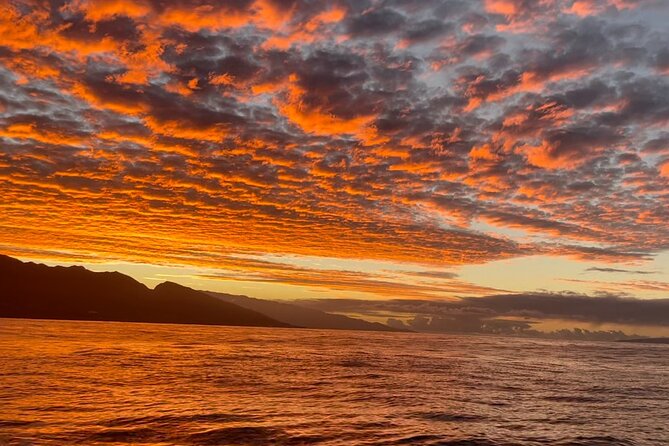
The experience begins at Olowalu Beach, with the parking area close enough that you’re not hauling gear across half the island. When you arrive, the local guide greets you, checks that everyone is settled into the right kayak setup, and makes sure you’re ready to go.
Before you hit the water, you’ll get a complete safety and equipment briefing. This matters more than it sounds. Kayaking offshore can feel simple—until wind or waves nudge you. The better your baseline is, the calmer the whole trip feels.
They also handle the practical stuff that usually becomes your job on DIY days: dividing the group into kayaks, helping with loading, and getting you oriented so you’re not guessing where to point your kayak first.
You can also read our reviews of more tours and experiences in Maui.

Hands-free pedaling on Hobie Compass Duo kayaks
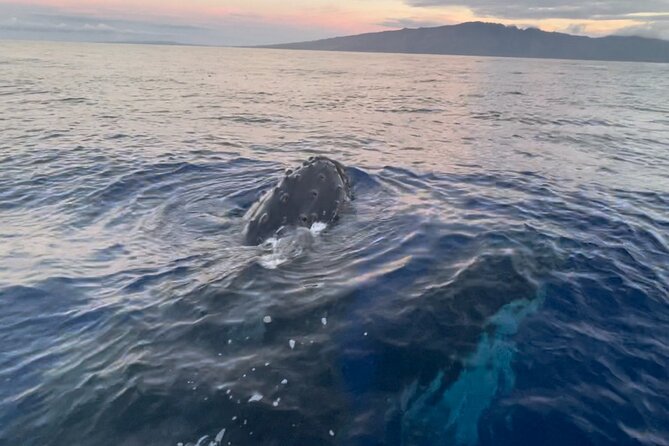
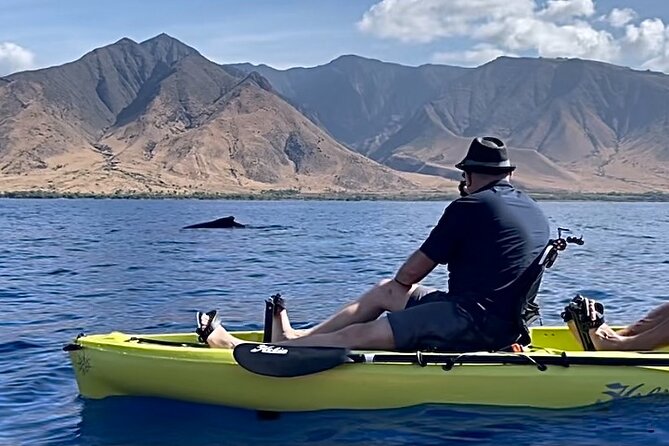
This tour uses Hobie Compass Duo pedal-drive kayaks, which is a big part of why people return. You’re essentially pedaling with your feet while your hands stay free for what you actually came for: scanning the water, filming, or just steering without constant paddling.
It’s also a comfort thing. Pedal kayaks can feel smoother than paddle-only setups for long stretches, especially when you’re trying to keep your effort steady rather than doing one big paddle sprint and then tiring out. One guide’s reef-aware navigation style helps too—your route tends to feel thoughtful instead of rushed.
You’ll want to keep the weight limit in mind. The tour lists 250 lbs per seat (or 425 lbs per kayak). If you’re traveling with someone near that limit, double-check the fit before you book so your ride is comfortable from the start.
Whale season Dec–April: where you go looking for humpbacks
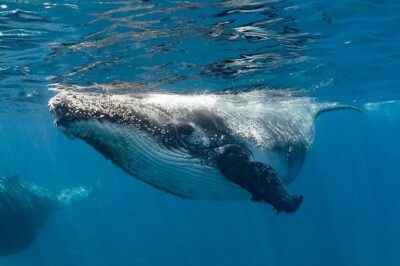
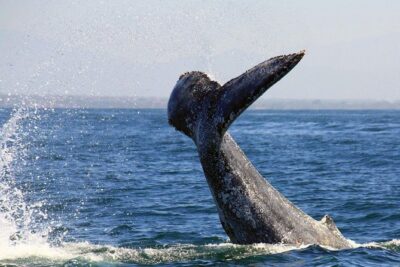
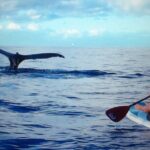
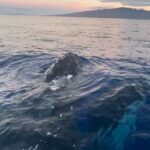
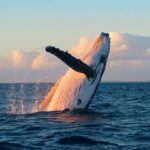
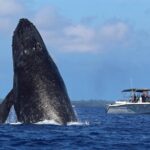
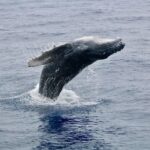
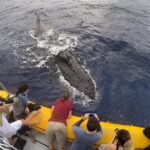
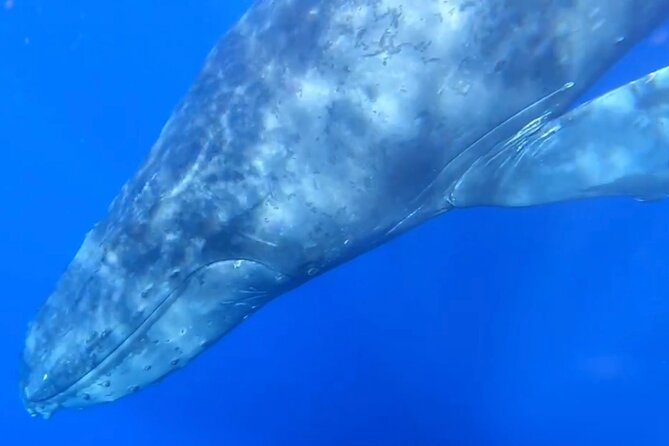
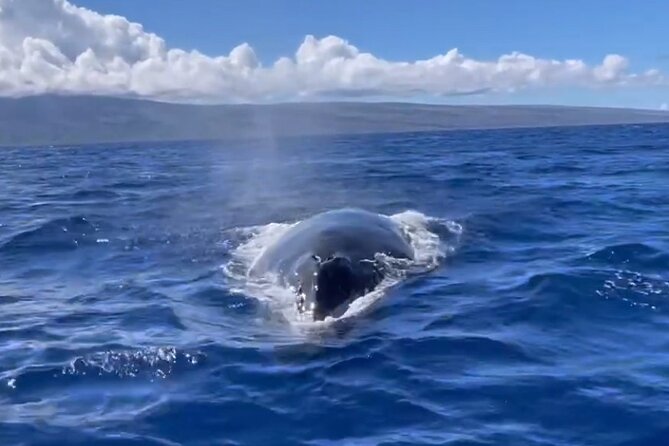
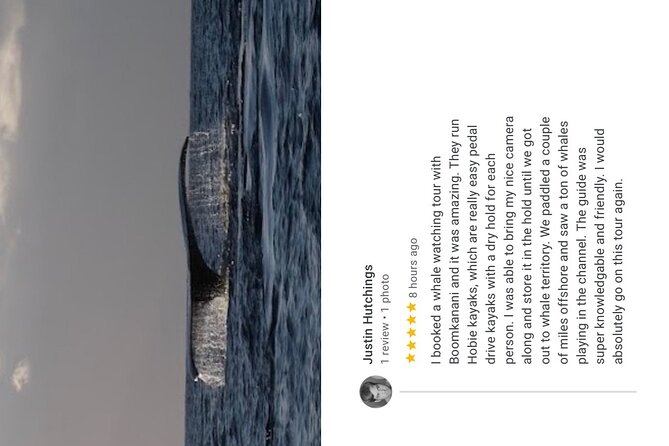
From December through April, the tour’s focus shifts to humpback whales. The plan is to kayak out in search of whales along the West Maui coast, including a route geared toward the most popular viewing area for humpbacks.
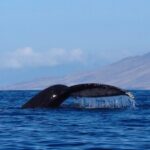
The best part isn’t just seeing whales—it’s the calm pace. You’re not doing a loud, fast chase. You glide, watch for spouts and flukes, and then settle into the moment long enough to actually enjoy it.
Some outings can go beyond simple sighting. On at least one trip, the group experienced whale listening using a hydrophone setup, which adds a new layer to the experience. If you’ve never heard whale song through a hydrophone, it’s one of those details that makes the trip feel more complete than just spotting animals at a distance.
If the whales are close, hands-free pedaling is a lifesaver. You can keep steady forward motion while you film, and you’re less likely to stop everything to adjust your grip or paddle position. That’s a real quality-of-life upgrade out on open water.
Scenic West Maui cruise when it is not whale season
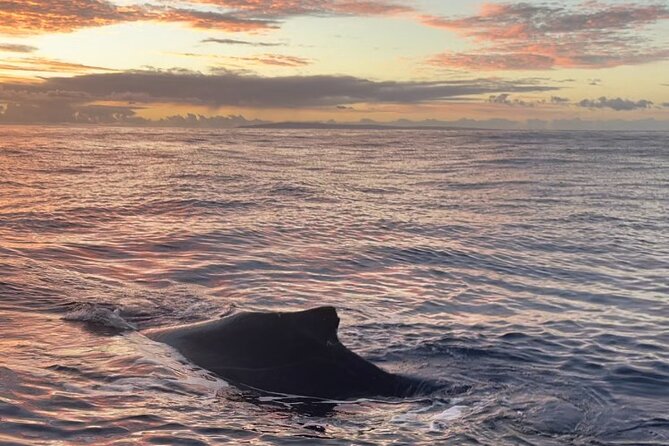
Outside whale season, this becomes a scenic kayak cruise. That’s not a downgrade—it’s just a different expectation. The route shifts toward ocean views of the West Maui Mountains, plus opportunities to spot dolphins, sea turtles, and reef life.
Clear water and calm coastal conditions can make these “no whale” days feel surprisingly special. You’re still out on the water, still close to marine life, and still getting that Maui coast perspective that you don’t get from a shoreline lookout.
There’s a real takeaway here for planning: if you’re visiting in a month outside Dec–Apr, don’t book expecting humpbacks. One rider went in May and felt misled because the tour experience they wanted didn’t match what they were actually told on the water.
The good news is that when you treat it as a scenic kayaking tour, you’ll likely enjoy it more. Think dolphins and turtles, not humpbacks.
Wildlife moments you can watch from your kayak seat

Whether you’re in whale season or scenic season, the tour is built around wildlife and the ocean ecosystem. You’ll learn along the way, and you’ll have enough time to observe instead of sprinting between random checklists.
On whale days, the focus is on humpbacks and how to position your kayak for viewing. On scenic days, the wildlife sightings often look like dolphins cruising, turtles hanging near the surface, and glimpses of reef life through clear water.
One group also reported a memorable bonus encounter, including boated mahi during their outing. It’s not something you should bank on, but it’s a good sign the guides are paying attention to what’s happening in the water that day.
The guide’s job here is subtle: where you go, how you move, and how you avoid unnecessary reef contact all affect what you see. One review highlighted a guide who navigated carefully to avoid damaging reefs while still aiming for strong whale viewing odds. That balance is exactly what you want.

What you should bring (and what the tour provides)
The tour includes a light snack and one bottled water. It also provides all kayaking and safety equipment, plus a small cooler and music. Permits and a safety briefing are part of the package, and you’ll also get wildlife and ecosystem education from the guide.
What they do not provide is where you’ll want to plan ahead. Bring your own sunglasses, hat, towel, and reef-safe sunscreen (and don’t bring spray sunscreen if it’s not reef-safe). If you’re serious about capturing video, bring your own camera gear too, since camera equipment isn’t included.
One small caution based on real-world experience: one rider mentioned that snacks were forgotten during their trip. That wasn’t the usual story, but it’s an easy fix. When you’re seated and ready to go, it’s smart to confirm your water and snack are in hand.
Timing and conditions: how to pick the best departure feel
This is the kind of tour that benefits from choosing your departure time with weather and water conditions in mind. One review specifically praised going early, noting great conditions and a beautiful morning on the water.
Early timing often means calmer seas and a better chance of light that makes it easier to spot spouts and marine movement. It also tends to keep the day from feeling rushed. If you can, pick the earliest start time that fits your schedule.
The tour is also weather-dependent and runs best when conditions are suitable for paddling offshore. If weather forces a cancellation, you should be offered a different date or a full refund, so it’s worth having flexibility if you can.
Value check: small group size plus reef-smart guiding
You’re not packed into a large boat-and-barge situation here. The tour maxes at 6 travelers, which usually means the guide can watch everyone’s pace and adjust the route without turning it into a production line.
You’re paying for more than a kayak. You’re paying for permits, safety systems, reef-conscious navigation, and an experienced guide who knows how to get you positioned for what you might see. Add in hands-free pedal drive, and you get a trip that feels more relaxed than paddle-only excursions that can turn into a workout.
Is it perfect for every kind of traveler? Not always. If your main goal is humpback whales no matter the month, you need to book inside the Dec–Apr window. If you’re going out of season, treat it like a scenic West Maui cruise on kayak—otherwise you may feel like the experience missed your expectations.
Should you book this Olowalu whale watch and kayak tour?
Book it if you want a small-group, reef-aware kayaking experience on Maui’s West Coast, and you’re traveling during Dec–Apr for the best humpback odds. The hands-free pedaling is a standout feature, especially if you care about filming whales or simply staying comfortable while you scan the water.
Skip it (or adjust expectations) if your visit is outside whale season and you’re hoping for humpbacks anyway. The scenic route can still be a great time on the water, but it’s not the same promise as a whale-focused outing.
Before you go, keep one health rule in mind: the tour states you should not attend if you’ve tested positive for COVID-19 within the prior 7 days and/or have had a fever within 72 hours of departure.
If you line up the month, bring the basics (hat, sunglasses, reef-safe sunscreen), and go with a flexible mindset, this is the kind of Maui activity that leaves you with more than photos. It gives you time on the ocean in a way that feels calm, personal, and genuinely hands-on.
FAQ
Where do you meet for the tour?
You meet at Olowalu, HI 96761, and the tour ends back at the same meeting point.
How long is the kayaking tour?
The tour runs about 2 hours 30 minutes.
When is whale watching offered?
Whale watching is only offered from December to April. Outside that window, it is a scenic tour only.
What’s included in the tour price?
Included are a light snack, 1 bottled water, all kayaking and safety equipment, a small cooler, music, permit, a safety briefing, an expert local guide, and Hawaii wildlife and ecosystem education.
Is there a weight limit?
Yes. The listed weight limit is 250 lbs per seat (or 425 lbs per kayak).
What happens if the weather is poor?
The experience requires good weather. If it’s canceled due to poor weather, you’ll be offered a different date or a full refund. You can cancel up to 24 hours in advance for a full refund.