REVIEW · SAO MIGUEL ISLAND
Azores Whale Watching & Islet Boat Tour
Book on GetYourGuide →Operated by Azores Whale Watching TERRA AZUL · Bookable on GetYourGuide
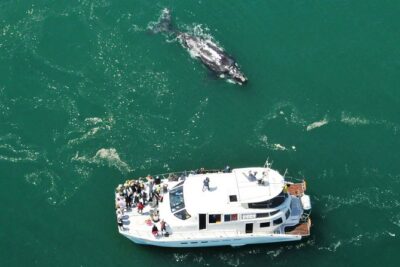
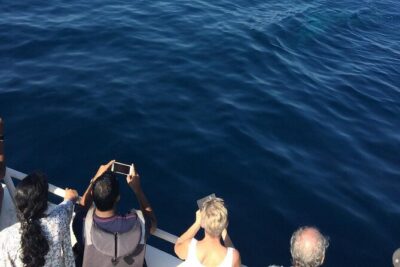
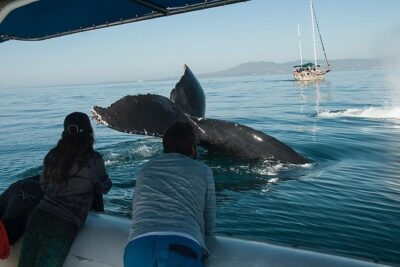
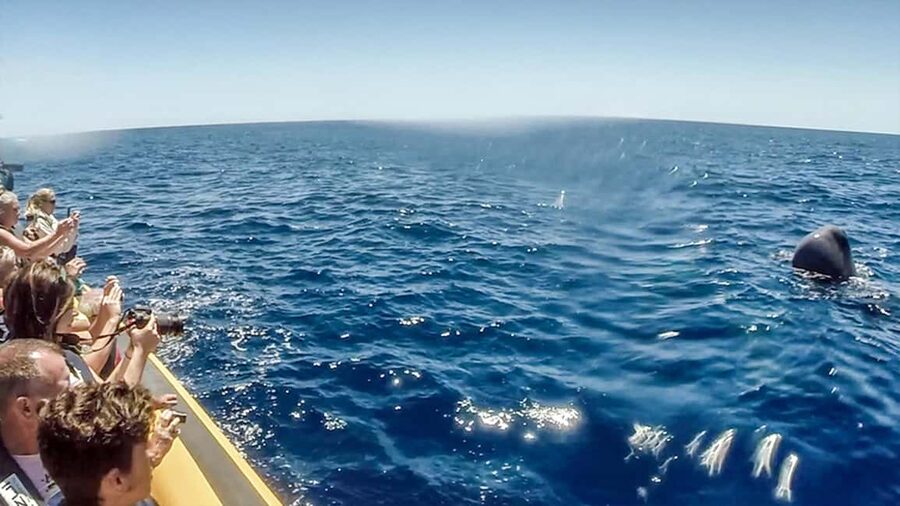
Whales are the main plot here. Starting at the Marina de Vila Franca do Campo, you get guided, biologist-style whale and dolphin talk, then head out fast—using inland lookout info and VHF radio directions—to improve your odds. I especially like that the crew doesn’t just point; they explain what you’re seeing and keep you engaged.
You’ll also get a close look at volcanic scenery around the Vila Franca do Campo islet on the way back, with a short photo-focused pass that turns the trip from just spotting into real place-based sightseeing. One drawback: this is a RIB ride, so expect motion, and the tour is not recommended for pregnant travelers, people with back problems, or anyone who tends to struggle with seasickness.
In This Review
- Quick hits you’ll care about
- Vila Franca do Campo: a sharp starting point for whale country
- The RIB boat experience: fast, practical, and not for everyone
- The onboard briefing: what biologists teach before you chase whales
- The main event: 2.75 hours of whale and dolphin watching
- Stop by the Islet of Vila Franca do Campo: photos, volcano views, and a quick reset
- Returning to the marina: quick free time and how to use it well
- What to pack (and what to leave behind)
- Price and value: what $70 buys you in the Azores
- Who this tour fits best
- Ethical wildlife viewing (and why you’ll probably notice it)
- Should you book this whale watching and islet tour?
- FAQ
- Where do I meet for the Azores Whale Watching & Islet Boat Tour?
- How long is the tour?
- How does the whale and dolphin search work once you’re on the water?
- What wildlife can I expect to see?
- What is the islet stop like?
- What’s included in the price?
- What should I bring that isn’t included?
- What languages are available for the live guide?
- Is the tour suitable for everyone with mobility or health limits?
- What if the weather is bad?
Quick hits you’ll care about
- Multi-signal tracking: inland lookouts plus VHF radio help the skipper position the boat for sightings
- Biologist/naturalist guidance: you’ll get a briefing on behavior patterns and local species before you go out
- Gear included: waterproof suit + life vest, built for spray and salt air
- Action lasts where it counts: about 2.75 hours dedicated to whale and dolphin viewing
- Volcano + islet viewing: you don’t return empty-handed even when the ocean doesn’t cooperate
- Not a guarantee trip: nature decides what you see, and weather can shift plans
Vila Franca do Campo: a sharp starting point for whale country
This tour launches from Terra Azul at the Marina de Vila Franca do Campo on São Miguel. That matters because you’re not driving all over the island hunting for a “maybe” boat ride—you’re starting right where the coastline and local marine traffic make sense for sightings.
Vila Franca do Campo also gives you a built-in sense of place. You’re surrounded by volcanic coastline and sandy beach viewpoints, and the islet you’ll see later is part of the same story: geology, shelter, and food chains all tangled together in one small area.
If you like tours that mix science with real outdoors time, this one has that feel. You’ll hear about cetaceans before the engine even revs, and the crew treats the sea like a living classroom, not a theme park.
You can also read our reviews of more tours and experiences in Sao Miguel Island.
The RIB boat experience: fast, practical, and not for everyone
The boat is a Zodiac RIB, with capacity from about 12 to 28 people depending on the sailing. It’s designed for quick travel between spots, and that’s a big reason you can spend more time searching once you’re out.
You’ll get an impermeable full suit and a life vest. That’s more than “nice to have”—on an open RIB in Azores wind, keeping warm and dry changes the whole experience. You’ll still want layers, but having the suit helps you avoid the cold damp that can make a short trip feel long.
One honest note from how the tour is run: it can feel intense when conditions get choppy. The operator is explicit that the tour isn’t for people with delicate health or a weak back, and it’s not suitable for wheelchair users. If you’re even slightly worried, plan for motion—because on a RIB, the ocean will remind you it’s in charge.
The onboard briefing: what biologists teach before you chase whales
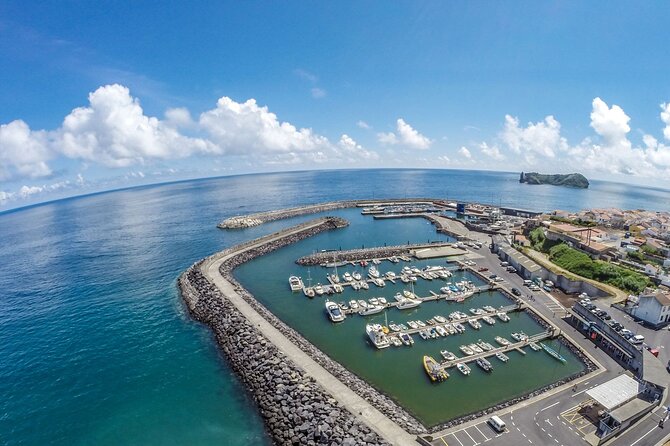
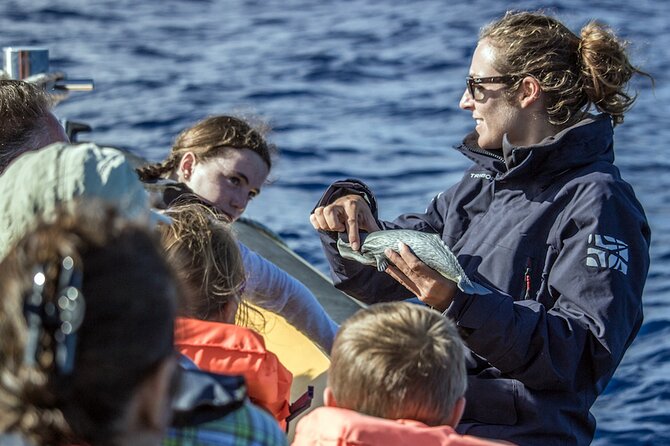
Before you leave the marina, you’ll do a safety and species briefing. This isn’t just rules on where to stand; you’ll learn about local cetacean migration and behavior patterns, and what to expect from whales and dolphins once you’re at sea.
A nice detail is the way the crew uses lookouts high inland. The idea is simple: birds and surface activity can tip them off, and then the boat can move with purpose instead of wandering randomly. You’ll also hear how they approach sightings carefully and keep everyone informed.
Some groups you might get on your departure include guides like Frida or Sanne, praised for turning animal facts into clear “here’s what you’re seeing” explanations. There are also skipper names that come up often—Miguel, Dino, and Jorge—with guests highlighting how confident driving and boat handling keep the group comfortable even when the sea gets rowdy.
The main event: 2.75 hours of whale and dolphin watching
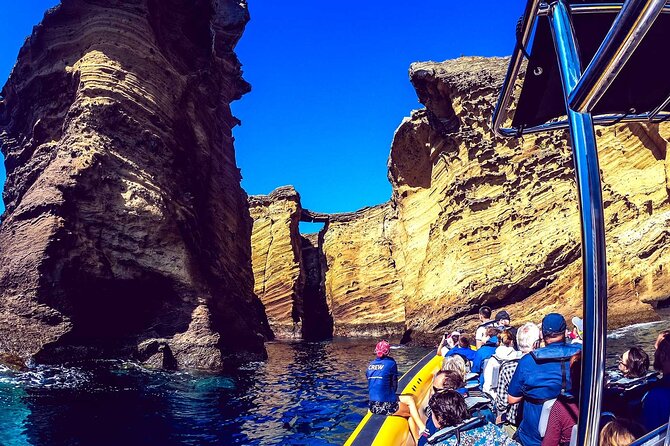
The core of the tour is the time on the water—about 2.75 hours focused on sightings. The boat initially travels at higher speed while the crew tracks locations using onboard guidance (including VHF communication), then slows down for careful approaches once wildlife is nearby.
The tour’s goal isn’t “see the biggest whale, or nothing.” It’s to help you notice the smaller story too: sea life around you, not only the star animals. The info given points out that you may observe birds and fish, and even mentions lightfoot crabs as part of the broader biodiversity you’re meant to keep an eye out for.
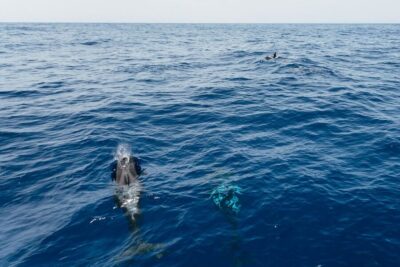
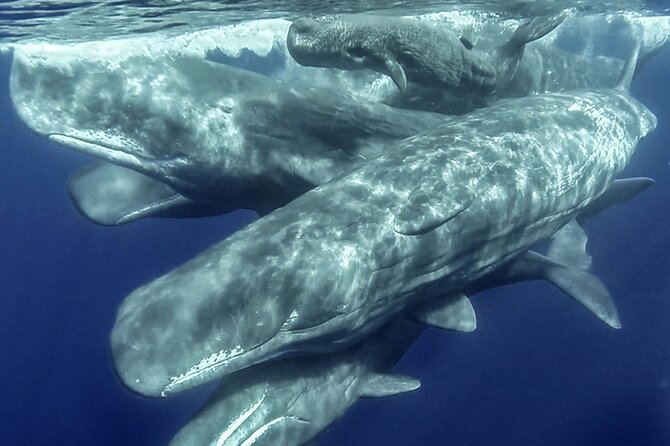
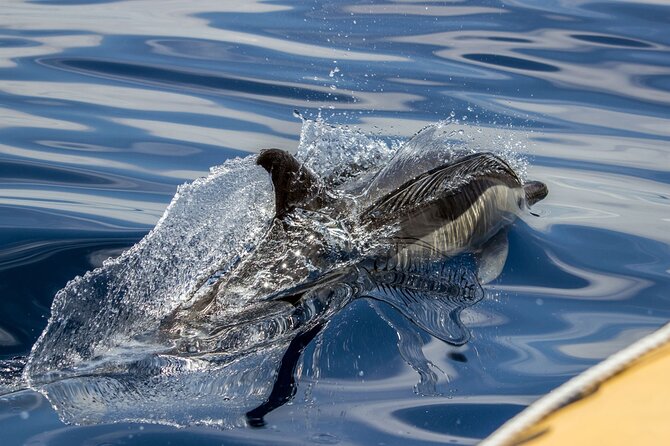
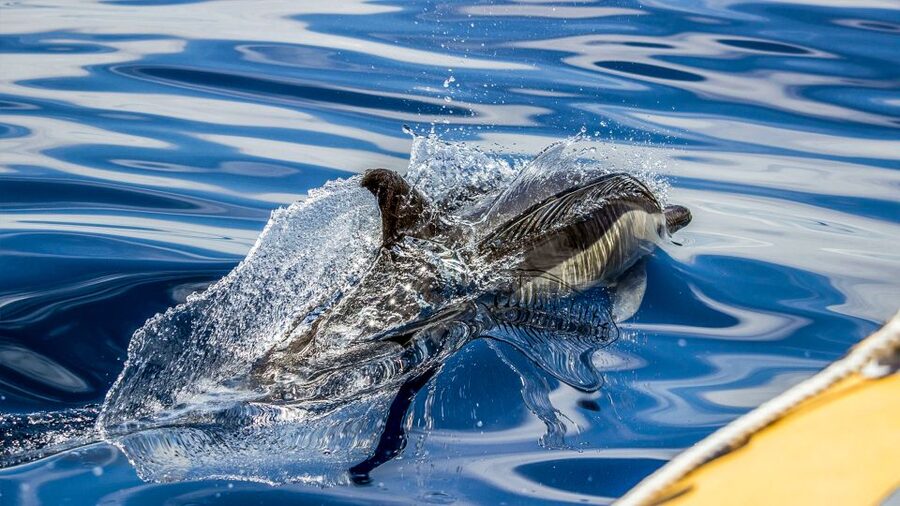
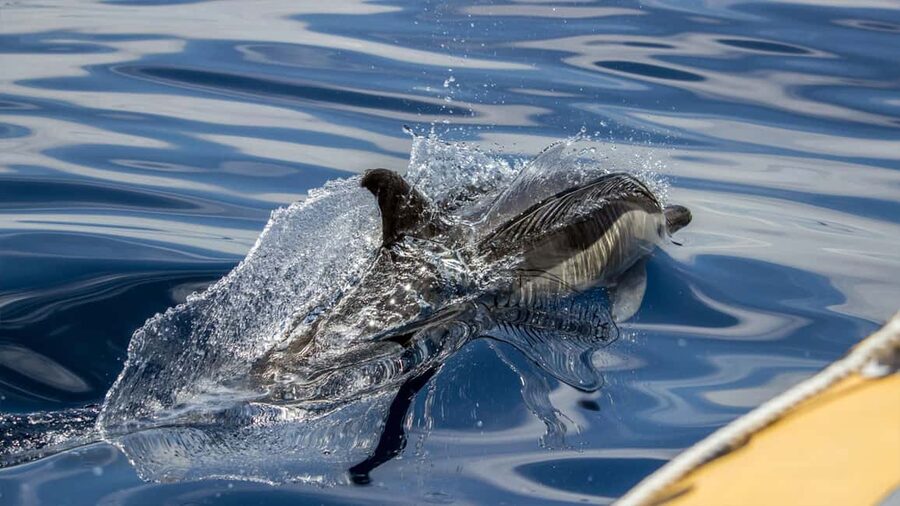
What species can you hope for? The tour description notes that sperm whales are resident alongside three dolphin species, and that more than 27 cetacean species are possible depending on the year. That’s why you’ll hear accounts of different sightings—common dolphins, fin whales, blue whales, turtles—because the Azores area can bring surprises when conditions line up.
Also, don’t miss the “science” side of what happens during your sighting time. The guide collects field imagery and data for local research while you watch. That turns the outing from pure thrill into something with a purpose, and it’s one reason many people feel good about the tour’s approach.
Practical tip: the “search” part can make you want to look away from the horizon. Try to keep your eyes moving between the guide’s directions and the water surface—whales and dolphins often announce themselves with patterns (breathing, movement, surfacing timing) before you ever see a full body.
Stop by the Islet of Vila Franca do Campo: photos, volcano views, and a quick reset
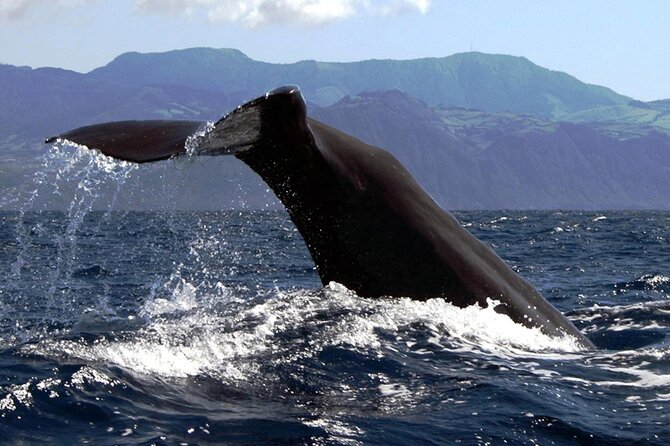
After the open-water viewing, you’ll head toward Vila Franca do Campo Islet. This stop is short—about 15 minutes—but it’s positioned like a bonus scene. You’ll get a photo stop and a pass by for close volcanic views and marine life viewing.
This is where the trip adds something a whale boat sometimes skips: context. You’re seeing a volcanic marvel and how the water shapes it, plus you’re still in a “watch the water” mindset rather than switching instantly into “tourist mode.”
Because the stop is brief, I’d treat it like a photo sprint. Bring your camera within easy reach, keep it protected from spray, and don’t spend your whole time searching for settings. With sea wind and salt air, the best photos often happen when you’re ready right as you turn the corner.
Returning to the marina: quick free time and how to use it well
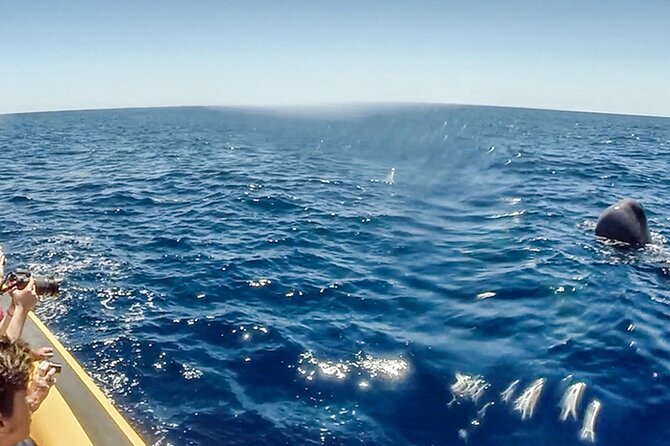
Back at Marina de Vila Franca do Campo, you’ll have a short window of about 15 minutes of free time. There’s typically shopping in the area, so you can grab a drink, a snack, or something small you forgot (like sunscreen you didn’t pack).
This quick landing time is also useful because you can recover a bit—dry off, change your posture, and swap out damp layers if you brought them. RIB tours go from “active” to “standing still” fast, so plan a little downtime in your body.
If the sea conditions were tough, use the marina moment to reset your comfort level before heading back to Ponta Delgada.
What to pack (and what to leave behind)
This tour is explicit about what you’ll want: water supply, sunscreen, chapstick, sunglasses, and warm clothing. Also, light food is permitted, so if you’re prone to hunger, bring something small and easy.
Your camera matters. The tour notes that a camera is essential and to protect personal equipment. That’s a real issue on RIBs—spray and wind are not gentle with exposed gear.
One more practical “don’t be a hero” item: if you normally get motion sick, this ride can hit fast. Some guests specifically warn that seasickness pills are a good idea. Since the tour does include speed and open-water motion, it’s smart to assume you’ll feel it.
Price and value: what $70 buys you in the Azores
At $70 per person for about 3 hours, you’re paying for three things at once: specialized wildlife searching, trained interpretation, and included safety gear.
The “included” part is not trivial. You get the guide, the experienced skipper, the RIB boat, and impermeable suits plus life vests. That reduces the usual costs and hassle of preparing for a boat outing in a windy marine environment.
You’re also paying for an approach that tries to do more than chase mammals. The tour description emphasizes biodiversity across birds, fish, and other sea life. The guide collecting field imagery and data signals a research-minded outing rather than a check-the-box cruise.
Is it worth it if you don’t see whales? The honest answer is: it can still be a great experience because you’re out on the water with interpretation, volcano scenery, and an islet pass. But if your whole trip depends on seeing a specific whale, you should temper expectations—this is nature watching, not a guaranteed animal show.
Who this tour fits best
This is a strong pick for you if:
- you want marine wildlife education with the action happening right away
- you like fast-moving itineraries where the crew looks for wildlife instead of sitting in one spot
- you’re comfortable with a RIB and willing to dress for wind and spray
- you enjoy “science in plain language,” not just generic narration
It’s not a good match if:
- you’re pregnant, have back problems, or have delicate health conditions
- you’re using a wheelchair (not suitable)
- you’re traveling with an unaccompanied minor, or your child is under 4
Ethical wildlife viewing (and why you’ll probably notice it)
A major theme in the feedback is how the guides and crew treat animals like wildlife, not props. The tour instructions emphasize careful approaching and keeping wildlife safe, and the guides are positioned to answer questions while you watch.
You may also see signs of a “care for the water” mindset. Some accounts mention extra actions like stopping once to pick up trash from the water. Whether or not that happens on your date, the overall tone is the same: watch without stressing, learn without rushing the moment.
That matters because it changes how you feel when the animals come close. You’re not just witnessing; you’re being taught how to witness responsibly.
Should you book this whale watching and islet tour?
Book it if you want a well-run Azores marine outing with real interpretation, included waterproof gear, and a plan that combines whale/dolphin searching with volcanic scenery around Vila Franca do Campo Islet. The guides—people like Frida, Sanne, and Marilou have been highlighted—plus skilled skippers such as Miguel, Dino, and Jorge sound like the kind of team that makes a short 3-hour adventure feel bigger than it is.
Skip it if you’re very prone to seasickness, you can’t handle choppy water, or the trip would feel stressful for you rather than exciting. This isn’t a slow sightseeing boat. It’s a wildlife mission, with speed when it needs to be fast and careful handling when animals show up.
If you’re on the fence, my advice is simple: pack for motion, keep a flexible attitude about what you’ll see, and show up ready to learn. When the ocean cooperates, this is one of the most memorable ways to experience São Miguel’s marine life—without turning it into a spectacle.
FAQ
Where do I meet for the Azores Whale Watching & Islet Boat Tour?
The meeting point is Terra Azul base at the Marina of Vila Franca do Campo, 4, 9680 São Miguel, Azores Islands.
How long is the tour?
The duration is about 3 hours. Starting times vary by availability.
How does the whale and dolphin search work once you’re on the water?
The trip includes a short briefing, then the boat goes to sea. Lookouts inland help locate wildlife, and the crew communicates directions via VHF radio. The boat travels initially at higher speed, then approaches carefully once animals are found.
What wildlife can I expect to see?
You’re on lookout for whales, dolphins, and other marine life like birds and fish. The tour notes that more than 27 cetacean species are possible to observe, and that sperm whales are resident alongside three dolphin species.
What is the islet stop like?
After the main viewing time, the boat tours around the Princess Ring Islet of Vila Franca do Campo for a close look at the volcanic scenery and resident wildlife, with a short photo stop and about 15 minutes total at the islet area.
What’s included in the price?
Included are a wildlife guide, an experienced skipper, a Zodiac RIB boat, impermeable full suit and life vest, all admissions and fees, and insurance.
What should I bring that isn’t included?
Bring your own personal water supply, sunscreen, chapstick, sunglasses, warm clothing, and a camera. Light food is permitted.
What languages are available for the live guide?
Live tour guide languages include Spanish, Dutch, English, Portuguese, Italian, French, and German (English is the official language, but accommodation depends on the team).
Is the tour suitable for everyone with mobility or health limits?
No. It’s not allowed or recommended for unaccompanied minors, pregnant women, people with weak back or delicate health conditions, children below 4 years old, and wheelchair users.
What if the weather is bad?
The tour is subject to weather and safety conditions and may be modified or canceled without prior notice.