REVIEW · MAUI
Whale Watching from Ma’alaea Harbor
Book on Viator →Operated by Pacific Whale Foundation · Bookable on Viator
Whales sing off Maui, and you can hear it. This Ma’alaea Harbor whale watching cruise is interesting because you’re not just looking for spouts—you’re learning from marine naturalists and listening via underwater hydrophones as humpbacks communicate. Two things I really like: the naturalist-led commentary (you get context for what you’re seeing), and the strong sighting promise of guaranteed whales or your next tour is free. One thing to keep in mind is that conditions and whale activity vary, so on some days you may see plenty of blows or more distant surfaces than you’d hoped.
You also get a bit of Maui logistics built in before the boat: a stop at the Maui Ocean Center and time around the Ma’alaea Harbor Shops. The price—$82.65 per person—can feel like a splurge, but you’re paying for staff time on the water plus that research-minded whale work vibe. If you’re travel-planning with a super tight schedule, just know the day doesn’t feel like a quick drive-and-go.
In This Review
- Key highlights worth showing up for
- First impressions at Ma’alaea Harbor
- The 2-hour humpback cruise: what it feels like
- Maui Ocean Center stop: smart context before the whales
- Ma’alaea Harbor Shops: a break that’s actually useful
- Marine naturalists and the hydrophone moment
- Boat comfort, group size, and rough-water reality
- The guarantee: how the next-tour offer actually helps
- Price check: what $82.65 buys you
- Tips that make your day smoother
- Who should book this whale watch from Ma’alaea?
- Should you book this Ma’alaea whale watching tour?
- FAQ
- How long is the whale watching portion?
- What does the tour cost?
- Are whale sightings guaranteed?
- Is Maui Ocean Center admission included?
- Do I need to bring drinks or is food included?
- Is hotel pick-up and drop-off included?
- Are children allowed?
- Is there a minimum age for alcohol?
- Is the tour canceled for weather?
Key highlights worth showing up for
- Underground listening tech: You’ll hear whale songs through underwater hydrophones, not just with your ears above water
- Naturalists on board: Expect trained marine naturalists to explain behavior and what you’re seeing
- Guaranteed sighting policy: If whales don’t show, you’re set up with a next-tour option
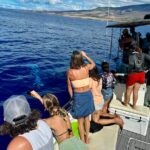
- Small-ish group for Maui boats: Maximum 70 travelers, which helps viewing more than you might expect
- A relaxed add-on before you sail: Maui Ocean Center time pairs well with humpback-focused learning
First impressions at Ma’alaea Harbor
Ma’alaea is a very practical part of Maui to base a whale trip. You’re not doing a long drive through winding roads to reach a backcountry pier. The meeting point is at 192 Maalaea Rd, and the day is organized so you can get your bearings fast and still have time to re-set before you head out.
The vibe is upbeat and mission-focused. This is run by Pacific Whale Foundation, a name that shows up again and again in whale watching on Maui for a reason: they treat the trip like more than a photo safari. That comes through in how the naturalists talk about humpbacks, and in how the crew tries to keep you oriented to what whales are doing and why it matters.
Also, the group size cap (up to 70) is a real factor. Big boats can mean limited sightlines. A cap like this won’t magically fix wind or waves, but it helps you feel less like you’re fighting for a window.
You can also read our reviews of more tours and experiences in Maui.
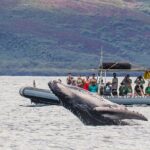
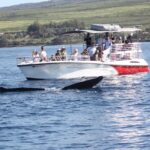
The 2-hour humpback cruise: what it feels like
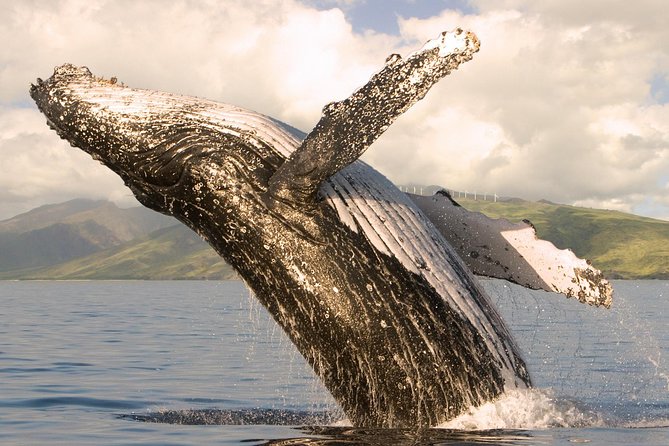
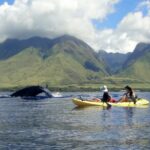
The main event is a cruise in the waters off Maui for about 2 hours, with certified marine naturalists on board. The big idea is simple: you’ll watch humpback whales in their natural habitat, and you’ll get explanations tied to behavior rather than random facts.
Here’s what you can usually expect during a good session:
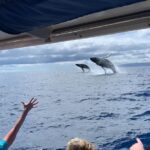
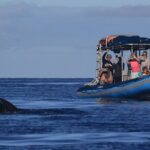
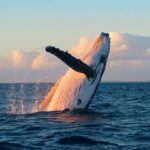
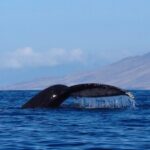
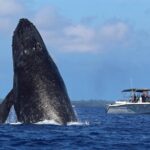
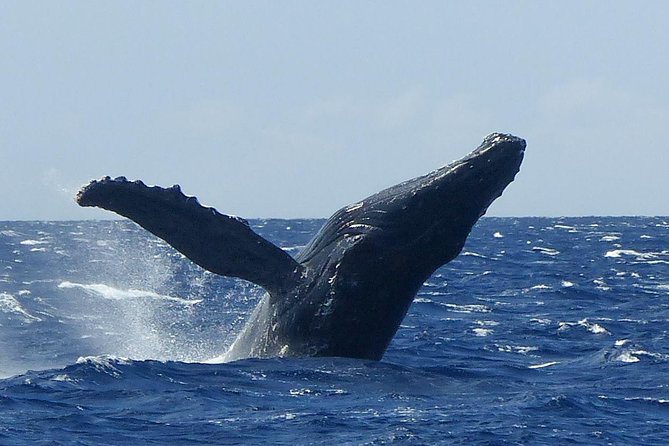
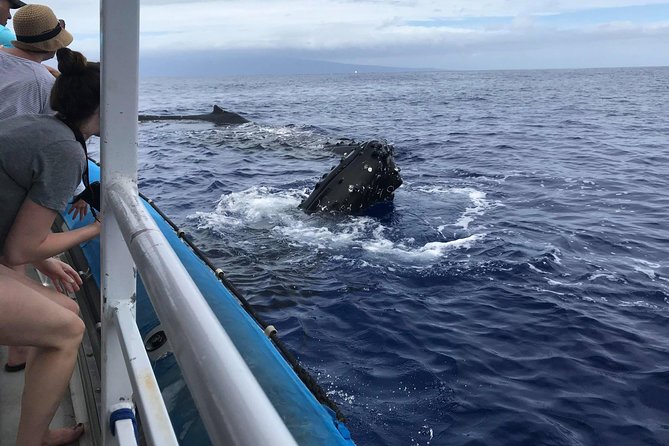
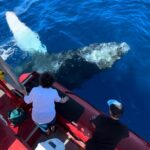
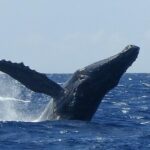
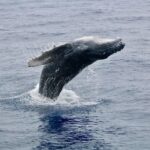
You might see adults close enough for the scale to hit you. On strong days, you can also spot calves and mothers, including surface action that looks like the whales are doing synchronized “check-ins” around the boat. Breaching and quick turns can happen when whales are actively feeding or moving through a hotspot. Even when whales aren’t right next to the vessel, you can still learn a lot—because the naturalist connects surface behavior to what’s likely going on underwater.
What makes this cruise stand out is the listening portion. The underwater hydrophones let you hear whale songs. That’s the moment when the trip stops being purely visual and becomes almost like a live documentary. It’s also a cool reality check for first-timers: humpbacks communicate in ways you usually don’t realize are happening in plain sight.
Maui Ocean Center stop: smart context before the whales
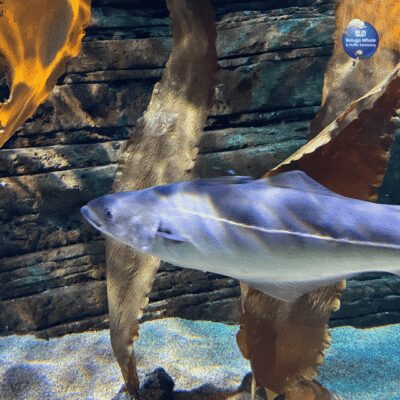
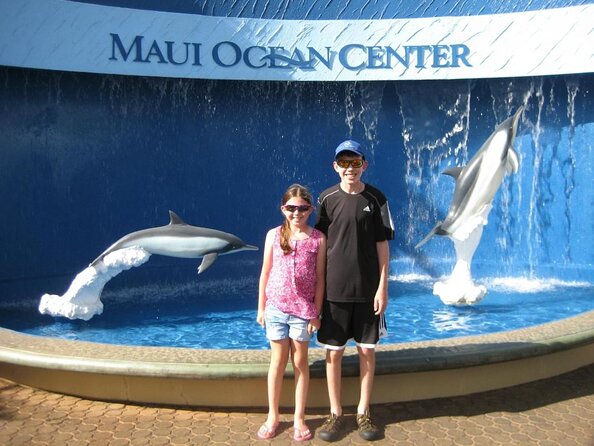
Before (or as part of) your time on the water, you have a stop at the Maui Ocean Center aquarium for about 1 hour. Admission isn’t included, so treat it like an optional enhancement you can use to set your brain to Maui ocean life.
I like this stop because it changes how you watch the sea during the cruise. If you’ve spent an hour looking at local marine life and learning about Maui waters, then the whale conversation on the boat lands better. It’s not required to enjoy whale watching—but it can make the whole day feel more connected.
Possible drawback: if you’re already short on time or you’re the type who hates “extra stops,” this hour can feel like a detour. In that case, you can still enjoy the cruise itself, but you’ll want to manage your expectations about the schedule and keep your energy ready for the boat.
Ma’alaea Harbor Shops: a break that’s actually useful
You also get about 30 minutes at Ma’alaea Harbor Shops. Admission is free here, and it’s basically your chance to grab a snack, use restrooms, or pick up last-minute items before you head out.
This stop is especially handy because whale watching days can be weather-dependent. If the ocean is a little unpredictable, you’ll be glad you used that time to get what you need so you’re not stressed once you’re on the water.
One practical note: don’t assume everything you want will be available on board. Some guests have mentioned paying for onboard items like snacks, so if you’re picky about food or you have dietary needs, plan to bring or buy what you want during the harbor time.
Marine naturalists and the hydrophone moment
This is where the tour earns its reputation. The team includes certified marine naturalists, and they’re not just there to name species. They explain what humpbacks are likely doing, how their behavior shows up at the surface, and what whale communication can sound like through the hydrophones.
From what I’ve learned from the naturalists’ style on similar Pacific Whale Foundation trips, they do a good job of answering the most common questions first: Are the whales feeding? Are they traveling? Why are they surfacing where they are? When calves are present, they help you interpret the patterns so you don’t just see a splash—you understand why it might be happening.
You may also hear from naturalists with real personalities that guests have praised by name—people have specifically mentioned a communicator named Jen for her enthusiasm and whale knowledge, and Richard has also been highlighted for crew expertise. You might not get the same person every time, but the consistent thread is that the commentary is detailed and genuinely helpful.
Boat comfort, group size, and rough-water reality
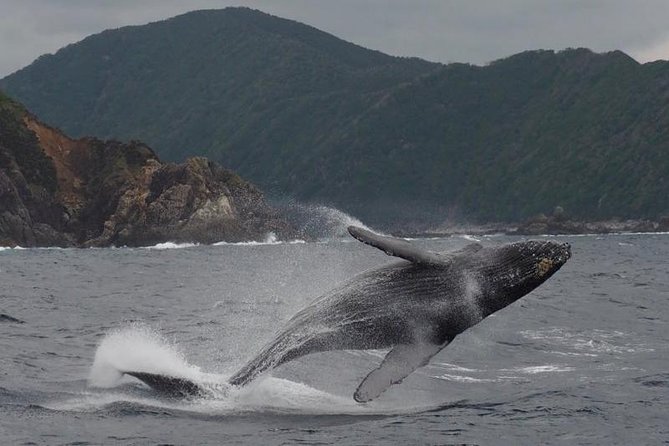
Whale watching in Maui is not a spa day. Even with professional crews and smart routing, wind and water conditions can make the boat feel like the ocean is in charge.
Some guests specifically called out that the day was windy and the water rough, and in those cases, safety stays the priority. That’s good news, but it also tells you something important: pack like you might need it.
A few practical points that matter:
- Group size can limit your viewing angles, especially if you’re on a busy boat.
- Seas can shift during the trip. If you’re even slightly prone to motion sickness, bring what you need.
- Binoculars can help if whales are farther out. Some boats offer binoculars for rent onboard, and that can be a lifesaver if you forget yours.
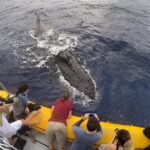
And yes, you’ll probably see whales close enough to feel amazed, sometimes in minutes after leaving the harbor. But the wild part is the wild part: not every trip is a fireworks show.
The guarantee: how the next-tour offer actually helps
The tour includes a whale sighting guarantee: guaranteed whale sightings or the next trip is free. On paper, that’s a big deal. In real life, it’s reassurance that your purchase isn’t just a gamble with no safety net.
A few things to understand about how to think about this:
- The guarantee supports your confidence in planning. It reduces the fear of booking and then getting little activity.
- Wild animals don’t follow schedules. So even with a guarantee, some days will have less action near the boat.
- If you’re picky about seeing whales doing lots of dramatic behavior close up, you should still come with flexibility.
I like the guarantee because it turns “maybe” into a plan you can feel better about. Still, I wouldn’t treat it as a promise that every whale will be at a perfect distance for your camera.
Price check: what $82.65 buys you
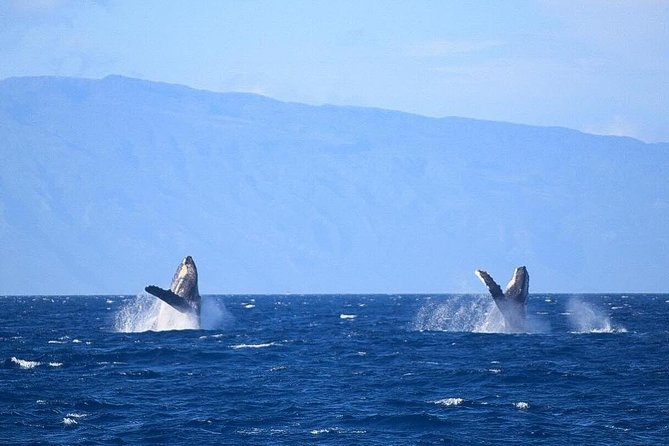
At $82.65 per person for roughly a 2-hour whale watching experience, this isn’t a budget activity. You’re paying for several real-world inputs:
- A crew that actively works to find whales
- Certified marine naturalists on board doing interpretation
- Fuel and operating costs for getting out into the whale zone
- Added equipment like hydrophones for whale song listening
When it’s a great day, it feels worth it because you get both the spectacle (breaches, close encounters) and the learning (why humpbacks do what they do). Multiple guests have described seeing many whales, including mothers and newborn calves, plus whale behavior that the naturalist explained in real time. That combination is what justifies the cost.
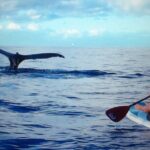
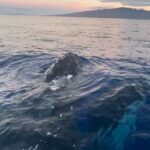
When it’s a so-so day, you might feel the price sting—especially if you hoped for constant close-up movement. One guest described whales as mostly visible as blows or tails from farther away, which is a reminder that distance and activity level are variable.
My take: if you’re in Maui for a limited number of days and you want the most whale-focused outing you can schedule, this is a good value. If you’re traveling slowly with lots of buffer time, you might shop around—but don’t assume cheaper always means better.
Tips that make your day smoother
I can’t control whale behavior, but I can control whether you enjoy the ride.
Pack basics:
- Rain gear or a light waterproof layer (weather can change fast)
- Motion-sickness prevention if you’re sensitive
- Sunscreen and a hat, even on breezy days
- A small snack plan for before you board (especially if you hate paying onboard prices)
Bring a mindset:
- You’re watching wild whales. Expect variety in what you see. Some days are “whales everywhere,” and some days are more subtle.
- Listen for the hydrophone moment. It’s often the most memorable “aha” even if the visual action is moderate.
And keep your expectations balanced about onboard extras. Some guests noted a push to buy photos or add-ons. If you’re not interested, just treat it like background noise and focus on the whales.
Who should book this whale watch from Ma’alaea?
This tour fits best if you:
- Want an experience that pairs humpback sightings with education
- Like the idea of hearing whale songs through underwater hydrophones
- Are okay with the reality that ocean conditions can affect visibility
- Appreciate a structured day that includes a Maui Ocean Center stop and time at the harbor
It may not be ideal if you’re the type who needs constant, close-up action from minute one. Even with the guarantee, whale behavior isn’t a TV show. Also, if you absolutely hate any kind of add-on stop (even a helpful aquarium hour), you may find the schedule a little too “tour-like.”
Should you book this Ma’alaea whale watching tour?
Yes—if you’re prioritizing humpback whales and you want a well-run outing with interpretive naturalists and a real whale-sighting safety net. The mix of marine naturalist commentary plus whale songs through hydrophones makes this more than just watching shapes in the water.
Book with two smart expectations: (1) you might see dramatic behavior near the boat, but (2) some days will be more distant or less active. If you can live with that, this tour is one of the stronger ways to spend a Maui day on the ocean—especially because you’re not leaving the experience without context.
If you want to maximize your odds of a great day, plan for weather changes, pack for wind and spray, and arrive ready to look longer than you think you will.
FAQ
How long is the whale watching portion?
The whale watching cruise is listed at about 2 hours.
What does the tour cost?
The price is $82.65 per person.
Are whale sightings guaranteed?
Yes. The tour includes a guarantee of whale sightings, or the next tour is free.
Is Maui Ocean Center admission included?
No. Maui Ocean Center is part of the itinerary, but admission ticket is not included.
Do I need to bring drinks or is food included?
Alcoholic drinks can be purchased, but drinks are not included. You should plan accordingly.
Is hotel pick-up and drop-off included?
No. Hotel pick-up and drop-off are not included.
Are children allowed?
Yes. Children must be accompanied by an adult. Children ages 4 and under are free, but you need to account for them in your booking.
Is there a minimum age for alcohol?
Yes. The minimum drinking age is 21 years old.
Is the tour canceled for weather?
Yes. The experience requires good weather. If it’s canceled due to poor weather, you’ll be offered a different date or a full refund.