REVIEW · MAUI
2-Hour Ma’alaea Humpback Whale Watching Cruise for up to 6 Guests
Book on Viator →Operated by Hawaii Nautical · Bookable on Viator
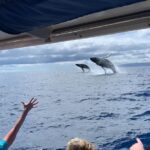
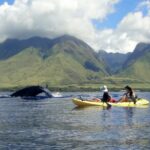
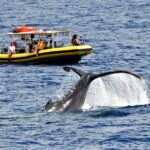
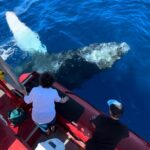
Humpbacks, small boat, zero stress. This Maalaea cruise pairs a limited group with a marine naturalist so you’re not just scanning water—you’re learning what you’re seeing. I love the way the crew works to put you in position for sightings fast, and you also get real context about whale behavior.
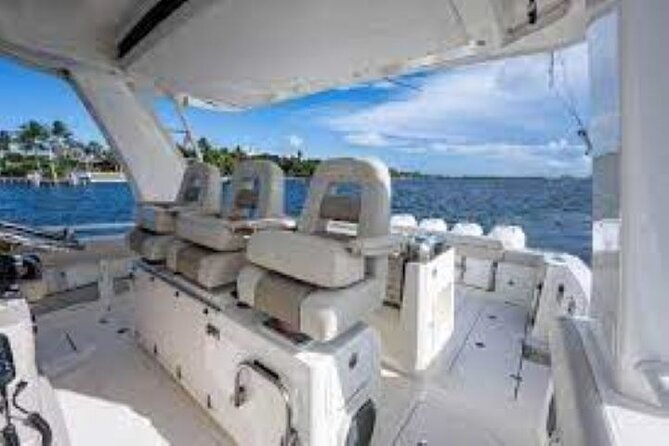
The ride also sounds built for comfort. Expect a stable, smooth 42-foot Boston Whaler style boat in feedback, plus binoculars and a restroom on board, with light snacks and non-alcoholic drinks included. The one drawback to plan for: whale action can vary day to day, and regulations keep boats at a safe distance, so you’re not chasing whales up close.
You’ll start at the historic Maalaea General Store, then head out for about two hours on Maui’s southern coast. Bring your own drinks if you want alcohol (BYOB is welcome in cans or plastic), and come ready for ocean weather to shape the route.
In This Review
- Key things I think you’ll notice
- Maalaea’s whale watch feels calmer than the big depots
- Your 2-hour game plan: check in, then scan for whales
- What the marine naturalist actually changes for your spotting
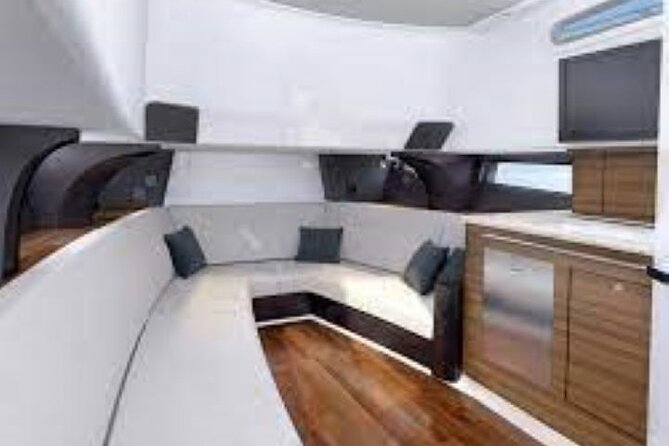
- The boat comfort details that matter in real life
- Stops you may pass and places the crew chooses based on the day
- Maalaea General Store (the 1910 check-in)
- Maalaea Bay and its famous surf break
- A lighthouse area and tide pools (weather-dependent)
- Molokini Crater: a classic ocean landmark
- Sugar Beach and Haycraft Park: long, scenic stretches
- Coral Gardens reef area: only accessible by boat
- Price and value: where the $279 goes
- Tips so you get more from the two hours
- Who this whale watch suits best
- Should you book Hawaii Nautical’s Maalaea humpback cruise?
- FAQ
- How long is the Maalaea humpback whale watching cruise?
- What is the maximum group size?
- Where do I meet for the tour?
- What’s included in the price?
- Can I bring alcohol on board?
- Are binoculars and a restroom available?
- Is tipping customary?
- What if I need to cancel or the weather is bad?
Key things I think you’ll notice
- Small group, up to 6 people: less crowd noise, easier viewing angles, and more attention from the crew.
- Marine naturalist on board: spotting tips plus whale behavior explanations that make sightings click.
- Whale-viewing help is included: binoculars provided for better scanning.
- Comfort basics are covered: restroom on board, light snacks, and non-alcoholic beverages included.
- $10 Maalaea General Store stipend: use it before you depart, right at the check-in spot.
- Route choices depend on conditions: locations are selected based on weather, ocean conditions, and your input.
Maalaea’s whale watch feels calmer than the big depots
Maui whale watching has a lot of options, but Maalaea has a different vibe than some of the more crowded areas. This tour keeps the group size tight—up to 6 people—so you’re not stuck sharing one cramped side of the boat.
I like that the experience is designed around real ocean time, not a long parade of announcements. You check in at the Historic Maalaea General Store, then head out with a captain and crew plus a marine naturalist whose job is to help you spot whales and understand what’s happening.
You can also read our reviews of more tours and experiences in Maui.
Your 2-hour game plan: check in, then scan for whales
This cruise runs about 2 hours. You meet at Maalaea General Store & Restaurant, 132 Maalaea Rd, Wailuku, HI 96793, and the tour ends back at the meeting point.
Before departure, you’ll use the built-in $10 stipend per person at the Maalaea General Store. That small detail matters more than it sounds: it helps you start the cruise fed and caffeinated, without scrambling for snacks right before you step on board.
You also get a mobile ticket, and confirmation comes at booking. Service animals are allowed, and the tour is offered in English, which makes the naturalist’s explanations easy to follow.
What the marine naturalist actually changes for your spotting
Whale watching gets a lot better when you understand patterns instead of just hoping for a breach. This cruise includes a marine naturalist on board, and the best part is how quickly that background helps you “read” the ocean.
In feedback, captains and staff explained behaviors like how a mother teaches her calf, and you can feel the difference when someone points out what to look for before the whale appears. I also like that they provide education while you’re on the move, not as a pre-recorded talk that you have to sit through.
There’s also an important practical side: whales aren’t predictable, and sea conditions change. The naturalist’s role is to sharpen your attention so that when the water starts doing something interesting, you recognize it immediately.
The boat comfort details that matter in real life
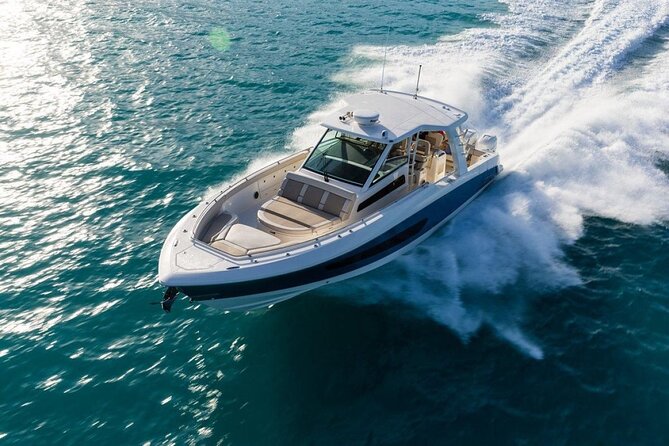
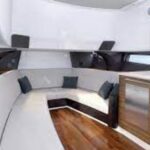
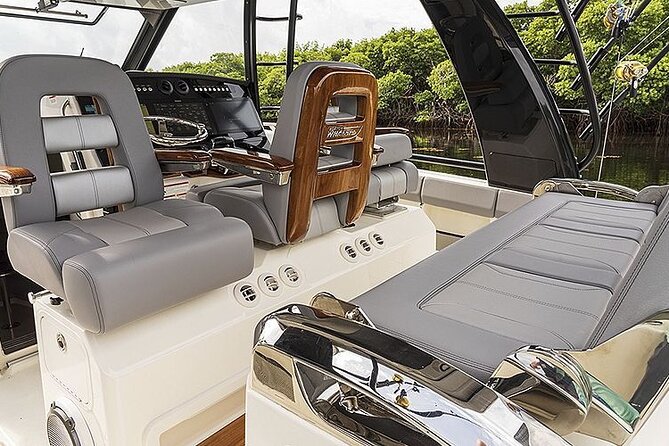
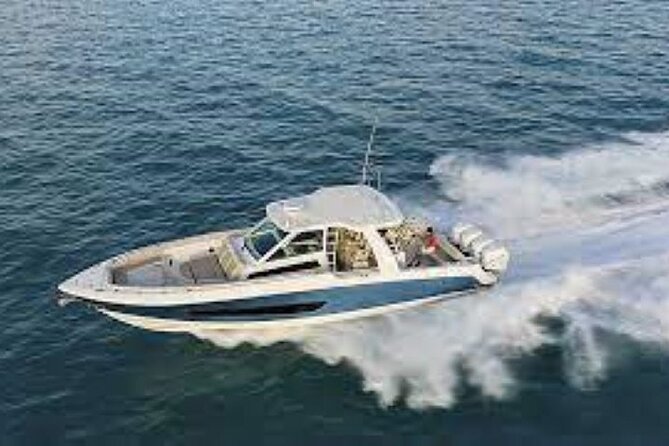
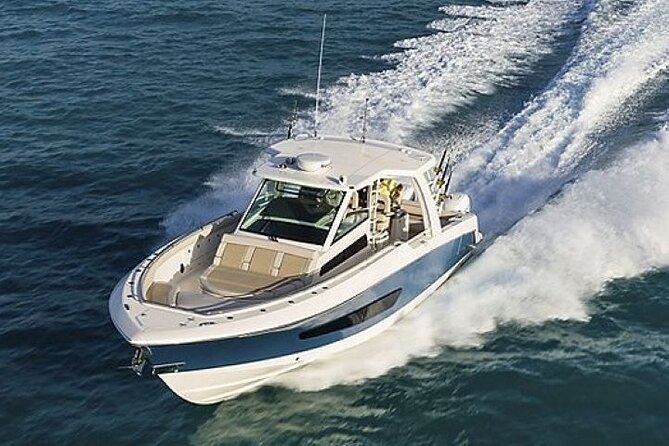
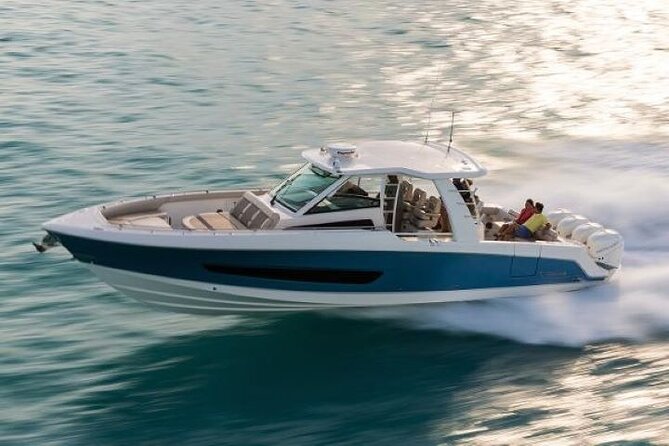
This isn’t a tiny skiff. People described a 42-foot Boston Whaler style boat, and multiple mentions point to smooth handling—even in choppy conditions.
That matters because motion sickness is one of those things that can quietly ruin whale time. If you’re sensitive, this kind of stable boat gets you a better chance of enjoying the full outing without white-knuckling it the whole way.
You’ll also have:
- Restroom on board
- Light snacks and non-alcoholic beverages included
- Binoculars provided for whale viewing
If you’re the type who always brings something to drink, the tour is friendly there too. BYOB is welcome, but you must bring cans or plastic only.
Stops you may pass and places the crew chooses based on the day
Even though this is a whale watch, you can expect scenic ocean-country moments along the way. The key phrase here is that the crew picks locations based on day’s best weather, ocean conditions, and your input.
That means two things for you:
1) You’ll spend more time where spotting is more likely to work.
2) Your exact route can shift, so keep your expectations flexible.
Maalaea General Store (the 1910 check-in)
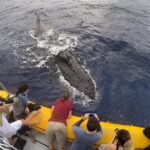
The tour starts at a wood-frame building built in 1910, constructed for the Maui Dry Goods and Grocery Company to serve the local fishing community and Wailuku Sugar Company employees. It’s also tied to the Japanese fishing community that developed in Maalaea Village.
Why I like this start: it gives you a local anchor before you go out on open water. You’ll have a chance to use that $10 stipend before you depart, which turns check-in into a useful break, not just a ticket table.
One caution: check in and use the stipend efficiently. You don’t want to get stuck browsing while the crew is ready to go.
Maalaea Bay and its famous surf break
Out at Maalaea Bay, you’ll get a feel for the coastline and the ocean that humpbacks use as a highway. The bay stretches about three miles, and it’s known for a surf break called Freight Trains.
Even if you’re not watching surfers, it helps you understand why this area is a solid place to look for marine life. When the ocean is active (currents, swell, breaks), it’s often easier to find the “tells” that whales are nearby.
A lighthouse area and tide pools (weather-dependent)
You may also make time for a lookout near a lighthouse with a short path that leads to a secluded tide pool and jagged coastline with rock formations. Exact locations are chosen by weather and conditions.
This is a nice change of pace, especially if the water is calm enough for scenic stops. The tradeoff is that ocean conditions drive what happens; if seas are rough, the crew may prioritize whale-spotting positions over extra sightseeing.
Molokini Crater: a classic ocean landmark
One of the named areas is Molokini Crater, a partially submerged volcanic crater between Maui and Kaho‘olawe. If conditions line up, it’s the kind of spot that creates big-picture ocean context while also placing you near productive water.
Real-world note: don’t assume you’ll spend a long time here. The cruise is still primarily about whales, and the route can shift to match where sightings are happening.
Sugar Beach and Haycraft Park: long, scenic stretches
The itinerary also references Sugar Beach, a six-mile beach with fine white sand in the Maalaea Bay area. It’s described as good for swimming, snorkeling, kayaking, canoe paddling, and long walks—and people can watch for whales and green sea turtles from the shore.
Haycraft Park is also mentioned as part of a long uninterrupted stretch of beach along with Baby Beach and Sugar Beach.
How this helps your whale watch: if you’re scanning from multiple angles and locations, having coastal areas like this in the mix can improve your chances of spotting surface activity. The “drawback” is the ocean is still the boss—so what you see depends on the day’s conditions.
Coral Gardens reef area: only accessible by boat
Finally, there’s Coral Gardens, a natural reef formation described as accessible only by boat and located in a protected bay on the west side of Maui, south of Lahaina and Olowalu.
For this specific tour, you should think of Coral Gardens as part of the ocean scenery and positioning, not as guaranteed snorkeling time. Still, it’s a reminder of how varied the water can be around Maui—and why a professional crew watching conditions matters.
Price and value: where the $279 goes
At $279 per person for about two hours, this is not the budget end of Maui whale watching. So here’s the value math I’d use before booking.
You’re paying for:
- A small group (up to 6 people) rather than a packed boat
- Professional captain and crew
- Marine naturalist guide
- Binoculars provided
- Restroom on board
- Light snacks + non-alcoholic drinks included
- $10 stipend at the Maalaea General Store before departure
That package matters because whale watching isn’t just a ticket. It’s time on the water, attention from people who know where to look, and comfort that keeps you engaged.
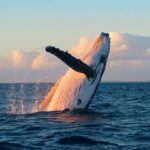
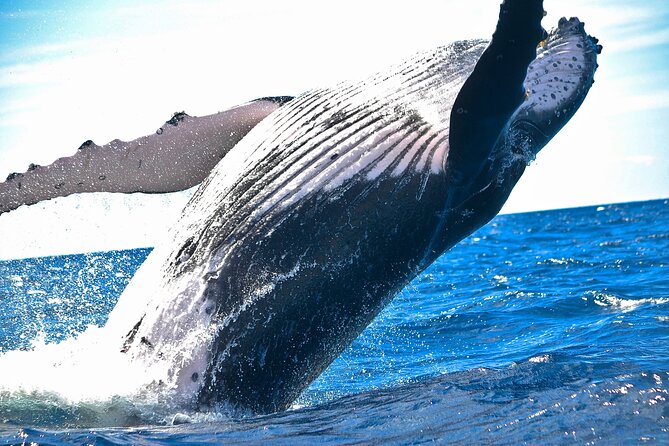
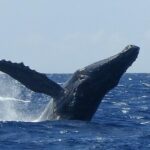
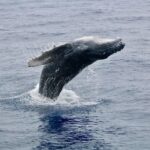
In several reports, the smooth ride and the speed of finding whales came up as major wins. One family-style highlight included whales within the first 10 minutes, with behavior described in detail. Another couple emphasized multiple breaches and close-to-the-action moments from a safe distance.
Tips so you get more from the two hours
This is the kind of tour where small choices can pay off big.
First, plan for the ocean. Even though the boat is described as stable, weather can still mean choppier water and harder spotting. If you’re motion sensitive, bring what you normally use for boat rides.
Second, use the whale-viewing gear. Binoculars are provided, so don’t treat them like an optional extra. When you see activity, zoom in and track movement, not just the first splash.
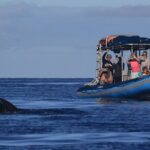
Third, don’t expect the boat to crowd the whales. The cruise keeps a safe distance (one description notes around 100 yards), so the best strategy is to watch the whale’s behavior as it comes into view, not to wait for a dramatic close approach.
Fourth, if you can choose timing, think about your preferences. One piece of advice from feedback: early morning or sunset may offer more action than a mid-day slot. That doesn’t guarantee more breaches, but it can change the mood of the day and the way whales surface.
Who this whale watch suits best
This cruise is a good fit if you:
- Want a small group and a calmer atmosphere
- Learn best with a marine naturalist explaining what you’re seeing
- Care about comfort basics like a restroom and snacks
- Prefer a boat ride that aims for stability rather than a bouncy slog
It’s also a strong pick for couples and families who want whales without turning the day into a long logistics puzzle.
If you’re chasing a very specific type of whale action (like lots of breaches at close range), keep expectations flexible. Whale behavior is up to the whales, and safety rules keep distance consistent.
Should you book Hawaii Nautical’s Maalaea humpback cruise?
I’d book it if you value focused spotting, a small cap, and guided learning as much as the sighting itself. The combination of a marine naturalist, binoculars, restroom, snacks, and the $10 Maalaea General Store stipend makes it feel like a complete, well-run two-hour outing rather than just a ticket to look around.
Skip it or rethink timing only if your schedule only allows a window you strongly suspect will be rough at sea, or if you’re chasing guaranteed big displays. Even then, you’re still likely to see whales, and the crew’s job is to put you where the odds are best that day.
If you’re deciding between a crowded boat and this smaller setup, I’d pick the smaller group every time—because watching whales is easier when you can actually position yourself.
FAQ
How long is the Maalaea humpback whale watching cruise?
The cruise lasts about 2 hours.
What is the maximum group size?
The tour has a maximum of 6 travelers.
Where do I meet for the tour?
Meet at Maalaea General Store & Restaurant, 132 Maalaea Rd, Wailuku, HI 96793.
What’s included in the price?
Included are a professional captain, crew, and marine naturalist guide; light snacks and non-alcoholic beverages; a $10 stipend per guest to use at the Maalaea General Store before departure; a restroom on board; and binoculars provided for whale viewing.
Can I bring alcohol on board?
Alcoholic beverages are not included, but BYOB is welcome. Bring your own beverages in cans or plastic only.
Are binoculars and a restroom available?
Yes. Binoculars are provided for whale viewing, and there is a restroom on board.
Is tipping customary?
A 20% tip for the crew is customary and appreciated if you enjoyed your experience.
What if I need to cancel or the weather is bad?
You can cancel for a full refund up to 24 hours in advance. If the tour is canceled due to poor weather, you’ll be offered a different date or a full refund.