REVIEW · MAUI
Whale Watching Maui: 2-Hour Small Group Raft Tour from Lahaina
Book on Viator →Operated by Dive Maui · Bookable on Viator
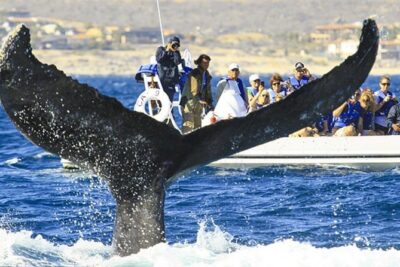
One of the best ways to spot humpbacks is close at sea. This 2-hour small-group raft trip from Lahaina heads into the Maui Nui whale sanctuary for a chance at real, in-your-face humpback action, with 360-degree viewing and a hydrophone for whale song. It’s a simple, focused outing designed around getting you eye-to-tail with migrating whales.
I like that the format stays intimate: the crew runs a maximum of 20 on board, and people note how small the raft feels once you’re out there. I also like the onboard touch that makes whale watching feel different, not just scenic: you can listen to calls through the hydrophone and speakers, which helps you “hear” what you’re scanning for.
One consideration: like any wildlife trip, whales set the pace. If conditions are rough or activity is low, you may get rescheduled by weather, and no boat can force whales to breach on demand.
In This Review
- Key Things I’d Bet You’ll Notice
- Why This Lahaina Raft Whale Watch Works So Well
- From Lahaina Out to Maui Nui: What the 2-Hour Plan Feels Like
- Whale Song in Real Time: Hydrophone and Speakers
- The Crew’s Role: Captain + Marine Naturalist Teaming Up
- Comfort Details That Matter on a Raft
- Weather Reality: What Happens When the Ocean Won’t Cooperate
- Price and Value: Is $80.60 Worth It?
- Who This Tour Fits Best (And Who Should Skip It)
- Packing Tips for a Smooth, Scanning-Ready Trip
- Should You Book This Whale Watching Raft Tour?
- FAQ
- How much is the whale watching tour from Lahaina?
- How long is the tour?
- Where do I meet for the tour?
- How many people are on the raft at most?
- What whale-watching gear is included?
- Do they provide rain gear?
- Is there a guarantee that you’ll see whales?
- What happens if bad weather affects the trip?
- Are there limits for kids, pregnancy, or drinks?
Key Things I’d Bet You’ll Notice
- Maui Nui whale sanctuary route built for humpback mating and birthing season
- Whales-seen guarantee: see them or take another trip for free
- Hydrophone + speakers so you can hear whale songs
- Small-group raft layout with better sightlines than big-tour boats
- Rain ponchos, reef-safe sunscreen, and filtered/bottled water for comfort
- Built for a calmer pace with a cap of 20 travelers and a family-friendly vibe (with age limits)
Why This Lahaina Raft Whale Watch Works So Well
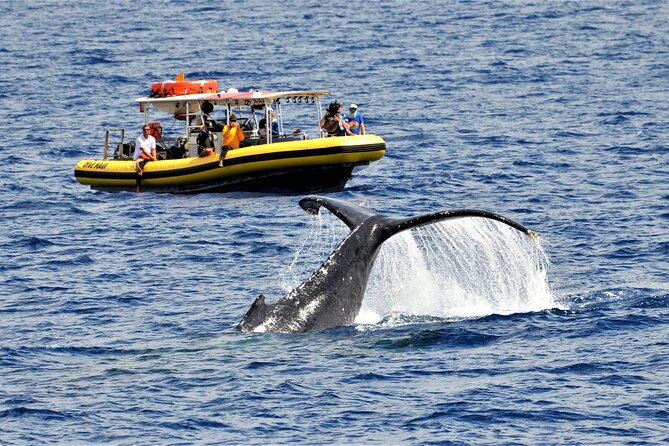
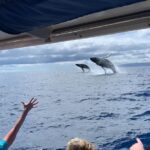
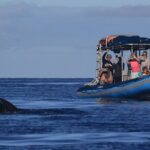
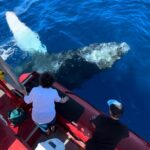
If you’re coming to Maui for humpback whales, the main question is simple: how do you turn a long ocean scan into something you’ll actually remember? This tour’s answer is the raft format. A custom-built inflatable raft sits low and feels agile, so the crew can reposition when they find activity. That matters because whale watching is not one straight line of boredom. It’s cycles: search, spot, pause, drift, then move when the whales decide to go elsewhere.
The second thing that changes the experience is sound. On this trip, you get a hydrophone and speakers designed to pick up whale calls in a way you can share with the whole group. When you’re listening while you scan, the ocean feels less random. You’re not only looking for movement on the surface—you’re tracking a living underwater soundtrack.
And yes, the tour is built around humpback season. During winter, humpbacks migrate to Maui-area warm waters to mate and give birth. This excursion is timed and routed to that reality: you head out toward the Maui Nui whale sanctuary, where those behaviors are exactly what you’re hoping to see.
You can also read our reviews of more tours and experiences in Maui.

From Lahaina Out to Maui Nui: What the 2-Hour Plan Feels Like
This is a straightforward run: you meet in Lahaina, check in, ride out to whale areas, spend focused time watching, then head back to the same meeting point. Expect about 2 hours on the water.
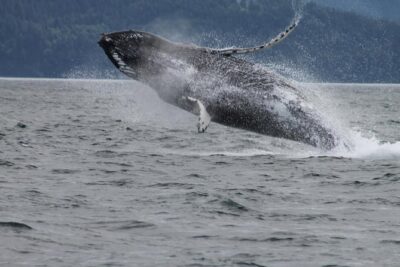
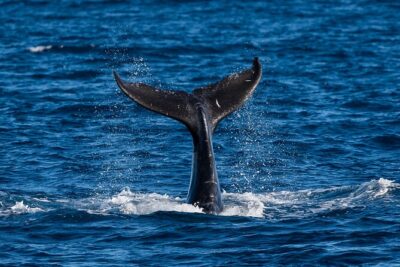
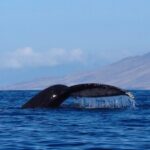
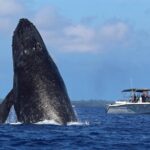
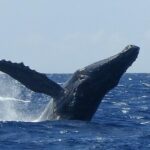
Here’s what makes the timing feel right. Two hours is long enough to find whales and let the moment play out, but not so long that you lose patience if the ocean decides to be quiet. People who like this tour tend to highlight the same theme: the scanning and repositioning keeps you engaged. When whales are active, you’re not stuck waiting while the boat far ahead “might” see something. The raft format helps the crew react quickly when they spot tails, splashes, and the classic humpback movements.
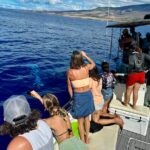
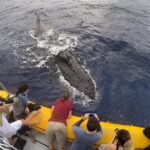
Also, the setup aims for truly full-circle viewing. The tour notes 360-degree views and every seat being a front-row option on the raft. In real terms, that means you’re not packed behind one person’s shoulder line, and you’re not forced to play ocean-can’t-lean-back roulette.
Whale Song in Real Time: Hydrophone and Speakers
Some whale watches are all eyes. This one gives you ears too, which is a big deal on calm days. You’re provided a hydrophone and high-quality speakers, letting you hear whale singing and calls from the water. That adds a layer of context: you can often feel like you’re “in the conversation” rather than just waiting for a breach.
If you’re photographing, the sound also changes how you shoot. Instead of only firing off bursts when you see movement, you can watch for subtle signals—then confirm with what you hear. It’s not magic, but it helps you stay present and methodical.
From the way guides describe and operate the hydrophone experience, it seems designed to be shared. The sound isn’t just a solo perk. It’s part of the whole tour flow, paired with the crew’s whale spotting and explanation.
The Crew’s Role: Captain + Marine Naturalist Teaming Up
A good whale watching captain isn’t just a driver. They’re a spotting-and-positioning specialist, constantly balancing whale behavior, safety, and where you’ll actually get a clear view. On this tour, you’re working with an experienced captain and a Marine Naturalist who helps translate what you’re seeing.
In multiple recent write-ups, the same names come up again and again: Captain Will, Captain Joe, Naturalist Renee, and Naturalist Brian (plus other crew members mentioned by name). The pattern is consistent. The crew doesn’t just point. They answer questions, explain what humpbacks are doing, and keep the group aware of what to watch for next—whether that’s mothers with calves, escort activity, or surface behavior tied to feeding and mating.
This matters for value. A whale encounter can be stunning even if you know nothing. But when someone explains the “why” behind the behavior, you leave with a deeper memory, not just a photo.
Comfort Details That Matter on a Raft
On a small raft, comfort is not just a nice-to-have. It changes how long you can stay focused and ready to react.
Here are the onboard and near-onboard comforts that show up in the tour details:
- Rain ponchos provided on rainy days, so light weather doesn’t end your chance to enjoy the outing.
- Water is included (the tour lists bottled water, and also filtered water with paper cups to reduce plastic waste).
- Reef safe sunscreen is provided, which is helpful when you forget the basics and don’t want to burn through your planned day.
- Service animals are allowed.
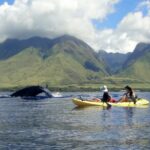
And about the boat size: even with a max of 20, people specifically note how uncrowded it feels compared with big commercial operations. One mention highlights a day with around 8 people onboard, which is the kind of small-group scenario that makes scanning the horizon feel effortless rather than chaotic.


Weather Reality: What Happens When the Ocean Won’t Cooperate
The tour requires good weather. That’s not a sales line—it’s the nature of going out on water in winter conditions. If conditions are unsafe or the ocean is too rough, the operator may reschedule. In the feedback you can read, the rescheduling process is described as timely and professional.
This is worth planning around. If you’re on a tight Maui schedule, I’d treat whale watching like a priority and aim for early bookings in your trip window. If you’re flexible, you’ll usually have an easier time catching a weather-friendly slot.
Also, keep expectations aligned with what wildlife does. The whales choose the behavior, not the boat. Even on a strong day, you’ll see different levels of activity. That said, this tour adds a layer of protection: there’s a guarantee to see whales, or you can take another trip for free. That doesn’t eliminate the natural ups and downs, but it does reduce the risk of walking away feeling cheated by randomness.
Price and Value: Is $80.60 Worth It?
At $80.60 per person for about two hours, this isn’t the cheapest way to see humpbacks from Maui. The question is what you’re buying beyond motion on the ocean.
For me, the value case comes from four places:
- Small-group format (max 20) with a raft layout that supports real sightlines.
- Sound included via hydrophone and speakers, which many tours skip.
- Named expertise from a captain and a Marine Naturalist team, plus Q&A that actually helps you interpret what you’re seeing.
- Whales-seen guarantee, which is rare and directly addresses the biggest fear—showing up and getting skunked.
If your goal is a casual sunset cruise with a chance at wildlife, you could spend less elsewhere. If your goal is a structured whale hunt with extra senses and strong odds, this price can make sense. The best value is when the group is small and the whales are active—because then you get both the intimacy and the action.
Who This Tour Fits Best (And Who Should Skip It)
This tour is family-friendly, and it’s the kind of activity many first-time whale watchers enjoy because it’s focused and time-efficient. But the tour also lists clear participation limits:
- No children under 3
- No pregnant persons
- Most people can participate otherwise
- Service animals are allowed
So who I’d point toward this tour?
- Families with kids older than the minimum age
- Couples who want small-group comfort instead of big-bus crowding
- Anyone who wants a more educational whale watch, with a Naturalist on board
- People who care about sound and not just visuals
If you’re traveling with someone who can’t meet the age or pregnancy limits, plan a backup activity on land for the day. The operator does mention weather can affect whether the outing happens, so having a Plan B is smart.
Packing Tips for a Smooth, Scanning-Ready Trip
This is a sea day where you want to be practical, not precious.
Bring:
- A camera or phone with a strap or secure grip (you’ll be scanning constantly)
- Sunglasses and a hat for glare
- A light layer for wind, even if the sun is out
Use what’s provided:
- Reef safe sunscreen is on board
- Ponchos are available if it rains
- Water is included, so you don’t need to carry bottles
If you’re BYO alcohol, note the rule: alcohol is allowed only if you follow the no-glass requirement. That’s the kind of detail that matters for safety and getting through the day without hassles.
And if you’re chasing the best viewing mindset, here’s the trick: treat it like a hunt. Look for the whole scene—tails, small sprays, and patterns—then confirm with the hydrophone moments when the crew cues them.
Should You Book This Whale Watching Raft Tour?
Book it if you want:
- A small-group whale watch with better sightlines
- Hydrophone whale song included
- A crew that actively helps you spot humpbacks, not just drive to wherever
- A real safety net in the form of a whales-seen guarantee
Skip or rethink it if:
- Your schedule is so tight that a weather reschedule would ruin the day
- You’re expecting whales to behave on a strict timetable (wild animals don’t do that)
- You need access options beyond what’s listed (for example, the pregnancy and young-child limits)
For most Maui whale watchers, this tour is a strong choice because it pairs the right tools—raft layout, small group size, and sound—with the main goal: seeing humpbacks clearly during their winter Maui migration.
FAQ
How much is the whale watching tour from Lahaina?
The price is $80.60 per person.
How long is the tour?
It runs for about 2 hours.
Where do I meet for the tour?
The meeting point is at 1223 Front St, Lahaina, HI 96761 (the operator is listed there at Hawaiian Rafting Adventures).
How many people are on the raft at most?
The tour has a maximum of 20 travelers.
What whale-watching gear is included?
You get a hydrophone and high-quality speakers, plus bottled or filtered water and paper cups.
Do they provide rain gear?
Yes. Rain ponchos are provided on rainy days.
Is there a guarantee that you’ll see whales?
Yes. If you don’t see whales, you can take another trip for free.
What happens if bad weather affects the trip?
The tour requires good weather. If it’s canceled due to poor weather, you’ll be offered a different date or a full refund.
Are there limits for kids, pregnancy, or drinks?
Children under 3 can’t join, and pregnant persons can’t participate. Alcohol is BYO, but no glass is allowed.