REVIEW · MAUI
Maui Eco-Raft Tour: Eye-Level Whale or Dolphin Watching – Lahaina
Book on Viator →Operated by Hawaii Ocean Rafting · Bookable on Viator
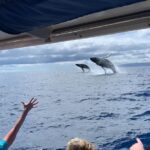
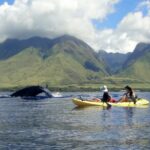
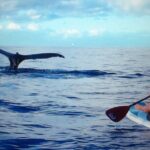
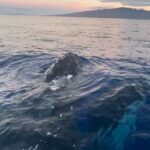
Eye-level whale watching in Lahaina hits different. You cruise on a low-water zodiac raft built for real sightlines, then get guided narration from a marine naturalist plus hydrophone listening when whales are in season. It’s a small-group, eco-focused way to spot migrating humpbacks (winter) or dolphins (summer) without the usual big-boat feel. The main drawback: encounters are in the wild, so up-close sightings are never guaranteed—and this one isn’t suitable for pregnant people or kids under 3.
I especially like how the guides work to keep everyone in the action. When wildlife is spotted, the raft stops for better viewing and photos, and the crew manages the group so you’re not stuck behind someone’s head. Second, the hydrophone adds a neat extra layer: it turns whale watching into whale listening, so you’re not guessing what you’re seeing.
Plan your day around a quick check-in and a prompt departure. You have to arrive 30 minutes early and be ready for boarding that requires physical mobility, plus you’ll likely get wet even when the weather looks fine from shore.
In This Review
- Quick hits before you book
- Why this eye-level zodiac raft works so well in Lahaina
- Winter humpbacks vs summer dolphins: what changes by season
- Front Street check-in: the 30-minute rule you can’t ignore
- The 2.5 hours you’re really buying: Lahaina search to Maui sightings
- Hydrophone whale songs: why the sound part matters
- What happens when you get the whales: photos, photo stops, and crowd comfort
- Comfort and gear: sunscreen rules and getting pleasantly drenched
- Snacks and allergies: what’s included on dolphin days
- Who this tour is best for (and who should skip it)
- Value check: is $85.16 a good deal for 2.5 hours?
- Setting expectations: the wild part of whale watching
- Should you book this Lahaina eco-raft whale or dolphin tour?
- FAQ
- What animal season should I plan for on this Maui Eco-Raft Tour?
- Where does the tour start and end?
- Is the hydrophone included for whale songs?
- What should I bring for sun and weather?
- Are snacks included?
- What if weather ruins the day?
Quick hits before you book
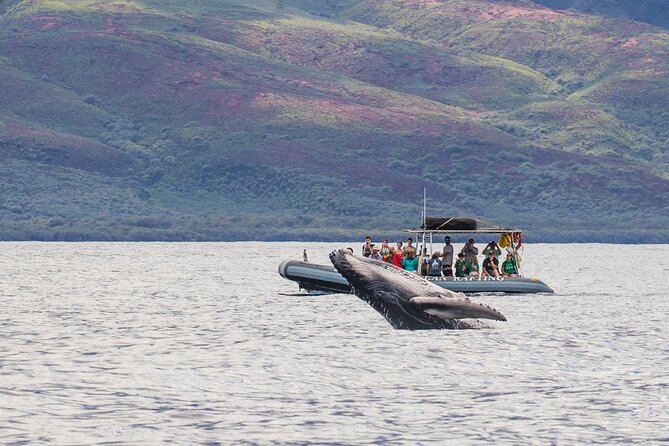
- Eye-level raft viewing: you’re close to the water for easier whale and dolphin spotting
- Marine naturalist narration included: you’ll get ecosystem context, not just a running commentary
- Hydrophone for whale songs (seasonal): listen for real whale vocalizations in whale season
- Small group size (max 25): more room to see, less crowding than larger vessels
- Safety limits matter: no pregnancy; no kids under 3; not suited for back/neck injuries
- Bring reef-safe sunscreen only: reef-safe rub-on sunscreen is required, and shade varies
Why this eye-level zodiac raft works so well in Lahaina
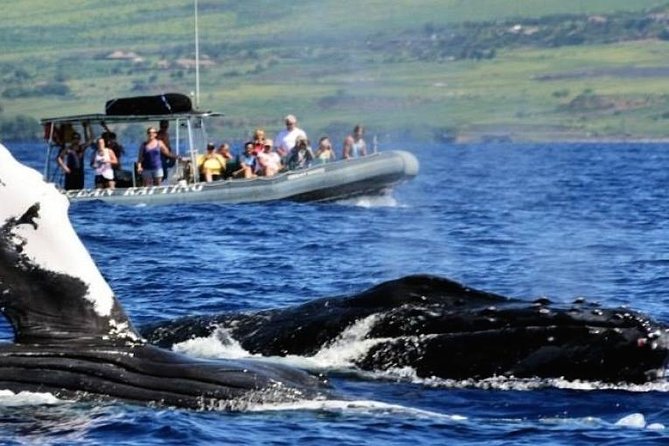
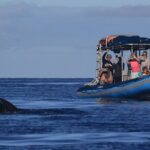
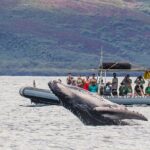
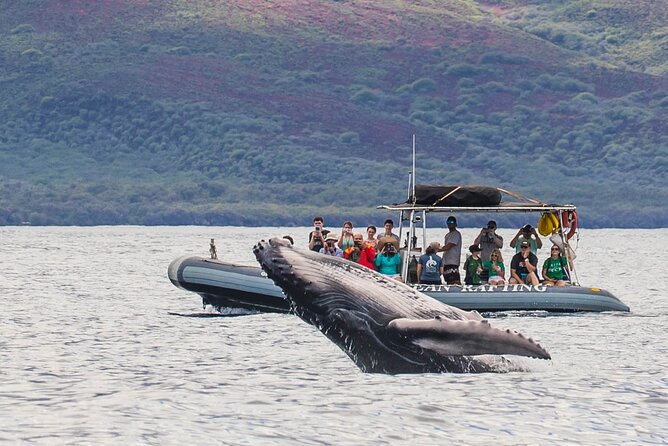
Lahaina whale watching has one big problem: from higher decks, you often end up watching the ocean… through distance. This tour solves that with a small, low-to-the-water zodiac raft. The viewing height matters. When a whale comes up, you want your eyes to be level with the action, not looking down at it.
There’s also a practical benefit to the raft style. The crew can maneuver to where the whales are, and you’re not fighting the slow turning circle of a bigger boat. In the wild, timing changes fast. If you’ve ever watched a whale surface and disappear before you got your camera aimed, you know why this “close to the water” format pays off.
The tour is also built for engagement. You’re not stuck in rows watching a screen. You’re on a vessel designed for eye-level scanning, and the marine naturalist keeps the trip moving with live observations and ecosystem explanations.
One more thing I appreciate: life jackets are provided for emergencies, but they’re not required to be worn during the tour. That helps keep movement comfortable while still staying safety-minded.
You can also read our reviews of more tours and experiences in Maui.
Winter humpbacks vs summer dolphins: what changes by season
This is a seasonal Maui experience with two different “front doors.”
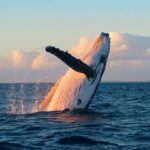
- December to April: focus shifts to humpback whale watching. Your hydrophone is used to listen to whale songs, and the guides look for whales actively using the area.
- Summer months: the tour pivots to dolphin watching plus coastal sightseeing. The dolphin option also includes snacks and beverages.
That seasonal switch is more than marketing. It changes what you’re paying attention for. In whale season, the hydrophone adds sound to the experience, and the crew often spends time tracking whale activity patterns. In summer, you’re watching for dolphins and enjoying coastal scenery, and the inclusion of snacks helps make it feel more like a relaxed ocean outing.
If you’re traveling outside the peak whale months, don’t assume you’re getting a lesser version. Dolphins can be just as fun to spot, and the coastal component gives you that “Maui coastline in real life” context instead of only scanning for a single species.
Front Street check-in: the 30-minute rule you can’t ignore
The tour departs from 1223 Front St, Lahaina and ends back at the meeting point. That means you’re planning a tight, shore-based schedule instead of waiting on hotel pickup.
You’ll want to build in buffer time because the operator leaves promptly. You must arrive 30 minutes prior to boarding or you risk missing the tour. Also, the meeting area can be a little tricky if you arrive at the last second, and parking around Front Street can be limited—so I’d treat this like a “get there early” activity, not a “we’ll be fine” activity.
Boarding location requires physical mobility, so this is not a casual hop-on-and-off situation. Plan on moving carefully and with balance.
A few practical tips that keep this smoother:
- Wear slip-on shoes. Multiple people mention taking shoes off for boarding, so your setup matters.
- Bring a light layer. Even when it’s warm, the ocean breeze can feel colder once you’re moving.
- If you’re sensitive to motion, sit where you’ll have the clearest forward view. Small-raft tours are more interactive, so posture choice helps.
The 2.5 hours you’re really buying: Lahaina search to Maui sightings
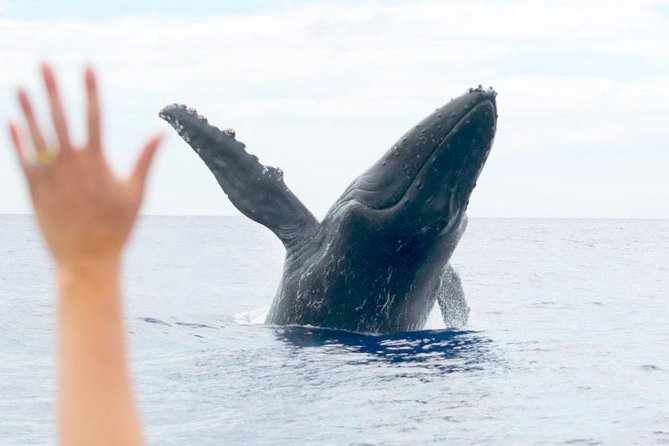
The tour runs about 2 hours 30 minutes and is built around finding wildlife, staying with it when possible, and then returning to shore.
First stop: Lahaina. This is where your scanning begins. You’ll be out in the water soon after boarding, and the crew starts looking for where the whales (or dolphins, in season) are actively surfacing or moving through the area. In practice, the “search” phase sets the tone. If you arrive prepared with patience and the right gear, it feels like part of the fun rather than downtime.
Second stop: Maui waters (where sightings happen). Once the crew locates activity, you’ll experience the best part: the raft stops when whales are seen for better viewing and photos. This is where eye-level matters most. When a mother and calf or a cluster of dolphins comes into view, you don’t just get a glimpse—you get time to watch behavior.
The tour ends by taking you back to shore at the same meeting point. That keeps it simple on your day plan—no long transfers, no complicated end-of-tour logistics.
Also remember: up-close wildlife encounters are not guaranteed. The crew can do everything right, but animals are still choosing where they surface and how long they stay nearby.
Hydrophone whale songs: why the sound part matters
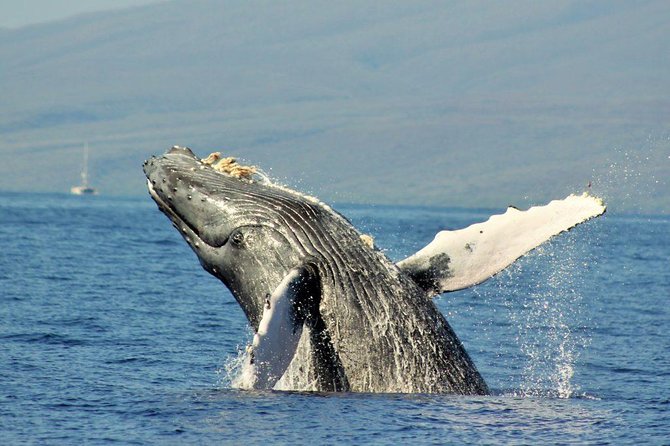
If you only think of whale watching as visual, this tour adds something you’ll remember longer: it can include hydrophone listening for whale songs in whale season.
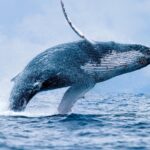
Humpback whales are vocal, and many of the most powerful whale moments aren’t just about seeing the spout—they’re about hearing the pattern and understanding that the ocean is full of communication. The marine naturalist narrates what you’re likely hearing and connects that behavior to the broader Hawaiian ecosystem.
This is also why the narration feel matters. In the best moments, you’re not just being told facts—you’re being taught how to watch. Guides like Captain Jack and marine naturalists such as Jess (and other named crew members like Olivia and Zach) are repeatedly highlighted for guiding attention to what’s happening right now, not just reciting trivia.
Bottom line: hydrophone listening can turn a good whale watch into a whale experience you talk about later.
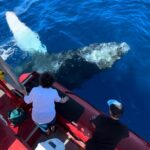
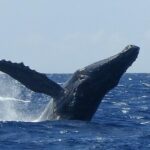
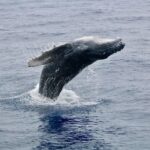
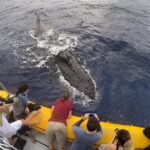
What happens when you get the whales: photos, photo stops, and crowd comfort
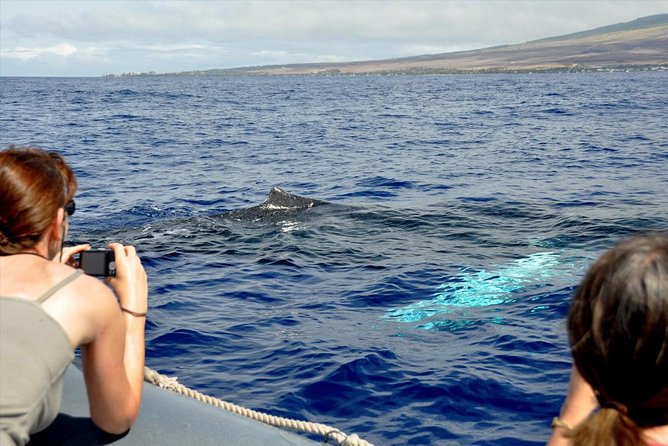
This tour is built for close views, but it’s also built for sharing the raft space.
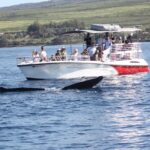
When whales are spotted, the raft is stopped. That gives you time to reframe your photos, adjust your angle, and just watch. It also keeps the experience from feeling rushed. If you’ve ever had a sighting last less than a minute, you know how much difference a “stay with it” moment makes.
Small-group size matters here too. With a maximum of 25 travelers, you usually get better sightlines than you’d get on larger excursions. People are close enough to feel the energy, but not packed so tight that only the front row sees the action.
And yes, you should plan to get wet. This is a low-water boat, and ocean spray and light rain are part of the deal. Expect “comfortable wet,” not “ruined clothes” unless you show up unprepared.
Comfort and gear: sunscreen rules and getting pleasantly drenched
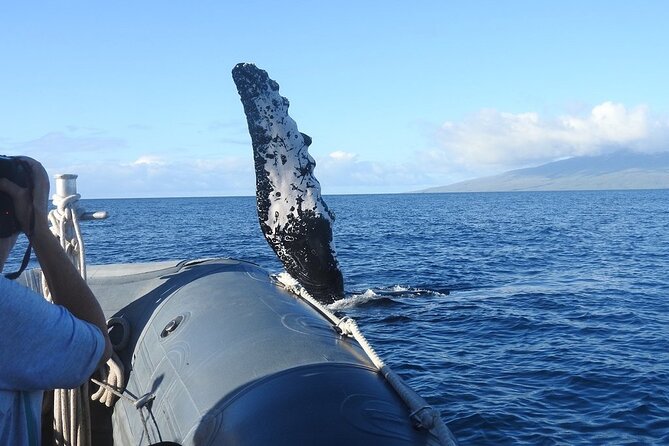
Ocean weather is unpredictable in Maui. This tour is honest about that: plan to get wet. Light rain and spray can happen.
Here’s what I’d bring based on what’s actually important on this raft:
- Sun protection: a hat and sunglasses help a lot.
- Reef-safe sunscreen only: the rule is reef-safe rub-on sunscreen. Regular spray sunscreen isn’t allowed.
- A light rain layer or jacket: if it’s cool or rainy, a warm layer helps.
- Water-friendly clothes: consider quick-dry basics. The spray adds up.
- Slip-on shoes: because boarding can involve removing shoes.
Shade is not guaranteed. The amount varies on the boat, so don’t plan your comfort entirely around finding shade.
One more comfort note: life jackets are provided for emergencies, not required to wear all the time. That keeps movement easier while still giving you safety support.
Snacks and allergies: what’s included on dolphin days
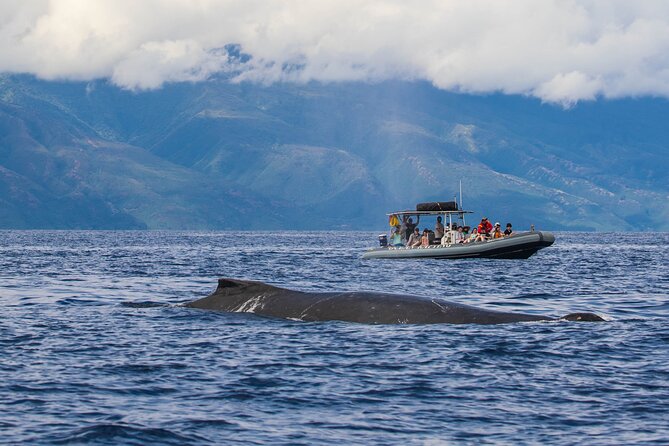
If you book the dolphin watching option, snacks and beverages are included. That’s a nice perk for a 2.5-hour outing—especially on days when you’ve been on the road all morning.
If you choose the whale watching option, the provided details don’t clearly state that snacks are included, so treat snacks as part of the dolphin offering specifically.
There’s also an important allergen disclosure: the operator can’t guarantee that menu items are free of allergens due to possible cross-contact. The list includes common allergens such as gluten, tree nuts, peanuts, shellfish, fish, soy, eggs, dairy, and wheat. If you have a known severe allergy, notify the team in advance and bring your required medication (like an EpiPen) as appropriate.
Who this tour is best for (and who should skip it)
This is a great fit if you want:
- Eye-level wildlife viewing from a small zodiac raft
- A marine naturalist telling you what to look for
- A trip that feels intimate and active, not passive
- A mix of ocean scenery and real wildlife focus (especially in summer)
It’s not a good fit if you:
- Are pregnant (not suited for safety reasons)
- Have back/neck injuries (not suited)
- Need to bring babies or children under 3 (not permitted)
- Have trouble with physical mobility for boarding
You’ll also want to be realistic about up-close moments. Encounters vary in the wild, and the crew does their best, but you’re not booking a controlled animal show.
Value check: is $85.16 a good deal for 2.5 hours?
At $85.16 per person for roughly 2.5 hours, the price sits in the “premium but not outrageous” zone—mostly because you’re paying for three things that are hard to copy on a cheaper tour:
- Eye-level raft viewing (more actual whale/dolphin contact time)
- Marine naturalist narration (guided interpretation changes how you experience the ocean)
- Hydrophone whale songs in season (a standout add-on)
You also get a small-group feel with a max of 25 travelers. If you’ve ever sat through wildlife viewing where only some people can see, you’ll recognize why a smaller vessel costs more.
So if whale watching is a priority for your Maui trip—and you want a format designed for close sightlines—this price is easier to justify than it first appears.
Setting expectations: the wild part of whale watching
The best advice is simple: treat this like a serious ocean hunt, not a vending machine.
Up-close sightings are not guaranteed. Sometimes the search takes longer than you’d like. But when the whales are there, the guides work to keep you with the activity and give you time to watch behavior.
A detail I love in how this tour runs: the crew stops when whales are spotted. That increases the chance you’ll actually see key moments rather than just getting a brief “there it is” flash.
If weather is rough, you may also need to be flexible. The experience requires good weather. If it’s canceled due to poor conditions, you’ll be offered another date or a full refund.
Should you book this Lahaina eco-raft whale or dolphin tour?
I think you should book this if:
- You want eye-level wildlife viewing and don’t want to fight for sightlines
- Whale watching (or dolphins in summer) is a top activity for your Maui trip
- You’re comfortable with the reality of getting wet and spending a bit of time searching
Skip it if you:
- Can’t meet the age and safety requirements (no kids under 3, no pregnancy, not suited for certain injuries)
- Want an indoor-style, dry, low-movement experience
- Need guaranteed up-close encounters
If your goal is a memorable Maui ocean experience with real guidance and a raft built for seeing, this is a strong choice.
FAQ
What animal season should I plan for on this Maui Eco-Raft Tour?
You can enjoy whale watching from December to April. During summer months, the tour shifts to dolphin watching and coastal sightseeing.
Where does the tour start and end?
The tour starts at 1223 Front St, Lahaina, HI 96761, USA and ends back at the same meeting point.
Is the hydrophone included for whale songs?
Yes. The tour includes a hydrophone to listen to whale songs (in whale season).
What should I bring for sun and weather?
Bring sun protection like a hat and sunglasses, and use reef-safe rub-on sunscreen only. Also plan to get wet due to ocean spray and possible light rain.
Are snacks included?
Snacks and beverages are included on the dolphin tour option. There is also an allergen warning for onboard food handling, and they can’t guarantee items are free from common allergens.
What if weather ruins the day?
This experience requires good weather. If it’s canceled due to poor weather, you’ll be offered a different date or a full refund. You can also cancel for a full refund up to 24 hours in advance; later than that isn’t refunded.