REVIEW · MADEIRA
Madeira Dolphin & Whale Watching Tour
Book on Viator →Operated by Ventura Nature Emotions -Day Tours · Bookable on Viator
Madeira’s whales come with speed. This RIB tour pairs a marine biologist’s talk with real-time spotting off Funchal, plus Madeira coast views that stay impressive even when the sea is doing its own thing. I also like that you get a clear intro on safety and how sightings work before you head out.
One thing to keep in mind: the ride can run shorter than the longer cruise promises, and weather can mean rougher water or route changes, so go with the sea first mindset.
In This Review
- Key points before you go
- Meeting at Cais 8, Marina do Funchal
- A semi-rigid RIB cruise with a skipper and marine biologist
- Finding dolphins and whales: what the search really feels like
- Respectful close-ups: the rules that protect the animals
- Madeira’s coastline from the water: scenery plus motion
- Timing: 2.5 hours on the water, with possible variation
- Wildlife sightings: what you might see (and what to do if you don’t)
- Boat fun, plus little touches that add up
- Price and value: is $58.05 worth it?
- Who should book this Madeira dolphin and whale watching tour
- Should you book this tour in Madeira?
- FAQ
- How long is the Madeira Dolphin & Whale Watching Tour?
- Where does the tour start in Madeira?
- Is the tour offered in English?
- What wildlife can I expect to see?
- What happens if weather is poor?
- How big is the group?
Key points before you go
- Marine biologist commentary on the water so you know what you’re seeing
- Eye-level viewing from a semi-rigid RIB for that close-up feeling
- Respectful wildlife rules like limited boats around animals and short viewing windows
- Several departure times so it can fit your Madeira plan
- Good-value package for a 2.5-hour outing that mixes action, education, and scenery
Meeting at Cais 8, Marina do Funchal
Your trip starts at VENTURA | Nature Emotions, Cais 8, Marina do Funchal in São Martinho. It’s an easy area to find if you plug in the exact meeting point and plan to arrive a little early so you can get checked in without stress. The tour includes a mobile ticket, which is handy when you’re juggling camera gear and cold drinks.
This is also the kind of start that matters: you’ll get set up for what’s next. After boarding, there’s an introductory briefing covering safety, what to expect during sightings, and how the crew handles conditions at sea.
You can also read our reviews of more tours and experiences in Madeira.
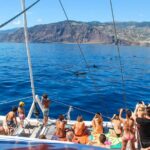
A semi-rigid RIB cruise with a skipper and marine biologist
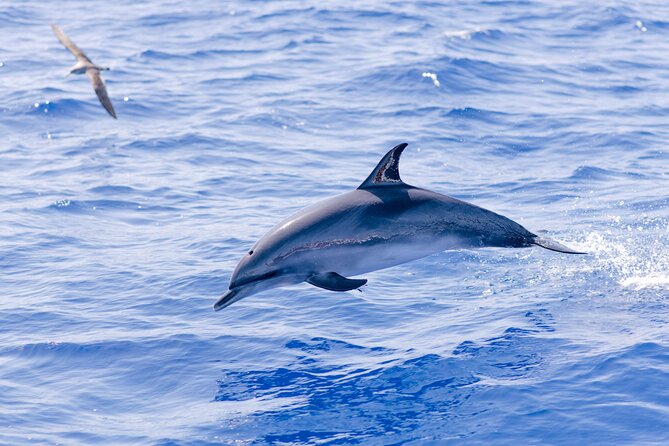
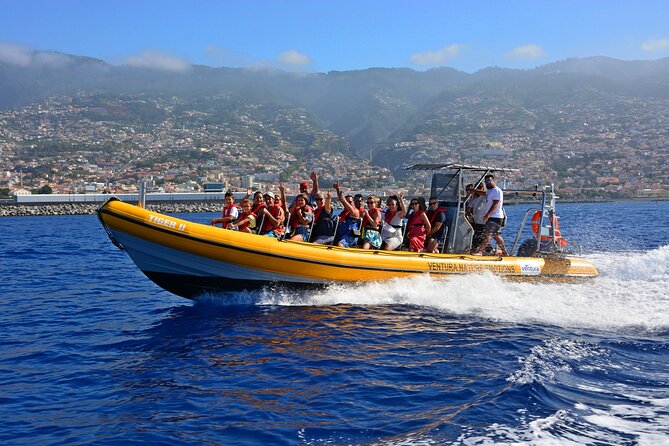
Once you’re underway, the format is simple: the skipper drives, the marine biologist explains what’s happening, and everyone scans for wildlife. The boat is a semi rigid guided RIB, which tends to be fun and fast in a way that makes the coastline feel closer. It’s also the setup that helps you reach where animals are feeding or traveling.
What I like about the team approach is the two-way flow. You’re not just getting facts from a microphone while you stare into the ocean. You’ll usually learn what to watch for, then you’ll see it play out, which makes every sighting feel less random.
People mention guides by name, too, and you may hear commentary from educators like Raquel, or from crew members including Marco and Alex. That mix of friendly guidance and marine focus seems to be part of the experience, not an extra add-on.
Finding dolphins and whales: what the search really feels like
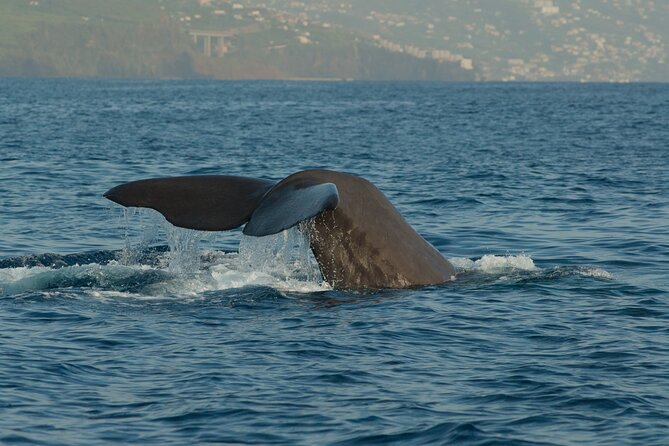
The heart of this tour is the hunt for whales and dolphins in their natural habitat. The crew looks for signs, then adjusts to where sightings happen. When wildlife pops up, you can go from cruising to full attention in seconds.
One practical detail: if the sea is choppy, you’ll still be in scanning mode. Several people noted that the captain pushed ahead when the conditions improved enough to spot animals. That’s a good reminder that the crew’s job is to balance safety with opportunity, and they’re watching wildlife cues, not just following a strict script.
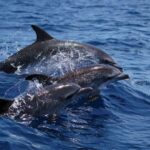
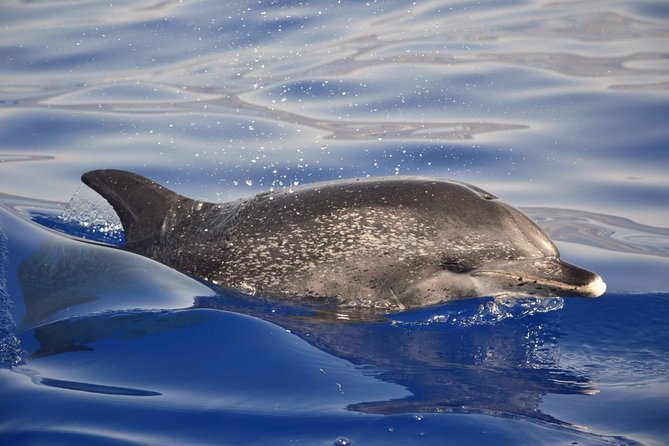
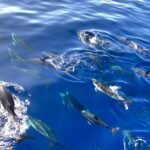
Even when the bigger animals aren’t spotted, the outings can still be packed with action. Reviews include trips focused on dolphins, with sightings of species such as bottlenose dolphins and Atlantic spotted dolphins, and sometimes huge dolphin groups. That’s why I’d book this as a wildlife cruise first, and a whale guarantee second.
Respectful close-ups: the rules that protect the animals
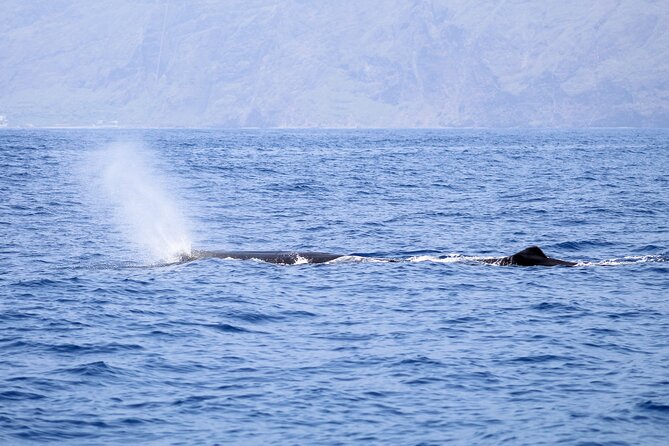
If you care about seeing wildlife without turning it into a circus, this is the right kind of operation. There are clear guidelines about how boats behave around cetaceans. One example shared is that there are rules limiting boats around the animals, and that time near animals is kept short, around 10 minutes, to reduce stress.
What you should take from those rules is simple: the goal is respectful viewing and better odds of quality sightings. You’re likely to get that close-up “at eye level” feeling people rave about, but you’re not sitting there for ages. Instead, you’re watching animals do their thing while the crew manages distance, time, and approach.
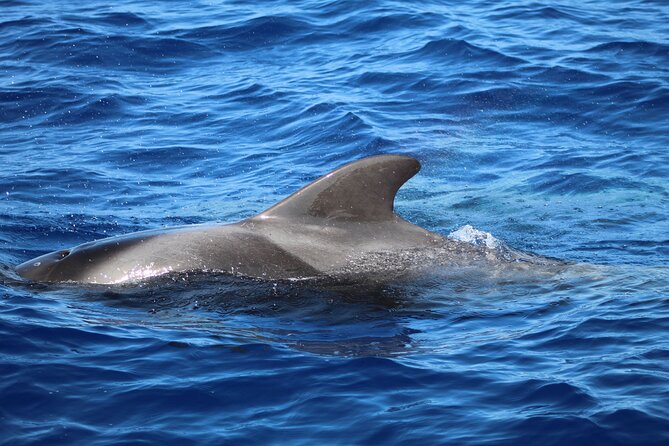
People also point out that the crew watches for more than just the big target. That’s how you can end up with mixed sightings, from pilot whales and common dolphins to other ocean life that may appear while the boat is in the right area.
Madeira’s coastline from the water: scenery plus motion
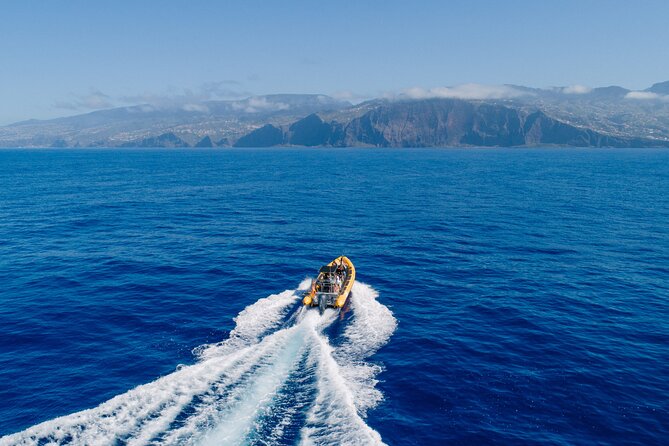
Sailing off Madeira is part of the payoff, even if you came mainly for whales. The cliffs, headlands, and city shoreline look different when you’re moving along them on a RIB instead of watching from land. You’ll get a steady stream of ocean views, and the angle from the water makes Funchal feel like it has a second face.
The tradeoff is motion. A speedboat can feel exhilarating, but it also means you should dress for wind and changing conditions. One very practical tip from past riders: bring a wind breaker, because the ocean breeze can make it chilly once you’re out past the marina area.
And if you’re sensitive to seasickness, take it seriously. A common suggestion is to bring seasickness medicine, because even when the engines change pace, the boat can still rock. You don’t want to spend the best part of the cruise feeling queasy.
Timing: 2.5 hours on the water, with possible variation
The tour runs about 2 hours 30 minutes in typical planning. That’s a sweet spot: long enough to travel out from the harbor and have real chances, short enough that you’re not wiped out afterward. Plus, the operator offers several sail times, so you can often pick a departure that matches your Madeira rhythm.
That said, timing can vary. Some people found their outing returned closer to two hours than the longer advertised window. Don’t treat it as a promise down to the minute. Instead, plan your day with a little flexibility so the tour ending a bit early or late doesn’t mess up your dinner or your next activity.
Wildlife sightings: what you might see (and what to do if you don’t)
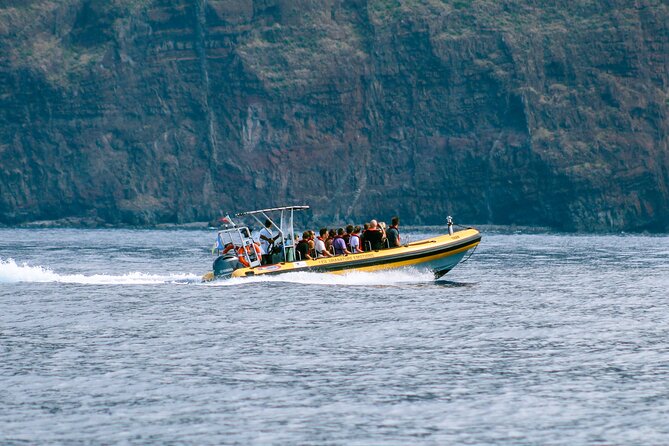
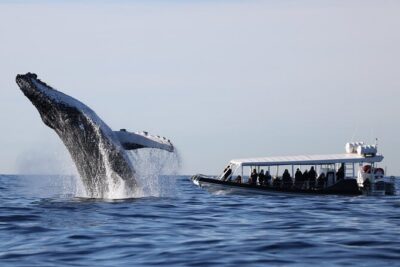
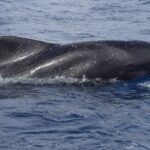
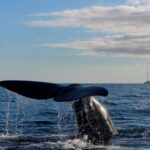
The tour focuses on cetaceans, and the main promise is whales and dolphins out in their natural habitat. From the experiences shared, common possibilities include pilot whales, bottlenose dolphins, and Atlantic spotted dolphins. There are also mentions of sperm whales, plus other sea life like turtles and even an occasional hammerhead shark sighting.
Here’s the useful mindset: don’t judge the tour only by whether you catch a whale. Dolphins are often easier to spot, and when you find a pod, you may spend meaningful time with them. One person described an experience with huge dolphin groups, with constant energy around the boat, which is exactly what makes this kind of trip memorable even without a whale breaching nearby.
If you end up with fewer sightings, it’s still worth noticing how the crew works. A strong tour is one where the guides keep searching, keep communicating, and adjust based on what the sea offers that day.
Boat fun, plus little touches that add up
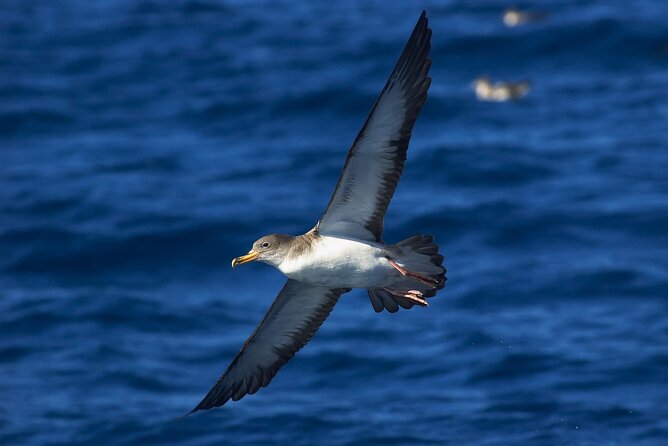
A RIB is already a fun way to get onto the water, but the experience can include extra moments. One rider mentioned the crew doing playful turns around the harbor at the end, like a burst of joy after the wildlife search. It’s not something I’d count on every time, but it fits the overall vibe of the operation.
There’s also a sustainability angle that shows up in small actions. People mention the crew helping pick up plastics and general debris from the ocean during the trip. It’s not a substitute for responsible behavior on land, but it’s a tangible reminder that the boat team is paying attention to the environment they’re cruising through.
Price and value: is $58.05 worth it?
At $58.05 per person, you’re paying for three things at once: expert guidance, a semi-rigid RIB ride, and time on the water where wildlife might appear. For Madeira, that’s a realistic price range for a guided cetacean search because the fuel, crew, and wildlife-focused operation add up fast.
Where it feels like good value is in the way the tour is run. You’re not just buying a seat and hoping luck strikes. You’re getting a marine biologist’s explanation, safety briefing, a guided search process, and a boat built for getting close (without crowding animals). Reviews also highlight the combination of knowledgeable narration and strong organization, which usually matters more than the boat type alone.
If you’re comparing options, use a simple test: would you still enjoy the ride and the scenery even if the whale sightings are brief? If the answer is yes, this price makes sense. If you’re treating it as a whale guarantee, you’ll likely feel disappointed on a day when the cetaceans stay far from the route.
Who should book this Madeira dolphin and whale watching tour
This tour fits best if you want action on the water and you like learning as you go. It’s also a good match for families, including kids, since a RIB can feel exciting and the crew tends to keep people informed. Past experiences include parents traveling with children who enjoyed both the ride and the animal spotting.
It’s also a solid choice if you care about respectful wildlife rules. The limited-time, limited-boat approach is exactly how you want an operator to behave when you’re chasing animals that can’t relocate on your schedule.
Before you go, consider your comfort level with wind and motion. If you’re very sensitive to choppy seas, dress warm, plan for seasickness prevention, and pick a departure time that works best for your day.
Should you book this tour in Madeira?
I think you should book it if you want a short, high-energy wildlife cruise from Funchal with a marine biologist explaining what’s happening, plus the chance to see dolphins and possibly whales. The mix of close viewing, respectful behavior toward animals, and the scenery from the coastline makes it easy to feel like you got your money’s worth even when the day isn’t perfect.
I’d pause if you’re chasing a specific whale species with zero flexibility. This is an animal-in-nature outing, so sightings vary by day. But if your goal is to spend real time out on the water learning and spotting, this is one of the more practical and fun ways to do it.
FAQ
How long is the Madeira Dolphin & Whale Watching Tour?
The tour lasts about 2 hours 30 minutes (approx.).
Where does the tour start in Madeira?
The meeting point is VENTURA | Nature Emotions, Cais 8, Marina do Funchal, São Martinho, 9000-055 Funchal, Portugal.
Is the tour offered in English?
Yes, the tour is offered in English.
What wildlife can I expect to see?
The tour is focused on whales and dolphins. From past experiences, people have mentioned sightings such as pilot whales and bottlenose dolphins, plus other dolphin species like Atlantic spotted dolphins.
What happens if weather is poor?
This experience requires good weather. If it’s canceled due to poor weather, you’ll be offered a different date or a full refund.
How big is the group?
The tour has a maximum of 30 travelers.