REVIEW · MAUI
Private Paddleboard (SUP) Whale Watch: All Skill Levels Welcome
Book on Viator →Operated by Paddle On! Maui Private Tours · Bookable on Viator
Whales, on your paddle. This private SUP whale watch pairs hands-on instruction with the chance to see Hawaiian humpbacks off Maui’s Wailea–Makena coast, starting at Makena Landing Park. I love that you get a lesson built in for beginners and that your guide will stay with you for every paddle, not just at the start; I also love the personal feel that comes with a private group and the Hawaiian context your guide shares (Brittany stood out for combining instruction with local history). One thing to plan around: you need moderate physical fitness and the operator runs only with good weather, so conditions matter.
This is the kind of outing where “pace” becomes part of the experience. You’re on the water for about two hours, and since it’s private, mixed skill levels can be more relaxed than you’d expect. The location also puts you in the right zone for the Hawaiian Humpback Whale National Marine Sanctuary, so your time is spent where the whales tend to show up—rather than just cruising around hoping.
In This Review
- Key Things to Know Before You Go
- Why SUP Whale Watching Works So Well Off Maui
- Makena Landing Park: Your Starting Line and First Real Check-In
- The Lesson Phase: How Beginners Can Actually Feel Ready
- On-Water Time: What the Two Hours Really Feel Like
- Where You’re Looking: Humpbacks in the Sanctuary Zone
- Mixed Skill Levels in a Private Setting (And Why It’s a Win)
- Price and Value: Is $189 Per Person Fair?
- Weather, Timing, and What Might Change
- Who This SUP Whale Watch Fits Best
- Should You Book This Private SUP Whale Watch?
- FAQ
- FAQ
- How long is the SUP whale watch?
- Where does the tour start?
- Is this a private tour or do I share with strangers?
- Do beginners need paddleboarding experience?
- What language is the tour offered in?
- What fitness level do I need?
- What is the cancellation policy?
Key Things to Know Before You Go
- Beginner lesson included so you’re not guessing your way through the first minutes on a board
- Private tour, your group only for a calmer, more flexible experience on the water
- Wailea–Makena coast at Makena Landing Park with the sanctuary nearby where humpbacks are commonly seen
- Guide stays with you every paddle which makes it easier to feel confident and adjust quickly
- All skill levels welcome and mixed abilities are encouraged
- Good weather requirement means the schedule may shift if conditions aren’t right
Why SUP Whale Watching Works So Well Off Maui
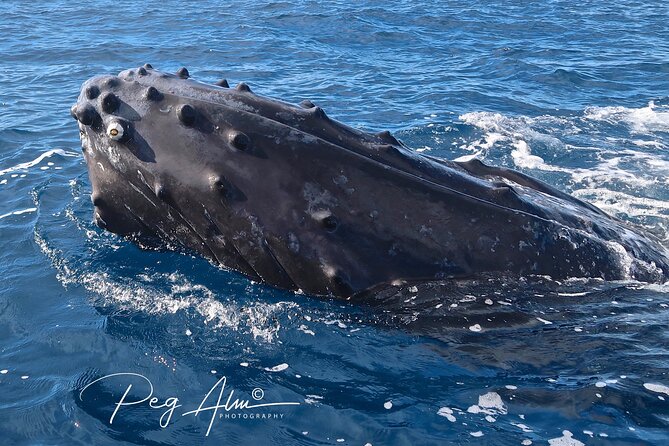
Watching humpback whales from a paddleboard changes the whole vibe. You’re not just scanning from a distance. You’re moving with the same ocean surface the whales are using, and that makes the sightings feel more immediate and personal.
This tour puts you right along the Wailea–Makena coastline, close to Makena Landing Park. From there, you’re operating in the same general area tied to the Hawaiian Humpback Whale National Marine Sanctuary, which is exactly the kind of planning you want for whale season trips. If you care about getting your time in the water aligned with where humpbacks are typically around, this is a smart setup.
I also like how the operator doesn’t treat paddleboarding as a test you either pass or fail. The tour is designed for all skill levels, and it includes a lesson. That matters because the biggest stress for first-timers is usually not whales—it’s balance, direction, and what to do if a wave catches you wrong. If you can handle the basics, you’ll enjoy the rest much more.
You can also read our reviews of more tours and experiences in Maui.

Makena Landing Park: Your Starting Line and First Real Check-In
The experience starts at Makena Landing Park, 5083 Makena Rd, Kihei, HI 96753. Having a clear meeting point is more than convenience—it helps you arrive focused, not flustered. Makena is also one of those Maui areas where you can drive in and get oriented quickly, and the tour is noted as being near public transportation.
Before you’re even on the water, think of this start as your “confidence window.” A good whale watch is as much about calm prep as it is about the moment the whales show up. You’ll want to show up with enough time to get comfortable, listen closely, and ask questions, especially if you’re brand new to SUP.
If you’re the type who likes to be ready early, arriving with a few minutes to spare helps. You’ll get through the lesson phase without rushing, and that makes the rest of the two hours more enjoyable.
The Lesson Phase: How Beginners Can Actually Feel Ready
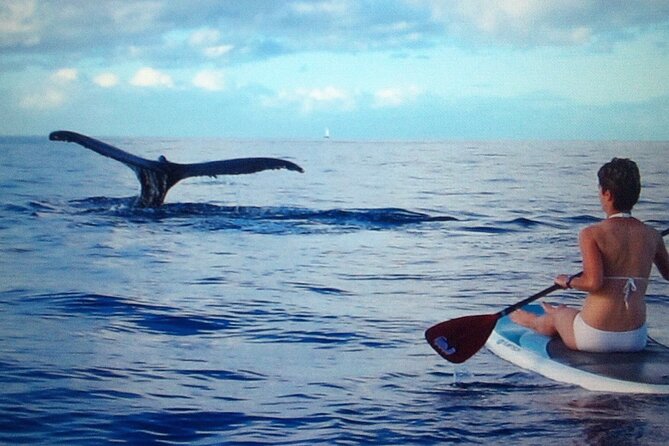
This tour is private, and that’s a big deal during the lesson. With a shared group, beginners can sometimes get pushed to the side while experienced paddlers find their rhythm. Here, the structure is meant to work for mixed skill levels, and the guide stays with you throughout the paddle.
From the guidance style described by guests, the teaching is practical: basics first, then you start moving with purpose. One highlight from the feedback is that beginners learned the key steps early enough to genuinely enjoy seeing whales up close.
Here’s what I think this means for you: the lesson likely covers how to stand, how to move forward, how to control direction, and how to adjust when the ocean gets a little bouncy. If you’ve ever tried to learn SUP on your own, you know it’s easy to waste energy and get discouraged. With a guide teaching live and staying with you, you’re more likely to make quick progress.
Also, if you’re learning in a private setting, you can tell the instructor what you’re worried about. Maybe it’s balance, maybe it’s first-time ocean paddling, maybe it’s staying calm if you feel water movement. That’s the kind of problem a good guide can fix in real time.
On-Water Time: What the Two Hours Really Feel Like
The outing runs about two hours. On paper, that’s short. On the water, it’s usually the right length for two reasons.
First, paddleboard whale watching isn’t just “sit and wait.” You need breaks for repositioning, listening, and adjusting to conditions. Second, if your body is working—standing, paddling, stabilizing—you don’t want to be out there too long without a plan for comfort.
Because it’s private, you should expect a smoother experience pacing-wise. The tour specifically notes that you go at your pace. That translates to a less frantic feeling if you need a moment to reset your stance or if you want to take it slow at first.
I’d also treat the two hours as a full ocean session. Bring a mindset of learning and observing, not just “spot whales at all costs.” When you’re mentally present for both the paddling and the search, the whales tend to feel more rewarding when they appear.
Where You’re Looking: Humpbacks in the Sanctuary Zone
The tour is framed around Hawaiian humpback whale viewing on the Wailea–Makena coastline and the marine sanctuary area near Makena. That’s the important context: you’re not randomly out at sea. You’re operating in a known region where humpbacks are part of the seasonal pattern.
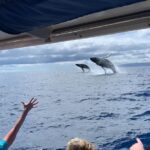
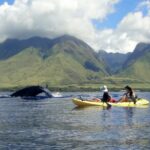
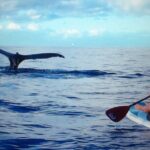
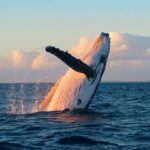
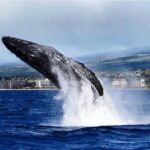
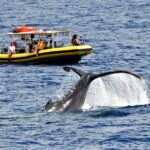
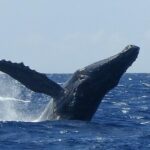
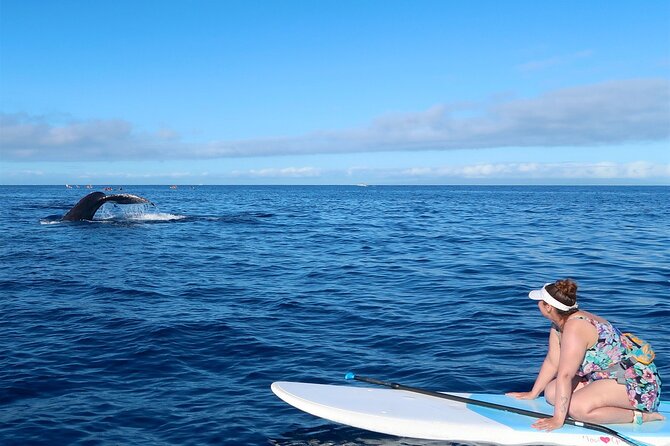
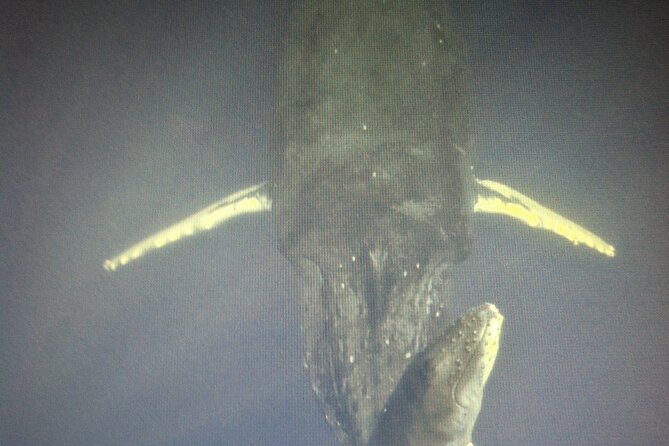
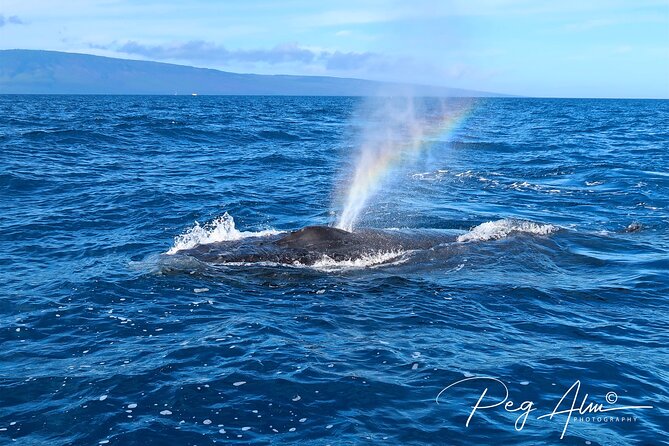
Humpbacks are big animals, but when you’re on a board, the sense of scale can shift fast. From close range, you’ll notice behaviors more clearly than you can from a boat deck—like the way they surface and how their movement changes the surrounding water.
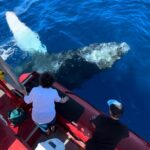
Guests highlight seeing whales up close and personal, and that tracks with the logic of being so close to the waterline. You’re positioned to observe, and your guide is there to help you respond safely and calmly.
There’s also an added layer here: the experience isn’t just biological; it comes with context. One guest called out that Brittany shared Hawaiian history along with instruction. If that matters to you, you’ll probably appreciate the mix of practical SUP coaching and local meaning.
Mixed Skill Levels in a Private Setting (And Why It’s a Win)
This tour explicitly welcomes mixed skill levels and even encourages it. That’s useful if you’re traveling with someone who can paddle easily but you’re newer, or if your group is a blend of comfort levels.
In most tours, mixed skills can create friction. The experienced person wants to push forward; the beginner gets left behind. Here, the private structure helps smooth those differences out. The guide is with you every paddle of the way, and that gives beginners a safety net while still allowing advanced paddlers to feel engaged.
I like this setup especially if you’re traveling as a couple or small group and you don’t want to constantly manage everyone’s comfort. You can set the pace, ask for corrections, and enjoy the same whale-viewing moments without feeling like you’re dragging the trip down or holding others back.
If you’re worried about confidence, aim for a mindset of short-term practice. You’re learning on the water with a coach. The goal isn’t to be perfect; it’s to be comfortable enough to pay attention.
Price and Value: Is $189 Per Person Fair?
At $189.00 per person for about two hours, this isn’t a budget activity. But value isn’t only about cost—it’s about what’s included and how much personalized attention you get.
You’re paying for three things that usually cost extra when done separately:
- A private guided experience (your group only)
- A lesson included for beginners
- The chance to whale watch from the water rather than a large viewing platform
In that light, the price can make sense because you’re not just renting gear and hoping for the best. You’re getting instruction and a guide actively managing your experience while you’re in the sanctuary area.
Also, because it’s private and space is limited, you’re not fighting for prime time with a big crowd. That tends to improve the whole feel: less waiting, less rushing, and more attention from the instructor.
If you’re someone who wants a close-up, hands-on whale watch and you’d rather spend on quality guidance than on a bigger-boat spectacle, this price point is easier to justify.
Weather, Timing, and What Might Change
This tour requires good weather. If conditions aren’t right, you’ll be offered a different date or a full refund. That’s exactly how you want these plans to work for ocean-based activities.
Because you’re dealing with wind, waves, and sea conditions, your best move is to treat your visit as flexible. Don’t stack too many hard plans in the same window. If your day shifts, you’ll have fewer headaches.
Averages matter too: this experience is booked about 71 days in advance on average. That’s a clue that space is limited and that whale-watch SUP sessions can get booked up. If you’re serious about going, it’s worth booking sooner rather than later.
Finally, keep expectations realistic. With whales, you can’t guarantee sightings. What you can control is the quality of the setup, and this experience is designed for the right region and the right on-water platform.
Who This SUP Whale Watch Fits Best
This tour is a strong match if:
- You want a hands-on whale watching experience, not just scanning from shore
- You’re curious about SUP but need a lesson to feel comfortable
- Your group has mixed skill levels and you want everyone to enjoy it
- You like a more relaxed pace rather than a strict schedule
It may not be the best match if you’re very sensitive to physical effort. The tour calls for moderate physical fitness. Paddleboarding uses core and legs, and even a calm session takes balance and movement.
Also, if you hate ocean uncertainty (wind, chop, visibility), you’ll want to be the type who can roll with weather-based changes. The good news: the operator’s policy is built around weather conditions, and that helps take some risk out of the plan.
Should You Book This Private SUP Whale Watch?
I’d book it if you want the most direct connection between your paddling and your whale-viewing moment. The combination of a private group, a beginner lesson, and a guide who sticks with you makes it feel like a guided experience first, and a whale watch second—which is exactly what you want when you’re learning on the ocean.
It’s also a great option if Maui is your only shot at a humpback experience and you don’t want to waste time. Starting from Makena Landing Park and operating in the sanctuary zone means your two hours are focused on where the story tends to happen.
If you’re on the fence because of price, think about it this way: you’re paying for coaching and confidence, not just wildlife spotting. For many people, that’s the difference between a trip you remember and a trip you shrug at.
FAQ
FAQ
How long is the SUP whale watch?
It lasts about 2 hours.
Where does the tour start?
It starts at Makena Landing Park, 5083 Makena Rd, Kihei, HI 96753.
Is this a private tour or do I share with strangers?
This is a private tour/activity. Only your group participates.
Do beginners need paddleboarding experience?
No. The tour includes a lesson, and it welcomes all skill levels, including beginners.
What language is the tour offered in?
The tour is offered in English.
What fitness level do I need?
You should have a moderate physical fitness level.
What is the cancellation policy?
You can cancel for a full refund up to 24 hours before the experience’s start time. The tour requires good weather, and if it’s canceled due to poor weather, you’ll be offered a different date or a full refund.