REVIEW · MAUI
2 hour Lahaina Sunrise Whale Watch
Book on Viator →Operated by Maui Ocean Adventures · Bookable on Viator
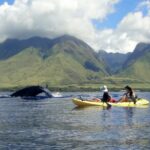
Sunrise whales in Maui beat the alarm. This 2-hour Lahaina sunrise whale watch heads out early, when the ocean is often calm, and it includes guaranteed whale sightings in Maui waters. You’ll also get wide morning views of Moloka‘i, Lāna‘i, Kaho‘olawe, Haleakalā, and the West Maui mountains.
I love the way the cruise treats whale watching like more than just spotting. You’ll get a chance to listen through the hydrophone, so you can hear humpbacks sing when the conditions line up.
The one real drawback to plan for is that there are no restrooms on board, so you’ll want to use facilities before you leave the dock. Everything else is fairly straightforward for a morning outing.
In This Review
- Key highlights at a glance
- Why Lahaina Sunrise Is the Sweet Spot for Whale Watching
- Getting to Mala Boat Ramp and What Boarding Feels Like
- The Sail: Islands, Mountains, and a Calm Start
- Whale Encounters Up Close: What You Can Actually Expect
- Hearing Whale Song with the Hydrophone
- Comfort on a Small Boat: Seating, Camera Tips, and Real-World Ease
- When Photos Really Work: Sunrise Lighting and Viewing Strategy
- Who This Tour Suits Best (and Who Should Rethink It)
- Should You Book This Lahaina Sunrise Whale Watch?
- FAQ
- How long is the Lahaina sunrise whale watch?
- Where is the meeting point?
- What time should I arrive?
- Is the tour really a sunrise experience?
- Are restrooms available on board?
- Is this tour offered in English?
- How many people are on the boat?
- Do I need to bring a restroom bag or extra supplies?
- Are children allowed?
- Is whale sighting guaranteed?
- Is there whale sound on this tour?
- What happens if weather is poor?
Key highlights at a glance
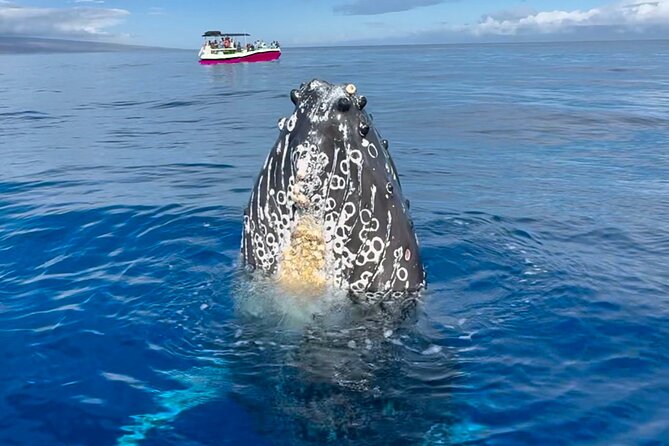
- Guaranteed whale sightings in the Maui waters national marine sanctuary area
- Hydrophone whale song while you watch up close
- Small boat feel (max 20 travelers) with lots of good sightlines
- Sunrise views that include multiple West Maui landmarks and islands
- No-shoes cruise to keep the deck area clean and safer underfoot
- Comfort-focused ride with an easy boarding setup and camera-friendly height
Why Lahaina Sunrise Is the Sweet Spot for Whale Watching
There’s something about the early morning on Maui that feels like the ocean is holding its breath. The tour is built around that window: it runs in the morning when seas tend to be calmer, which usually means a smoother ride and easier whale-spotting.
What makes this experience especially appealing is the promise of guaranteed sightings. In whale season, you’re not just hoping for a lucky moment. You’re going out with enough time and guidance to find whales, then linger long enough for you to actually enjoy what they’re doing.
The sunrise part matters too. Morning light makes the ocean look different. It also gives you a clear horizon line to scan for spouts and movement. Even if you’ve never seen humpbacks before, sunrise helps your eyes pick up the action faster than harsh midday glare.
You can also read our reviews of more tours and experiences in Maui.

Getting to Mala Boat Ramp and What Boarding Feels Like
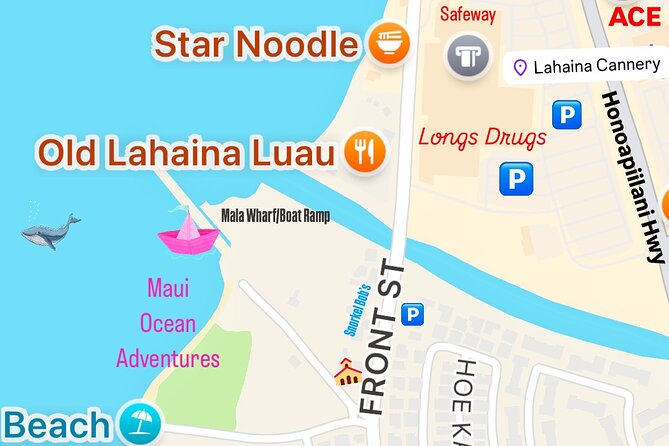
Your day starts at Mala Boat Ramp in Lahaina. Plan to check in at least 20 minutes before departure so you’re not sprinting in the half-dark with your camera bag. The meeting point is close to public transportation, and if you’re using the Maui Bus, you’ll have about an 8–10 minute walk from the stop.
One detail I really appreciate here is the “no shoes” approach. The cruise recommends easy-to-remove footwear, and it operates like a no-shoes boat. That’s practical: it keeps sand and wet gear off the deck. For you, it means you’ll want socks you’re comfortable wearing for the length of the trip, plus something you can slip out of quickly at the ramp.
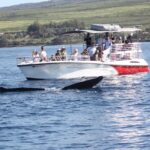
Small-group setup is part of the value. The tour caps at 20 travelers, so the experience doesn’t feel like cattle. You’re also more likely to find your own comfortable viewing spot without playing seat roulette.
There’s one more practical consideration that can shape your morning: no restrooms on board. That doesn’t ruin the trip, but you should treat this like a short hike at sea—use the facilities before you arrive and keep liquids reasonable if you’re sensitive to that sort of thing.
The Sail: Islands, Mountains, and a Calm Start
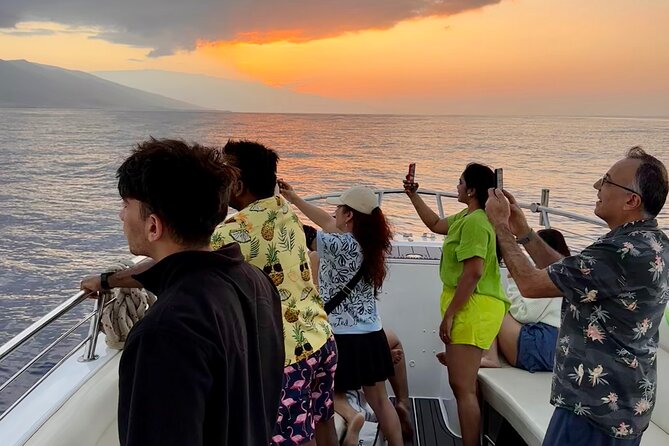
This isn’t just a point-A-to-point-B chase. As the boat heads out, you get the kind of wide, open-water views that make the whole morning feel like a mini road trip without traffic.
Along the route, you may see Moloka‘i and Lāna‘i, plus Kaho‘olawe in the distance. If weather and visibility cooperate, you’ll also catch the silhouette of Haleakalā and the West Maui mountains behind the water. On a calm morning, these landmarks feel like anchors for your day: you’re not only waiting for whales, you’re already traveling through Maui’s seascape.
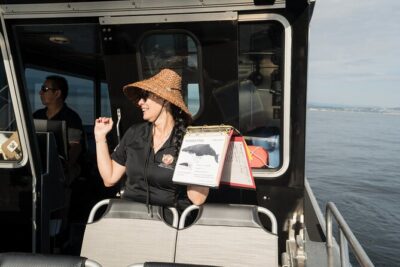
The experience is guided by a professional captain and crew, and that’s key. Whale watching isn’t only about where you look—it’s about how you look and when you stay put. The early timing helps the crew find whales during their natural activity near Maui’s waters.
Whale Encounters Up Close: What You Can Actually Expect
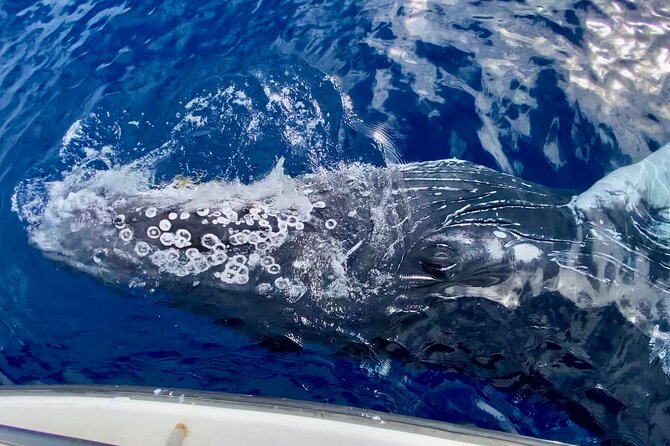
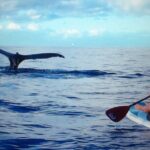
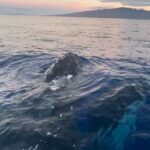
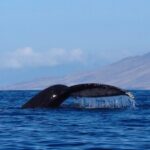
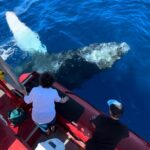
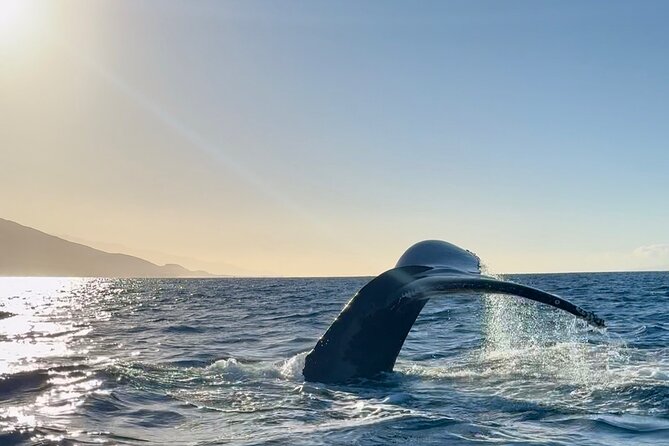
You’re going for humpback whales, and the tour is designed around the behaviors that show up in Maui waters during breeding season. When you get sightings, it’s not a quick drive-by. The tour experience is structured so you can watch long enough to see the animals’ patterns.
Based on past trips, you’ll often be looking for things like:
- Mothers with calves and the calm-but-busy way they move together
- Escort behavior and small groups of whales interacting nearby
- Male activity, sometimes with more competitive or heated displays
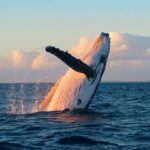
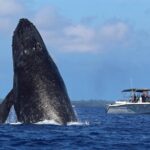
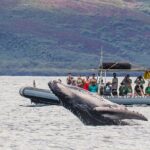
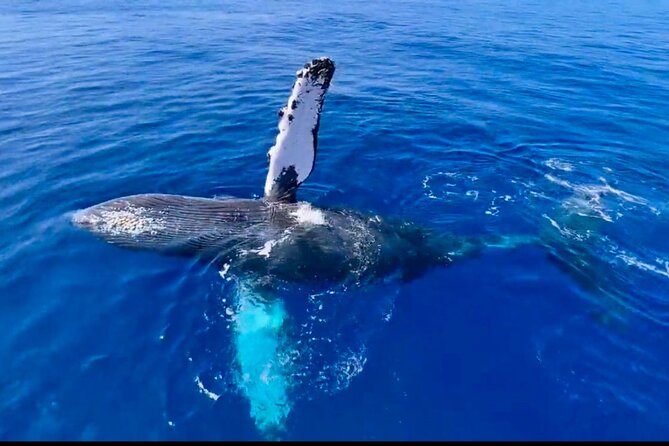
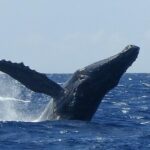
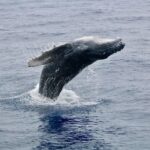
- Surface action such as breaching when the whales feel like showing off
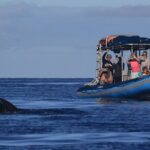
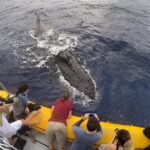
One reason this kind of cruise can feel better than larger boats is how you end up positioned relative to the whales. A smaller vessel usually means fewer interruptions and less distance between you and the action. In the feedback I’ve seen from riders, people often describe whales coming closer than they expected, plus good chances to see full behaviors rather than just a spout in the distance.
And if you’re wondering whether the crew can “make it happen,” the tour’s built-in goal is finding whales early. That’s why those calm seas at sunrise matter: they make it easier for spotting and for the crew to reposition without chaos.
Hearing Whale Song with the Hydrophone
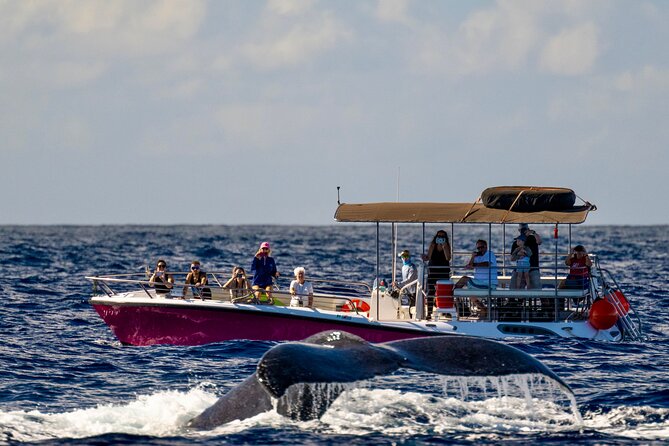
Seeing whales is great. Hearing them is the extra step that makes this outing feel different.
The tour includes the chance to listen using a hydrophone. When the crew lowers it into the water (and when whale vocalizations are active), you can catch the songs that are part of humpback behavior. It’s the kind of moment where your brain stops thinking like a tourist and starts thinking like a listener.
In reviews, people highlighted how the hydrophone made a noticeable difference, especially when a humpback was close enough for the audio to feel clear. Even if you can’t predict exactly when the sound will be strongest, you can count on the crew treating it as an event, not a gimmick.
This is also where guidance helps. The crew isn’t just calling out what’s happening—they connect it to whale behavior, so what you’re seeing has context.
Comfort on a Small Boat: Seating, Camera Tips, and Real-World Ease
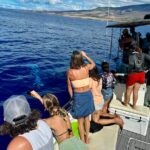
Boat comfort sounds like a minor detail until you’ve sat on a wet, bouncy deck for too long. Here, the goal is a comfortable ride in the early hours. The boat is described as spacious and clean, and riders often mention that there are no truly bad seats because the viewing is set up for people to see without constantly shifting.
A detail I’m glad you have ahead of time: the boat rides high enough out of the water that you don’t have to baby your camera gear the way you might on a lower deck. If you’re bringing a phone, a zoom lens, or binoculars, you’ll likely feel less stress about spray.
Boarding and getting off at the dock is also an easy rhythm for a short tour. For many people, that matters more than it sounds, because two hours can pass quickly—especially when you’re alert for spouts.
One small note: you will be on a no-shoes setup, so plan how you carry your footwear. A small tote or bag helps you keep things tidy while you’re on the move.
When Photos Really Work: Sunrise Lighting and Viewing Strategy
If your main goal is photos and video, sunrise is your best friend. The light is softer. The horizon is crisp. And the whales’ surface behaviors often show up as quick, high-contrast moments—spouts, tail movements, and the bright flash of a breach.
Here’s the practical part: scanning from one spot doesn’t always work, especially when whales move. The crew will guide you on where to look and when to focus. What you want to do is stay calm and keep your eyes scanning the waterline rather than constantly raising your camera and missing the first cue of movement.
Since the cruise is only about two hours, you’ll want to keep your gear ready but not frantic. Bring a strap, wipe cloth, and anything you need for quick access. And remember: you’re on a no-shoes boat, so you don’t want to be juggling slippery gear around your feet.
If you’re lucky, you might get little dockside extras too—one traveler mentioned a golden retriever greeting on return. That’s not something you should plan around, but it’s the kind of human warmth that makes a small company feel like a real operation, not a faceless checklist.
Who This Tour Suits Best (and Who Should Rethink It)
This is a strong fit if you:
- Want a short, focused Maui activity instead of a full-day outing
- Enjoy small group experiences with a captain and crew guiding you
- Care about more than sightseeing by including hydrophone whale song
- Are okay with an early start for calmer seas and better viewing conditions
It’s also a solid choice for families, as long as the children meet the age rule. The tour does not permit children under 3 years old.
The biggest mismatch is anyone who really needs onboard restrooms. With no restrooms on board, you’ll want to plan around that before you leave the ramp.
Another consideration is the physical side of a morning boat ride. The tour suggests moderate physical fitness. That likely means getting aboard and staying comfortable as you shift positions for viewing, not extreme hiking. Still, if you have mobility limits, you’ll want to think about it before you commit.
Should You Book This Lahaina Sunrise Whale Watch?
I’d book it if you want the classic Maui whale experience with less crowd energy and more “why it matters” education. The big reasons: guaranteed whale sightings, hydrophone whale song, and a small maximum group size that makes it feel personal.
If you’re the type who hates early mornings, this tour is still worth considering because sunrise is when conditions often line up best for spotting. If you’re sensitive about onboard comfort needs like restrooms, this one requires planning, since there aren’t any.
Overall, this is one of those trips where the timing does the heavy lifting. You’re not just going whale watching—you’re catching whales when the ocean is calm, the light is right, and the crew is ready to put you in position.
FAQ
How long is the Lahaina sunrise whale watch?
The cruise runs about 2 hours (approx.).
Where is the meeting point?
You meet at Mala Boat Ramp, Lahaina, HI 96761, USA.
What time should I arrive?
Check in at least 20 minutes prior to departure.
Is the tour really a sunrise experience?
Yes. It’s a Lahaina sunrise whale watch, designed for early morning viewing.
Are restrooms available on board?
No, there are no restrooms on board.
Is this tour offered in English?
Yes, the tour is offered in English.
How many people are on the boat?
The maximum group size is 20 travelers.
Do I need to bring a restroom bag or extra supplies?
The tour includes bottled water. Since there are no restrooms on board, it helps to plan ahead for your own needs before you board.
Are children allowed?
Children under age 3 are not permitted.
Is whale sighting guaranteed?
Yes, the tour offers guaranteed whale sightings.
Is there whale sound on this tour?
Yes. You can listen to whales using a hydrophone.
What happens if weather is poor?
This experience requires good weather. If it’s canceled due to poor weather, you’ll be offered a different date or a full refund.