REVIEW · VANCOUVER ISLAND
Salish Sea Whale Watching Tour in Campbell River
Book on Viator →Operated by Homalco Wildlife & Cultural Tours · Bookable on Viator
Whales put on a show even when you’re not trying. This Salish Sea tour from Campbell River mixes real wildlife time with on-the-water cultural learning, all on a purpose-built boat. You’re out for roughly 4 hours, looking for everything from orcas to dolphins.
I especially like the balance of indoor cabin seating plus outside deck time. It’s a practical setup for British Columbia weather, and it lets you stay comfortable while you scan the water for spouts. I also like that the tour isn’t just wildlife spotting; it folds in local First Nations history and culture while you cruise.
One thing to consider: whale watching depends on conditions and animals moving on their own schedule. The company runs on good weather, so if the forecast is rough, your tour may be changed or refunded—meaning you’ll want a little flexibility in your day.
In This Review
- Key highlights worth knowing
- Salish Sea Whales From a Small Boat With Indoor Comfort
- Price and value for a 4-hour wildlife hunt
- Meeting at Homalco in Campbell River: where to start
- What happens once you leave the dock
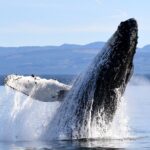
- Wildlife search: orcas, dolphins, humpbacks, and more
- Learning First Nations culture while you’re on the water
- Deck vs cabin: how to choose where to stand
- Beach landings: the small extra that can change the day
- Safety and how the crew runs the show
- Weather rules: plan for flexibility
- Practical tips to help you see more
- Who should book this tour (and who might skip it)
- Should you book the Salish Sea Whale Watching Tour in Campbell River?
- FAQ
- How long is the Salish Sea Whale Watching Tour?
- Where is the meeting point for the tour?
- What wildlife might I see on this tour?
- Is there indoor seating, or am I outside the whole time?
- What’s the group size?
- What language is the tour offered in?
- What is the cancellation policy?
Key highlights worth knowing
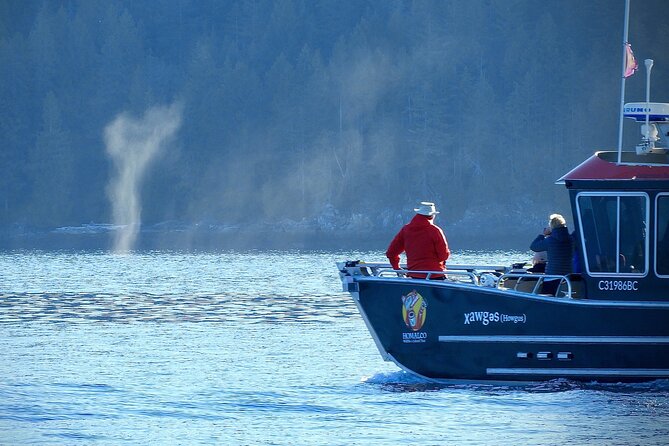
- Custom-designed vessel with cabin seating and an outside deck so you’re not stuck out in cold spray
- Small group size (max 12), which makes it easier to hear the guide and keep eyes on the action
- Wildlife search for orcas, humpbacks, dolphins, porpoises, sea lions, otters, and more
- First Nations cultural learning woven into the trip while you’re out on the water
- Beach landings may be possible on the route, adding a hands-on element beyond boat viewing
- Safety-focused crew and clear rules from the start
Salish Sea Whales From a Small Boat With Indoor Comfort
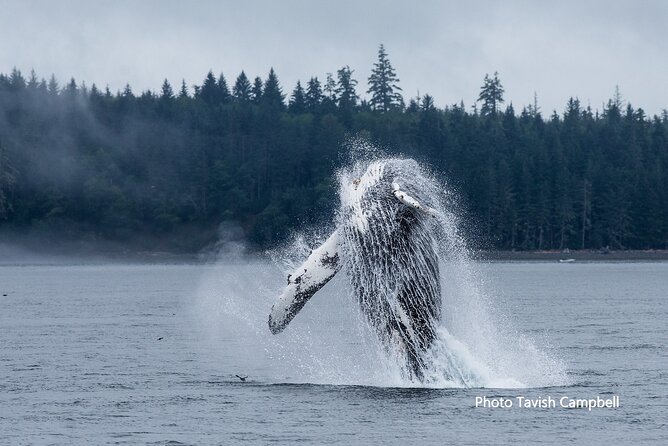
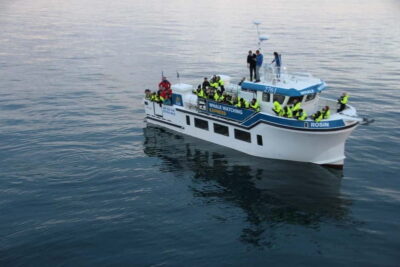
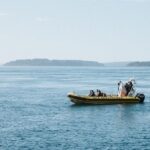
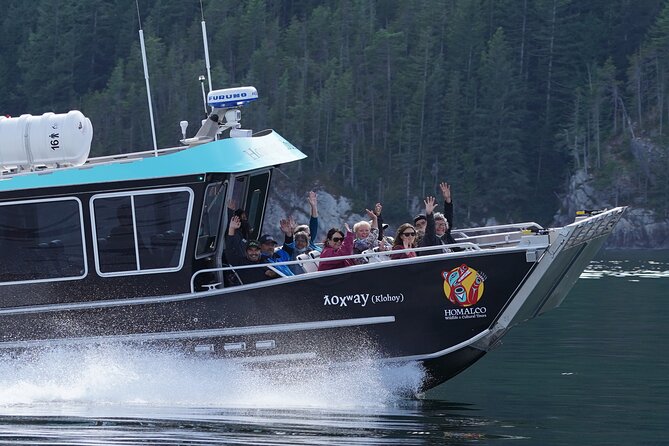
This tour is built for real whale watching, not just “sit near the window and hope.” You leave from Campbell River aboard Homalco Wildlife & Cultural Tours’ custom-designed tour vessel, and you’re actively in search mode for marine life.
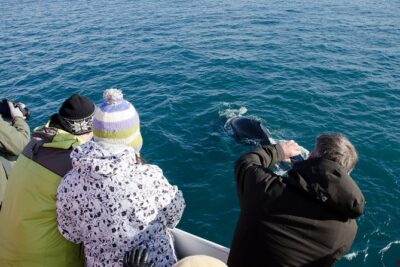
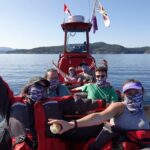
The big comfort win is that you’re not trapped inside or forced to freeze outside. Each person gets a seat inside the cabin and also access to the outside deck. In practice, this means you can switch positions based on wind, spray, or how long you need to stare at the horizon. One review specifically called out how the indoor seating feels better than some zodiac-style trips where you spend most of the time outdoors.
And you’re on a small boat too. The tour caps at 12 travelers, which tends to make the experience feel calmer. You hear instructions, you’re not constantly squeezing around other people, and the guide can keep attention on what matters: where to look and why.
You can also read our reviews of more tours and experiences in Vancouver Island.
Price and value for a 4-hour wildlife hunt
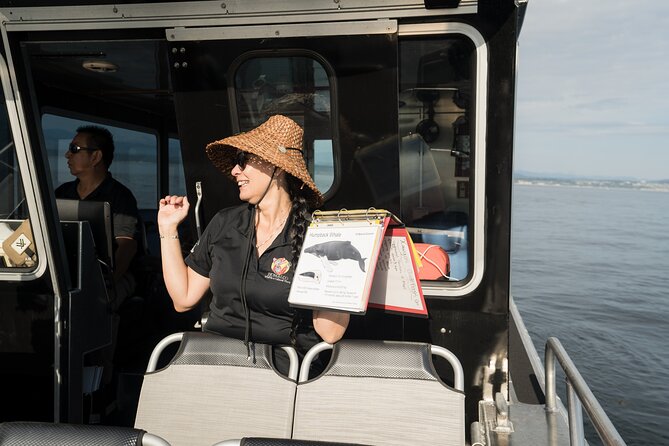
At $204.65 per person, this isn’t a budget activity. But I think the price makes sense if you care about two things: better comfort and a guided experience that includes culture, not only animals.
Here’s the value logic I’d use if you’re comparing options:
- You’re paying for time on the water plus interpretation. The tour includes First Nations history and culture while you look for whales and dolphins.
- You’re paying for comfort in variable weather. Indoor seating matters on the Salish Sea. It keeps the experience enjoyable even if it’s not a perfect day.
- You’re paying for a smaller group. With a max of 12, you’re more likely to feel like part of the trip rather than a number on a large vessel.
Duration is about 4 hours, which is a decent chunk of time for this region. You’re not rushed in and out, and you have enough time to spot wildlife when it appears—though you still won’t control the ocean.
Booking pace can also affect value. This tour is typically booked about 63 days in advance, so if you’re traveling in peak periods, plan ahead.
Meeting at Homalco in Campbell River: where to start
Your start point is Homalco Wildlife and Cultural Tours, 1003 B Island Hwy, Campbell River, BC V9W 8C7, Canada. The tour ends back at the same meeting point, so you’re not dealing with confusing pickups later in the day.
It’s also noted as being near public transportation, which is useful if you’re not renting a car. The area is practical for getting there without a whole travel circus.
Plan to arrive a bit early. Even though you’re not told a specific check-in window here, most tours run smoother when you’re on time and ready to board—especially for safety briefings, which this crew takes seriously.
What happens once you leave the dock
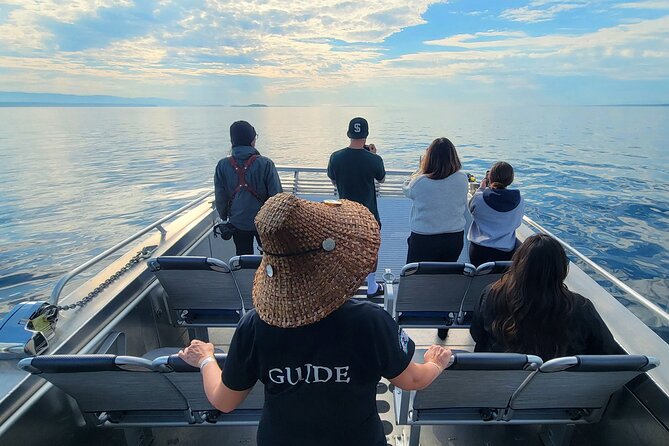
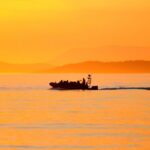
You depart from Coast Marina aboard the custom tour vessel. From there, the tour focuses on one job: finding wildlife in the wild, not in a controlled environment.
As you cruise, you’ll be searching for a mix of marine species and birds. The tour is designed to look for:
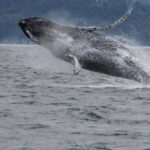
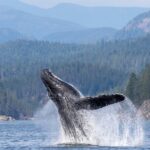
- Humpback whales
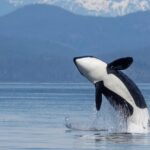
- Orcas (killer whales)
- Porpoises
- Dolphins
- Sea lions
- Otters
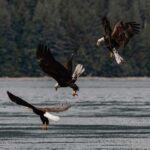
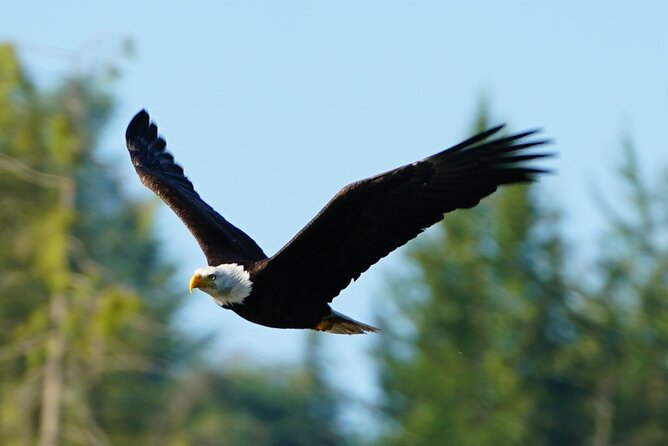
- Bald eagles
- And various marine birds
At the same time, you’ll learn about the local First Nation history and culture. This is one of the reasons I think the tour has more depth than a standard whale excursion. You’re not just looking at wildlife; you’re hearing context about the people and place where you’re seeing it.
The experience is also designed to work for a wide range of travelers. It’s listed as “most travelers can participate,” and it’s open to ages 2 years and up.
Wildlife search: orcas, dolphins, humpbacks, and more
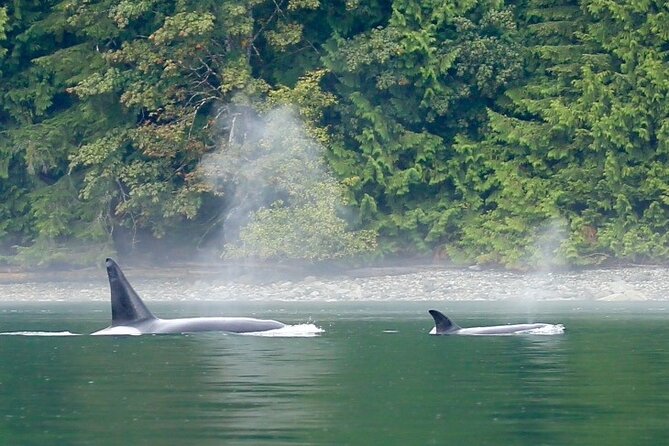
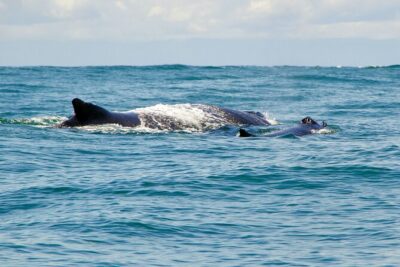
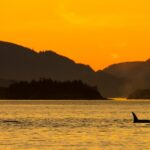
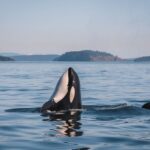
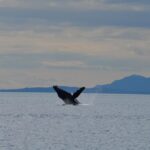
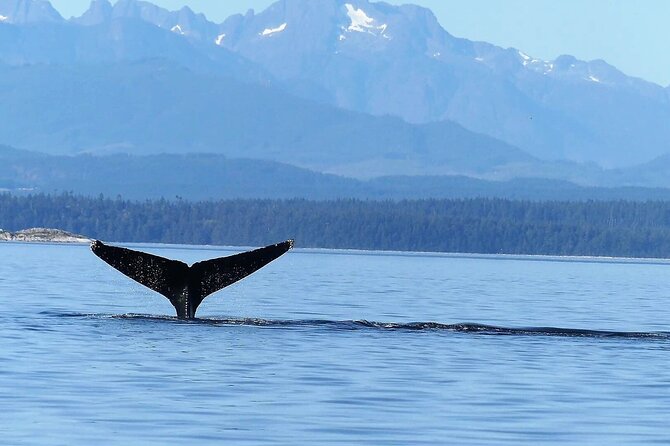
Whale watching is never guaranteed. But this one gives you a solid chance because it’s targeted: it sets out specifically in search of whales and a wider set of marine animals, not just a single species.
From the reviews you provided, two patterns stand out:
- Orcas are a major focus, and people really notice when they show up.
- Seeing multiple species is part of what makes the day feel like a win.
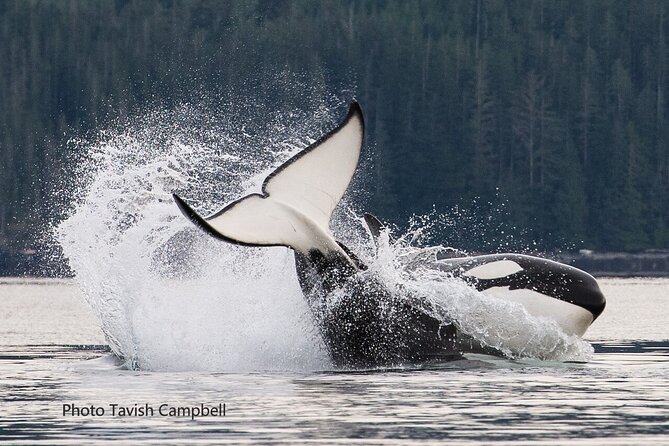
One reviewer shared that their trip included three killer whales, plus learning about tribal culture. That’s a strong combo: a memorable wildlife moment paired with place-based learning. Another review highlighted that the boat experience itself improved the odds of having an enjoyable ride—again, because you’re not stuck outside in rougher weather.
When you’re out there, keep your expectations flexible. A tour like this is built around finding animals when they’re around, and the guide helps you read the signs—where to look, what behaviors mean, and how to spot faster-moving species like dolphins and porpoises.
Learning First Nations culture while you’re on the water
One of the best parts of this tour is that the cultural piece isn’t tacked on like a lecture at the end. You’re learning as you go, which makes the information feel tied to what you’re actually seeing.
You’ll get history and culture of the local First Nation while searching the sea. The tour includes this from the start of the outing, not as an afterthought.
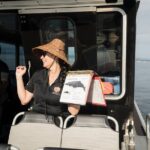
In terms of how this shows up in the experience, reviews mention that the guide was great and that the cultural learning added meaning to the wildlife sightings. In the material you shared, there’s also a thank-you note signed by Imote—which suggests the team actively engages and follows up with appreciation for guests. Even if you never think about that kind of detail while you’re watching whales, it’s a nice sign that this is run by people who care about the day going well.
Deck vs cabin: how to choose where to stand
This is the practical part that makes or breaks a whale trip. Weather on Vancouver Island can change quickly, and the Salish Sea can still feel chilly even when the sun is out.
Because the boat is set up with a cabin and an outside deck, you can do this smartly:
- If it’s windy or wet, spend more time inside and step outside when you hear or see action.
- If the sea is calm and visibility is good, give yourself sustained deck time to track movement.
What I like about this setup is that it reduces the usual trade-off. On many wildlife tours, you pick between comfort and a clear view. Here, you can do both—at least for parts of the trip.
Also, with only up to 12 people, you’re less likely to end up in a crowded spot where you can’t see. You’ll still want to be mindful of space, but it should feel more manageable than big-boat scenarios.
Beach landings: the small extra that can change the day
The tour notes that beach landings are possible on the custom-designed boats. That matters because it turns a “watch from water” outing into something with a little more physical variety.
It’s still not guaranteed—possible is the right word. But if you get a landing, you’ll likely feel the change right away: you’re not only scanning whales from the deck, you’re stepping onto shore and getting a different perspective on the area.
If your priority is maximum wildlife viewing time, understand that landings can also affect how the crew plans the day. The crew will balance safety and conditions with what they’re seeing out on the water.
Safety and how the crew runs the show
Safety is not an afterthought here. One of the standout review notes you shared is that safety was on the top of the list, and that the crew kept things organized.
That’s important on whale tours. You’re on open water, you’re shifting attention constantly between sky, water, and signs from the guide. Clear safety instructions help everyone relax enough to enjoy the ride.
You can also expect a structured experience from a small-group tour. With 12 travelers max, it’s easier for the crew to maintain order and for the guide to communicate.
Weather rules: plan for flexibility
This experience requires good weather. If it’s canceled due to poor conditions, you’ll be offered a different date or a full refund.
That matters because whale watching can’t be rushed or forced. If the sea is rough, it’s better to reschedule than try to push through.
Here’s how I’d plan around that:
- Keep another activity as a backup, not something time-locked to a single hour.
- If you’re traveling from elsewhere, avoid scheduling your departure on the same morning unless you’re okay with a change.
Practical tips to help you see more
You’ll probably do better when you treat this like a spotting mission rather than a casual cruise. Here are the small things that help most on whale days:
- Dress in layers. You’ll move between cabin and deck, and the wind can feel sharper on open water.
- Bring something that keeps your hands free for binoculars or phone use (a lanyard or secure pocket helps).
- Be ready to switch sides and positions quickly when the guide calls attention. Animals don’t wait for your perfect angle.
- If you’ve never spotted wildlife from a moving boat, don’t worry. The guide will help you understand what you’re looking at and when to look.
One more tip: since you’re also learning cultural history, pay attention to what the guide says as you go. It’s easy to focus only on the sea surface, but the stories connect the wildlife to the people and place around Campbell River.
Who should book this tour (and who might skip it)
This is a strong fit if you want:
- Wildlife variety (not just one species)
- A small group feel
- Comfort options with indoor seating plus deck viewing
- First Nations cultural learning integrated into the trip
It may be less ideal if:
- You want a guaranteed animal checklist. Wild sightings depend on nature.
- You dislike being flexible with weather. Even with good planning, the tour depends on conditions.
If you’re traveling with kids age 2 and up, the tour is listed as allowing that age range, and the small-group format can help keep the day from feeling chaotic.
Should you book the Salish Sea Whale Watching Tour in Campbell River?
I’d book this if you’re going to Campbell River specifically for wildlife and you also want meaning behind the day, not only photos. The small group size, the custom boat with indoor seating, and the fact that the tour includes local First Nations history and culture are the three reasons it feels like more than a generic whale outing.
Also, the reviews you shared emphasize safety and a strong guide experience, including a moment with multiple orca sightings. That combination—comfort, calm operations, and real wildlife—adds up to a trip that’s likely to feel worth the drive, especially if you’re coming from farther away like Victoria.
If you want a whale tour that’s built for real weather, real learning, and real sea time, this one fits.
FAQ
How long is the Salish Sea Whale Watching Tour?
The tour runs about 4 hours (approx.).
Where is the meeting point for the tour?
You meet at Homalco Wildlife and Cultural Tours, 1003 B Island Hwy, Campbell River, BC V9W 8C7, Canada, and the tour ends back at the meeting point.
What wildlife might I see on this tour?
The tour searches for humpback whales, orcas, porpoises, dolphins, sea lions, otters, bald eagles, and various marine birds.
Is there indoor seating, or am I outside the whole time?
There is indoor seating in the cabin, and you also have access to an outside deck.
What’s the group size?
This tour has a maximum of 12 travelers.
What language is the tour offered in?
The tour is offered in English.
What is the cancellation policy?
You can cancel for a full refund up to 24 hours before the experience’s start time. The experience requires good weather, and if it’s canceled due to poor weather you’ll be offered a different date or a full refund.