REVIEW · MAUI
Kayak and Whale Watching Tour
Book on Viator →Operated by Tropical Guides & Outfitters · Bookable on Viator
Whale songs sound different from a kayak. Off Maui, this kayaking and whale watching trip takes you into humpback country during peak season, where you can get up-close encounters without the size and noise of a big boat. In the best moments, the guide (often Chris, sometimes listed as Kris) helps you find whales and stay calm so you can focus on what matters: breath, timing, and watching.
Here’s the one catch: you need moderate physical fitness, and the tour runs only when conditions are right since it requires good weather. If you’re looking for guaranteed whale sightings, this still comes down to wild animals and the day’s conditions.
In This Review
- Key Highlights at a Glance
- Why Maui Kayak Whale Watching Feels Different Than a Boat
- Peak Season: When Humpbacks Are Most Likely to Show Up
- Makena Landing Park: Your 7:00 am Starting Line
- The 3-Hour Flow: What Happens Between Launch and Return
- Whale Encounters Up Close: Safety, Positioning, and What You Might Hear
- What You Get For the Price (And Why It’s Not Just $130)
- What to Bring (So You Don’t Spend the Trip Thinking About Yourself)
- Weather Reality Check: Why the Day’s Conditions Matter
- Who This Tour Fits Best in Maui
- Should You Book This Maui Kayak-Whale Tour?
- FAQ
- FAQ
- What’s the meeting point for the kayak and whale watching tour?
- What time does the tour start?
- How long is the tour?
- What’s the group size limit?
- Is bottled water included?
- Are digital photos included?
- Is gratuity included?
- Is the tour suitable if I have moderate fitness?
- What’s the cancellation policy if weather is bad?
Key Highlights at a Glance
- Small group size (max 8) for a more personal feel on the water
- 7:00 am start that matches the morning rhythm of whale viewing
- Professional guidance from Chris/Kris that prioritizes safety and positioning
- Whale singing and close sightings that feel unreal from water level
- Bottled water included, plus digital photos available to purchase
- 3 hours approx. with the full experience starting and ending at Makena Landing Park
Why Maui Kayak Whale Watching Feels Different Than a Boat
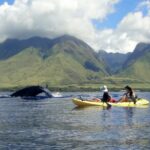
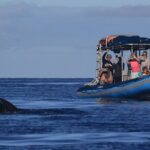
I love whale watching from the water. On a kayak, you’re lower, quieter, and closer to the real scale of the animals, so everything reads more clearly. You’re not just looking at whales from above—you’re sharing the space in a more personal way, which is exactly why this type of trip stands out for people who want something real, not just a checklist.
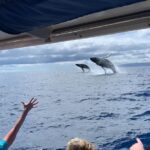
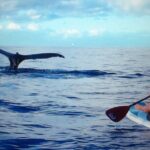
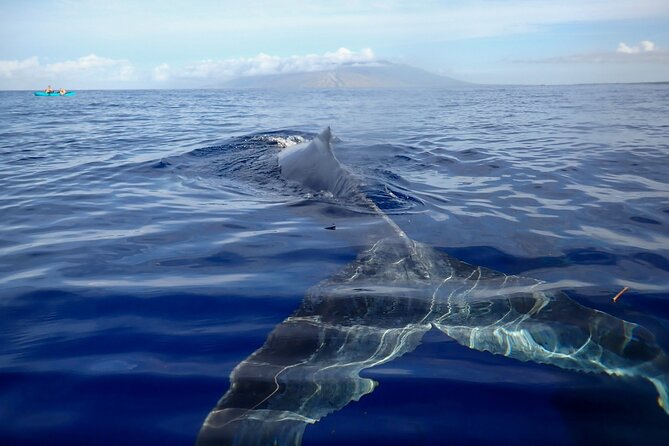
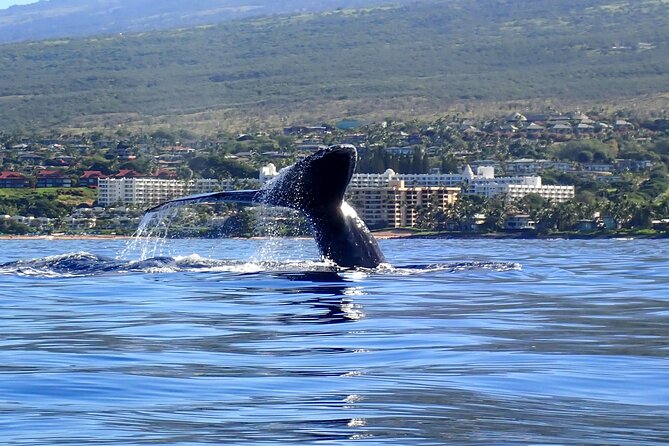
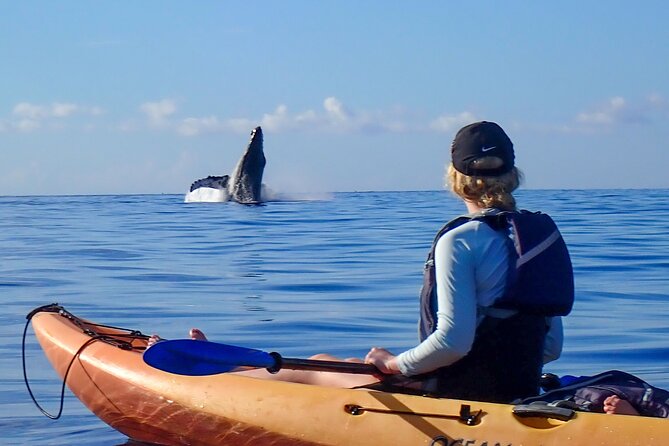
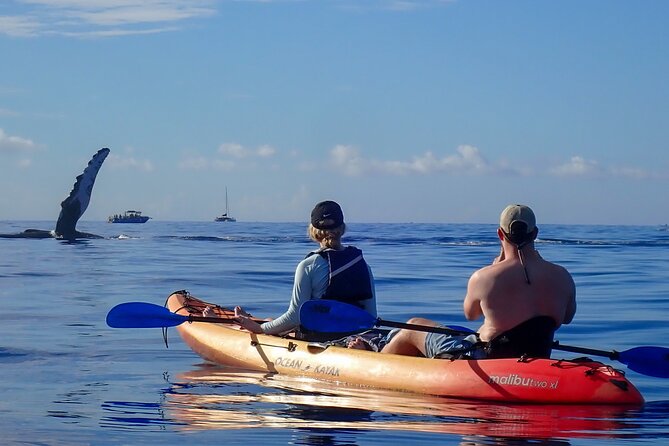
The best part is the feeling of presence. From the kayak, you get a front-row view of surface behavior—spouting, fluking, and the quick bursts that humpbacks do—without the blur of distance you often get on boats. And yes, some people even pick up on whale song in a way that surprises them, because you’re closer to where the sound is coming from and you can actually hear it without a loud motor in the background.
The tradeoff is you’re part of the action. You’ll be paddling and moving your body, not just sitting and staring. That’s why the physical fitness note matters. If you’re okay with a workout-light workout, it’s an easy swap for a stronger connection to the ocean.
You can also read our reviews of more tours and experiences in Maui.

Peak Season: When Humpbacks Are Most Likely to Show Up
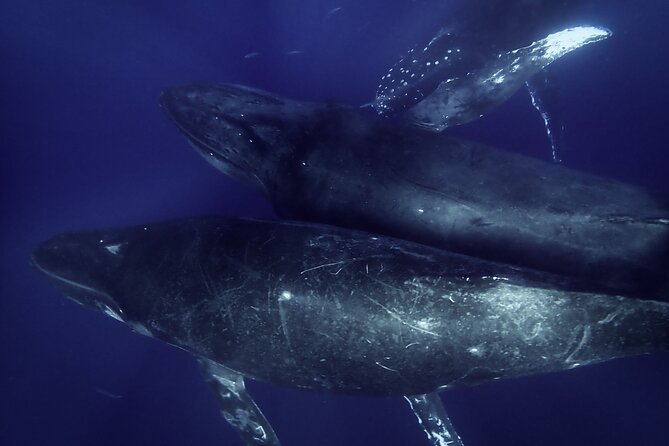
This tour is built around Maui’s humpback season: mid-December through the end of March. That’s when humpbacks migrate from Alaska to warmer Hawaiian waters, and that migration is the reason the sightings here can be so consistent.
You don’t need to be a marine expert to understand why timing is everything. Warm water and the animals’ route shape where they spend time, and humpbacks are the kind of wildlife that responds to conditions—water, wind, and the day’s activity level. In other words, the season helps, but nature still controls the exact outcome.
If you’re traveling during those months, plan on the morning as the key part. The trip starts at 7:00 am, which helps you get on the water early, when the ocean can be calmer and the day hasn’t turned into a full-on wind event yet.
Makena Landing Park: Your 7:00 am Starting Line
Your meeting point is Makena Landing Park, 5083 Makena Rd, Kihei, HI 96753, and the activity ends back there. That matters because you get one simple plan: show up, get oriented, and then you’re in the water with the guide’s direction instead of bouncing between multiple locations.
The start time is 7:00 am, so treat this like a morning mission. You’ll want to arrive with enough time to check in, get your gear sorted, and feel settled before you launch. With whale watching, the early minutes on the water can set the tone for the whole outing.
Also, remember this is a small-group experience with a maximum of 8 travelers. That size helps with organization, and it usually means you won’t feel like you’re lost in a crowd when the guide spots activity.
The 3-Hour Flow: What Happens Between Launch and Return
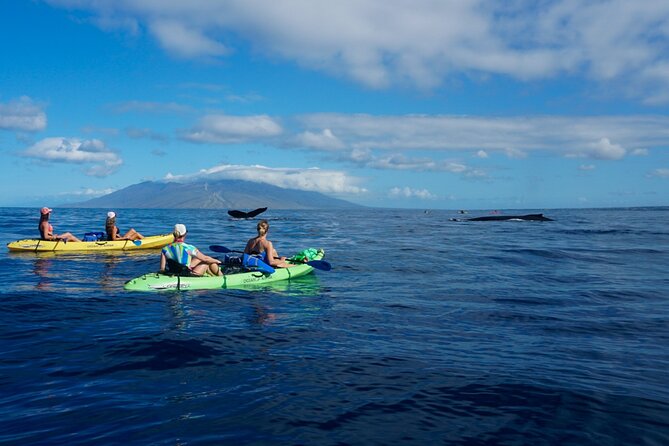
The tour runs about 3 hours total. While the exact minute-by-minute plan can vary with whale behavior and sea conditions, you can think of the experience in three phases: launch and setup, paddling to likely areas, and watching from smart positions before heading back.
First comes the transition from land to water. You’ll get briefed on how to paddle and what to do when whales are sighted. This is where a good guide earns their pay, because technique and calm decisions keep everyone safe and make it easier to get good viewing. If you’ve never kayaked before, you’ll likely feel the learning curve right away—but the small group and guide attention help a lot.
Next is the paddling part. The goal isn’t speed; it’s being in the right place at the right time. You’ll move with purpose, and the guide will manage the positioning so you can watch without crowding the animals.
Finally, you return to the starting point. The best part about ending back at Makena Landing Park is closure: you don’t need to solve transport puzzles or worry about getting stranded after you’re tired.
Whale Encounters Up Close: Safety, Positioning, and What You Might Hear
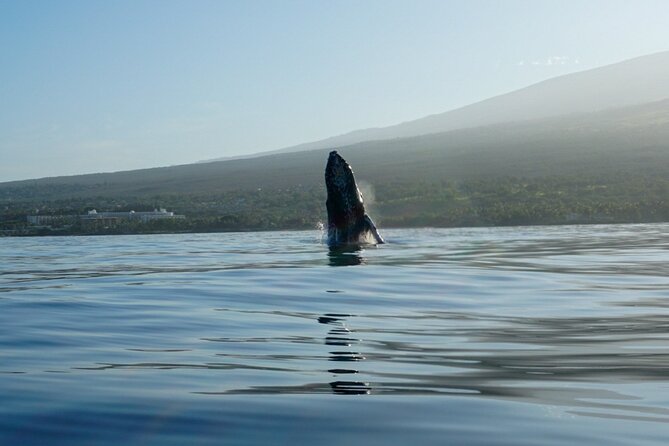
This is the heart of the trip, and the guiding theme in the feedback is simple: you can get close without feeling reckless. That doesn’t mean you control the whales. It means your guide controls the human side—spacing, timing, and how the group reacts.
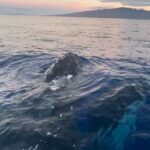
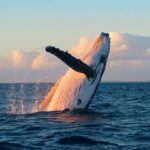
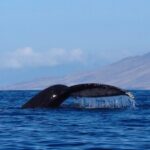
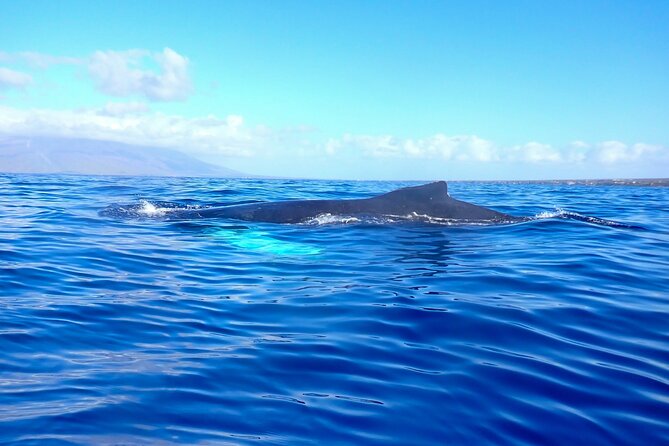
In the sightings, humpbacks can appear at surprising distances, then change the whole moment in seconds when they surface close by. You might see behaviors like spouting and fluke display, and some outings include breaches nearby. The big point is not the stunt—it’s that you’re watching real life at water level.
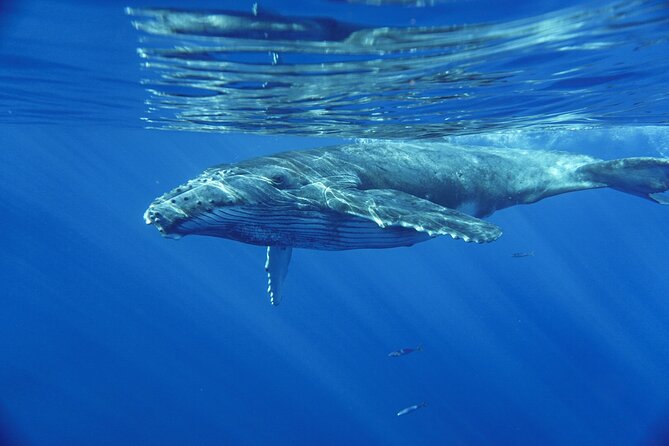
One of the most memorable details for many people is sound. Humpback song can carry underwater, and when there’s no big engine noise in the background, the experience can feel oddly intimate. Even if you don’t catch every note, you’ll probably notice that you’re paying attention in a different way when you’re quiet and close enough to actually hear what’s happening.

What You Get For the Price (And Why It’s Not Just $130)
The price is $130.00 per person for about 3 hours with Tropical Guides & Outfitters. On its face, it’s not cheap. But the value comes from what you can’t easily replicate on your own: a guided plan, whale-spotting skill, and the safety systems that let you get close to marine wildlife.
A few budget-relevant facts help you judge value accurately:
- Bottled water is included.
- Digital photos are available to purchase. (That means you may pay extra if you want them, but you’re not locked in.)
- Gratuity for the guide is not included, so plan for that.
- The group is limited to 8 travelers, which supports more attention and better movement on the water.
Also, whale watching is inherently “wild.” You’re paying for the best shot at a great encounter, not a guaranteed performance. One of the smartest parts of booking a guided trip is that you’re not doing guesswork when whales are moving and weather is shifting.
In short: you’re not only buying a viewpoint. You’re buying guidance that increases your chances and keeps your day comfortable.
What to Bring (So You Don’t Spend the Trip Thinking About Yourself)
The tour info doesn’t list a full packing list, so I’ll keep this practical and general. For a morning kayak outing, you’ll want to handle sun, water, and comfort. Think: clothes you can wear on a boat-like adventure and that won’t make you miserable if you get damp.
You should also be ready for the physical part. The tour notes say moderate physical fitness. That usually means you’ll be paddling and handling the kayak with some effort. If you have knee or back limitations, or if you’re not comfortable with light repetitive movement, you’ll want to be honest with yourself before booking.
Good weather is required. If conditions are poor, the tour may be rescheduled or refunded. That’s not a dealbreaker—it’s the nature of ocean tours—but it does mean you should keep your schedule flexible when possible.
Weather Reality Check: Why the Day’s Conditions Matter
This experience requires good weather. If it’s canceled due to poor weather, you’ll be offered a different date or a full refund. That’s the right policy for whale kayaking, because wind and surf can change the safety equation fast.
There’s also the wildlife reality: humpbacks are wild animals. The season improves your odds, but it doesn’t write a script. What you’re really buying is the guided effort to meet the whales where they are, plus the calm, safe structure to enjoy the moment either way.
If you’re the kind of traveler who hates uncertainty, this can still work—but you’ll enjoy it most if you treat it as a nature appointment, not a guaranteed show.
Who This Tour Fits Best in Maui
This is a strong match for you if:
- You love nature and want something active, not just scenic
- You want to get near the whales from water level
- You appreciate small-group attention (max 8)
- You’re traveling with a partner or family and want a shared highlight
It can also be a good choice even if you’re not an expert kayaker. The experience is designed for guided participation, and the emphasis on safety and skill helps people settle in.
The main mismatch is if you’re not up for moderate physical activity. The ocean also has its own rules. If you can’t handle early mornings (7:00 am start) or if your plan can’t flex with weather, you might feel stressed instead of amazed.
Should You Book This Maui Kayak-Whale Tour?
If your top Maui priority is a real, close-up whale experience, I think booking makes sense—especially during mid-December through March. The small group size, the guided positioning, and the chance to hear whale song from the water make this more than a standard whale tour.
Book it if you’re ready for a morning start, okay with moderate effort, and you want that quiet, close-to-nature feeling that big boats rarely deliver. Skip it if you need guaranteed sightings or you know your body won’t handle paddling comfortably.
Overall: this is one of those tours where the details matter. And on this one, the details are exactly what you want—safety-focused guidance, close viewing, and a truly different way to meet humpbacks.
FAQ
FAQ
What’s the meeting point for the kayak and whale watching tour?
The tour meets at Makena Landing Park, 5083 Makena Rd, Kihei, HI 96753. The activity ends back at the meeting point.
What time does the tour start?
The start time is 7:00 am.
How long is the tour?
The duration is approximately 3 hours.
What’s the group size limit?
This activity has a maximum of 8 travelers.
Is bottled water included?
Yes. Bottled water is included.
Are digital photos included?
Digital photos are available to purchase, but they are not listed as included for free.
Is gratuity included?
No. Gratuity for the guide is not included.
Is the tour suitable if I have moderate fitness?
The tour notes say travelers should have a moderate physical fitness level.
What’s the cancellation policy if weather is bad?
You can cancel for free up to 24 hours in advance for a full refund. If canceled due to poor weather, you’ll be offered a different date or a full refund.