REVIEW · MAUI
Whale Watching Tour on a Charming Hawaiian Catamaran From Maalaea
Book on Viator →Operated by Makena Coast Charters · Bookable on Viator
Maui’s whale season sounds better offshore. This 2.5-hour outing on the Winona is all about spotting humpback whales close up, then hearing their songs through underwater hydrophones while you watch West Maui, Molokai, and Lanai from the water.
I really like the value here: you get light snacks and drinks with your ticket, plus two restrooms onboard. I also like the small-group feel, which makes it easier to hear the crew’s spotter calls and shift your position when whales pop up near the boat.
One thing to plan for: this tour depends on good weather, so if conditions are rough, you may need to switch dates or take a refund.
In This Review
- Key highlights I’d circle first
- Maalaea’s Winona Catamaran: why this setup feels special
- The whales you’re chasing: humpbacks, plus what you can actually hope for
- Your 2.5-hour plan on the water: how the time usually gets used
- Hydrophones and whale songs: the moment that makes it feel real
- Onboard comfort: snacks, drinks, restrooms, and where to sit
- Crew approach: spotting effort, respectful behavior, and names you may hear
- Views of West Maui, Molokai, and Lanai that you’ll remember
- Dolphins: the bonus when conditions line up
- Timing and weather: what to expect when the sea is rough
- Price and value: how $85 stacks up for Maui whale watching
- Who should book, and who should think twice
- Quick logistics tip: finding the boat at Maalaea
- Should you book this Maalaea whale watching catamaran?
- FAQ
- When is the best season for humpback whales on this tour?
- How long is the whale watching tour?
- Where does the tour start and where does it end?
- What’s included in the ticket price?
- Do kids go free?
- What do infants need to bring?
- What if weather is bad?
Key highlights I’d circle first
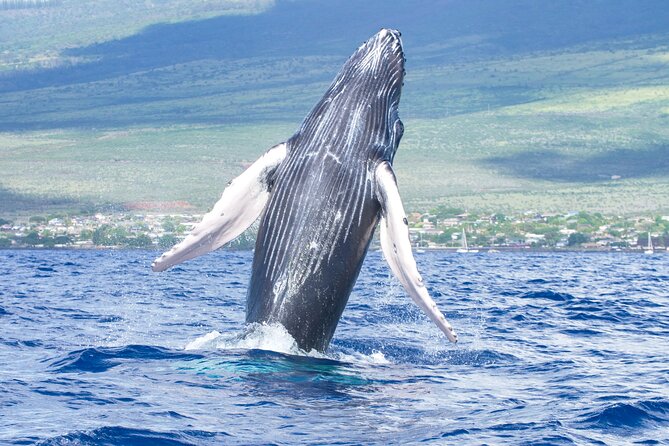
- Humpback whales in their winter breeding season (Dec–Mar)
- Underwater hydrophones so you can listen to whale songs
- A Hawaiian-built catamaran, Winona, designed for comfort and visibility
- Small-group format (max 40) for a less crowded feel
- Snacks and drinks included, including 21+ adult beverages
- Occasional dolphin encounters on the right day
Maalaea’s Winona Catamaran: why this setup feels special
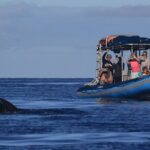
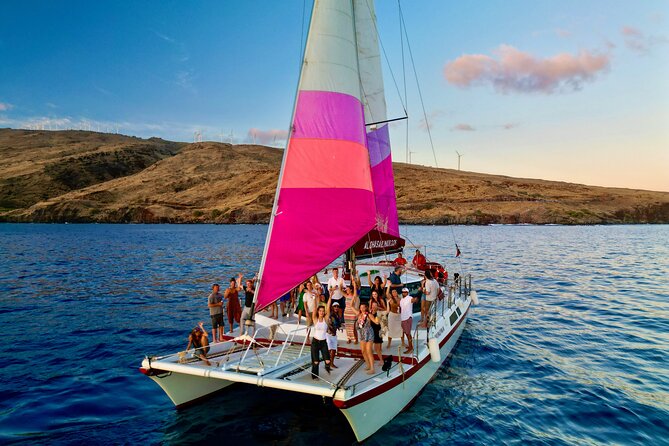
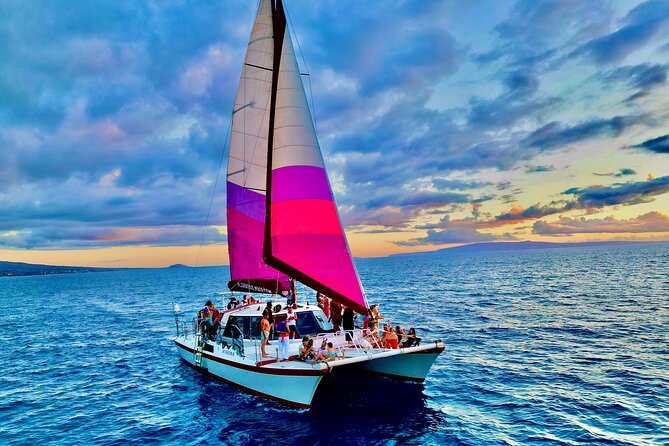
If you want whale watching without the big-boat chaos, this is the kind of tour I look for. The ride is on Winona, described as Maui’s only Hawaiian-built catamaran, and recent guests consistently highlight the more intimate size of the experience.
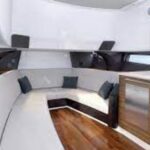
You’re not just sitting in rows. Because the boat is smaller, you tend to have an easier time getting a front-row view when whales are spotted, and the crew can manage the group as conditions change. People also note practical comfort details that matter out on the water: the boat has two restrooms, and the crew keeps snacks and drinks flowing.
There’s also a vibe that feels genuinely local. The tour includes island-style music, and on some trips there’s an onboard drinks setup that adds to the laid-back feel. It’s not a party cruise, but it’s not stiff either.
You can also read our reviews of more tours and experiences in Maui.

The whales you’re chasing: humpbacks, plus what you can actually hope for
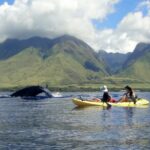
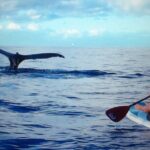
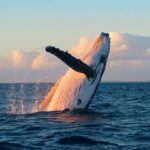
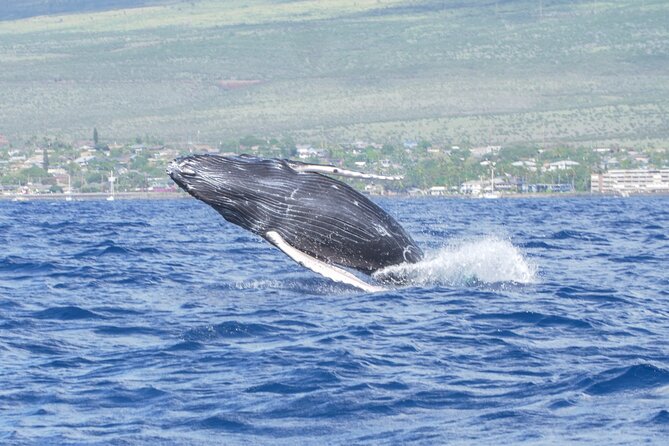
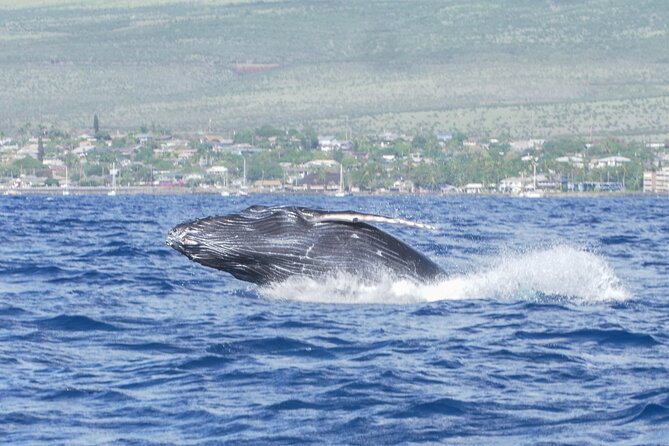
Maui’s humpback whales show up like clockwork in winter. From December through March, hundreds of migrating humpbacks arrive from colder northern waters to mate and give birth in warmer Hawaiian seas. On this tour, the goal is simple: find them, watch them, and learn what you’re seeing.
This is also where the hydrophones become more than a cool gadget. The tour uses underwater equipment so you can hear whale songs while you’re watching the surface behavior. Even if you’re new to whales, hearing that vocal soundtrack helps the whole experience click.
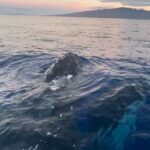
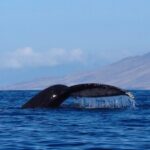
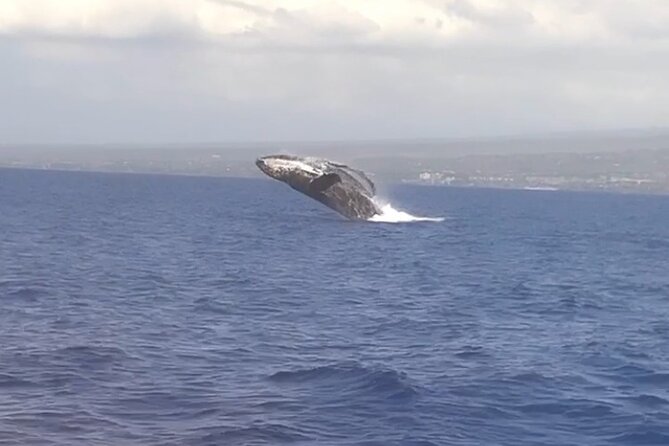
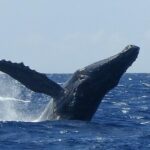
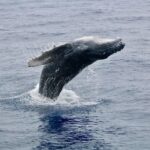
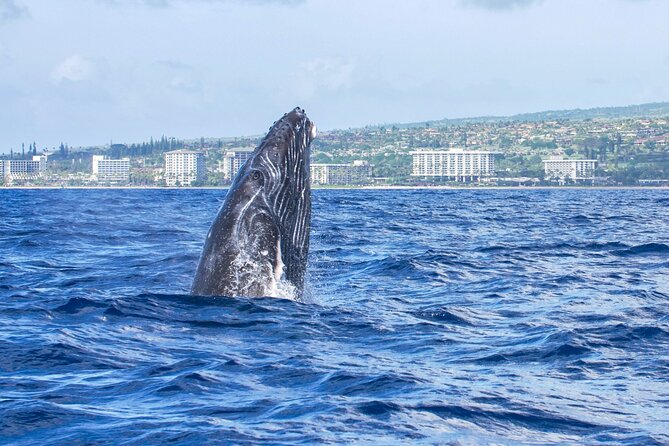
Now, a quick reality check: humpback sightings aren’t guaranteed the way a zoo exhibit is. But the recent pattern sounds promising. Guests report anything from quick early sightings to days with dozens of whales, including mothers with calves and males nearby. If you go in expecting variety—breaches, tail slaps, surface time that comes and goes—you’ll be happier with the outcome.
Your 2.5-hour plan on the water: how the time usually gets used
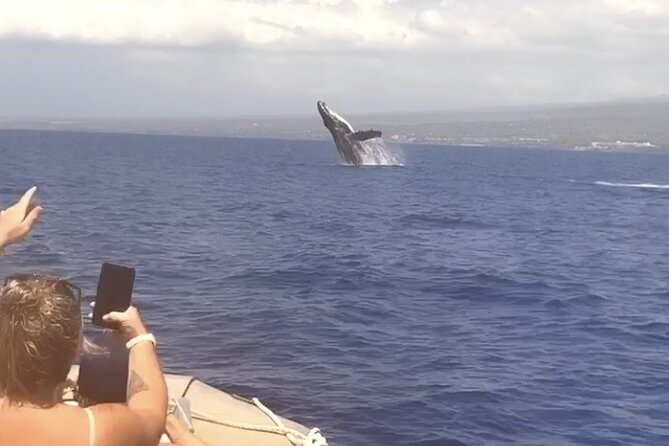
You’ll start and end at 233 Maalaea Rd, Wailuku, HI 96793. The activity runs about 2 hours 30 minutes, give or take with whale movement and sea conditions, and it returns back to the same meeting point.
Here’s how the flow typically works, based on what’s described:
- You depart from the marina area and head out toward whale search zones.
- Once spotters call whales, the crew works to position the boat for the best view while keeping a respectful distance.
- On many trips, they’ll check multiple locations—recent guests describe stopping at three or four whale-viewing spots—so you aren’t stuck watching the same patch of ocean the whole time.
- When whales are close, you may get a more “whales-first” approach. One guest noted the captain turning off engines and drifting so whales could approach.
- The outing wraps back around after the crew has spent the bulk of the session watching and listening, then you’re back at the start point.
The most important thing for you: be ready to move your eyes quickly. Whale watching is basically “spot, reposition, watch.” If you stay flexible—front to back on the boat, left to right as needed—you’ll catch more of the action.
Hydrophones and whale songs: the moment that makes it feel real
Most whale tours say you can hear whales. This one gives you a way to actually listen. The tour includes underwater hydrophones, and several guests call out the microphone/lower-into-the-ocean moment as a standout.
What that means for you:
- When the crew senses whales nearby, you get a chance to listen as the songs carry through the water.
- It adds context to surface behaviors. You’re not just spotting “something big.” You’re noticing communication and patterns.
- It’s also a great equalizer for groups—if you’re with someone who doesn’t “care” about whales, the hydrophone audio pulls them in fast.
If you’re the type who loves astronomy or music, you’ll probably grin here. The ocean goes from scenery to a full audio experience.
Onboard comfort: snacks, drinks, restrooms, and where to sit
This isn’t a bare-minimum excursion. Your ticket includes light snacks, plus soft drinks, juice, and water. There are also two adult beverages for guests 21+. That matters on Maui, because it’s easy to get dehydrated or hungry while you’re scanning the horizon.
There’s also practical comfort: two restrooms on board. On a 2.5-hour outing, that’s not a luxury—it’s the kind of detail you’re happy you don’t have to think about.
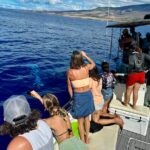
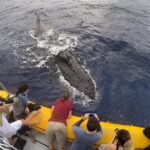
Seating matters. One of the most useful “bring-your-brain” tips from guests: the front area (including nets) can be splattery, but the front-row view can be worth it if you don’t mind getting a little wet. If you’re sensitive to spray, you might prefer seating a bit more protected while still keeping sightlines.
And yes, there’s a no shoe policy on deck mentioned by recent guests. That’s common on smaller boats, and it helps keep things safer and cleaner.
Crew approach: spotting effort, respectful behavior, and names you may hear
The crew is repeatedly mentioned as a major reason people loved the day. You’ll hear spotter updates, and the team’s job is to keep everyone informed about where whales are and how to look.
Several guest names come up in the feedback, which gives you a sense of the personalities you might interact with: Captain Sam, Spencer, Megan/Meghan, Carl, and Stacey. Even if the exact faces change by date, the pattern is consistent: guests describe a team that works hard to find whales, keeps track of where sightings happen, and answers questions.
There’s also emphasis on respecting whale space. People mention the crew being careful about safety and maintaining a respectful approach while still getting you close enough for real viewing.
For you, that translates into a better experience in two ways:
- You’re not just floating near whales; you’re usually positioned for views when they surface.
- You’re more likely to understand what you’re seeing, which makes the whole thing feel less random.
Views of West Maui, Molokai, and Lanai that you’ll remember
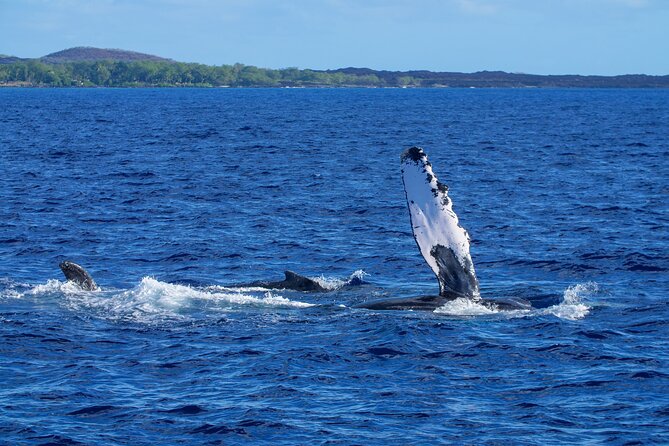
Even when you’re not actively watching a breach, the setting does work for you. From the water you get wide sightlines of West Maui, and on a clear day you can see Molokai and Lanai framed across the horizon.
That matters because whale watching can be episodic. Whales might surface in bursts. When there’s a lull, you still have something worth looking at: the coastline, the islands, and the way winter light hits the sea.
It’s also a nice contrast to the land-based Maui stuff. Instead of hot parking lots and quick photo stops, you’re out on the water with time to let the scenery sink in.
Dolphins: the bonus when conditions line up
You might also get dolphin encounters. They’re described as occasional, not guaranteed, so treat it as a bonus. The value for you is the same either way: the crew is already scanning the water constantly, so when something swims up near the whale zone, you may catch it.
If your group has mixed whale “enthusiasm” levels, dolphins can be the extra hook that keeps everyone happy during whale gaps.
Timing and weather: what to expect when the sea is rough
This tour requires good weather, and that’s not just a fine-print note. Whale watching depends on visibility and safe boating. If weather is poor, the operator will offer a different date or a full refund.
So if you’re deciding between dates in Maui, I’d pick the calmer-weather option if you have flexibility. Also pack for the fact that it can feel cooler on the water than it does on land, even in winter.
One more practical note: guests describe windy days happening. On at least one windy trip, the captain and crew stayed on top of safety, and the group still saw plenty of whales. That’s reassuring, but it’s still smart to dress for spray and wind.
Price and value: how $85 stacks up for Maui whale watching
At $85 per person, this tour is priced as a mid-range option for Maui. The value comes from what’s included, not just the base ticket:
- Light snacks are included
- Soft drinks/juice/water are included
- Two adult beverages (21+) are included
- Restrooms are onboard
- Whale songs are enhanced with underwater hydrophones
In other words, you’re not paying extra for the essentials that keep you comfortable on a few hours at sea. Add the small-group feel (max 40), and you’re also not stuck in a crowd trying to see over everyone’s heads.
Is it the most expensive whale tour? Probably not the cheapest either. But if you want a strong mix of comfort + viewing + audio learning, the math usually works out well.
Who should book, and who should think twice
This tour fits best if you:
- Want humpback whales in Maui’s peak season (Dec–Mar)
- Prefer a smaller, less crowded catamaran experience
- Like guided explanations and using tools like hydrophones
- Appreciate included food and drinks so you don’t ration water at sea
It’s listed as suitable for most travelers, with a note about moderate physical fitness. It’s not recommended for travelers with mobility issues. If you fall into that category, your best move is to ask the operator directly about what’s easiest for you on board. The tour can involve movement around decks and adjusting your viewing spot when whales surface.
Quick logistics tip: finding the boat at Maalaea
Multiple guests mention it can be a little hard to find the exact boat at the meeting point. So do yourself a favor:
- Arrive a bit early
- Have the operator’s details ready on your phone
- Be ready to ask quickly once you’re there
It sounds small, but it saves stress before the tour even starts.
Should you book this Maalaea whale watching catamaran?
If your top goal is humpback whales plus a real sense of connection (through hydrophones, crew spotting, and that smaller-boat viewpoint), I’d book this one. The biggest selling points are the included drinks/snacks, the underwater whale-song audio, and the consistent guest reports of lots of whale activity, including mothers and calves when the day cooperates.
I’d reconsider if you:
- Need strong mobility accommodations (the tour is not recommended for mobility issues)
- Are going on a date where weather looks questionable and you don’t have flexibility to switch dates
If you can handle a little ocean wind and you’re excited to listen and learn while you look, this is a solid Maui whale watching choice out of Maalaea.
FAQ
When is the best season for humpback whales on this tour?
The tour is timed for the humpback migration season from December through March, when humpback whales travel to Maui’s warm waters to breed and give birth.
How long is the whale watching tour?
The tour runs about 2 hours 30 minutes (approx.).
Where does the tour start and where does it end?
It starts at 233 Maalaea Rd, Wailuku, HI 96793, USA and ends back at the same meeting point.
What’s included in the ticket price?
You get light snacks, soft drinks, juice, and water, island-style music, and underwater hydrophones. There are also two restrooms onboard. Guests 21+ get two adult beverages.
Do kids go free?
Infants and kids ages 0–5 come for free, but parents must call the office to confirm.
What do infants need to bring?
For infants 0–6 months old, parents must bring a Coast Guard approved life vest.
What if weather is bad?
This experience requires good weather. If it’s canceled due to poor weather, you’ll be offered a different date or a full refund.