REVIEW · MAUI
2 Hour Prime Time Maui Whale Watching
Book on Viator →Operated by Maui Ocean Adventures · Bookable on Viator
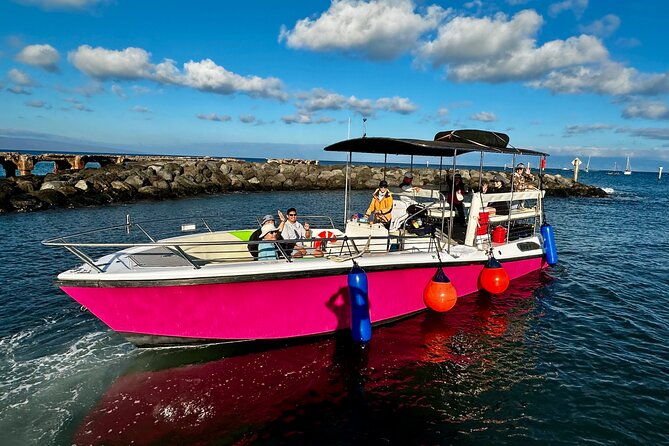
Whales, close up, without the big crowds. This 2-hour Maui Ocean Adventures cruise leaves from Mala Boat Ramp and runs as a small-group whale watch, so you get a front-row feel without wrestling for space.
I also love how the captain and crew teach you what you’re seeing, pointing out humpback behavior as you cruise through Maui’s marine sanctuary waters. One heads-up: there are no restrooms onboard, so plan your timing before you step on.
In This Review
- Prime Time Maui Whale Watching: the 2 Hours That Feel Short
- Key Things That Make This Tour Worth Your Time
- Getting On the Boat at Mala Boat Ramp (and Why It Matters)
- What You’ll See in Maui’s Whale Habitat (Without the Crowds)
- The Small-Boat Advantage: Better Views for Everyone
- How the Captain and Crew Teach While You Watch
- Close Encounters: Calves, Breaches, and Whale Song
- Views Beyond the Water: Islands and West Maui Mountains
- Comfort, Motion, and What to Expect Onboard
- Rescheduling When Weather Hits (So You Don’t Lose the Trip)
- Who Should Book This Tour
- Should You Book 2 Hour Prime Time Maui Whale Watching?
- FAQ
- Where is the meeting point for the tour?
- How long is the 2 Hour Prime Time Whale Watching cruise?
- What time does the experience start?
- How many people are on the boat?
- Are there restrooms onboard?
- Is this a shoes-on cruise?
- What’s included with the tour?
- Is whale spotting guaranteed?
- Are children under a certain age allowed?
- What happens if weather is poor?
Prime Time Maui Whale Watching: the 2 Hours That Feel Short
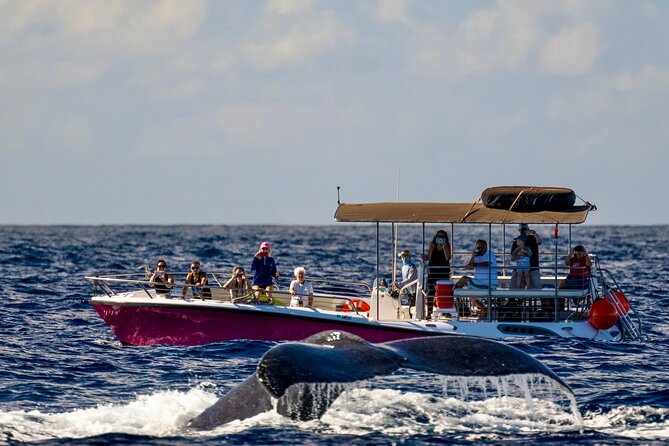
This is the kind of Maui activity you do for the main event. You go out with a tight group, scan the water for humpbacks, then you stay close enough to actually read the whales’ body language instead of just spotting shapes in the distance.
The tour runs about 2 hours, and it’s built around “prime time” conditions—when humpbacks are active. If you’re going during mating and calving season, you can get extra lucky, with more moms and calves showing up during the same run.
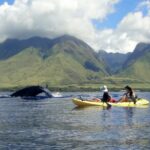
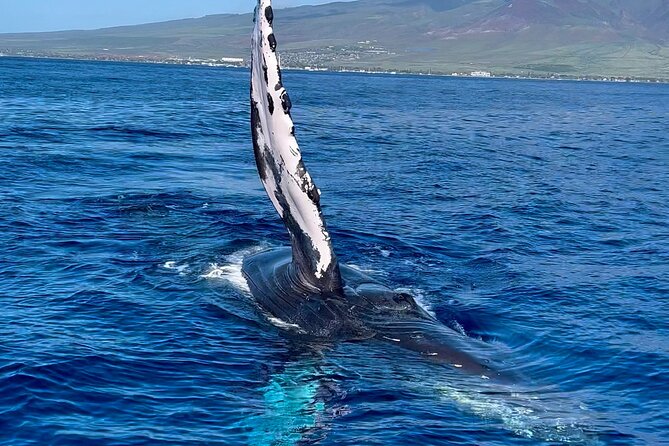
You also get one of the best parts of whale watching in Maui: the scenery. Even when the whales are quiet, you’re still cruising past the West Maui mountains and in view of islands like Moloka‘i, Lāna‘i, and Kaho‘olawe, with Haleakalā hanging in the background on the right day.
Key Things That Make This Tour Worth Your Time
- Small group size (max 20) for better sightlines and an easier, calmer vibe
- No-shoes cruise design that keeps the deck safer and cleaner, with easy-on/easy-off footwear
- Expert crew explanations as you watch—behavior cues, not just animal spotting
- Up-close humpback moments reported repeatedly, including mama and calf sightings
- Extra whale tech like underwater microphone whale song and occasional underwater video sharing
You can also read our reviews of more tours and experiences in Maui.

Getting On the Boat at Mala Boat Ramp (and Why It Matters)
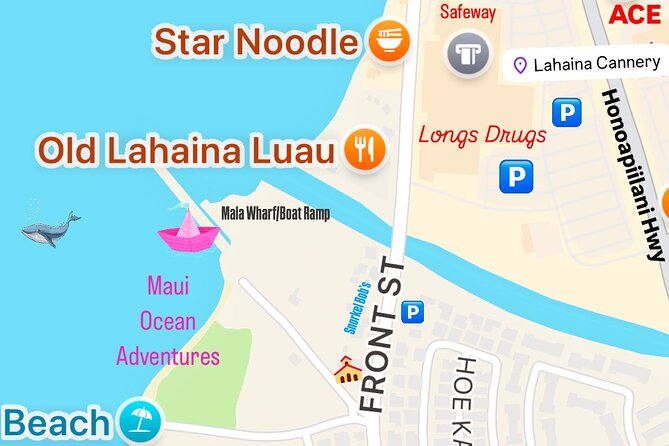
Check-in is at Mala Boat Ramp in Lahaina, and the instruction is to arrive at least 20 minutes early. That buffer matters. It’s not just paperwork and timing; it’s getting settled so you’re ready to start watching as soon as you leave.
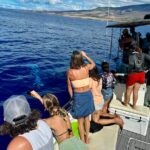
This is a no-shoes style cruise. The deck is set up for bare feet, and the flooring is described as padded and non-slip. That means you’ll feel more secure while the boat moves, compared with slipping around on typical footwear-on-deck setups. Bring easy-to-remove footwear for the ride, since you’ll want to take them off right away.
Also note the practical reality: there are no restrooms onboard. For a 2-hour outing, that’s manageable, but it means you’ll want to use facilities before you board.
What You’ll See in Maui’s Whale Habitat (Without the Crowds)
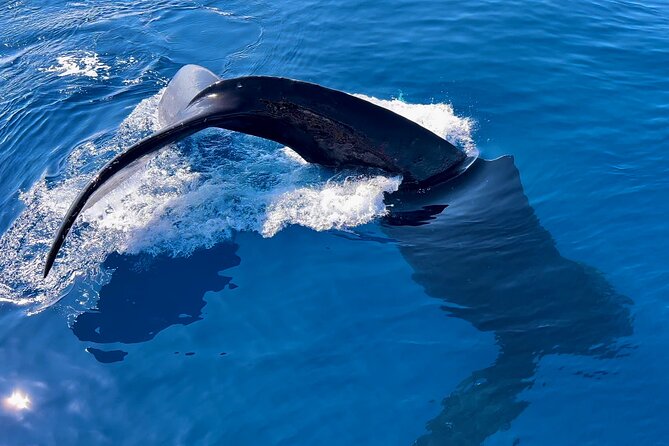
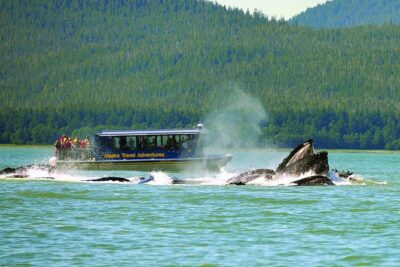
The whole point here is humpback whales in their own Maui waters—inside the national marine sanctuary area this cruise operates in. The operator promises guaranteed whale sightings, and the reviews back up that they work hard to find whales and keep searching when sightings aren’t immediate.
You’ll be on the water looking for the classic humpback signals:
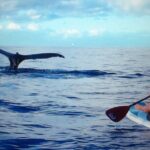
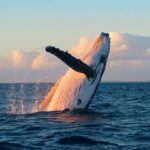
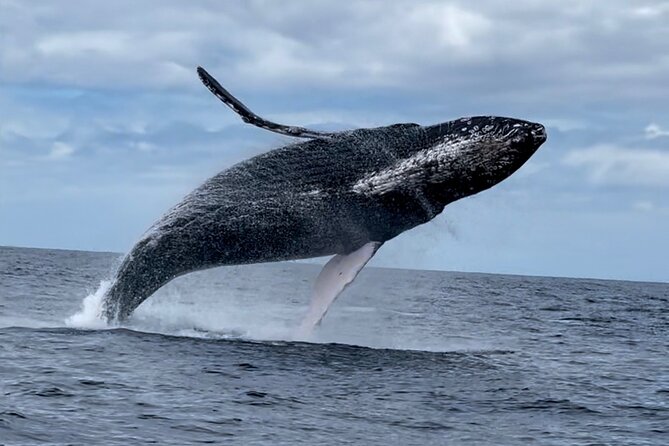
- Breaches (leaping high out of the water)
- Fin slaps
- Active surface behavior from mothers and calves
- Social movement where males may hang nearby during the season
And the tour doesn’t treat whale spotting like a silent scavenger hunt. The crew helps you interpret what you’re seeing so the time goes faster. When you know what to look for—how they surface, how they move, what behavior suggests—you stop just watching and start understanding.
The Small-Boat Advantage: Better Views for Everyone
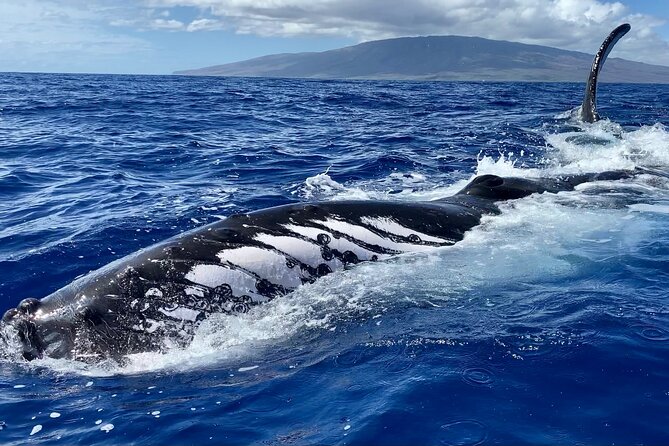
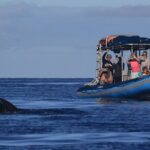
A major reason this cruise earns repeat praise is simple: the boat carries a maximum of 20 travelers. That small size changes the whole experience.
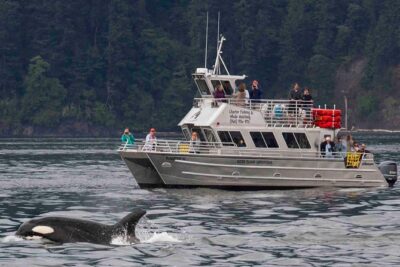
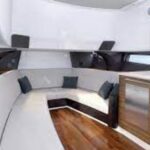
On larger operations, you can end up stuck behind railings, other passengers, or awkward viewing angles. Here, the “small boat” setup is designed so you can get a 360-degree view from your seat, and you’re not working around a packed crowd.
The boat itself gets a lot of credit too. People describe it as fast, clean, and comfortable, with seats that let you see without constant twisting. One review even called out the difference versus a typical pontoon feel, saying the seats are far more comfortable than you’d expect.
For me, that’s the real value: not just seeing whales, but actually being able to enjoy the moment when they surface close enough to matter.
How the Captain and Crew Teach While You Watch
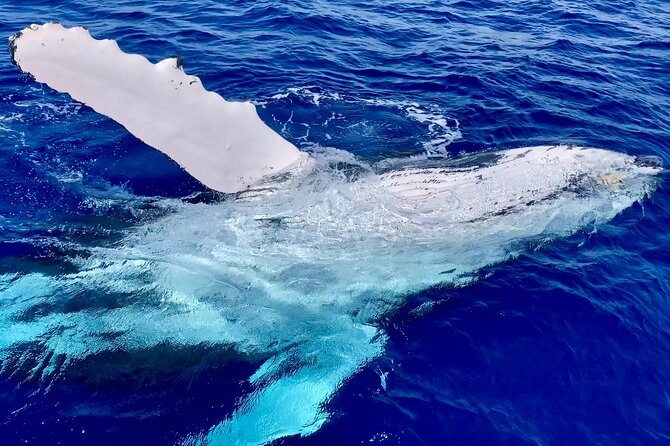
You’re not sent out and left alone with a phone camera. The crew role is active: they guide your attention and explain whale behavior as it happens.
This tour is also known for having an all-female crew, with names that show up often in the stories:
- Captain Emma
- Lexi
- Danielle (first mate mentioned in a couple of reviews)
- Dan (shown as part of the crew team in one account)
What I like about how they teach is that it’s practical. They don’t just recite facts. They help you understand why whales are behaving the way they are, which makes your next sighting feel clearer and more intentional.
You may also get audio and visual treats that most whale tours skip. One reviewer described being able to listen to whale song using an in-water microphone, and another mentioned underwater video footage shared at a second stop. That’s not required for a great tour, but it’s a helpful way to connect what you see on the surface with what’s going on below.
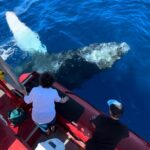
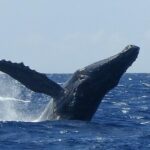
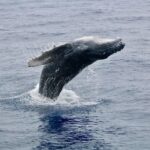
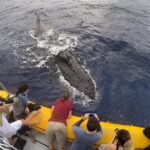
Close Encounters: Calves, Breaches, and Whale Song
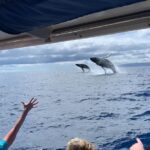
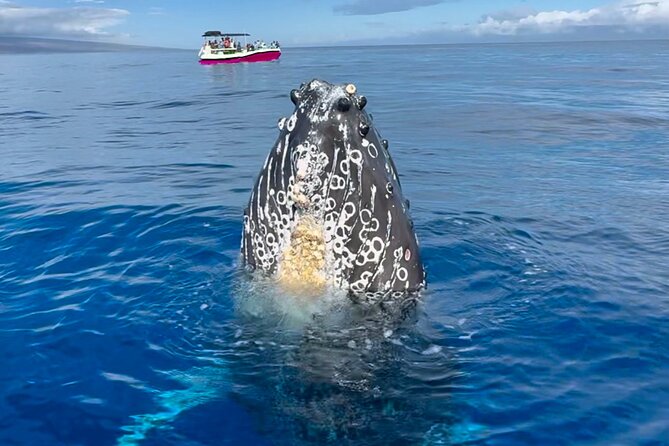
If you’re hoping for the “wow” moments, this is the right kind of cruise to aim for. Reviews describe seeing multiple whales within close distance, including a mama and her calf. People also mention intense surface action such as repeated breaches and fin slaps, with one account reporting more than 30 breaches during a trip when water conditions were flat.
You might also get lucky with other sea life. Some reviews mention turtles, dolphins, and even sharks as occasional bonuses. The whales are the main event, but these extras are a nice reminder that you’re not just watching one animal—you’re sharing the water with a whole ecosystem.
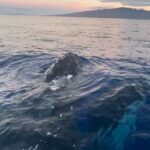
And yes, sometimes the whales come surprisingly near the boat. One story said a whale swam over close enough to feel personal, and another described following a mom and calf for an hour. That kind of sustained attention is where the small-group advantage really shows.
Views Beyond the Water: Islands and West Maui Mountains
Whale watching in Maui is more than spotting animals. It’s also the geography.
On a good outing, you get a moving view of:
- Moloka‘i
- Lāna‘i
- Kaho‘olawe
- Haleakalā
- the West Maui mountains
Even if whale activity is spread out, those views keep you anchored. The islands and peaks give you scale—so the cruise feels like a true Maui water journey instead of just a boat ride.
This matters because real wildlife watching isn’t constant action every minute. When the pace slows, the scenery keeps your attention where it should be.
Comfort, Motion, and What to Expect Onboard
This trip is around 2 hours, and most of that time is spent in motion and scanning. The physical demand is described as moderate fitness, which usually means you should be able to move around the boat and stand or shift positions as you look for whales.
One thing to plan for: motion. A review mentioned that a child sensitive to sea sickness felt ill toward the end, but the crew was accommodating and helped manage the situation. That’s a reminder to be honest with yourself. If you’re prone to motion sickness, consider preparing for that and let staff know early.
Also, the no-shoes setup is a comfort and safety feature, not just a quirky rule. If you have trouble bending or getting your shoes back on afterward, that’s worth thinking about ahead of time. One review suggested improvements for elderly passengers needing a stool or chair for shoe re-doing. Even without that exact setup, it’s smart to communicate needs early.
Rescheduling When Weather Hits (So You Don’t Lose the Trip)
This is a weather-dependent activity, so if conditions are poor, the tour may be canceled. In that case, you’ll be offered a different date or a full refund. One review described their whale watch being canceled the day before, then rescheduled for a sunrise cruise with no trouble and a very memorable morning on the water.
My advice: treat this like the kind of plan that needs flexibility. If you’re tight on timing, you’ll still have options, but building in some slack helps you get the outcome you want—whales in good conditions.
Who Should Book This Tour
I’d book this if you want:
- Up-close humpback viewing rather than far-off spotting
- a small group where you can hear the captain and ask questions
- a crew that explains behavior as you go (so you learn something, not just watch)
- a comfortable boat experience with the kind of viewing access that helps everyone see
It’s also a good fit for couples and friends. Families can enjoy it too, with one key restriction: no children under 3. If you’re traveling with young kids, confirm ages before you book.
If you hate crowds, don’t want to juggle cameras over other people’s heads, and you prefer a calmer, more focused experience, this style of small-boat whale watching is exactly what you’re looking for.
Should You Book 2 Hour Prime Time Maui Whale Watching?
Yes—if your priority is whale sightings and you care about how you experience them. A lot of Maui whale tours promise whales. What makes this one stand out is the combination of small-group format, comfortable boat layout for viewing, and a crew that actively teaches you what you’re looking at instead of just driving you out.
The main trade-off is simple: no restrooms onboard, plus the usual chance of motion on the water. If you plan around that and you’re ready to watch for a solid two hours, this is a high-value way to spend your time in Lahaina looking for humpbacks in Maui’s sanctuary waters.
FAQ
Where is the meeting point for the tour?
You’ll meet at Mala Boat Ramp, Lahaina, HI 96761, USA. The tour returns back to this same meeting point.
How long is the 2 Hour Prime Time Whale Watching cruise?
It runs for about 2 hours (approx.).
What time does the experience start?
The start time shown is 8:50 am.
How many people are on the boat?
This activity has a maximum group size of 20 travelers.
Are there restrooms onboard?
No. There are no restrooms onboard.
Is this a shoes-on cruise?
No. It’s a no shoes cruise, and you’re advised to arrive with easy-to-remove footwear.
What’s included with the tour?
The tour includes bottled water. The operator notes they use paper cups and filtered water from a cooler to reduce environmental impact.
Is whale spotting guaranteed?
The tour information says whale sightings are guaranteed.
Are children under a certain age allowed?
No children under 3 are permitted.
What happens if weather is poor?
This experience requires good weather. If it’s canceled due to poor weather, you’ll be offered a different date or a full refund.