REVIEW · VANCOUVER
Vancouver: Zodiac Whale Watching Tour from Granville Island
Book on GetYourGuide →Operated by Wild whales eco tours · Bookable on GetYourGuide
A fast Zodiac ride can change how you see the water. From Granville Island, you’re in an open-air custom-built Zodiac built for speed and 360-degree views, with shock-absorbing seats that make the motion more tolerable. I also like that you don’t just look for whales—you get interpretation from a marine naturalist, plus a conservation angle. The one real drawback: it’s open-air, so wind and spray mean you need warm layers and you may not love the ride if you have back/neck issues or are pregnant.
This tour is designed for a closer, more personal feeling on the Salish Sea, without turning it into a traffic jam for wildlife. I like that the crew follows strict wildlife viewing guidelines and works with spotters and other captains for better odds. Still, sightings are never guaranteed, and conditions (wind, chop, animal behavior) can affect what you see.
In This Review
- Key things I’d watch for
- Why a Zodiac on the Salish Sea feels different than a big boat
- Granville Island check-in: what happens before you hit the water
- The Salish Sea ride: finding whales, dolphins, and seals in real time
- The onboard marine naturalist: learning what you’re seeing
- Safety and comfort: the motion reality (and who should rethink it)
- Wildlife rules and your conservation impact
- The whale-sighting guarantee: how the tour handles uncertainty
- Price and value: what $179 buys you (and what it doesn’t)
- Who this tour is best for (and who should choose something else)
- Practical booking and day-of tips that make a difference
- Should you book this Zodiac Whale Watching from Granville Island?
- FAQ
- Where is the meeting point for the tour?
- How long is the whale watching tour?
- What should I bring for the trip?
- Does the tour provide flotation suits and rain gear?
- What wildlife might I see?
- Is food or hotel pickup included?
- Is the Zodiac tour suitable for everyone?
- What’s the policy if I don’t see a whale?
Key things I’d watch for
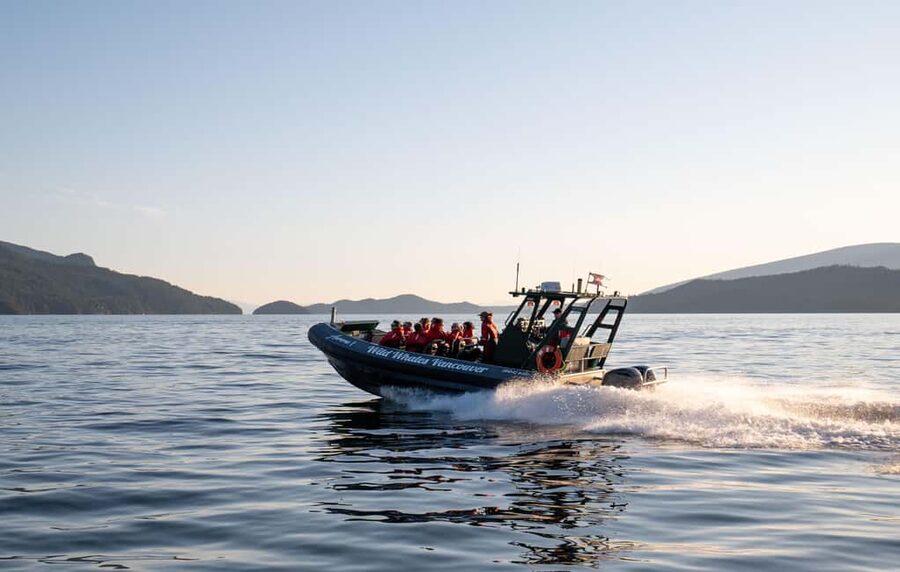
- Open-air 360 views: You’ll feel the wind, spray, and action from every angle.
- Shock-absorbing seats: Built for a bouncy, high-speed ride, not a lounge cruise.
- Marine naturalist onboard: You’ll learn what you’re seeing and why it matters.
- Small-vessel feel: Fewer passengers than large boats can mean less disruption.
- Wildlife sightings guarantee: If you don’t see a whale, you can join again for free.
- Conservation support: Part of ticket profits supports marine research and protection.
Why a Zodiac on the Salish Sea feels different than a big boat
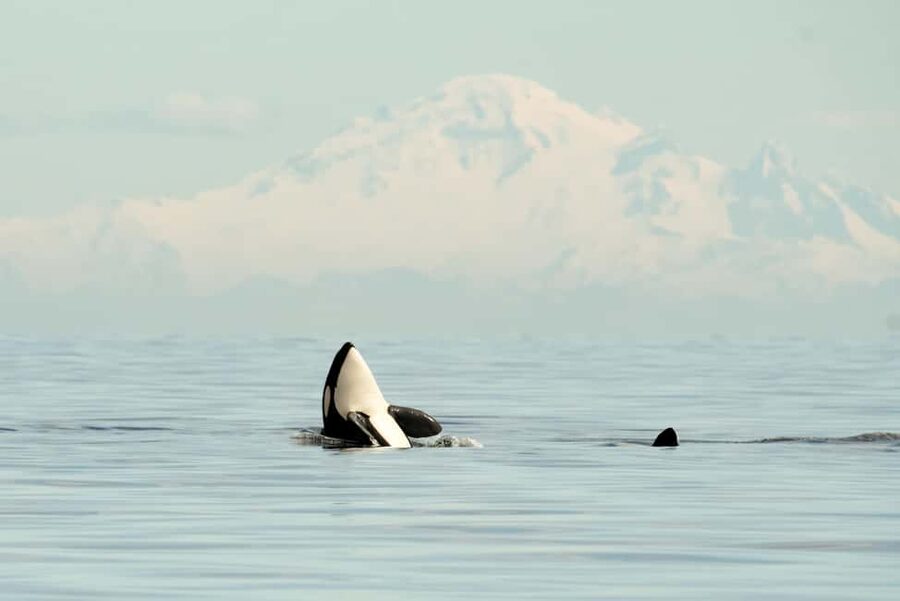
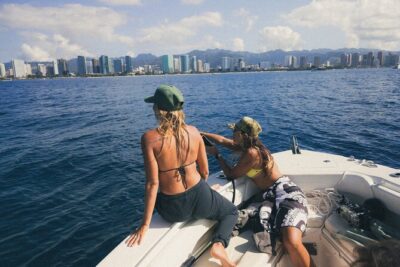
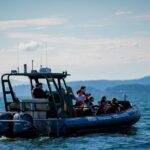
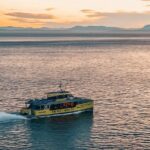
If you’ve only done whale watching from a large, covered vessel, a Zodiac can feel like a different sport. You’re riding in a custom-built Zodiac designed for agility and speed, with an open design that gives you 360-degree visibility. That matters because whales and dolphins don’t politely stay in one direction.
The ride is also built for comfort in a way you might not expect. The seats are described as shock-absorbing with shock-absorbing seating plus a custom fit for the way Zodiac boats move. Translation: you still get movement, but you’re not bouncing around like you’re in a tin can.
And because the boat is smaller, the experience feels less like a crowd and more like you’re out there with a focused crew. That also lines up with the way wildlife viewing guidelines are supposed to work—close enough to matter, but not close in a disruptive way.
You can also read our reviews of more tours and experiences in Vancouver.
Granville Island check-in: what happens before you hit the water
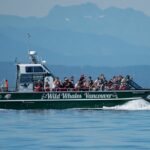
Your day starts at the Wild Whales Vancouver office on Granville Island: 1806 Mast Tower Ln, Vancouver, BC V6H 4B6. It’s right on Granville Island, south of downtown, and you can reach it by car, public transport, or the small local ferry service. In summer, Granville Island parking fills up fast, so I’d plan to arrive early rather than hoping for luck.
Check-in is not casual. You’re asked to arrive 45 minutes before departure for the safety briefing, and late arrivals may not be accommodated. The safety briefing is a full 45 minutes, so treat the first part of your trip as part of the experience, not a quick formality.
Before you launch, you’ll be set up with safety gear. The tour includes full-body flotation suits for warmth and safety, rain ponchos if needed, and storage for personal items. You still bring your own essentials—warm layers, sunglasses, sun hat, camera, and sunscreen—because the Zodiac is open-air and you’ll be exposed to wind and spray.
The Salish Sea ride: finding whales, dolphins, and seals in real time
Once you’re out on the water, the guided portion is about four hours of whale and wildlife viewing in the Salish Sea. That stretch is where your attention shifts from scenery to behavior—watching for breaks in the surface, changes in speed, and the way dolphins or birds move before you even spot the animal.
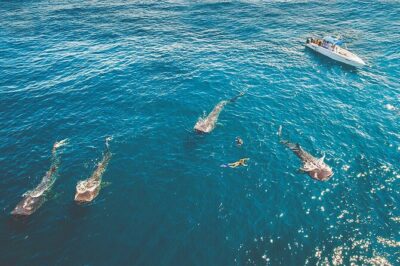
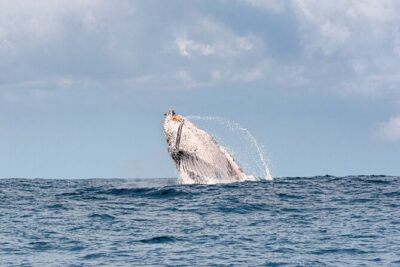
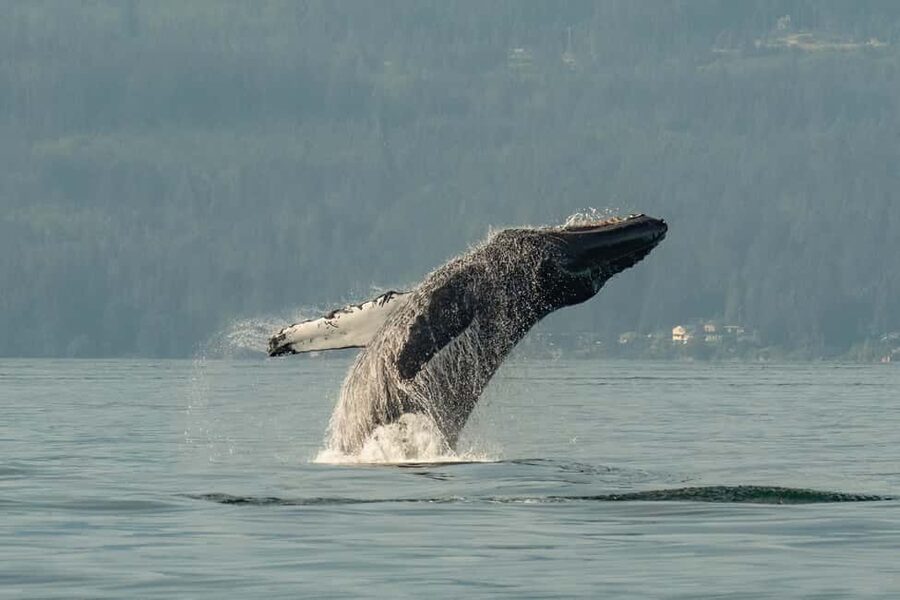
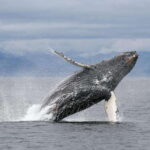
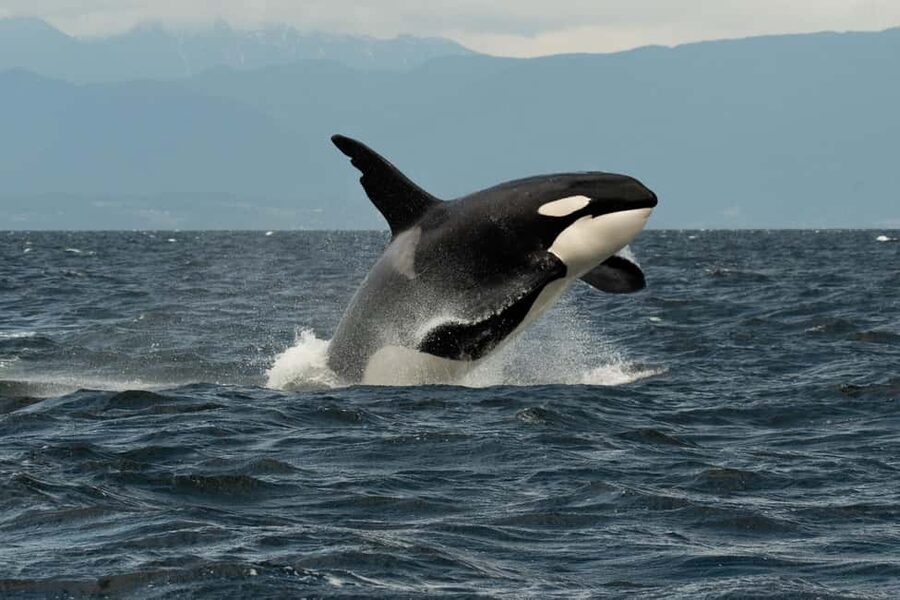
Wildlife sightings depend on conditions and recent reports, so what you see can vary from day to day. Still, the tour lists a strong menu of possibilities: orcas, humpback whales, grey whales, Pacific white-sided dolphins, harbor seals, stellar sea lions, bald eagles, cormorants, and seabirds.
What makes this more than a waiting game is the crew’s local operation. The captains are Transport Canada-certified with extensive experience on these waters, and the tour uses a network of spotters and other captains to improve your odds. You’re not just along for the ride—you’re actively looking while the crew makes choices based on what’s happening right now.
The onboard marine naturalist: learning what you’re seeing
A big reason this tour lands well is the onboard marine naturalist. Instead of only telling you when to look, the naturalist helps you connect dots about the ecosystem—behavior interpretation and conservation insights are part of the package.
On one recent trip, the marine team named Honour and Rodrigo guided the day, including an impressive orca sighting: 16 orcas across two groups (Northern Residents and Transient). Even if you don’t get that exact outcome, the point is how they frame the sightings—so you understand what you’re watching beyond a quick, pretty moment.
This is also where the tour’s conservation message becomes practical. You learn how the ecosystem works in the Salish Sea, and why the rules for safe wildlife viewing exist. That background helps you notice details you might otherwise miss, like how animals behave differently in different contexts.
Safety and comfort: the motion reality (and who should rethink it)
This is an active, open-air Zodiac. That’s the charm, and it’s also the reason you should think about fit.
The tour notes it is not suitable for pregnant guests or people with back or neck injuries due to motion. It also isn’t suitable for people with heart problems. If you’re sensitive to motion or have limited mobility, this is a day you’ll want to consider carefully before you commit.
Children also have specific requirements. The tour says children must meet a minimum height requirement of 152 cm (5 ft). It also lists other minimums based on categories: it’s not suitable for people under 4 ft 3 in (130 cm), and there are minimum height cutoffs listed at 5 ft 2 in (160 cm) and 5 ft 1 in (155 cm). The clean takeaway: double-check your child’s height when booking so you don’t get turned away at the start.
Comfort-wise, dress like you expect wind. The flotation suits are provided, but they are not fully waterproof. Rain ponchos may be available if needed, but you should still bring warm layers. Sunscreen matters too, since you’ll be exposed and moving between bright sun and wind.
Wildlife rules and your conservation impact
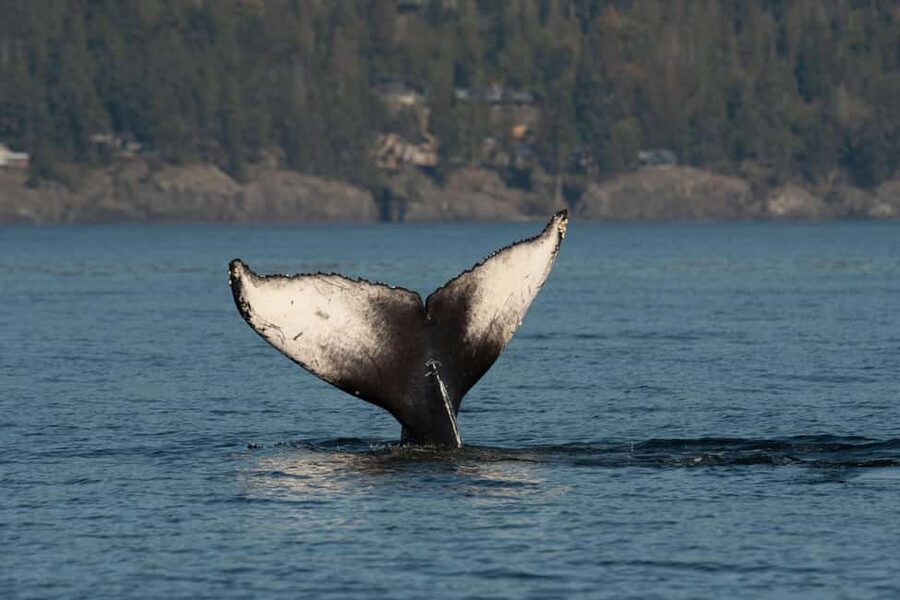
There are strict wildlife viewing guidelines in this region, and the tour specifically says it follows guidance set by the Pacific Whale Watch Association and DFO. That matters because the goal isn’t to chase animals—it’s to watch them responsibly.
You can see how the rules show up in practical behavior. You’re told not to feed animals, not to touch marine life, and not to allow pets. Fireworks are also not allowed, which is a standard constraint for wildlife operations.
What you might like most is that the tour doesn’t treat conservation like a slogan. A portion of the ticket price supports regional marine research and protection initiatives. When you’re paying for something you’re excited to experience, that added funding helps connect your day out to the long-term health of the Salish Sea.
The whale-sighting guarantee: how the tour handles uncertainty
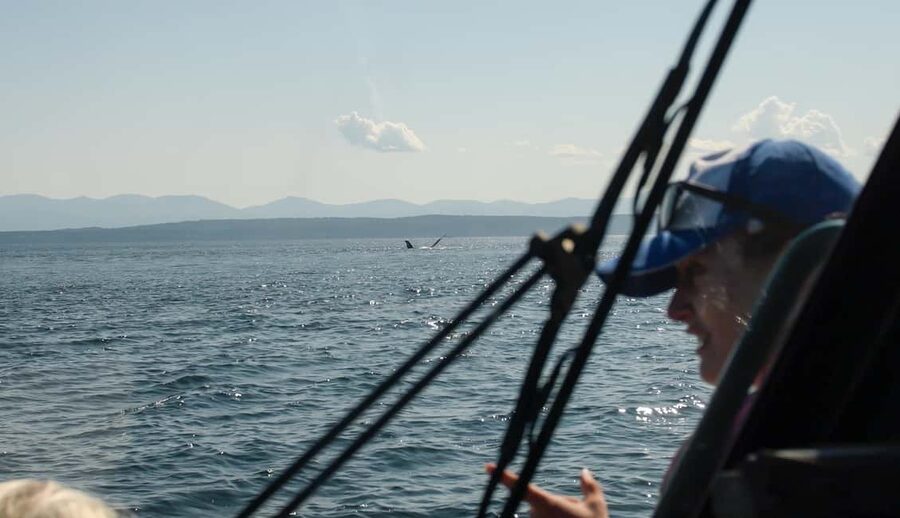
No whale watching operator can control the ocean. What you can control is whether the company has a plan when the ocean says no.
This tour includes a wildlife sightings guarantee: if you don’t see a whale, you can join again for free. That’s a meaningful value add because it reduces the biggest risk in whale watching—showing up, paying, and getting no major sightings.
Do keep expectations realistic. The tour lists a wide range of marine life and seabirds, but the guarantee is tied to seeing a whale. So while you might still see dolphins, seals, and birds, the re-join option is about whale sightings.
Price and value: what $179 buys you (and what it doesn’t)
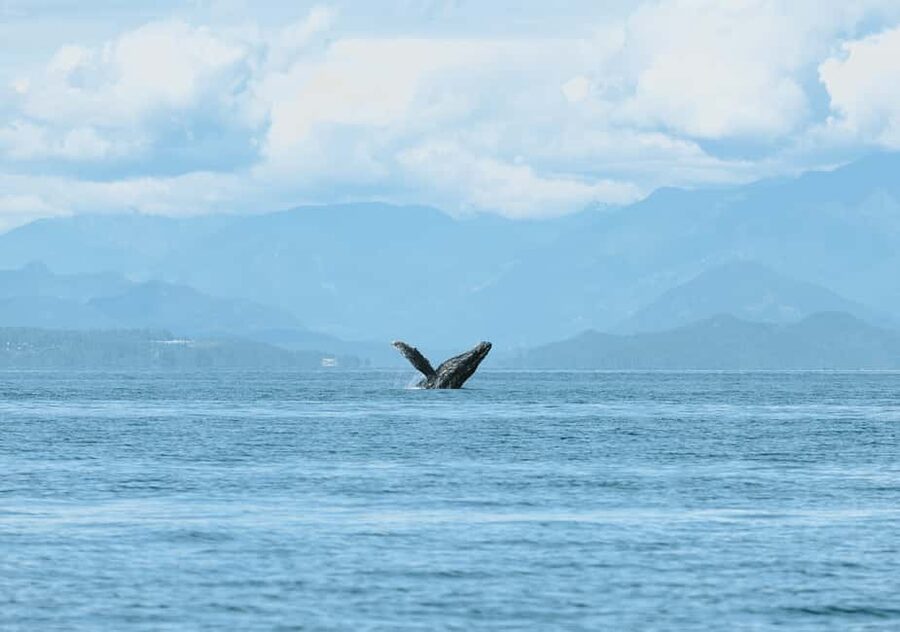
At $179 per person for roughly a 5-hour window, the cost is positioned for an active, small-vessel experience. The duration is listed as 3–5 hours on the water, plus the safety briefing time, which is why your whole outing stretches closer to a half-day block.
Here’s what you get for the money:
- A professional captain
- A marine naturalist onboard
- Full-body flotation suits for safety and warmth
- Individual shock-absorbing seats
- Storage for personal items
- Rain ponchos if needed
What’s not included:
- Food and drinks
- Hotel pickup and drop-off
So you’ll want to plan a snack or meal before you go and bring whatever you need for comfort. The tour isn’t built around stopping for lunch; it’s built around being on the water.
When I evaluate value for tours like this, I focus on whether you’re paying for transportation only or for expertise plus safety plus a format that changes the experience. This one includes safety gear, instruction from a marine naturalist, and a boat style (open-air, high-speed Zodiac) that’s fundamentally different from most larger tours.
Who this tour is best for (and who should choose something else)
This is best for you if you want motion, speed, and proximity—not just a slow ride and distant spouts. You’ll like the Zodiac format if you’re comfortable with wind and spray and you want 360-degree views where you can react quickly when something surfaces.
It’s also a good match if you’re the type who enjoys learning while you watch. The naturalist component is built in, and the crew is experienced enough to interpret behavior, not just point at animals.
Choose a different tour if:
- You’re pregnant or have back/neck injuries or heart problems (the tour notes it’s not suitable)
- You’re bringing a child and you’re not sure they meet the height rules
- You want a fully sheltered, dry, low-motion experience (this is open-air and not fully waterproof)
If you’re a couple, a small group of friends, or a solo traveler who likes active days, this fits neatly. If your idea of whale watching is more like a relaxing sightseeing cruise, the Zodiac’s open-air nature and motion may feel like too much.
Practical booking and day-of tips that make a difference
Granville Island is convenient, but summer crowds are real. If you’re driving, plan on paid public parking and give yourself extra time to find a spot.
Because you’ll be riding open-air, pack for cold wind and spray even if Vancouver looks mild when you leave your hotel. Bring warm layers, a jacket, sunglasses, and a sun hat. Sunscreen is not optional under a bright, reflective sky on the water.
For photos, keep your camera accessible. You’ll be watching for quick surface events, and you don’t want to be fumbling with gear when an animal appears.
Finally, take the check-in and safety briefing seriously. Arrive early for the 45-minute briefing so you’re not rushed or stressed. The experience works best when you’re properly geared and ready to move with the crew’s guidance.
Should you book this Zodiac Whale Watching from Granville Island?
Book it if you want a high-speed, open-air Zodiac experience with a marine naturalist and you’re comfortable with wind, spray, and a ride that has real motion. The value is strongest if you care about learning as much as you care about sightings, and if you like the idea of getting closer to wildlife in a vessel designed for responsible viewing.
Skip it (or choose a different format) if you fall into the not-suitable categories listed for motion, pregnancy, or health reasons, or if you need a fully sheltered trip. Also consider whether you’re willing to dress for cold/wet conditions—flotation suits help, but they aren’t fully waterproof.
If you do book, give yourself time on Granville Island, wear layers, and arrive early for the safety briefing. This is the kind of tour where paying attention pays off—because when wildlife shows up, you’ll be in the right place to notice.
FAQ
Where is the meeting point for the tour?
Meet at the Wild Whales Vancouver office on Granville Island at 1806 Mast Tower Ln, Vancouver, BC V6H 4B6.
How long is the whale watching tour?
The tour lasts about 3–5 hours on the water, and your total time block is around 5 hours. Check-in includes a 45-minute safety briefing.
What should I bring for the trip?
Bring warm clothing, sunglasses, a sun hat, a camera, sunscreen, and a jacket.
Does the tour provide flotation suits and rain gear?
Yes. The tour includes full-body flotation suits for safety and warmth, and rain ponchos if needed.
What wildlife might I see?
You might see orcas, humpback whales, grey whales, Pacific white-sided dolphins, harbor seals, stellar sea lions, bald eagles, cormorants, and seabirds, depending on conditions.
Is food or hotel pickup included?
No. Food and drinks are not included, and hotel pickup and drop-off are not included.
Is the Zodiac tour suitable for everyone?
It is not suitable for pregnant guests, and it isn’t suitable for people with back or neck injuries or heart problems. Children must meet minimum height requirements (including 152 cm / 5 ft stated for children).
What’s the policy if I don’t see a whale?
There’s a wildlife sightings guarantee. If you don’t see a whale, you can join again for free.