REVIEW · COLOMBO
2-Day Whale Watching & Southern Sri Lanka Tour
Book on GetYourGuide →Operated by Serendipity tours (private) Limited · Bookable on GetYourGuide
Blue whales feel like a local rumor here, not a myth.
This 2-day South Coast mix pairs Mirissa whale watching with big cultural sights around Galle. You’ll also get wildlife time on the river and by the waterline, plus a guided walk inside Galle’s old fort walls.
What I really like is the way the trip stacks up wildlife in two different ecosystems: whales offshore and mangrove creatures on the Bentota River. I also love the cultural ballast—Galle Fort and the guided stops that explain what you’re looking at. One watch-out: if you’re prone to motion sickness, the sea can be rough on whale-watching day, and the boat ride may feel like a workout.
In This Review
- Key highlights worth getting excited about
- Why Mirissa’s whale season matters more than hype
- Day 1 routing: Galle Fort, beaches, turtles, and the Bentota River safari
- Bentota first: beach time and a guided nature-and-spice stop
- Galle Fort: Portuguese and Dutch layers you can walk through
- Unawatuna and Hikkaduwa area: coast variety, not just one beach
- The Bentota River safari: mangroves bring the wildlife closer
- Overnight base: Mirissa for an easy Day 2 start
- Galle Fort at walking speed: why the guide makes a difference
- Temple stop and the biggest meditating Buddha statue: a cultural moment with time pressure
- Hikkaduwa marine sanctuary and seabed viewing: turtles, fish, and glass-bottom views
- River safari reality check: motion, patience, and wildlife spotting
- Whale-watching day in Mirissa: what you’re really chasing
- The seasickness question you should ask yourself
- Price and logistics: is $292 good value for this mix?
- Small group energy and your guide: why the name Sanjeewa Padmal matters
- What I’d watch for before you book
- Should you book this 2-day whale and southern-coast tour?
- FAQ
- What’s included in the $292 per person price?
- What extra costs should I budget for?
- Where do you get picked up?
- How big is the group and what languages are offered?
- When is whale watching best on this trip?
- What should I bring for the trip?
- Is there discounted pricing for children?
Key highlights worth getting excited about
- Small group (up to 10 people) keeps the day feeling manageable and personal
- Mirissa blue whales + humpbacks are the headline, with lunge-feeding behavior possible year-round
- Bentota River safari focuses on mangroves and wildlife like crocodiles and monkeys
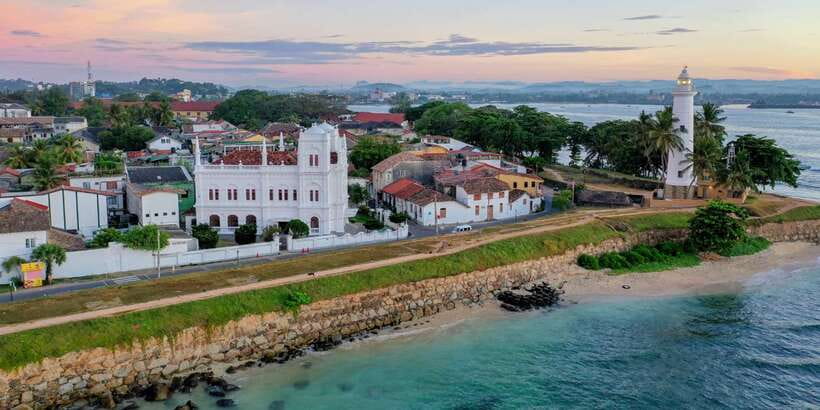
- Galle Fort with a guided walk puts UNESCO walls into real context
- Hikkaduwa marine sanctuary time pairs beach views with seabed-life viewing
Why Mirissa’s whale season matters more than hype
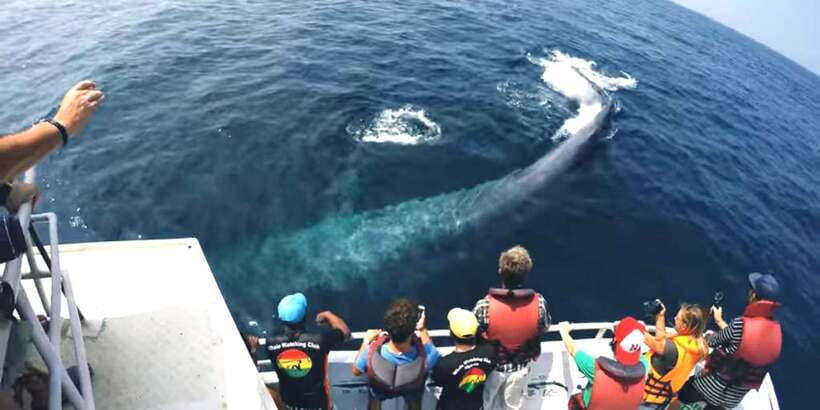
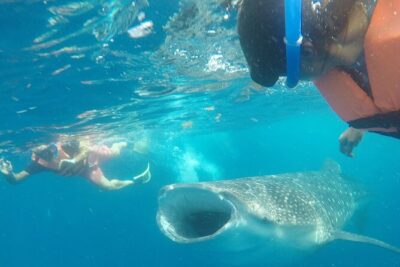
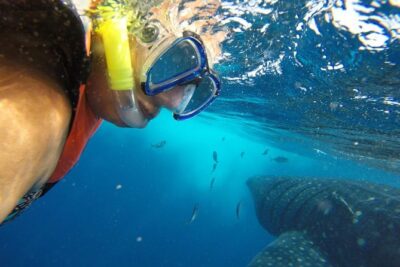
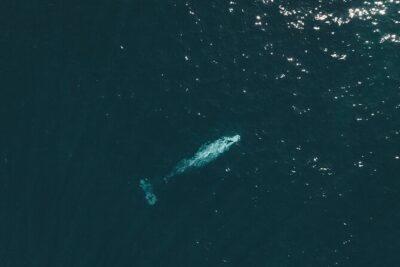
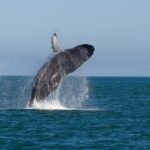
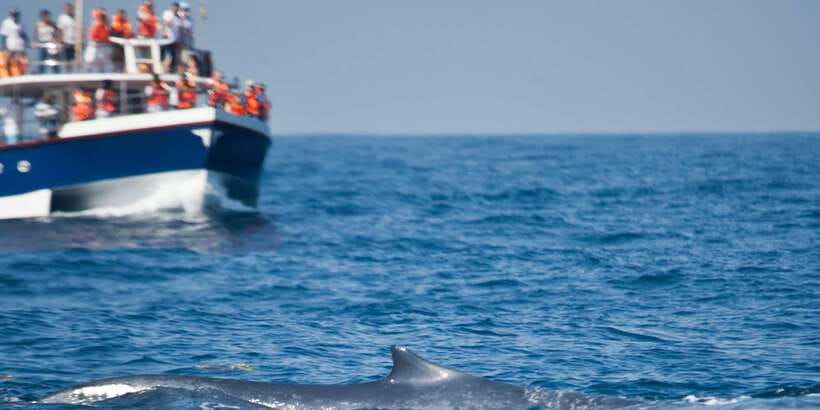
The sea off Mirissa, between Galle and Matara, is one of the best places on Earth to spot endangered blue whales. The tour’s whale-watching day is built around that. You’re aiming for the kind of feeding behavior that makes whale watching unforgettable—humpbacks and blue whales come up as they hunt, often using bubble nets to corral fish.
Timing is useful, even if you’re going “off-season.” The trip information notes that the dramatic lunge-feeding is most common from November to April, but sightings can happen throughout the year. Translation: you’re not gambling blind, but weather still rules the day.
Also, this is not a “sit on a deck and hope” outing. It’s a guided whale-watching trip, and the operator uses small groups (limited to 10), which usually helps with the overall rhythm—less waiting, fewer people to manage, and more attention on spotting.
You can also read our reviews of more tours and experiences in Colombo.
Day 1 routing: Galle Fort, beaches, turtles, and the Bentota River safari
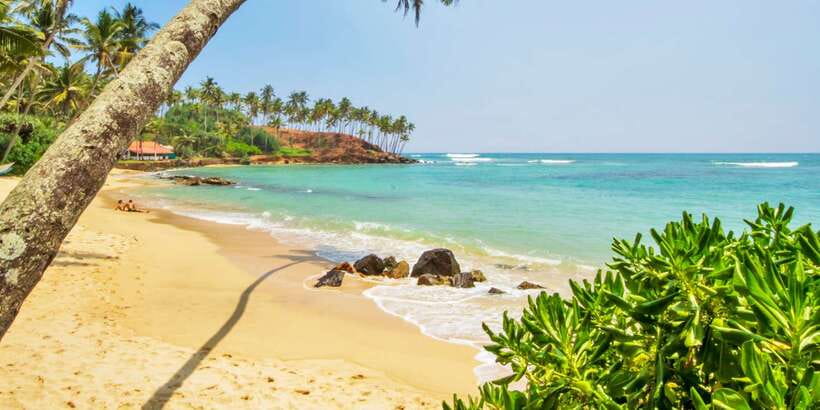
Day 1 is a long, satisfying loop. You start with pickup and road travel, then you’re out doing stops along Sri Lanka’s southwest coast.
Bentota first: beach time and a guided nature-and-spice stop
Bentota Beach is part of the day, and it’s known as one of the island’s most popular beach breaks. The benefit isn’t just sand. You also visit a spice garden where spices and herbs used in Sri Lankan cooking and medicine are grown. If you like understanding why a dish tastes the way it does, this makes dinner later feel less mysterious.
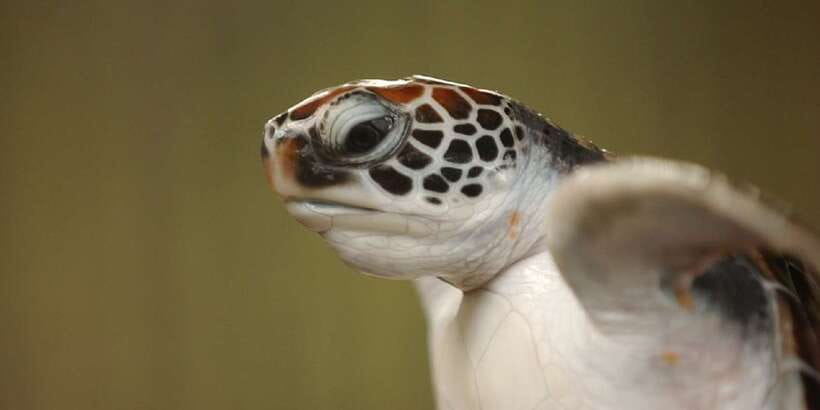
In the same “local life” spirit, the day includes a sea turtle hatchery project. That matters because it turns “look at turtles” into “learn how this works.” You’ll get a guided walk tied to conservation, not just photo time.
Galle Fort: Portuguese and Dutch layers you can walk through
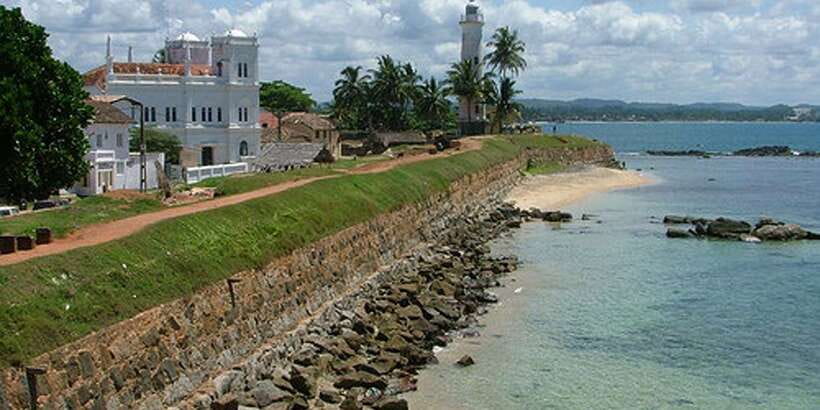
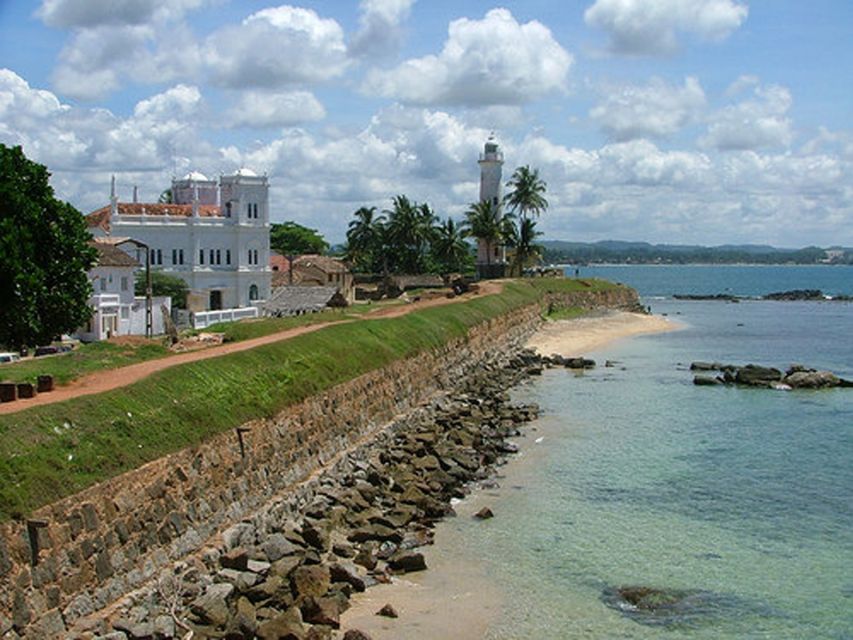
Then you head to Galle. This isn’t random sightseeing—you get a guided walking tour of Galle Fort, which is a World Heritage Site. The fort is tied to Portuguese discovery and later Dutch fortification, and you’ll see the lighthouse and coastal areas that made this an important seaport stop on older trade routes.
Along the way, the day also includes stops such as Kande Vihara and a couple of craft-oriented places:
- a handicraft center
- a mask carving center
These stops are short, but they add color. If you’re the kind of person who likes to know what you’re looking at (and not just where to stand for a photo), you’ll appreciate the guidance.
Unawatuna and Hikkaduwa area: coast variety, not just one beach
You’ll also stop at Unawatuna Beach. Think of it as a chance to compare coastal styles—busy versus scenic, sheltered versus open. Later, you reach Hikkaduwa Beach time, which pairs well with what’s coming next: marine viewing tied to the Hikkaduwa marine sanctuary.
The Bentota River safari: mangroves bring the wildlife closer
After the sightseeing stops, you slow down for the river. The trip includes a slow boat ride on the Bentota River looking for wildlife living around the mangroves—crocodiles, giant lizards, and monkeys are specifically mentioned as possible sightings.
One thing I’d plan for: you’ll be off-road nature in small doses. This isn’t a private jungle trek. You’ll move by boat, stop as you spot things, and rely on the guide to point out what matters. It’s a nice break from fort walls and beach heat.
Boat charge for this river safari is not included—USD 25 per person is listed separately—so don’t forget to budget.
Overnight base: Mirissa for an easy Day 2 start
You sleep in Mirissa for one night with breakfast and dinner in a 3-star-compatible hotel. This matters because whale-watching day starts close to your bed. You’re not commuting across the island at dawn.
Galle Fort at walking speed: why the guide makes a difference
Galle Fort isn’t huge, but it feels dense. The streets, walls, and coastal viewpoints get better when someone explains why the shapes and locations make sense.
This tour gives you a guided walking tour, plus a few structured stops inside the area. You also get:
- a guided mask museum tour
- time connected to the fort’s coastal area and lighthouse
If you’re used to “forts are just stones,” Galle is the fix. It’s a working-looking space. Even when you’re not in a museum, the fort feels like a place shaped by defense and trade, not just tourism.
Practical tip: wear shoes you can walk in for 60–90 minutes without hating your life. Sun hits hard on the coast, and you’ll have breaks, but you’ll still cover ground.
Temple stop and the biggest meditating Buddha statue: a cultural moment with time pressure
On this trip you visit a Buddhist temple as well, and the highlights mention seeing the biggest meditating Buddha statue on the west coast of Sri Lanka. That’s a strong visual hook.
Still, this day is packed. Temple time happens alongside beaches and coastal stops, so you’ll want to treat it as a chance to pause, not a full immersion day.
One person specifically chose to skip the Buddha temple to spend more time bathing at the sea because the schedule felt tight. That tells me the guide and group tempo can affect what you personally prioritize. If you care more about water time than statues, say so early so the guide can help you manage the order.
Hikkaduwa marine sanctuary and seabed viewing: turtles, fish, and glass-bottom views
Hikkaduwa is the kind of stop that feels simple until you’re there. The day includes Hikkaduwa marine sanctuary time, and the overall description also mentions a glass-bottom boat trip to see corals and exotic fish below the surface.
That combination is smart. It avoids the “only see water” disappointment that can happen at beach-only stops. Even if the ocean mood is changeable, you still get structured marine viewing.
In the trip feedback, one highlight was the beach experience itself at Hikkaduwa—wild giant turtles seen in a natural setting, plus small shark sightings. That’s exactly why this stop is worth the time. You get the beach view and a shot at actual wildlife contact.
River safari reality check: motion, patience, and wildlife spotting
Mangroves can look calm from shore. From the boat, you learn they’re busy places.
The river safari is described as a slow boat ride in search of wildlife—again, crocodiles, giant lizards, monkeys, and birds are specifically named as possible encounters. The trade-off is that wildlife spotting is never guaranteed. It’s not a zoo, and the guides can’t command animals into view.
The upside: the boat ride is shorter than a full-day eco tour, but it still feels like you’re in a living habitat. And because it’s guided, you’ll get help noticing things you’d likely miss on your own.
One practical note: bring a light layer. River breezes can cool you after sun exposure, and you’ll be more comfortable while you wait for the next splash or movement.
Whale-watching day in Mirissa: what you’re really chasing
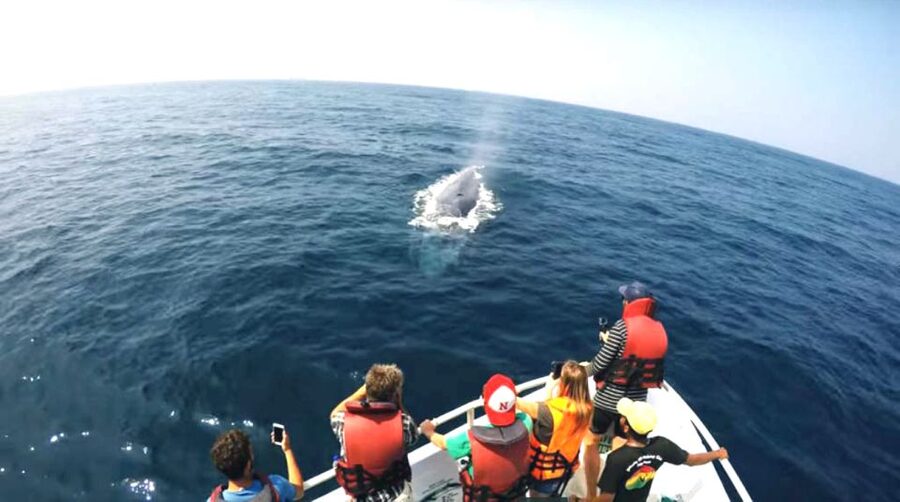
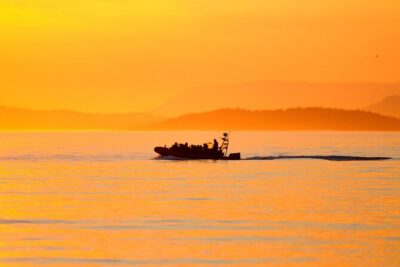
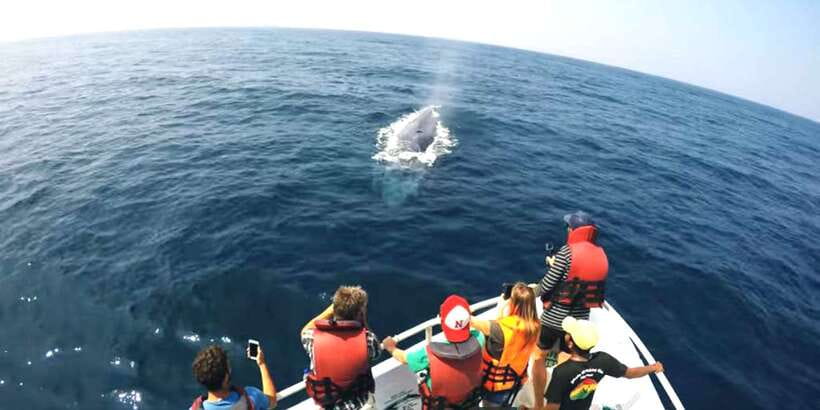
Day 2 is whale-focused: Mirissa to offshore waters for the whale watching tour.
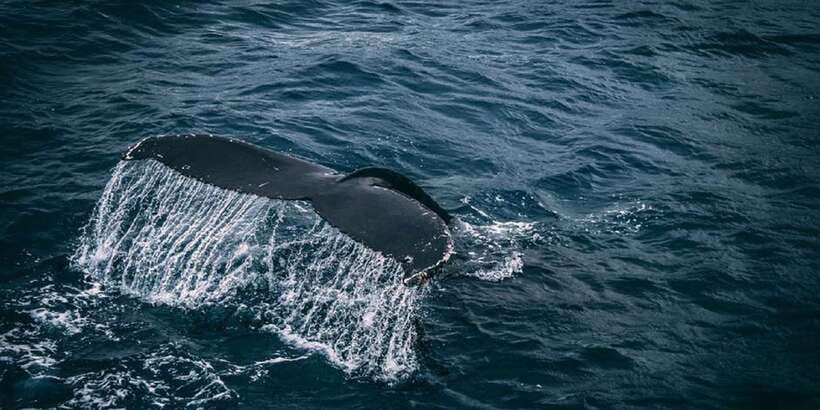
This is where the headline behavior matters. The information describes whales feeding with circular bubble nets made by groups, then launching high with mouths open. That’s the kind of feeding pattern people remember for years because it’s visible even from a boat.
The trip also mentions that lunge-feeding humpbacks and blue whales can be observed from November to April most consistently, but sightings can occur year-round.
The seasickness question you should ask yourself
Here’s the balanced reality: the sea can be ondy (rough), and one review specifically warned that if you suffer from motion sickness, the boat ride can be challenging. I’d take that seriously.
If you’re sensitive:
- consider motion sickness medication before you board
- pack a spare layer and something to steady your head and eyes
- keep your expectations flexible for comfort
Also, remember the whale-watching boat charge isn’t included: USD 50 per person is listed separately.
Price and logistics: is $292 good value for this mix?
At $292 per person for a 2-day package, you’re buying more than “a whale day.” You’re getting:
- 1 night accommodation in a 3-star-compatible hotel with breakfast and dinner
- guided Galle Fort walking tour
- mask museum tour
- sea turtle conservation centre tour
- Buddhist temple visit
- spice garden visit
- beaches (including Bentota and Hikkaduwa area time, plus Unawatuna)
- river safari (boat charge extra)
- Hikkaduwa marine sanctuary time
- whale watching tour (boat charge extra)
- taxes included
Extra costs you must plan for:
- river safari boat charge: USD 25 per person
- whale watching boat charge: USD 50 per person
- personal expenses like drinks and snacks
That means your real total depends on those boat fees. But even with them, the value is in the structure: you’re not wasting time on long unscheduled transfers. The trip covers culture, crafts, wildlife viewing on land and in water, and one guided whale outing.
This is best value if you want variety in a short time and you’re okay with a full day of movement.
If you’re the type who wants only one main activity and nothing else—then a shorter, whale-only outing might be cheaper and less exhausting.
Small group energy and your guide: why the name Sanjeewa Padmal matters
A key detail from the experience feedback: the guide Sanjeewa Padmal was singled out for being friendly, professional, and fluent in English. He drove safely in an air-conditioned modern car and gave clear explanations during the ride.
What I care about here is not celebrity names. It’s control of pacing. One person described that the guide was keen for them to enjoy the day and was ready to help with other excursions, plus there was flexibility in how time was spent.
That flexibility can matter a lot when the schedule includes a temple, craft stops, beaches, and then a boat day. If you want to spend a little longer at a view or shorten a stop, a good guide can make the day feel less like a checklist.
What I’d watch for before you book
Here’s the honest shortlist of potential downsides based on the info you have:
- The whale-watching and river parts are boat-based. If you get motion sickness, plan ahead since rough seas are mentioned.
- The hotel experience can vary. One person reported an issue with room smell and limited air conditioning. If your comfort is critical, ask about room placement and ventilation when you arrive.
- The schedule is full. If you want “slow travel,” this might feel rushed.
Should you book this 2-day whale and southern-coast tour?
Book it if you want a packed, guided route that mixes wildlife + culture and you don’t have time for separate day trips. This is especially appealing if Mirissa whales are on your list and you also care about real context—Galle Fort, crafts, turtles, and a marine sanctuary stop.
Skip or reconsider if:
- you know you’ll struggle with boats when the ocean is choppy
- you prefer long, unstructured beach time over guided stops
- your top priority is only whales, and you’d rather pay for that one experience alone
If you do book, go in with two plans: one for whales (weather happens) and one for comfort (motion sickness plan). You’ll get far more out of the day that way.
FAQ
What’s included in the $292 per person price?
Your package includes one night in a 3-star-compatible hotel in Mirissa with breakfast and dinner, guided walking tour of Galle Fort, guided mask museum tour, guided tour of the sea turtle conservation centre, a guided Buddhist temple visit, visits to Unawatuna Beach, Bentota Beach, a spice garden, Hikkaduwa marine sanctuary, and the river safari and whale watching tour are included as activities but their boat charges are listed separately. Taxes are also included.
What extra costs should I budget for?
You’ll need to budget boat charges not included in the price: USD 25 per person for the river safari boat and USD 50 per person for the whale watching boat. Personal expenses such as drinks and snacks are also not included.
Where do you get picked up?
Hotel pickup is included from Colombo, Kalutara, Bentota, and Galle, and pickup from Colombo is specifically mentioned as included.
How big is the group and what languages are offered?
The tour runs as a small group limited to 10 participants. The live tour guide is available in English and German.
When is whale watching best on this trip?
The lunge-feeding activity described for humpback whales and blue whales is most prevalent from November to April, though sightings can still happen throughout the year.
What should I bring for the trip?
Bring your passport.
Is there discounted pricing for children?
Yes. Free entry applies for children under 3, and there is a 50% discount for children between 3 and 12 years.