REVIEW · VANCOUVER
Vancouver’s Intimate West Coast Whale Watching Experience
Book on Viator →Operated by Wild Whales Vancouver · Bookable on Viator
Orcas in Vancouver can happen fast. This small-group whale watch sails the Salish Sea and Strait of Georgia with a guide who teaches you what you’re seeing as you look for orcas, humpbacks, seals, sea lions, and seabirds, with timing that shifts based on wildlife.
I love the max-12 person group size, which makes it easier to ask questions and stay focused when something surfaces. I also love that you’re with a guide who has marine biology background on board, so the day turns into more than just spotting spouts.
One drawback to plan for: the experience depends on sea conditions. Expect wind, spray, and sometimes a cancelled trip if the water is too rough, and you may get wet depending on where you sit.
In This Review
- Quick hits before you go
- Granville Island: The easiest way to start a whale hunt
- Getting on the water: small boat feel, toilet onboard, and wet-seat reality
- The 5-hour rhythm: Granville Island, Stanley Park, English Bay, and the return loop
- What the marine biology guide adds (and why it changes the whole day)
- Orcas, humpbacks, seals, and the kind of sightings you can plan for
- Packing list: sunscreen is provided, but you still need layers
- Lunch at the Public Market: plan it outside the tour window
- Price and value: what $177.59 buys you in practice
- Who should book this whale watch from Wild Whales Vancouver
- Should you book this one?
- FAQ
- What time should I arrive for the tour?
- How long is the whale watching experience?
- Where does the tour start and end?
- What’s included in the price?
- What isn’t included?
- What wildlife will we be looking for?
- Is there an age or height requirement?
- What happens if no whales are found?
Quick hits before you go
- Small group, max 12 for better conversation and sighting time
- Flexible 3–5 hours based on where whales are showing up
- Marine-biology guide on board with real-time species guidance
- Sunscreen and water provided plus a toilet onboard
- If no whales are found, your next trip is free (voucher rules apply)
- Granville Island start and finish with easy access to the Public Market
Granville Island: The easiest way to start a whale hunt
Granville Island is a smart home base because it’s close to where you’re meeting, and you can handle food plans without stress. You’ll meet at 1806 Mast Tower Ln, then you’ll want to arrive about 45 minutes early so you’re not rushing through boarding.
This is also where the day stays practical. The tour doesn’t include lunch, but you can grab something at the Granville Island Public Market right outside the meeting area before you head out—or after you cruise back. If you’re traveling with kids, that same area makes it easier to keep the day moving without hauling everyone back to a hotel first.
You can also read our reviews of more tours and experiences in Vancouver.
Getting on the water: small boat feel, toilet onboard, and wet-seat reality
This is a small-group outing with a maximum of 12 people, plus crew. That matters because you’re not packed shoulder-to-shoulder, and when a whale finally shows, you can get your questions answered instead of shouting over the crowd.
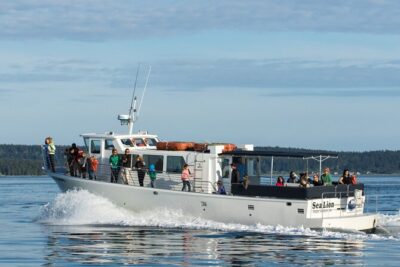
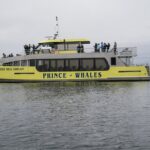
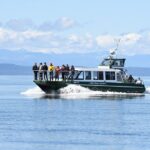
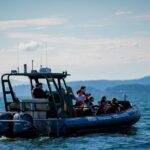
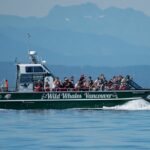
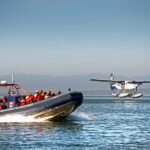
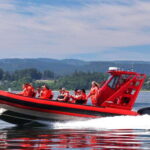
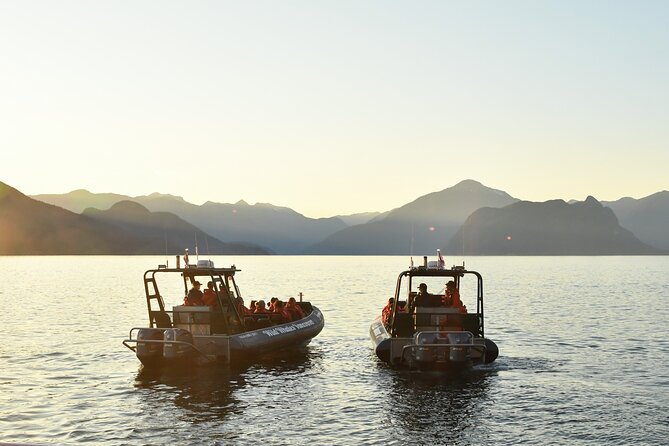
The boat setup can feel like a real water adventure. Depending on the departure, you may ride in an open Zodiac-style vessel or a covered option, and the feel can change a lot with wind. One very practical tip: if you sit in the back, plan on getting very wet.
Good news for comfort: there’s a toilet on all vessels, and sunscreen plus bottled water are available on board. They encourage reusable bottles, which is nice if you hate buying plastic every time you travel.
Two rules to know upfront. There’s a height restriction of 5 ft / 152 cm, and the tour isn’t recommended if you have back or neck problems. If that’s you, it’s worth thinking twice before booking because the experience includes time on moving water.
The 5-hour rhythm: Granville Island, Stanley Park, English Bay, and the return loop
The route is built around how whales use the local waters, so your actual time out on the water can land in the 3–5 hour range. You start at Granville Island, and you’ll cruise past major coastal anchors like Stanley Park, English Bay Beach, and False Creek as you work toward better whale-finding zones.
Here’s what those stops mean for you in real life. They’re not just scenic drive-bys. You’re moving along the shoreline and city edge where marine life can concentrate, and you get constant ocean views while you wait for the search to click. That’s why the ride itself often doesn’t feel wasted.
A nice part of the “city + sea” setup: when you spot birds or marine life along the way, the guide can connect it to the bigger picture of the local food chain. Even when the whale search is taking longer, you’re still learning and paying attention.
Once the whale portion of the day is done, you head back toward Granville Island. That’s when the day shifts from wildlife mode to “Vancouver on foot” mode.
What the marine biology guide adds (and why it changes the whole day)
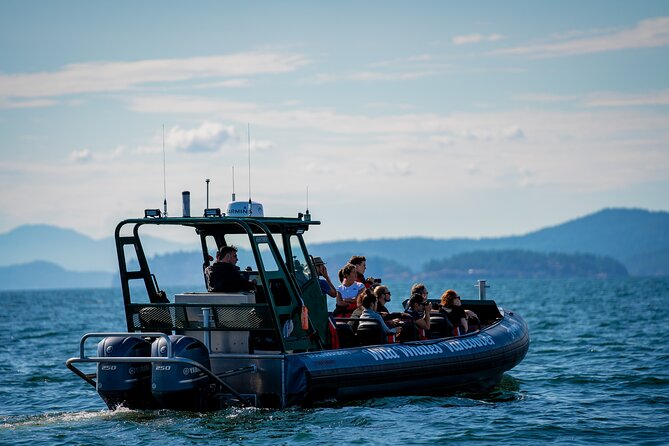
This tour comes with a professional guide who has a marine biology background. That’s not a marketing line you ignore once you’re on the boat. It affects what you notice. You’re not just watching for spouts—you’re learning how to interpret behavior and how different species show up in this region.
You’ll also get real chances to ask questions because of the small group size. One reason people rave about these days is that the guide doesn’t just recite facts and move on. The crew wants you engaged, and they’re ready to talk through what you’re seeing.
You may be guided by people like Julia, Yaz, Sarah, or Hannah (names that show up in the guide team), and you might be steered by captains such as Rodrigo. The common theme is communication: clear guidance, good pacing, and the sense that they’re actively working the search.
There’s also a respect factor. You’ll be kept at a proper viewing distance from wildlife, especially from orcas. That’s not a flaw. It’s part of doing this right, and it means your sightings come with fewer disruptions to the animals’ behavior.
Orcas, humpbacks, seals, and the kind of sightings you can plan for
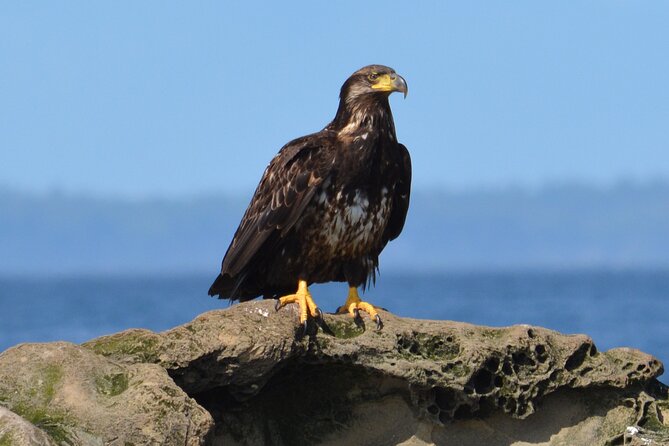
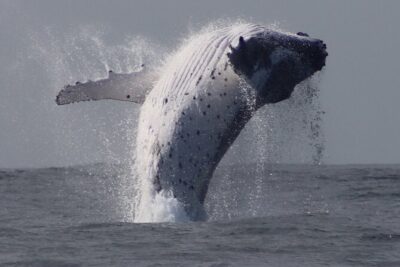
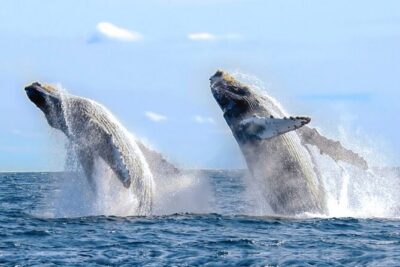
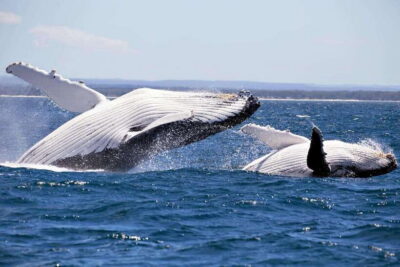
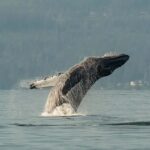
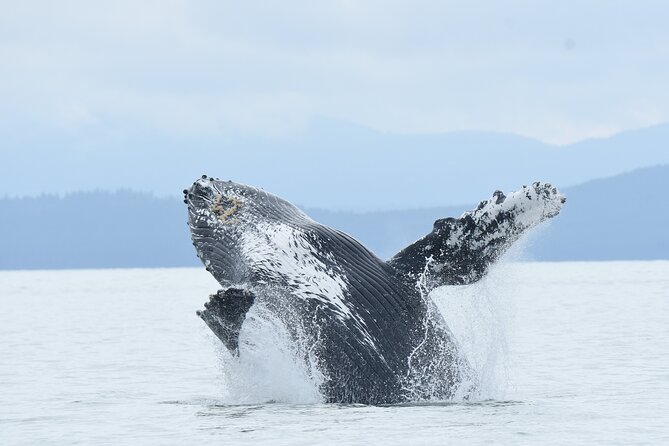
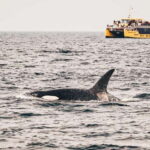
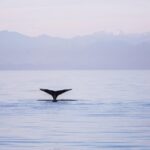
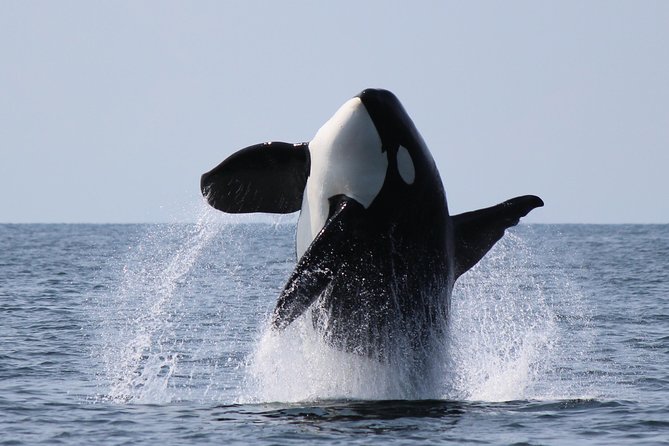
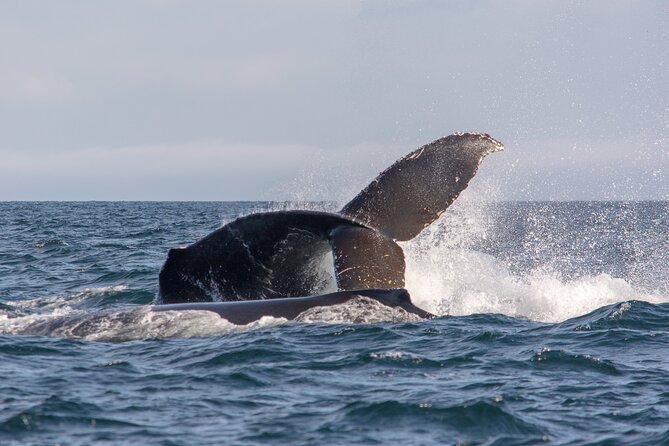
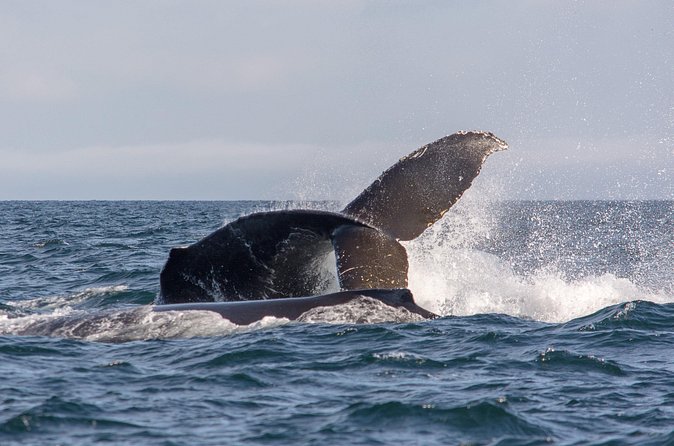
The main targets are orcas and humpbacks, plus seals, sea lions, and sea birds. On the best departures, you’ll get multiple whale encounters rather than one quick look. That’s especially true in Vancouver because the waters are alive and the whales can be active—breaching and surfacing in a way that feels almost theatrical.
But keep your expectations honest. This is wildlife watching, so the schedule is flexible and the sightings aren’t guaranteed. The tour adjusts timing based on where whales are located, so you might spend more time scanning if the animals are farther off.
One detail that affects how you view orcas: a certain distance is maintained. That helps protect the animals, but it can also mean orcas look smaller or harder to spot than you want. This is where packing like a pro helps—bring binoculars if you have them, because they can make a big difference when you’re aiming from farther out.
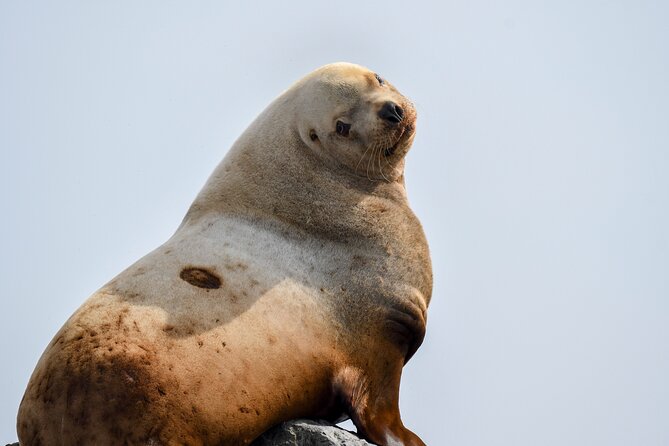
Other sightings can add real variety to the day. People have reported sea lions on small islands, seals during the scan, and even birds like bald eagles overhead when the crew lands in the right area. If you go in open-minded, you’ll still feel like you got your money’s worth even on a calmer whale day.
Packing list: sunscreen is provided, but you still need layers
They provide sunscreen and water, which is helpful. Still, you should dress like you’re going to be on moving water for hours. Wind can flip the temperature fast, and spray travels farther than you’d expect.
Here’s what I’d bring with you to stay comfortable:
- A wind-resistant layer or waterproof jacket
- Warm layers you can add or remove
- Non-slip shoes or footwear you’re okay getting damp
- Sunglasses and a hat for glare
- Binoculars if you have them
Some days you may get full-body suits. One person mentioned they felt unnecessary at first, then were instantly grateful once wind and sea spray hit. Even if you think you’ll be fine in mild weather, that’s the kind of surprise that makes a big difference out there.
Also plan for wet hair and damp seats. If you hate feeling cold, sit where you’ll be most comfortable and keep your layers ready.
Lunch at the Public Market: plan it outside the tour window
Lunch isn’t included, but food is available for purchase at Granville Island’s Public Market, just outside the meeting point. That’s convenient because you don’t need to invent a plan at the last second.
After the cruise, you’ll be back at Granville Island, so you can browse the Public Market boutiques or keep it simple and grab something to eat before you head back to your hotel. If you’re traveling with kids, the Kids Market is part of the return experience, so you have an easy “burn energy” option when the boat ride ends.
If your group needs vegetarian or dietary-friendly options, you’ll likely find enough choices in a market setting. Just remember the timing: don’t schedule a tight pickup right after you get back, since wildlife days can run a bit long.
Price and value: what $177.59 buys you in practice
At $177.59 per person, you’re paying for a focused hour-by-hour hunt on the water, with a marine biology guide and a small group. The value is strongest if you care about understanding the sea—not just checking off an item.
A big part of the cost comes from the size of the operation. With a maximum of 12 people, you get more attention when whales show up, and that’s when the day either lands as a memory or turns into frustration. You also get practical extras that keep the experience workable: sunscreen, bottled water availability, and a toilet onboard.
There’s also a strong “risk reducer.” If no whales are found, your next trip is free via voucher. The voucher is non-transferable and has no expiration date, which is rare enough to matter. It doesn’t guarantee orcas, but it lowers the odds of walking away feeling cheated by chance.
Booking early helps. This one averages about 50 days in advance, so if you have travel dates locked in, don’t wait for “maybe.”
Who should book this whale watch from Wild Whales Vancouver
This tour is a great match if:
- You want whale watching with real teaching, not just a boat ride
- You prefer small-group attention
- You’re comfortable with a few hours outside, scanning the water and learning as you go
- You like coastal views while the crew searches
It’s not the best fit if:
- You’re sensitive to rough water and motion (the experience can be bumpy)
- You have back or neck issues
- Your group includes someone under the height requirement of 5 ft / 152 cm
Kids can come, but children must be accompanied by an adult.
Should you book this one?
If your idea of a perfect Vancouver day includes ocean scenery, patient scanning, and a guide who explains what you’re seeing, I’d book this. The combination of small-group size, marine biology interpretation, and a return to Granville Island makes it feel like more than a ride to a sighting.
One note of honesty: you’re in the hands of wildlife and sea conditions. If that uncertainty sounds fun to you, you’ll likely love it. If you need guaranteed whale sightings no matter what, no whale watch can promise that.
FAQ
What time should I arrive for the tour?
Plan to meet about 45 minutes before your starting time.
How long is the whale watching experience?
It typically runs about 5 hours, but the real time out on the water can be 3 to 5 hours depending on where the wildlife is located.
Where does the tour start and end?
It starts at 1806 Mast Tower Ln, Vancouver, BC V6H 4B6, Canada, and ends back at the same meeting point.
What’s included in the price?
Included items are a professional onboard guide with marine biology background, a toilet on the vessels, bottled water available (reusable bottles encouraged), and sunscreen.
What isn’t included?
Lunch is not included, and there’s no hotel pickup or drop-off.
What wildlife will we be looking for?
You’ll be searching for orcas and humpback whales, as well as seals, sea lions, and sea birds.
Is there an age or height requirement?
There’s a height restriction of 5 ft / 152 cm. Children must be accompanied by an adult.
What happens if no whales are found?
If no whales are found, your next trip is free. Vouchers are non-transferable and have no expiration date.
If you want, tell me when you’re going (month and day range) and whether you hate getting wet. I’ll suggest the best approach for comfort and sighting odds.