REVIEW · VANCOUVER
Wild Whale Watching Experience – Open Air Vessel
Book on Viator →Operated by Wild Whales Vancouver · Bookable on Viator
Whales have a way of grabbing your attention. This open-air Eagle Eyes cruise starts from Granville Island, then heads toward the Strait of Georgia in search of orcas and other whales, with a guided focus on local marine life and conservation.
I especially love the 360° view from the boat and the way the captain can legally approach wildlife closer than many other vessels, which makes sightings feel more detailed and watchable. I also like that the trip is built around identification help, so you’re not just hoping to spot something.
The main drawback to consider is comfort: the ride is open-air, and it’s not recommended for travelers with neck problems. If you’re sensitive to wind, cold, or bumpy water, plan to dress for it and use the provided motion-sickness options if you need them.
In This Review
- Key Highlights You’ll Feel Right Away
- Granville Island to the Strait of Georgia: How the Hunt Works
- Eagle Eyes Open-Air Boat: 360° Views and the Suit Factor
- Marine Naturalist Guidance: Field Guides and Real Whale ID
- Orcas, Humpbacks, and Other Wildlife You Might Spot
- Time on the Water: Why the Cruise Feels Longer Than the Whale Minute
- Price and Value: What $169.74 Buys You in Real Life
- Comfort Tips That Make a Big Difference
- Who Should Book This Whale Watching Cruise?
- Should You Book Wild Whales Vancouver’s Open-Air Whale Watch?
- FAQ
- How long is the whale watching tour?
- Where does the tour depart and return?
- What boat is used?
- What’s included in the price?
- Do I need to bring snacks?
- Is there a restroom on the boat?
- What if the weather is poor or I need to cancel?
Key Highlights You’ll Feel Right Away
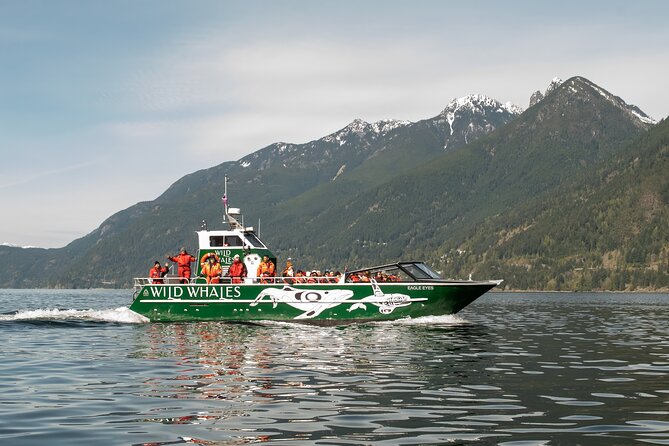
- 360° open-air sightlines from the Eagle Eyes vessel make whale watching easier
- Anti-exposure flotation suits are provided for Eagle Eyes guests to cut down on chill
- Marine naturalist guidance includes whale ID help and on-the-water ecology lessons
- Wildlife approach rules mean your boat can legally get closer for better viewing
- On-board materials include field guides you can borrow to learn what you’re seeing
- Max 35 travelers helps keep the viewing experience from feeling overcrowded
Granville Island to the Strait of Georgia: How the Hunt Works
Your experience starts at the meeting point at 1806 Mast Tower Ln in Vancouver, then returns there at the end. From there, the tour launches from historic Granville Island, and the early minutes are all about getting your bearings from the water. You’re not staring at one single spot on land. You’re actually moving through the same waters where whales, porpoises, seals, and sea birds show up.
After leaving the Granville Island area, the route takes you toward English Bay and then into the Strait of Georgia. That matters, because it’s not just a drive to a single location and wait. The goal is to search efficiently, and the whales you see can depend on where they’re traveling that day.
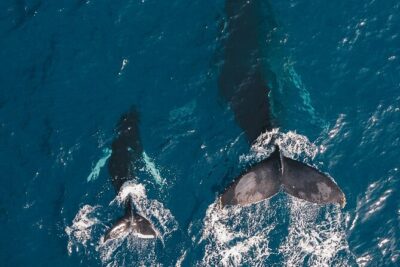
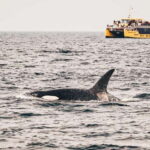
Expect the crew to look for orcas (killer whales), humpback whales, minke whales, and/or grey whales. At the same time, you’ll also keep an eye out for other local marine wildlife such as Steller and California sea lions, harbor or Dall’s porpoises, harbor seals, bald eagles, great blue herons, and multiple seabird species. In other words, even on a day where whale action is brief, you’re still likely to get plenty of wildlife moments.
You can also read our reviews of more tours and experiences in Vancouver.
Eagle Eyes Open-Air Boat: 360° Views and the Suit Factor
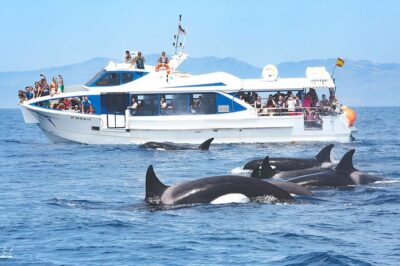
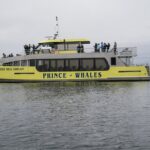
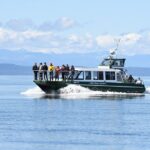
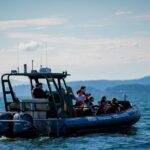
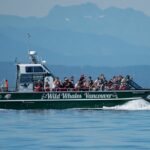
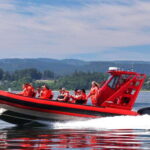
This tour runs on the Eagle Eyes open-air vessel. The big deal is the unblocked 360° view. When you’re whale watching, the most frustrating thing is missing the blow or fin because it happened behind you. Open-air visibility helps you catch movement faster and scan more comfortably.
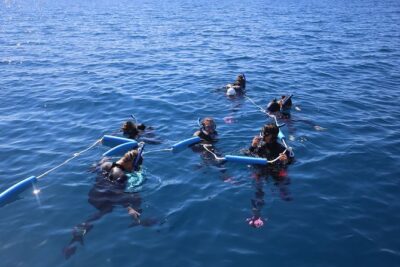
Eagle Eyes guests also get a full-length, one-piece anti-exposure flotation suit. It’s meant to go over your clothing, and it’s specifically there to reduce the impact of wind and spray. One practical takeaway from real-world experience on this style of boat: when the action finally shows up, you’ll be glad you weren’t underdressed. A freezing, wind-swept deck can turn even a great sighting into a short one. The suit is part of why this tour keeps people outdoors and watching rather than huddling.
The boat also has a restroom on board, which is worth noting for a cruise that can run up to about 5 hours depending on where the whales are. That extra comfort makes the longer stretch of travel more manageable.
Marine Naturalist Guidance: Field Guides and Real Whale ID
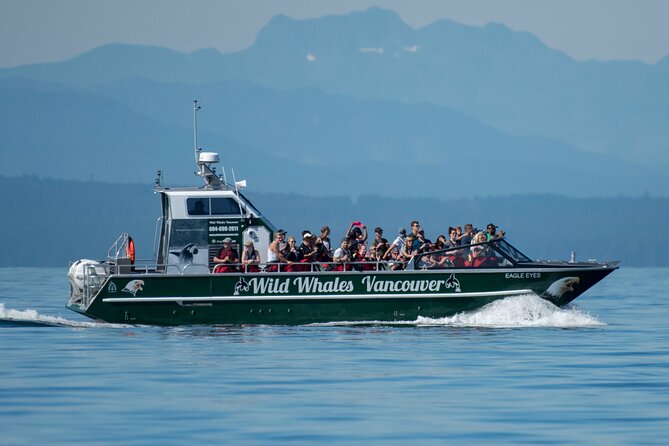
Part of what makes this tour worth your time is the way learning is built in. You travel with a professionally guided marine naturalist, and the instruction isn’t generic. You get insight into animal behavior, plus context on local marine ecology, history, and geography—with an emphasis on conservation.
You’ll also have tools to help you identify what you’re seeing. Field guides, whale identification guides, and learning materials are available to borrow while you’re on board. That’s a big upgrade from the usual whale-watching formula of point and hope.
And if you want a name to remember: the naturalist Yas (sometimes written as Yaz) is singled out for being engaging and strong at guiding the experience. That kind of on-water interpretation matters because whales can be hard to read from a distance. When you understand what you’re looking at—body shape, blow timing, movement style, and group behavior—you enjoy the spotting more and you don’t just watch random splashes.
Orcas, Humpbacks, and Other Wildlife You Might Spot
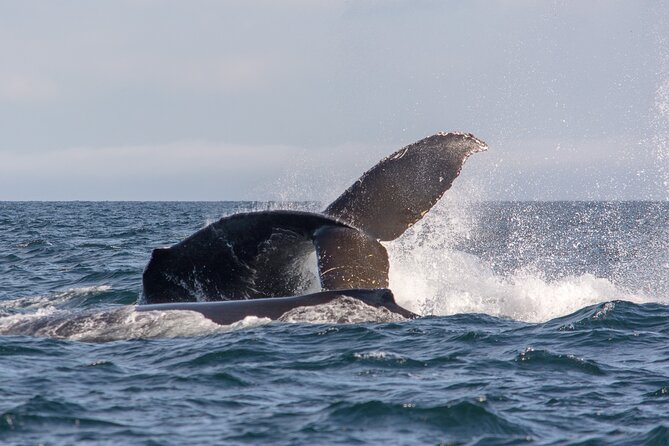
Your best odds are tied to the day’s conditions and where the crew finds whales, but here’s what the tour actively searches for: orcas, humpbacks, minke whales, and grey whales. The excitement on this kind of cruise tends to build in moments, not on a schedule. You might cruise for a while, then suddenly the captain slows down or stops to let everyone watch. When the boat coordinates timing well, the whole group gets a clearer look—and that calm moment before the sighting is often when you spot the first sign.
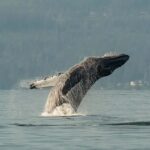
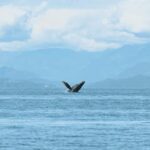
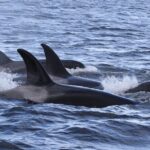
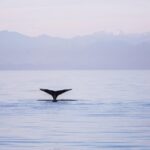
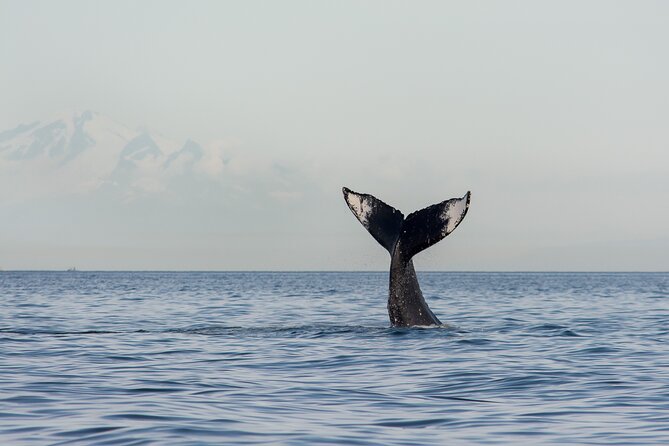
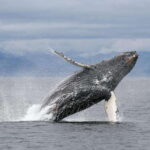
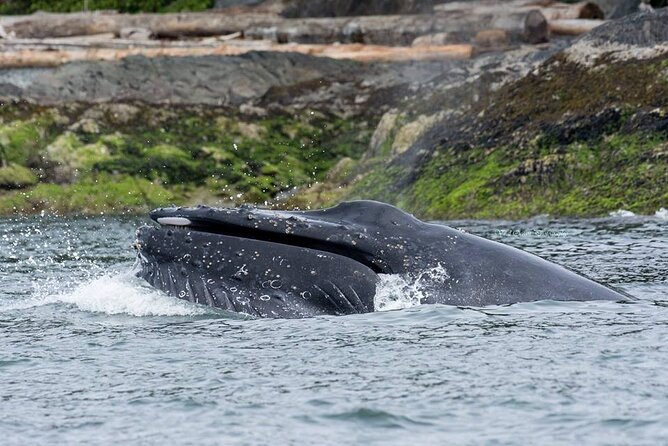
Orcas can bring their own energy. When a pod is nearby, you often get longer behavior observations rather than just a quick sighting. Humpback whales can also offer memorable scenes, including blow patterns and surface time, though exactly what you’ll see depends on where they are traveling.
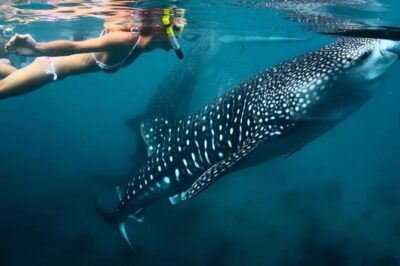
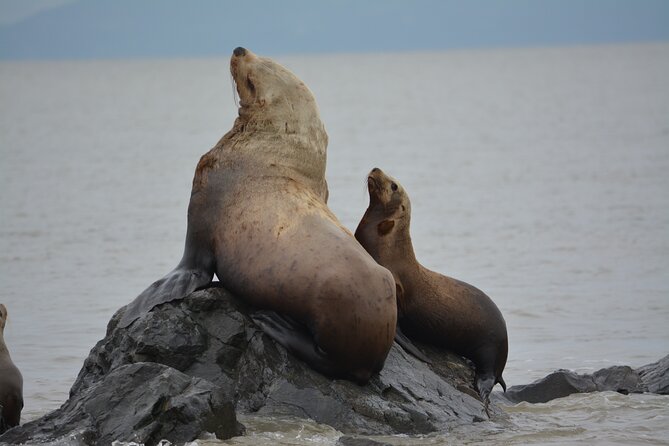
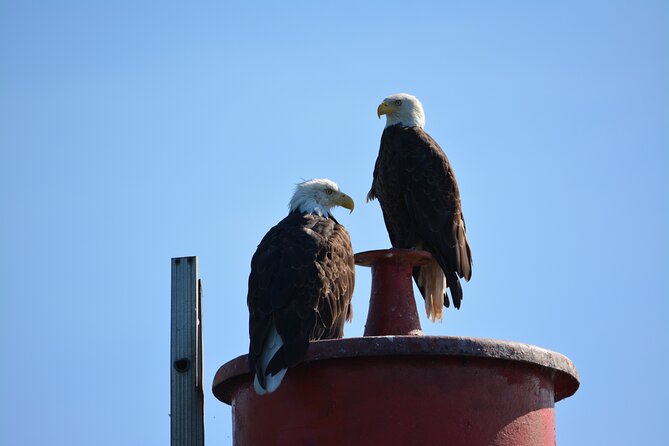
Even when whales are the headline, this outing is also a wildlife variety play. In addition to whale species, the tour looks for seals and sea lions, plus porpoises (harbor or Dall’s). Birds can also be part of your “second screen.” You may spot bald eagles and great blue herons, and seabirds can give clues about where life is moving through the area.
One reason people tend to rate this tour highly is simple: it’s not repetitive. Every outing can feel different because whales and wildlife don’t hang out at fixed bus stops. If you go on another day, you’re likely to be searching for different animals or seeing different behavior patterns.
Time on the Water: Why the Cruise Feels Longer Than the Whale Minute
The duration is listed as about 3–5 hours, and that’s a key detail to understand before you book. Wildlife doesn’t follow your calendar. The crew may spend time searching, then spend time near the animals once they’re found, within legal approach rules.
So yes, you should plan for a longer stretch on the boat than you might expect if your brain is only thinking about the “whale moment.” That’s why snacks matter. The tour recommends that you bring your own snacks on board since the trip can last up to 5 hours depending on where the whales are.
The restroom helps, and the anti-exposure suit helps you stay outside, but food still matters. If you’re prone to getting hungry on long outings, pack something easy and non-messy. Also consider bringing water in a refillable bottle. Bottled water is carried on board, and sunscreen is included, but you’ll enjoy the day more if you’re not stuck figuring out your hydration plan mid-cruise.
Price and Value: What $169.74 Buys You in Real Life
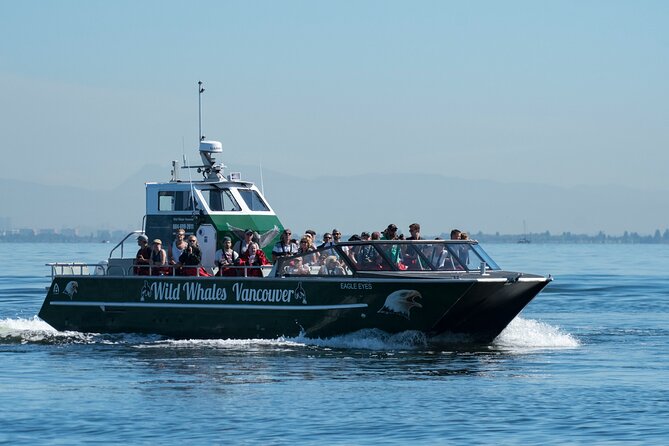
At $169.74 per person, you’re paying for a long guided search, a specialist naturalist, and a boat experience that’s designed for viewing wildlife effectively. It’s not just a “ride out and hope” situation.
Here’s what helps justify the cost:
- You get the suit (for Eagle Eyes), which reduces the need to buy your own cold-weather gear for one outing
- You get learning materials to help you identify animals instead of just photographing and guessing
- You get bottled water and sunscreen included, with an option to bring your own refillable bottle to cut down on single-use plastic
- You travel with a maximum of 35 people, which is a big deal for whale watching, because you want room to see and space to move your head and scan quickly
There’s also a value point that doesn’t show up on a typical pricing page: the tour’s emphasis on conservation and the on-board identification support make the experience feel like more than a checklist. When you understand what you saw, the memory lasts longer.
Comfort Tips That Make a Big Difference
Even with the suit, you’ll be happier if you dress like it’s a cool coastal day. The boat is open-air, so wind and spray can change how you feel. The anti-exposure suit helps, but it’s still wise to wear layers you can manage easily.
Motion sickness support is available on request. Ginger candy can be provided for travelers who may experience motion sickness. Single-use ear plugs are also available upon request. If you’re sensitive to motion or sound on boats, ask early so you’re not trying to solve it in the middle of a rough patch.
One more comfort note: this is a tour with open viewing, and that means you should be ready to spend time standing or leaning toward the rail when something pops up. That’s part of the charm. It’s also why the not-recommended-for-neck-problems note matters. If your neck gets aggravated by long scanning angles, consider whether this style of viewing will be hard for you.
Who Should Book This Whale Watching Cruise?
This is a strong fit if you want a guided whale watching experience that’s actually focused on learning and spotting, not just sitting quietly. The open-air Eagle Eyes setup makes it easier to track movement across the whole water surface. The suit and onboard materials help you enjoy the day even when the weather turns a bit cool.
It’s also a good match if you like the idea of seeing more than whales. The wildlife target list includes seals, sea lions, porpoises, and several bird species, so the day doesn’t depend entirely on one type of sighting.
Families and first-timers often like the structure: a marine naturalist, borrowed guides for identification, and a clear focus on behavior and conservation. And because the group is capped at 35 travelers, you’re less likely to feel boxed in while scanning for blows.
The key “maybe not” is physical comfort. If you have neck issues, the tour isn’t recommended. If you’re not comfortable in cool, windy outdoor conditions, you’ll want to lean on the provided suit and plan layers and snacks.
Should You Book Wild Whales Vancouver’s Open-Air Whale Watch?
I’d book this if your priority is better viewing odds and a guided experience that helps you understand what you’re seeing. The combination of an open-air boat, anti-exposure suit support (for Eagle Eyes guests), and a marine naturalist who guides whale identification is a strong value mix. Plus, the vessel can legally approach wildlife closer than many other boats, which improves the chance that sightings feel like real encounters rather than distant dots.
I might skip it if you know you struggle with cold wind exposure for long periods or if scanning the water for long stretches strains your neck. In that case, you may prefer a more sheltered option.
If you want whales in Vancouver and you’re willing to spend a few hours searching with the crew, this is the kind of tour that turns waiting into learning and watching into understanding.
FAQ
How long is the whale watching tour?
The tour runs about 5 hours on average, with a duration listed as approximately 5 hours. The cruise can last up to 5 hours depending on where the whales are.
Where does the tour depart and return?
It departs from and ends back at the meeting point: 1806 Mast Tower Ln, Vancouver, BC V6H 4B6, Canada.
What boat is used?
The experience is on Eagle Eyes, an open-air vessel with 360° views of the surrounding water. Eagle Eyes guests receive an anti-exposure suit.
What’s included in the price?
Included items are the full-length anti-exposure flotation suit (for Eagle Eyes guests), field guides/whale ID guides and learning materials you can borrow, bottled water (with a preference for bringing a refillable bottle), sunscreen, and ginger candy and ear plugs available upon request.
Do I need to bring snacks?
Snacks are not included, and the journey can last up to 5 hours. It’s recommended that you bring your own snacks on board.
Is there a restroom on the boat?
Yes. A restroom is available on board.
What if the weather is poor or I need to cancel?
This experience requires good weather. If it’s canceled due to poor weather, you’ll be offered a different date or a full refund. You can cancel for a full refund up to 24 hours in advance.