REVIEW · VANCOUVER
Vancouver: Catamaran Whale Watching Tour, Granville Island
Book on GetYourGuide →Operated by Wild whales eco tours · Bookable on GetYourGuide
Orcas can show up fast in Vancouver. I love the chance to spot orcas and humpbacks in the wild while a marine naturalist turns sightings into real learning, and I also like that the Jing Yu catamaran is part covered for comfort but still gives open-deck viewing.
The only catch is timing and conditions: you’re out for about 3–5 hours, and it can flex based on weather and where whales are hanging out, so pack for waiting as well as watching.
In This Review
- Key things to know before you board
- Entering the Salish Sea on the semi-covered Jing Yu catamaran
- Getting to Wild Whales Vancouver on Granville Island (and arriving early)
- The 30-minute safety briefing that makes the rest of the trip easier
- Cruising out from Granville Island: what “guided whale watching” actually feels like
- What wildlife you should expect to spot (and why the guide matters)
- A real-deal note on guide style: how crews like Marcos and Julia bring the trip alive
- Timing and the 3–5 hour reality check (how to plan your day)
- Staying warm (and dry): what to bring for comfort on Jing Yu
- A big comfort plus: washrooms and choice of indoor vs outdoor viewing
- Rules you should know before you go
- The whale sightings guarantee: how it affects your risk level
- Price and value: what you’re really paying for at $165
- Who should book this Salish Sea catamaran tour
- Should you book the Vancouver whale watching tour from Granville Island?
- FAQ
- FAQ
- How long is the whale watching tour?
- Where do I meet for the tour?
- Is the boat covered?
- What animals might I see?
- Is food included?
- What should I bring?
- Can I bring pets or a drone?
- Is there a cancellation policy?
- Is there a whale sightings guarantee?
Key things to know before you board
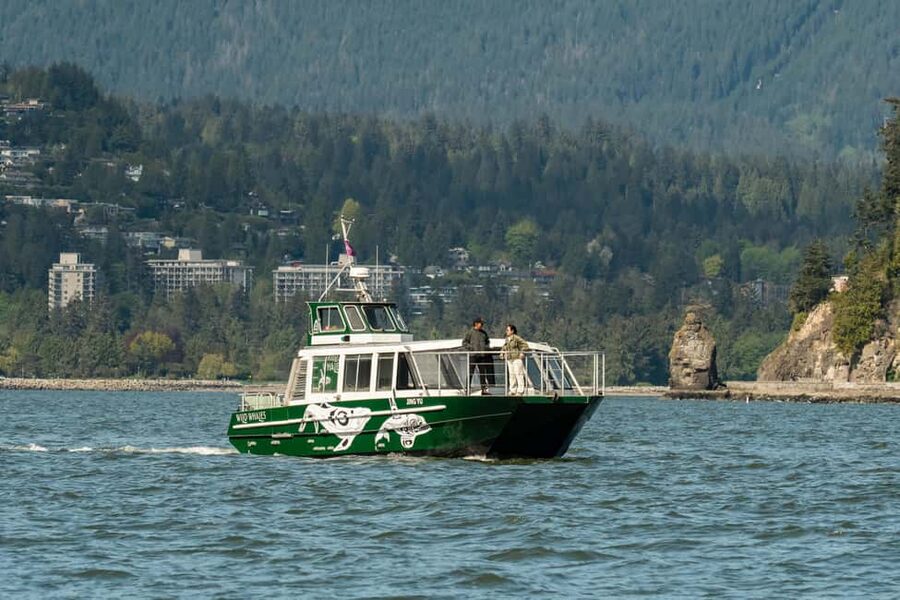
- Jing Yu is semi-covered: covered cabin for weather, plus open front and rear decks for photos and views
- You get guided wildlife viewing: the naturalist explains behavior, not just names
- High likelihood of big animals: orcas, humpbacks, dolphins, sea lions, harbor seals, and sometimes grey whales
- Comfort that works for all ages: kids, adults, and infants can stay sheltered when needed
- You’re not on the water blindly: there’s a whale sightings guarantee, which lowers the risk of a dud trip
Entering the Salish Sea on the semi-covered Jing Yu catamaran
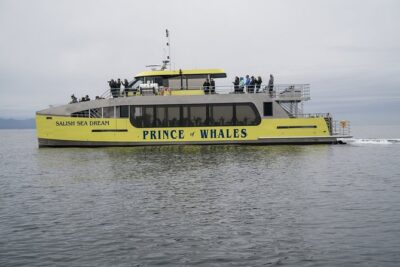
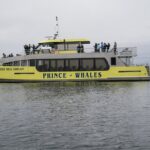
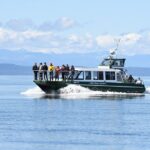
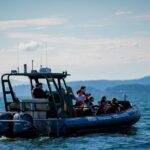
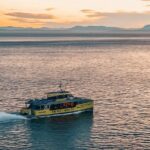
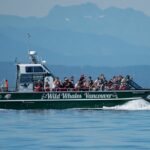
This tour’s real selling point is the boat. Jing Yu is custom-built with a covered cabin that helps you stay comfortable when wind picks up or clouds roll in. At the same time, you’re not trapped inside. There’s an open front deck and open space toward the rear, so you can step out for unobstructed views and quick picture runs.
That layout matters because whale watching isn’t a single moment. It’s a rhythm: spot, watch, track, reposition, and then repeat. Being able to choose between sheltered seating and open-deck sightlines keeps you from freezing—or overheating—while you wait for the next cue from the naturalist and captain.
You can also read our reviews of more tours and experiences in Vancouver.
Getting to Wild Whales Vancouver on Granville Island (and arriving early)
You meet at Wild Whales Vancouver, 1806 Mast Tower Ln on Granville Island (just south of downtown). It’s reachable by car, public transit, and even the small local ferry service, so you’re not forced into one access method.
Car parking is the one thing I’d plan carefully. There’s paid public parking all over Granville Island, but summer crowds can make spaces tough. If you arrive late, you’ll trade a quick stroll and calm boarding for stress. Aim to get there early since you should arrive 45 minutes prior to departure.
The 30-minute safety briefing that makes the rest of the trip easier
Before you head out, you’ll do a safety briefing. It’s not the most glamorous part of whale watching, but it’s the part that keeps you relaxed once you’re on the water.
You’ll also get oriented to the boat layout—where to sit, where to stand on the open deck sections, and how to manage moving around during active viewing. That’s especially helpful if you’re traveling with children or infants, since you’ll want everyone to know where to go when the captain needs a clear viewing route.
Cruising out from Granville Island: what “guided whale watching” actually feels like
Once you leave Granville Island, the tour shifts into guided wildlife viewing across the Salish Sea. You’ll follow a combination of whale searching, scenic cruising, and time devoted to animal behavior and habitat.
This is where the marine naturalist pays off. Instead of treating whales like distant wildlife trophies, the guide explains animal behavior—the kind of detail that makes you understand what you’re seeing. When the naturalist can tell you why a pod is moving a certain way or what a surface pattern might mean, you stop just scanning for spouts and start reading the water.
The tour also includes views of the Salish Sea as you travel, which helps when you’re waiting for whales to surface. Even on days when sightings take a bit, you’re not stuck staring at gray water with nothing happening.
What wildlife you should expect to spot (and why the guide matters)
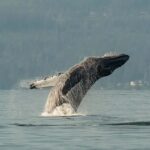
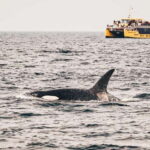
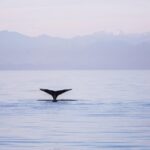
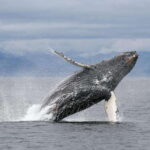
This trip is designed around real marine life viewing. Based on the tour info and the animals you’re told to watch for, you may see orcas, humpback whales, grey whales, dolphins, sea lions, and harbor seals.
If you’re a first-timer, the best way to think about these sightings is variety. You’re not only looking for one species; you’re watching a whole ecosystem at work:
- Orcas: often the star attraction, with dramatic hunting and group behavior
- Humpbacks: usually the big, showy presence when they surface nearby
- Grey whales: possible depending on where conditions place them
- Dolphins: energetic and often easier to spot than the largest whales
- Sea lions and harbor seals: common add-ons that keep the wildlife loop going
The naturalist’s job is to help you connect the sighting to the bigger picture—how these animals use the Salish Sea and why conservation matters. That’s valuable because whale watching can be just photos. Here, you get enough context that your memories stick.
A real-deal note on guide style: how crews like Marcos and Julia bring the trip alive
The names you might hear on board can vary by day, but I like the general pattern the crew follows: an experienced captain paired with a naturalist who talks in a clear, passionate way.
For example, on departures led by a guide like Marcos you can expect more than facts. He’s described as informative and genuinely into the animals, which changes the energy on board. Another naturalist, Julia, is praised for sharing fun anecdotes that tie directly to what you’re actually seeing, which helps when you’re trying to keep kids engaged during longer stretches.
Even better, the boat’s semi-covered design supports this teaching style. If the action is slow, you can stay comfortable inside while listening. If the action heats up, you can move to open decks fast.
Timing and the 3–5 hour reality check (how to plan your day)
You should expect the tour to run about 3–5 hours depending on factors like weather and whale location. That means you shouldn’t schedule a hard-to-change appointment right after you’re due back.
In practice, the flexible timing is part of the deal with wildlife. Whales don’t follow bus timetables. The captain and naturalist head toward the best chances, and you wait when conditions require it.
If you’re worried about the length sounding like too much, here’s the useful way to judge it: the tour mixes animal viewing with guided commentary and scenic cruising, and the boat gives you options for where to sit. Those small comfort choices make time feel shorter.
Staying warm (and dry): what to bring for comfort on Jing Yu
Even in Vancouver’s mild seasons, you’ll feel wind on the water. The good news is this tour includes an option for a wind breaker or suit for warmth, and you’ll also have the covered cabin to retreat to.
Still, don’t rely only on provided options. Bring:
- Warm clothing
- A hat
- A camera
- Food and drinks (since food and snacks aren’t included)
- A reusable water bottle
Dress like you’ll be outside in coastal wind for long stretches. Layers beat one thick jacket. And if you get cold easily, you’ll appreciate having the cabin as your reset button.
A big comfort plus: washrooms and choice of indoor vs outdoor viewing
You’ll have access to washrooms, which is a big deal on a multi-hour outing.
Just as important is the ability to switch viewing positions. The semi-covered boat design means you’re not stuck watching through one small window. You can sit in sheltered areas when you want, then head to the open decks when the animals come closer.
That flexibility also helps with mixed groups. One person wants photos from inside where it’s calmer; another wants the deck for maximum sightlines. The boat supports both without making it a whole production.
Rules you should know before you go
A few restrictions keep the experience safe and respectful:
- Pets aren’t allowed
- Drones aren’t allowed
- No alcohol and drugs
- Don’t touch marine life
- Fireworks aren’t allowed
If you’re the kind of traveler who likes to pack light but hates surprises, this is the part to double-check. You’ll avoid last-minute stress and keep the crew focused on spotting wildlife.
The whale sightings guarantee: how it affects your risk level
This tour includes a whale sightings guarantee, which is meaningful when you’re paying $165 per person. Whale watching is inherently weather- and wildlife-dependent, so the guarantee helps protect you from the most frustrating outcome: spending a chunk of your day and seeing only distant water with no wildlife action.
That doesn’t mean every animal is guaranteed every time, but it does lower your overall risk. If seeing whales is a top priority for your Vancouver trip, this is the kind of policy that helps you justify the cost.
Price and value: what you’re really paying for at $165
At $165 per person, this isn’t the cheapest way to spend a morning or afternoon in Vancouver. But whale watching isn’t just a ride. You’re paying for several things that add real value:
- A custom-built vessel with viewing comfort built in
- A marine naturalist who explains behavior and ecology
- An experienced captain who works the conditions to find wildlife
- Included gear options for warmth
- Washrooms and the overall infrastructure for a guided day on the water
- A whale sightings guarantee
When you compare it to casual boat tours that might offer scenery with minimal wildlife education, this stands out. You’re not only trying to catch a moment—you’re learning how to interpret what you’re seeing while you look.
Who should book this Salish Sea catamaran tour
This experience is built for all ages, and Jing Yu is specifically recommended for families with children and infants thanks to the covered-and-open deck setup.
It’s also a good fit if:
- You want guided wildlife viewing, not just sightseeing
- You’re traveling with people who enjoy learning as much as spotting
- You want a manageable outing length that’s long enough for real chances, but not a full day commitment
One caution: it’s not recommended for pregnant people, according to the tour info. If that applies to your group, you’ll want to choose a different type of activity.
Should you book the Vancouver whale watching tour from Granville Island?
If you’re chasing orcas, humpbacks, and the broader cast of Salish Sea wildlife, I think this tour is a strong choice. The combo of a semi-covered catamaran, live naturalist guidance, and a whale sightings guarantee makes it feel like a thoughtful product rather than a gamble.
I’d book it if you:
- Want guided, behavior-focused whale watching
- Appreciate comfort options (covered cabin plus open decks)
- Are okay planning a 3–5 hour window that can shift with weather and whale location
Skip it if you:
- Have a schedule that can’t handle timing changes
- Know you need a different format due to the pregnancy note
- Prefer activities that stay on shore the whole time
FAQ
FAQ
How long is the whale watching tour?
The experience runs about 3–5 hours, and the total time can vary based on factors like weather and where the whales are. Duration is listed as 5 hours, but check the available starting times.
Where do I meet for the tour?
Meet at Wild Whales Vancouver at 1806 Mast Tower Ln, Vancouver, BC V6H 4B6 on Granville Island. Plan to arrive 45 minutes before departure.
Is the boat covered?
Jing Yu is semi-covered. It has a covered cabin for protection from the elements, plus a front open deck and open decks toward the rear.
What animals might I see?
You may see orcas, humpback whales, grey whales, dolphins, sea lions, and harbor seals, along with wildlife viewing in the Salish Sea.
Is food included?
No. Food and snacks aren’t included, so bring what you’d like to eat and drink.
What should I bring?
Bring warm clothing, a hat, a camera, food and drinks, and a reusable water bottle. An optional wind breaker or suit for warmth may be available as part of the tour options.
Can I bring pets or a drone?
No. Pets and drones aren’t allowed. Alcohol and drugs also aren’t allowed, and touching marine life is prohibited.
Is there a cancellation policy?
Yes. There’s free cancellation up to 24 hours in advance for a full refund.
Is there a whale sightings guarantee?
Yes. Whale sightings guarantee is included.