REVIEW · VANCOUVER
Whale-Watching Tour from Vancouver
Book on Viator →Operated by Vancouver Whale Watch · Bookable on Viator
Whales show up when you go the right way. This half-day cruise out of Vancouver is built for wildlife spotting, with a stated 95% success rate and a route through the Gulf and San Juan Islands where orcas, humpbacks, and lots of sea life are regular visitors. I like that it also turns your trip into an easy way to see coastal scenery many city-only visitors miss.
I also like the practical setup: you can use a mobile ticket and (if you choose it) take a shuttle from downtown, so you’re not stuck figuring out how to get to the boat. The main drawback to plan around is simple: it runs only when weather is suitable, and on rough days you may have cancellations or fewer sightings because you’re watching wild animals at sea.
In This Review
- Key reasons this whale-watch cruise works
- Getting Out to Steveston: Check-In, Shuttle, and Departure
- The Whale-Watching Route for Orcas, Humpbacks, and Friends
- Boat Comfort and What to Wear for a Cool, Often Windy Ride
- Guides on the Water: How Naturalist James D. and Captain James Improve Your Odds
- Coastal Scenery You’ll Actually Notice on the Gulf Islands Stretch
- Price and Value: What $157.09 Buys on a 3–5 Hour Cruise
- Is This the Right Fit for Your Group?
- Should You Book This Vancouver Whale Watch?
- FAQ
- How long is the whale-watching tour?
- Where do I meet for the tour?
- Does this tour offer transportation from downtown Vancouver?
- Is there parking if I’m driving?
- What wildlife are you likely to see?
- Do I need a printed ticket?
- What language is the tour in?
- What happens if weather causes a cancellation?
- Can I cancel for a full refund?
Key reasons this whale-watch cruise works
- High stated spotting odds in waters known for orca activity and summer humpbacks
- Smart getting-there options: shuttle, select hotel pickup, or free parking
- A real wildlife mix, not just whales (seals, porpoises, sea lions, and eagles show up)
- Crew skills matter: guides help you track what you’re seeing and identify individual whales
- You get time outdoors (about 3 to 5 hours), not a quick photo stop
Getting Out to Steveston: Check-In, Shuttle, and Departure
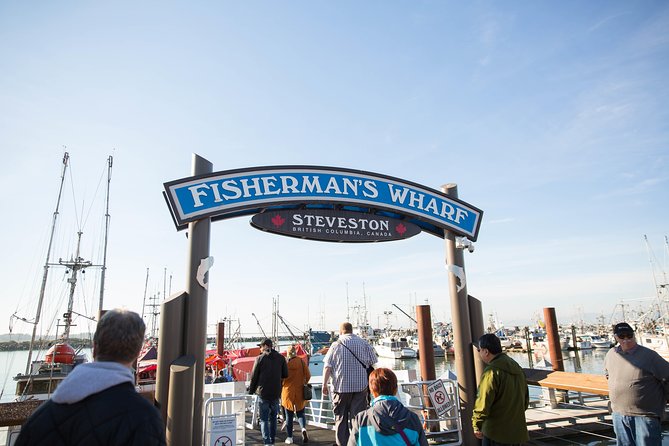
The day starts with check-in at Vancouver Whale Watch at 12240 Second Ave #210, Richmond, BC. From there, the tour is set up to get you to Steveston, since that’s where the boat departs. If you pick the shuttle option, it runs from convenient spots in downtown Vancouver, and there’s also the option of pickup from select hotels if that’s chosen during booking. If you’re driving, there’s free parking available.
This matters because whale-watching days live or die by timing. You want to be in place early enough to settle in and be ready when the crew starts scanning. Also, Steveston is one of those coastal bases where you can usually make the whole experience feel like more than just a ride—walk a bit before or after if your schedule allows.
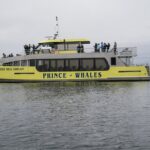
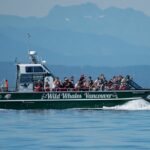
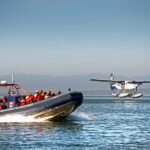
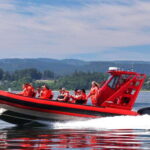
Once everyone’s aboard, you cruise out into coastal British Columbia waters in search of orcas and other marine wildlife. The ride itself is on a modern, comfortable vessel, and it’s designed as a half-day outing rather than an all-day slog—so your “day out of the city” feels focused.
You can also read our reviews of more tours and experiences in Vancouver.
The Whale-Watching Route for Orcas, Humpbacks, and Friends
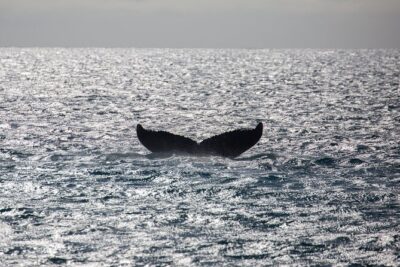
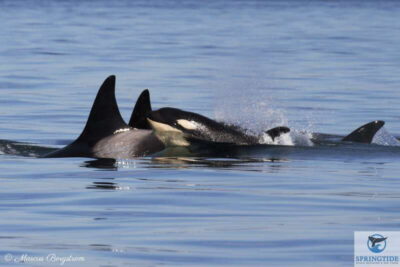
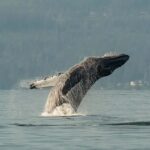
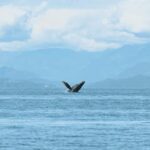
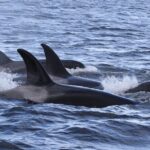
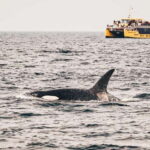
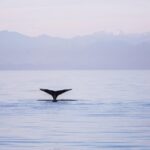
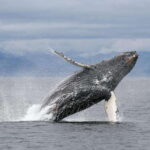
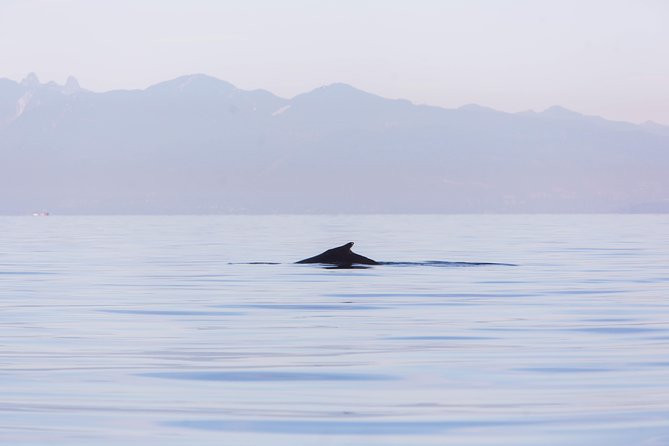
This tour’s pitch is clear: look for orcas (killer whales), humpback whales, and the supporting cast of the coast. The operator highlights orca pods that feed on marine mammals throughout the year, with humpbacks visiting in summer to feed in the area’s richer waters. Along the way, you also keep an eye out for porpoises, seals, sea lions, shore birds, and bald eagles.
You should think of the experience as wildlife tracking, not a guaranteed show. On the positive side, the company states a 95% success rate for sightings, and the cruise route is where those animals tend to appear. On the realistic side, nature sets the rules: whales might surface briefly, travel farther out than you hope, or choose not to do the dramatic stuff during your exact window.
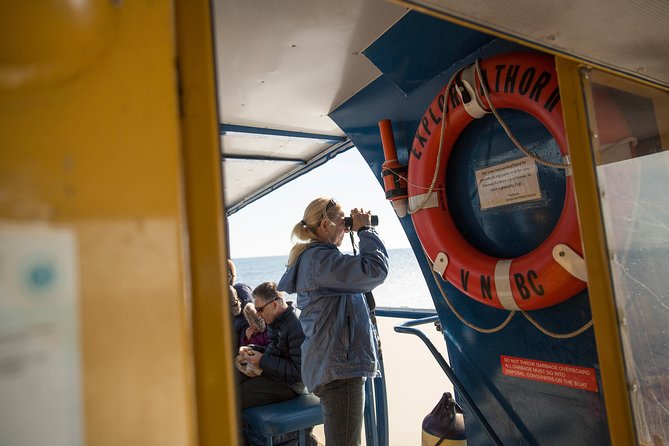
What you can do to tip the odds in your favor is mindset and behavior. When you’re watching from the deck, be ready to look where the guide points quickly, and keep your gear easy to access. Also, if you’re chasing specific moments—like breaching or extended blows—know that those are luck plus timing. The crew can put you in the right area, but they can’t force animal behavior.
Finally, even when whale sightings are fewer or quieter than you’d imagined, you’re still in a sea-life ecosystem. The trip includes other wildlife sightings often enough to keep the day feeling full rather than empty.
Boat Comfort and What to Wear for a Cool, Often Windy Ride
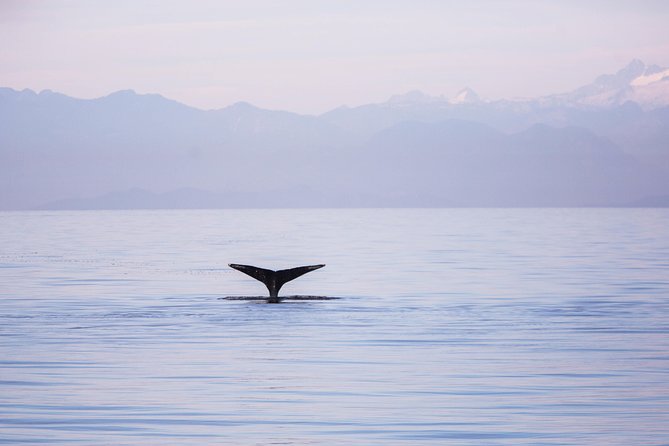
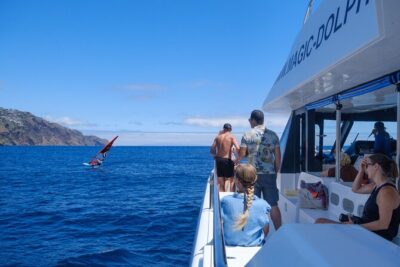
A whale-watching boat day is a two-part experience: warm land thoughts and cool ocean reality. One very practical tip from recent participants is to bring a coat, because the water can feel about 10 degrees cooler than shore. Even if the weather looks mild from land, wind over the water can change everything fast.
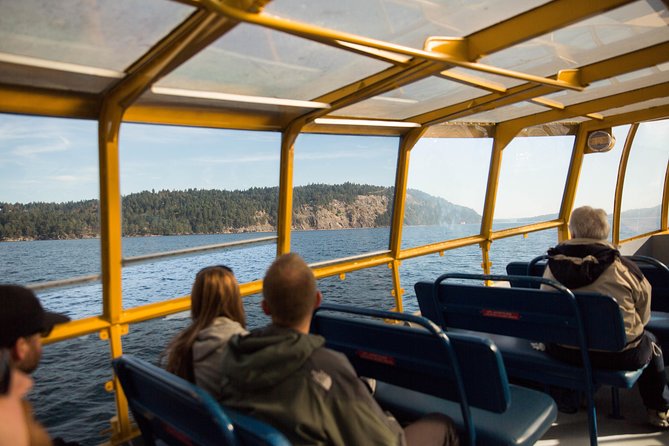
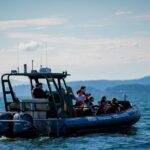
The good news is that the vessel is described as comfortable, and even when conditions are wet or breezy, people still reported feeling good on board. You’ll spend a lot of time looking outward, and that means dressing for wind and spray, not just sun.
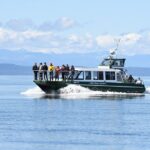
One detail worth planning around is deck space. The top deck is limited in capacity (about 12 people), and some visitors can end up staying up there the entire time, which makes it harder for others to take their turn with the best view. My advice: plan to rotate. If you want photos, you’ll get better results by repositioning rather than assuming one perfect spot lasts the whole trip.
If you’re sensitive to motion, expect a typical coastal-boat ride. Some participants described the ride as smooth and safe, but you should still treat “ocean conditions” as variable. The operator says the trip is subject to favorable weather, so rougher days may mean shorter time on the water or rerouting within the limits of safety.
Guides on the Water: How Naturalist James D. and Captain James Improve Your Odds
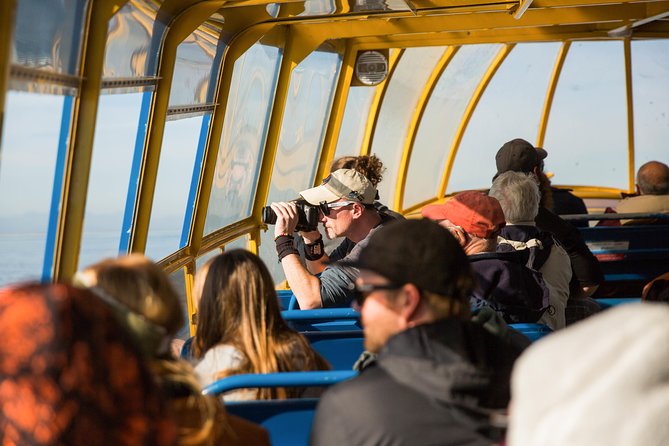
This type of tour lives or dies by how well the crew works as a team. The strongest feedback centers on knowledgeable guidance and an attitude that feels tuned to your questions—fast answers, clear directions, and practical help spotting what matters most.
You may hear names like Naturalist James D. and see crew members such as Captain James. On some departures, a photographer named Rhiannon was also part of the experience, and at least one account notes the team could identify individual whales by their markings. Even if you’re not chasing science-level whale ID, that kind of attention changes the feel of the cruise: you stop seeing generic splashes and start understanding patterns—pods, movement, and what to watch next.
Here’s what you should expect during the hunt. When whales are spotted, people tend to rush toward the railings. To keep the viewing fair, captains and guides may rotate positioning so everyone has at least one real chance to see. That said, if you have limited mobility, you should take extra care and confirm what seating and movement are possible on your specific boat. One participant reported issues with a walker and notes that crowd movement toward railings can block views from certain sides.
If you do have any accessibility needs, do not assume the boat matches every photo you might see online. Ask the provider directly about what’s permitted on board and how whale viewing rotation works for your group.
Coastal Scenery You’ll Actually Notice on the Gulf Islands Stretch
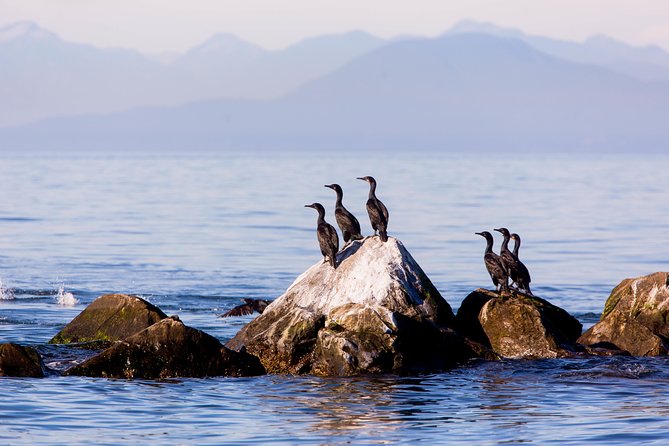
Wildlife is the main reason you’re going, but the scenery is the second reason you’ll remember the day. This cruise heads out into the coastal waters between the Gulf and San Juan Islands, an area known for marine activity and a coastline view that feels larger than what you get from downtown Vancouver.
That matters because it turns your half-day into more than waiting for a whale spout. You’re traveling through an ocean-world setting with open-water horizons and island views, so even “quiet” stretches don’t feel wasted.
A nice bonus: Steveston itself is a classic coastal base. Some participants suggest building time to explore and eat before or after you board. If you’re doing this as part of a Vancouver weekend, it helps to plan it so you can tack on a simple meal or short stroll rather than rushing straight from the boat to the next activity.
Also, note the day timing. Morning light can change what you spot, and cloud cover can reduce glare and sometimes make spotting easier. The operator’s focus is on finding animals, but your comfort still depends on how you handle the elements.
Price and Value: What $157.09 Buys on a 3–5 Hour Cruise
At $157.09 per person, this whale watch sits in the mid-to-upper range for half-day tours. The value question is whether you’re paying mainly for “being on a boat” or for the work that gets you close to sightings. This is where the operator’s stated 95% success rate matters, along with the way the crew searches and communicates.
For me, the value math looks like this:
- You’re spending about 3 to 5 hours on the water, which is long enough for multiple scanning windows.
- You get a shot at multiple species, not just one target.
- The tour includes either easy shuttle pickup, possible hotel pickup, or free parking, which reduces friction-costs (time, stress, and wasted energy).
But you should also be honest about the main tradeoff of wildlife tours. If conditions don’t cooperate, you may miss the dramatic encounters you hoped for. One participant even described being disappointed after going far and seeing more sea lions than whales. That doesn’t mean the tour is bad—it means the ocean is the boss.
Still, with strong crew reports, safe-comfort feedback, and a route designed for orcas and humpbacks, this price feels defensible if you’re going in with flexible expectations. You’re buying your best shot, not a guaranteed whale autograph.
Is This the Right Fit for Your Group?
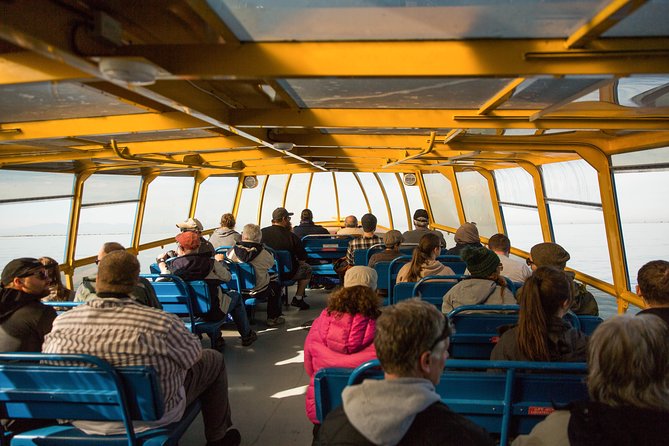
This cruise works especially well if you want a nature-first half-day that stays out of traffic headaches and focuses on real wildlife spotting. It also fits families and couples, since most travelers can participate and the vessel is described as comfortable even when the weather is wet.
It’s also a good fit if you prefer smaller-group feel. Recent feedback repeatedly highlighted that the experience wasn’t overly crowded at the level where it ruins your ability to aim a camera or follow the guide.
Where you might reconsider is mobility and viewing comfort. If someone in your group uses a walker or needs careful support, confirm the rules and how viewing rotation is handled. One account notes walker restrictions and that crowd surges toward railings can block views. This is the kind of trip where a “standard boarding” plan doesn’t always equal a “standard viewing” experience.
For groups that do OK standing and moving around a bit, the deal is strong: you’ll get guidance, multiple scanning opportunities, and a mix of wildlife. And if you’re a photo/video person, bring patience and plan for deck rotation so you can actually switch vantage points.
Should You Book This Vancouver Whale Watch?
If your priority is the highest chance of seeing whales on a realistic half-day schedule, I’d book it—especially if you’re the type who can enjoy the whole hunt, not just the headline moment. The route is designed for orcas and summer humpbacks, and the crew support (including named naturalists and captain-level coordination) seems to translate into better spotting.
Book it if:
- you want a structured outing with shuttle or easy access
- you’re comfortable with weather-based variability
- you want a day that includes more than one species, like seals, sea lions, and eagles
Skip or ask extra questions if:
- anyone in your group has mobility limits and needs a specific setup for viewing
- you’re relying on one specific whale behavior like a breach at a particular time
Bottom line: this is one of those Vancouver-area tours where the payoff is tightly connected to the conditions on the day, and the crew’s job is to make the odds as good as possible. If you match that mindset, you’re likely to leave happy.
FAQ
How long is the whale-watching tour?
It runs about 3 to 5 hours, depending on conditions.
Where do I meet for the tour?
The meeting point is Vancouver Whale Watch, 12240 Second Ave #210, Richmond, BC.
Does this tour offer transportation from downtown Vancouver?
Yes. There’s a shuttle option for round-trip transportation from downtown Vancouver. There may also be pickup from select Vancouver hotels if that option is selected.
Is there parking if I’m driving?
Yes. Free parking is available for guests arriving by car.
What wildlife are you likely to see?
The tour focuses on orcas and humpback whales, and you may also spot seals, sea lions, porpoises, bald eagles, and other shore birds.
Do I need a printed ticket?
No. The tour uses a mobile ticket.
What language is the tour in?
The experience is offered in English.
What happens if weather causes a cancellation?
If the tour is canceled due to poor weather, you’ll be offered an alternative date or a full refund.
Can I cancel for a full refund?
You can cancel up to 24 hours in advance for a full refund. Canceling later than that doesn’t get refunded.