REVIEW · MOOREA
Swim in Moorea with Humpback Whales and More
Book on Viator →Operated by MOOREA MOANA TOURS · Bookable on Viator
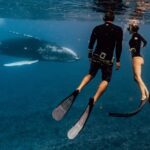
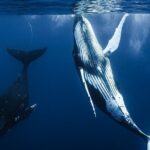
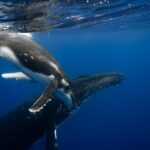
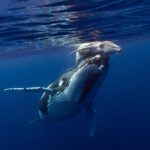
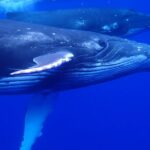
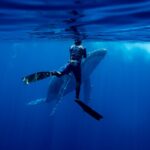
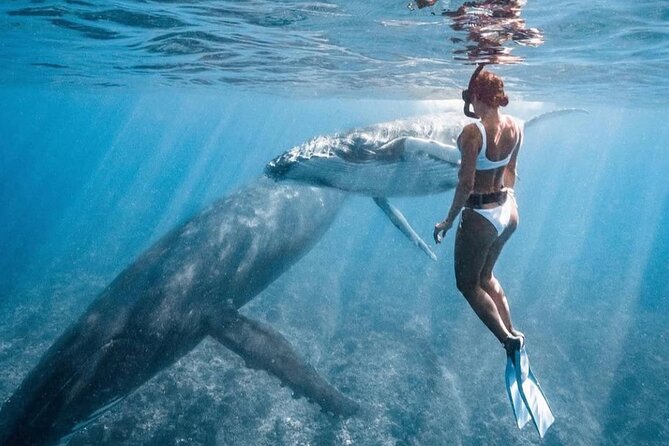
Humpback whales, up close and in the water. What makes this Moorea outing special is that you’re not just watching from a distance—you’re set up for respectful in-water encounters during the humpback season, after a biologist checks whale behavior first. I like the biologist-led safety checks and I also like the small-group setup, capped very low so you can actually focus on what’s happening around you.
One thing to plan around: this activity is seasonal (only July 20–Nov 20), and it runs only when conditions are right. In other words, you’re relying on good weather and on the whales surfacing in a way the team considers safe and non-invasive.
In This Review
- Key highlights you’ll care about
- Moorea’s whale season window: why July–November matters
- Safety first: the biologist rule before you enter the water
- Getting on board: pickup, snacks, and snorkel-ready comfort
- What the whale encounter can look like during migration
- Dolphins and sharks: the bonus wildlife layer you shouldn’t ignore
- What makes the guide team matter (Robert and Mareva)
- Practical tips: what to bring and how to make the day easy
- Price and value: what $412.98 buys you for 4 hours
- Who this is best for on Moorea
- Should you book Moorea whale swimming?
- FAQ
- When can you swim in the water with humpback whales?
- How long is the tour?
- Is hotel pickup included?
- What snorkeling gear do you get?
- Do I need to bring a towel?
- Can I get a full refund if plans change?
Key highlights you’ll care about
- Seasonal whale entry window (July 20–Nov 20), with swimming restricted to that period
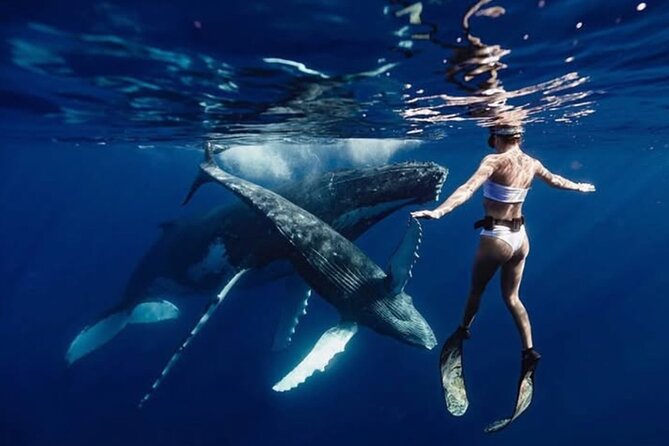
- Biologist checks first, then you enter the water only after surface activity looks safe
- Very small group size for a calmer, more focused experience (maximum listed is 6)
- In-water snorkeling with wetsuits (sizes XS to 4XL) plus snorkel gear provided
- You’ll also keep an eye out for dolphins and pelagic sharks, not just whales
Moorea’s whale season window: why July–November matters
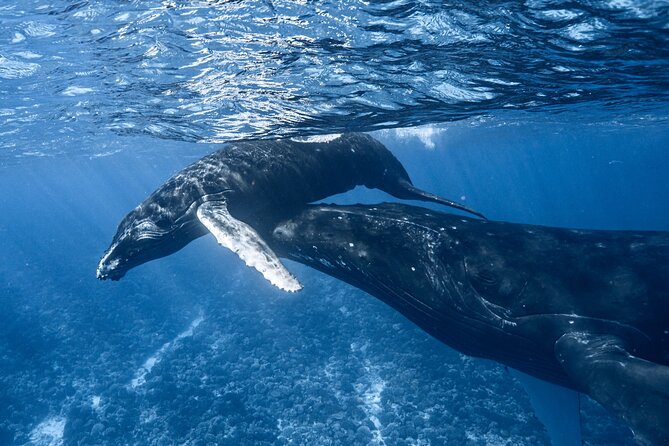
If you’re chasing humpback whales, timing is everything. This is one of the rare places in the world where you can actually enter the water with humpbacks during their migration to French Polynesia. But it’s not a year-round free-for-all—whale swimming is only offered July 20–Nov 20, and it’s against regulation to swim with whales outside that designated period.
That seasonal restriction is more than a technicality. It shapes how the experience works on the water. The team can focus on the right whales at the right time, and they can follow the right rules for how close you get. So if you’re traveling outside those dates, you’ll want to choose a different wildlife plan on Moorea rather than hope for a workaround.
You can also read our reviews of more tours and experiences in Moorea.
Safety first: the biologist rule before you enter the water
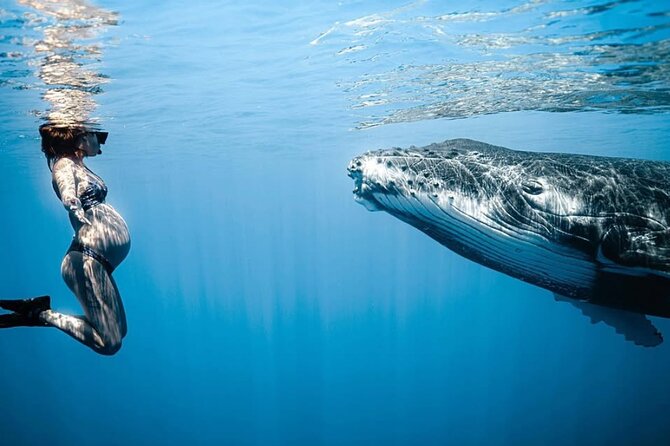
Here’s the big reason this experience feels responsible and not like a crowded animal zoo. Before anyone gets in, a biologist on board watches the humpbacks’ surface behavior. Only if it looks safe and non-invasive for both you and the whales does the team allow the in-water swim.
That means the whole day can shift based on what the whales are doing. You might spend time observing from the boat, then move when conditions are right. It also means the staff is actively managing risk and animal impact, not just following a fixed script.
I also appreciate that the tour spells out the why: allowing natural behavior—mating rituals, birthing, migration—supports a healthier marine environment. You’re still there to see something unforgettable, but the operation is built around respect, not speed.
Getting on board: pickup, snacks, and snorkel-ready comfort
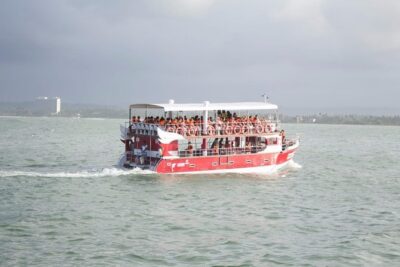
The tour starts in Moorea-Maiao at Moorea Moana Tours, and pickup and drop-off are included. You’ll also get a mobile ticket, and the activity runs about 4 hours total, give or take depending on whale timing and conditions.
Once you’re on board, the setup is pretty traveler-friendly:
- Live commentary during the trip
- Fresh fruits, snacks, and bottled water
- Beverages, including alcoholic beverages
- Snorkeling equipment included
- Wetsuit provided (XS to 4XL), which matters because Pacific water comfort can still vary with wind and the time of day
No towels are included, so bring your own. Also pack like you might get sun and then wind: a windjacket, cap or hat, and sunscreen are on the recommended list for a reason.
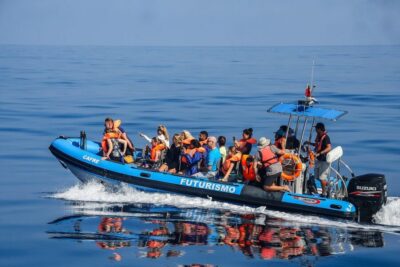
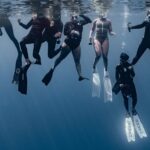
Small-group tours often feel more relaxed, and this one is designed that way. With a maximum of 6 travelers listed, it’s easier to keep track of everyone’s gear, breathing, and comfort when you’re in the water.
What the whale encounter can look like during migration
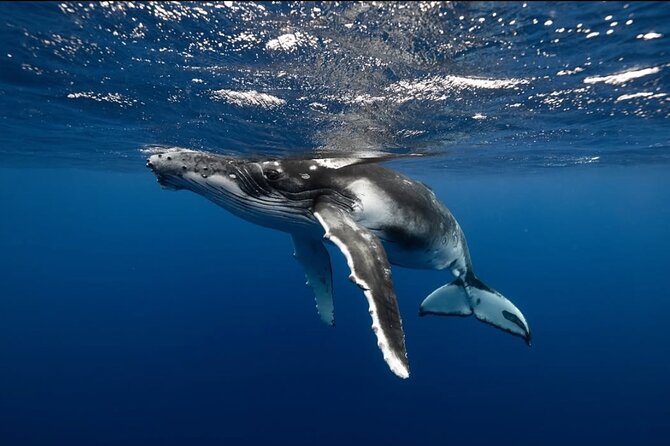
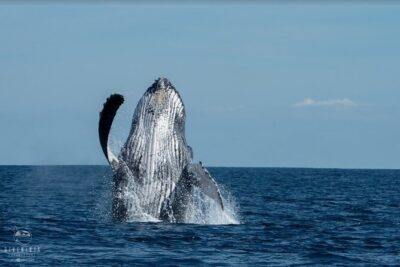
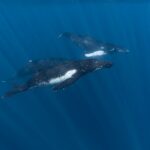
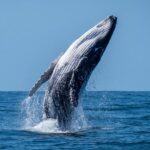
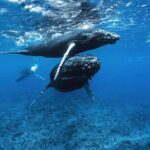
This is not a single “one moment” experience. The humpbacks you may encounter during their migration can show different behaviors, and the tour is built around being present for those changes.
Depending on what the whales are doing that day, you could see things like:
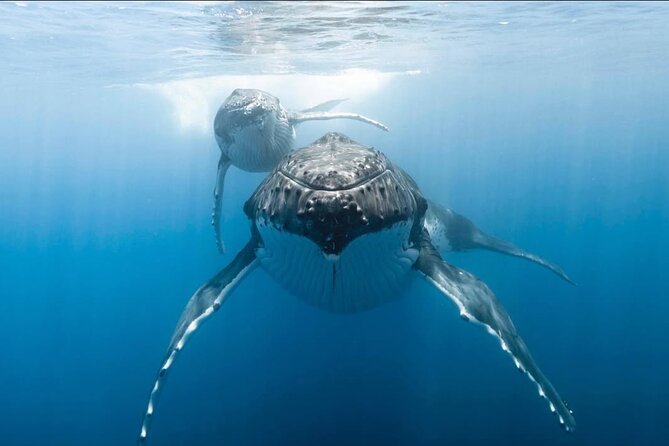
- Mom and calf pairs
- Heat runs, where behavior can look fast and intense
- Singing whales, a classic humpback signature
- Sleeping whales
- Playing whales
- Interspecies interactions (the tour notes these as possible)
One practical takeaway: your best plan is mental, not technical. Don’t get so focused on one “type” of whale that you miss the next shift. If the whales change behavior while you’re watching, go with it. That’s part of the value of letting the biologist decide when you enter and what the group does next.
Also, remember that whales aren’t predictable like a theme park ride. The tour’s emphasis on letting them keep natural patterns is a hint that you should expect a real ocean experience, not guaranteed circus moments.
Dolphins and sharks: the bonus wildlife layer you shouldn’t ignore
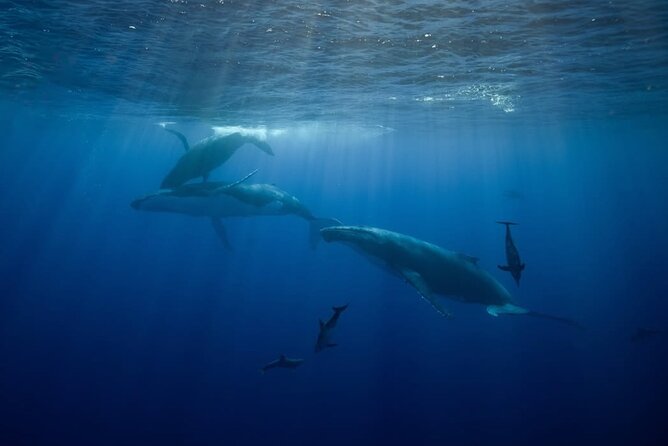
The primary goal is humpback whale observation and in-water snorkeling, but the tour also keeps an eye out for other marine wildlife.
For dolphins, the experience specifically mentions:
- Spinner dolphins
- Rough toothed dolphins
- Beaked whales and pilot whales (not dolphins, but other cetaceans the team may encounter)
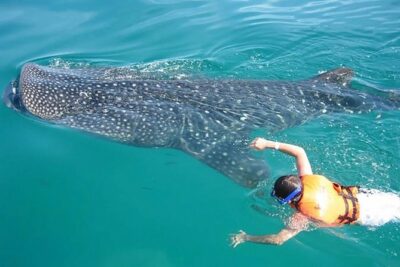
For sharks, it points to pelagic species such as:
- Silky sharks
- Oceanic whitetip sharks
Here’s the honest way to think about this: these additional sightings are bonuses, not promises. The ocean controls the schedule. But the fact that the tour explicitly looks for cetaceans and pelagic sharks means the team’s scanning skills are part of the package, not an extra.
If you’re a wildlife person, this is a smart format. Even if you’re lucky enough to get multiple whale behaviors, the chance to also see dolphins or sharks can make the whole session feel more like a full ecosystem encounter.
What makes the guide team matter (Robert and Mareva)
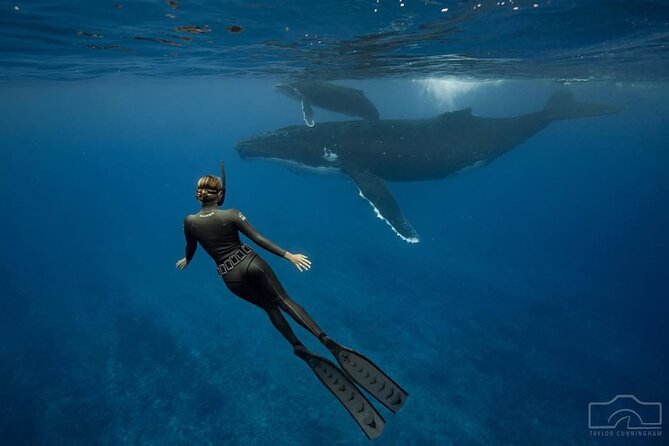
When you’re doing something as rule-based and safety-sensitive as swimming with humpbacks, the guide team quality becomes huge. In the feedback I saw, the experience was strongly associated with the expertise of Robert and Mareva, with Mareva noted as very experienced and the overall outing described as exceptional.
That lines up with how this tour is structured. The biologist-led decision-making is the backbone, but great marine tours also depend on people who can:
- read whale behavior from the surface
- keep snorkelers organized in small numbers
- explain what you’re seeing in real time
If you’re hoping for more than just visual wow—if you want context while you’re in the moment—this kind of on-board live commentary is one of the practical reasons the experience works.
Practical tips: what to bring and how to make the day easy
You’ll be happiest if you treat this as a day at sea first, and a snorkeling day second.
Bring:
- Swimsuit
- Sunscreen
- Cap or hat
- Towel (not provided)
- Windjacket
- Maybe a spare dry layer for after
Know your gear situation:
- Snorkeling equipment is included
- Wetsuit is provided in a wide size range (XS to 4XL)
- You’ll want to wear what fits comfortably under the wetsuit
Physical comfort:
- The tour asks for moderate physical fitness level
- Minimum recommended age is 5 years
- Children must be accompanied by an adult
One more “don’t overthink it” tip: the best snorkeling moments often happen when you’re not fighting your gear. Take a couple minutes when you get your setup, and get your breathing and mask comfort sorted before anything starts moving fast.
Price and value: what $412.98 buys you for 4 hours
At $412.98 per person for about 4 hours, it’s not a cheap activity. But it’s also not “paying for a boat ride.” You’re paying for a very specific set of things that are expensive to do well:
- A biologist on board making real safety calls based on whale behavior
- In-water access that’s only legal during the July 20–Nov 20 window
- Snorkeling equipment and wetsuits included
- Hotel pickup and drop-off included
- Food and drinks onboard, including alcoholic beverages
- A small group size that keeps the operation controlled
So the value question becomes: are you in the right season, and do you want the in-water perspective rather than a distance-viewing tour? If yes, this cost starts to make more sense. If you’re mainly curious and not set on whale swimming, you may find other Moorea activities with lower price points.
Also keep expectations aligned: with wildlife encounters, the ocean decides the itinerary. You’re paying for the chance plus the expertise to do it responsibly.
Who this is best for on Moorea
This tour fits best if you:
- Are traveling in July–November and want the chance to swim with humpbacks
- Care about wildlife etiquette and want a process that prioritizes safety and non-invasiveness
- Like guided context, not just a silent boat ride
- Want a small-group experience (maximum listed is 6)
You might reconsider if:
- You’re not comfortable with moderate physical demands
- You’re hoping for a year-round whale swimming option (this one is limited to the listed season)
- You forget key comfort items like a towel and sunscreen—because you’ll feel it out there
Should you book Moorea whale swimming?
If your travel dates land between July 20 and Nov 20, I think this is an easy “yes” for the right kind of traveler. The biggest selling points are the biologist-led go/no-go decision for entering the water and the small-group structure, plus the fact that the guides (including Robert and Mareva) are highlighted for experience and an exceptional outing.
Book it if you want the real deal: in-water whale observation done with rules, gear provided, pickup handled, and context explained. Skip it if your schedule is outside the seasonal window or if you prefer animals from a distance—because this is specifically designed around controlled, in-water snorkeling with humpbacks.
FAQ
When can you swim in the water with humpback whales?
This activity is only offered July 20 – Nov 20. Swimming with the whales outside of that period is against regulation.
How long is the tour?
The experience lasts about 4 hours.
Is hotel pickup included?
Yes. Hotel pickup and drop-off are included, and the tour starts and ends back at the meeting point in Moorea-Maiao.
What snorkeling gear do you get?
You get snorkeling equipment and a wetsuit provided in sizes XS to 4XL.
Do I need to bring a towel?
Yes. Towels are not included.
Can I get a full refund if plans change?
Yes. Free cancellation is available up to 24 hours before the experience start time for a full refund. The tour also requires good weather, and if it’s canceled due to poor weather you’ll be offered a different date or a full refund.