REVIEW · KAIKOURA
Whale Watching in Kaikoura by Boat
Book on Viator →Operated by Whale Watch Kaikoura Ltd · Bookable on Viator
A couple hours out on the water changes your whole view. This Kaikōura whale watch rides a speedy catamaran into deep water with live guidance, so you’re not just scanning—you’re learning while you look. I especially love the live running commentary, and I also like the way the crew works to get you a good look when the whales surface.
Here’s the one real drawback to plan for: sea conditions can get choppy, and you should take motion sickness seriously. Some trips run rough enough that crowding on the boat can make it harder to see everything.
In This Review
- Key things to know before you go
- Kaikōura whale watching, without the guesswork
- Your day at sea: the 3.5-hour schedule that actually works
- Speedy catamarans: comfort, speed, and what to expect on deck
- The sperm whale hunt: how sightings usually play out
- What you’ll see besides whales
- Live commentary: the difference between seeing and understanding
- Sea conditions and seasickness: your best pre-trip move
- Group size reality: when it helps and when it gets annoying
- Price and value: how $111.39 stacks up
- Booking timing: choose the departure like a pro
- Who this tour is best for
- Should you book Whale Watch Kaikōura by boat?
- FAQ
- FAQ
- How long is the whale watch tour?
- Where does the tour start and end?
- What is the meeting-time guidance for departures?
- Do I get a refund if I don’t see a whale?
- What animals might I see besides sperm whales?
- Is food or drinks included?
- What should I wear or bring for the boat ride?
- Are motion sickness pills available?
- What is the minimum age for children?
- When and how can I check departure availability?
Key things to know before you go
- 80% refund if you don’t see a whale lowers the risk of booking
- 3.5 hours total is a practical half-day commitment (up to 2.5 hours on the water)
- Live guidance all trip helps you read whale behavior, not just spot a spout
- Modern purpose-built catamarans keep the ride fast and comfortable when weather cooperates
- Limited group size (max 116) means you’re not on a massive ferry
- Dress warmly + flat shoes because deck time depends on sea conditions
Kaikōura whale watching, without the guesswork
Kaikōura is one of those rare places where nature piles on the drama. Tectonic plates collide, mountains drop toward the sea, and currents converge—so marine life gets a feeding rhythm that’s hard to find elsewhere. That’s why whale watching here is a real activity, not a hope-and-pray photo hunt.
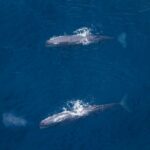
This tour targets one main star: sperm whales. Kaikōura’s waters are famous for them, and the town’s whale connection is more than marketing. If you’re into stories with real local roots, it helps that the Māori ancestor Paikea is linked with sperm whales in the wider Kaikōura tradition. On the water, the crew’s job is to find the right animals at the right moments—and to explain what you’re seeing as behavior unfolds.
You can also read our reviews of more tours and experiences in Kaikoura.

Your day at sea: the 3.5-hour schedule that actually works
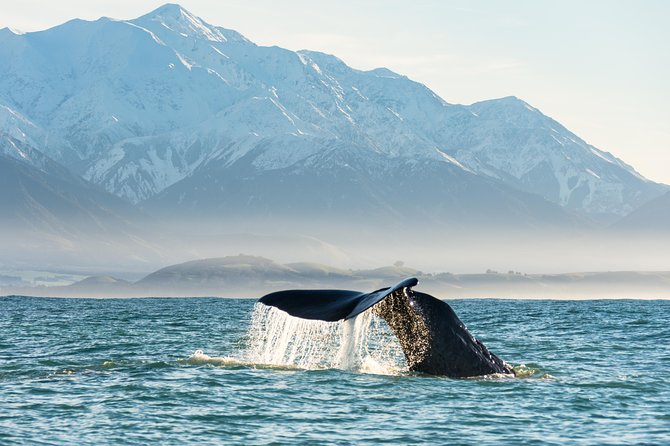
Plan on about 3.5 hours total. The time on the water is up to 2.5 hours, with check-in, a safety briefing, and bus transfers filling the rest. If you’re trying to fit Kaikōura into a travel itinerary, that timing is usually manageable.
Departures run multiple times on certain months: during Nov–Mar, you’ll see departures at 7.15am, 10.00am, 12.45pm, and 3.30pm. Those are check-in times, not “arrive and lounge” times. If you show up early, you may end up waiting outside the process.
Meeting point is Whaleway Station Road, Kaikōura (7300), and the tour ends back there. A bus ride is included to and from the marina, so you’re not stuck trying to park, herd your luggage, and find the dock yourself.
Speedy catamarans: comfort, speed, and what to expect on deck
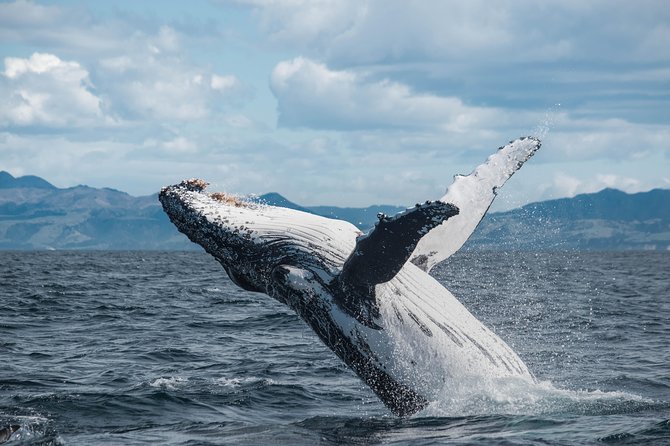
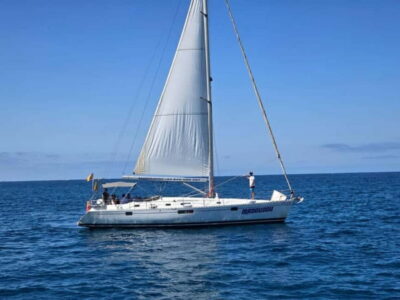
You’re riding a purpose-built modern catamaran designed for whale watching. The catamaran design matters because it helps you cover water efficiently—so when the crew gets updates and movement from the team tracking at sea, the boat can reposition without wasting time.
Most trips include an onboard atmosphere that feels more like a guided lesson than a silent bus-tour-at-the-water. You’ll get:
- running commentary during the cruise
- onboard visuals/animations that help translate what’s happening out there
One practical note: if you want deck time for photos, you may need light waterproof clothing depending on sea conditions. The boat can be fast, and spray happens. Flat shoes help too—less slip drama when you’re moving around.
The sperm whale hunt: how sightings usually play out
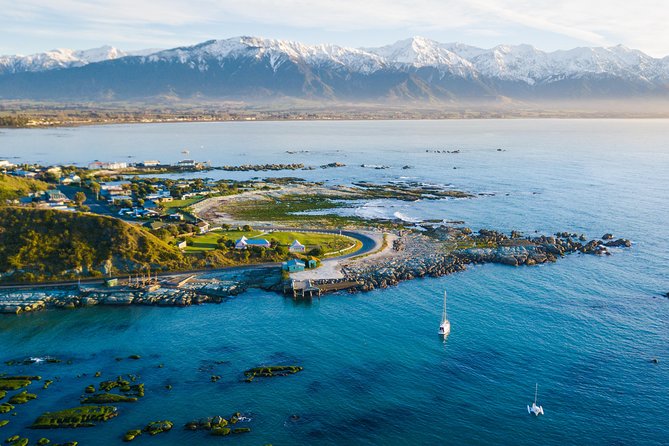
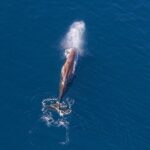
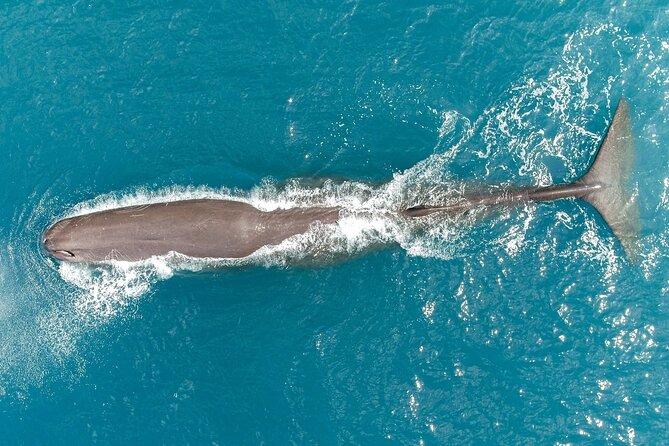
This tour’s pitch is sperm whales in the natural environment, and it delivers real odds. The operator lists a 95% success rate, and they back it up with an 80% refund if you don’t see a whale. That matters because whale watching can otherwise feel like buying a lottery ticket.
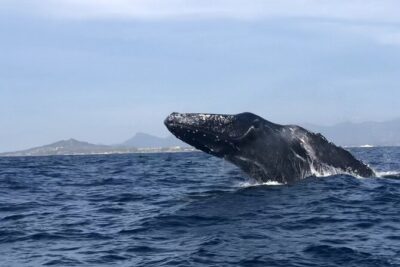
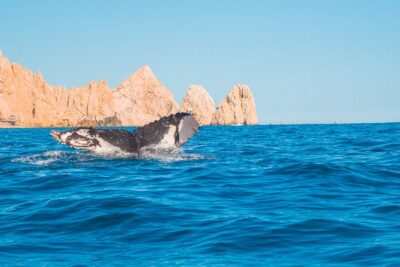
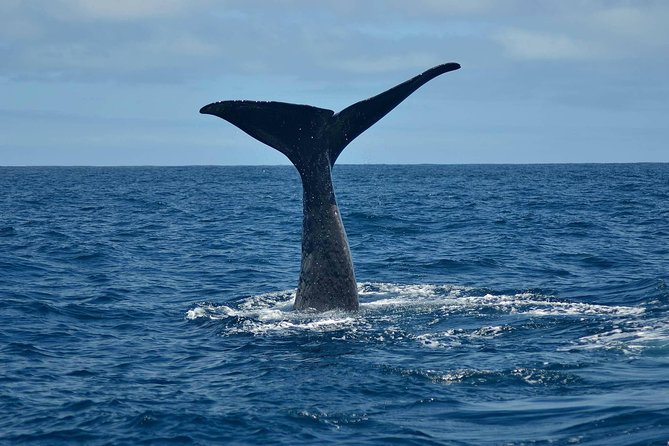
When a whale shows up, the crew aims to put you in position for what you need visually: surface moments and the angle of viewing as the whale moves. In real-world terms, that often means waiting calmly rather than sprinting away at the first sign of a spout. Some captains have been praised for spotting and staying with whales until the next visible behavior—such as tail movement—so you don’t just catch a quick glance and lose the rest.
Captains get named in standout accounts, including Captain Malena (for spotting a sperm whale) and Captain Fred (for local knowledge and commentary). Even when you don’t get a named captain, the consistent point is clear: this is a crew-led operation with active tracking.
What you’ll see besides whales
The whale is the headline, but Kaikōura doesn’t do single-act shows. You have a strong chance of also seeing:
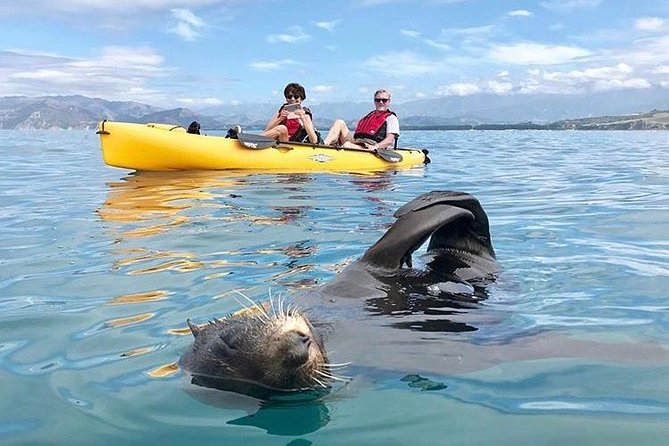
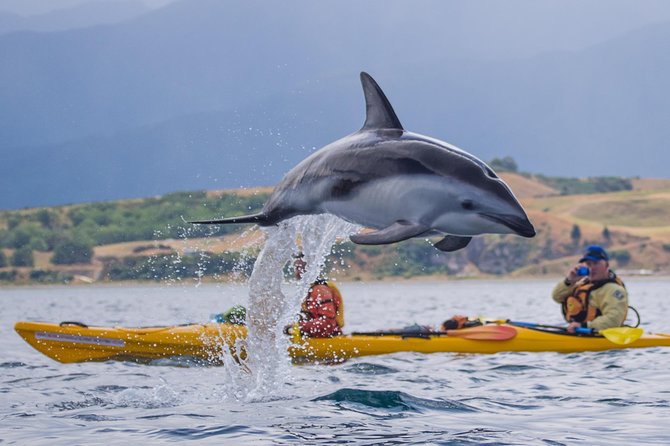
- dolphins (including pods that can be very active alongside the boat)
- seals
- sea birds like albatross and other seabirds
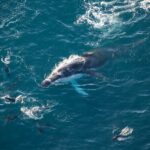
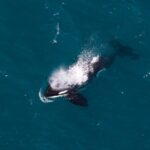
You may also spot other whale species. Some accounts mention humpback sightings, plus other whale types—though sperm whales are the core target. Expect the wildlife to show up in bursts: quiet stretches followed by sudden action when the boat finds the right area.

Live commentary: the difference between seeing and understanding
A big reason people rate this tour so highly is not just “we saw whales,” it’s that the narration helps you understand what you’re watching. The commentary covers whale habits and life-cycle basics, and the onboard visuals/animations make the biology easier to follow.
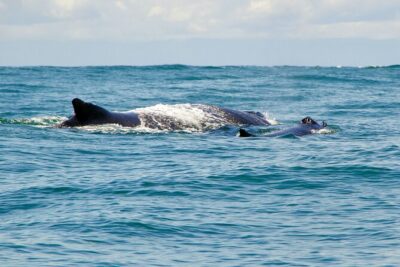
This is especially helpful for sperm whale viewing. You might not get the full “TV-style” view all the time. Instead, you’ll often see the recognizable signals:
- a spout
- time at the surface
- brief head or tail movement
- then the whale disappears beneath the surface
That pattern can feel anticlimactic if you expect constant action. The commentary helps you reset expectations fast and focus on the real goal: moments of behavior that confirm you’re watching the animal, not guessing.
Sea conditions and seasickness: your best pre-trip move
Let’s talk about the part that can ruin a good day if you ignore it. The operation strongly warns about sea sickness, and people take it seriously for a reason. Even when conditions are not extreme, the ride out and back can feel choppy.
Do yourself a favor:
- take motion sickness pills before you go
- wear warm layers
- consider having a backup plan if you’re prone to nausea
The operator sells motion sickness products in the retail store before you board, so you can still grab something last-minute if you forgot. One review note that this is not a scare tactic—it’s a real physical effect for many passengers.
If you tend to get queasy, don’t “tough it out.” That’s like trying to run a museum in flip-flops.
Group size reality: when it helps and when it gets annoying
The boat’s max size is 116 travelers, which is fairly controlled for a whale watch. Still, whale viewing moments can be crowded because everyone focuses on the same horizon line at the same time.
A common tradeoff shows up in feedback: if the boat is full and the whale surfaces quickly, visibility can feel tight. The crew will do their best to manage positions, but physics wins. When the animals are far or the weather adds glare, you may need patience and angle changes rather than expecting an always-perfect photo.
Price and value: how $111.39 stacks up
At $111.39 per person, this is not a bargain. But whale watching isn’t cheap because you’re paying for:
- a real-time operation that searches deep water
- a purpose-built fleet
- onboard interpretation (commentary and visuals)
- experienced staff working safety and tracking continuously
- bus transfer to the marina
The value is boosted by the 80% refund if you don’t see a whale. That’s the kind of policy that makes the risk feel smaller. You’re still paying for the trip, but you’re not paying blindly.
What’s not included is food and drinks, so plan to eat before or after. Since this is a half-day, it’s easy to pair with a seafood lunch in town afterward.
Booking timing: choose the departure like a pro
If you have flexibility, pick a departure that fits your comfort and your schedule. In general, you’ll want a time when you’re least likely to rush—because stress makes sea sickness worse.
Also remember the “check-in time” detail: don’t arrive early expecting to sit around. Show up at your assigned check-in window so you don’t end up wasting the energy you’ll need for the ride.
Who this tour is best for
This works well for:
- first-time whale watchers who want explanations, not just spotting
- people who appreciate eco-focused viewing (this operation emphasizes natural behavior and non-intrusive watching)
- couples and friends who want a guided wildlife experience with a fast, efficient boat
It may be less ideal if:
- you hate choppy water and don’t plan for seasickness at all
- you expect a small, quiet boat experience every time (bigger operations can feel crowded during peak surfaces)
If you’re traveling with kids, there’s a minimum age of 3 years+, though the company can raise the age limit depending on sea and weather at check-in. That’s worth noting if you’re bringing younger passengers who struggle with motion.
Should you book Whale Watch Kaikōura by boat?
If you want the best mix of odds, guidance, and value, I’d book this—with one big condition: come prepared for motion. The combination of high success rate, a refund if you don’t see a whale, and guided interpretation makes it a sensible choice for most visitors.
Skip it only if you have serious difficulty with rough water and you’re not willing to take seasickness steps ahead of time. Otherwise, this is one of those Kaikōura experiences where the time at sea feels purposeful, and the moments you do get—spouts, surface time, tail movement, active dolphins—turn into real memories fast.
FAQ
FAQ
How long is the whale watch tour?
The duration is about 3 hours 30 minutes total, and the actual time on the water is up to 2.5 hours.
Where does the tour start and end?
It starts at Whaleway Station Road, Kaikōura 7300, New Zealand, and it ends back at the meeting point.
What is the meeting-time guidance for departures?
The listed times are check-in times only. You should not come earlier than the specified time.
Do I get a refund if I don’t see a whale?
Yes. If your tour does not see a whale, you receive an 80% refund.
What animals might I see besides sperm whales?
The tour includes the chance to see dolphins, seals, and sea birds along with native sperm whales.
Is food or drinks included?
No. Food and drinks are not included.
What should I wear or bring for the boat ride?
Dress warmly and wear flat shoes. If you spend time on the outside decks, you may need light waterproof clothing depending on sea conditions.
Are motion sickness pills available?
Yes. You can purchase motion sickness pills at the retail store before you board.
What is the minimum age for children?
The minimum age limit is 3 years+, but the operator may raise the age limit depending on sea and weather conditions at check-in.
When and how can I check departure availability?
The confirmation is received within 48 hours of booking, subject to availability, and the tour operates all year round with set departure check-in times during Nov–Mar.