REVIEW · LA PAZ
Gray Whale Watching Expedition at Magdalena Bay
Book on Viator →Operated by Mexico Travel Adventure · Bookable on Viator
Gray whales come close here. This expedition from Puerto Chale targets the best viewing spot in Bahía Magdalena and Almejas, based on real-time captain info and changing conditions. I love that the plan is flexible, because it focuses on sightings rather than sticking to one spot no matter what.
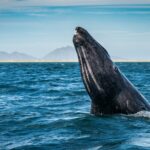
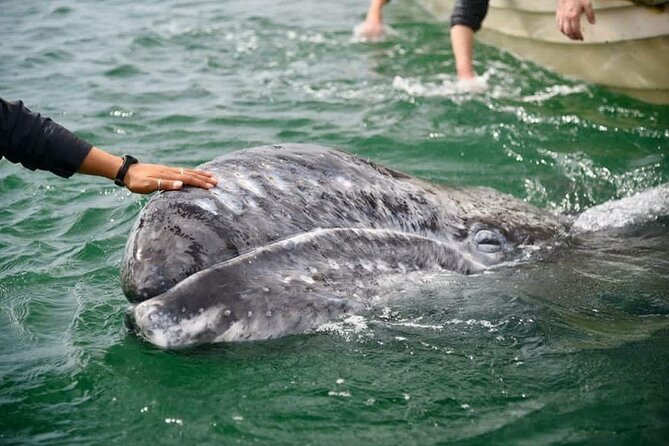
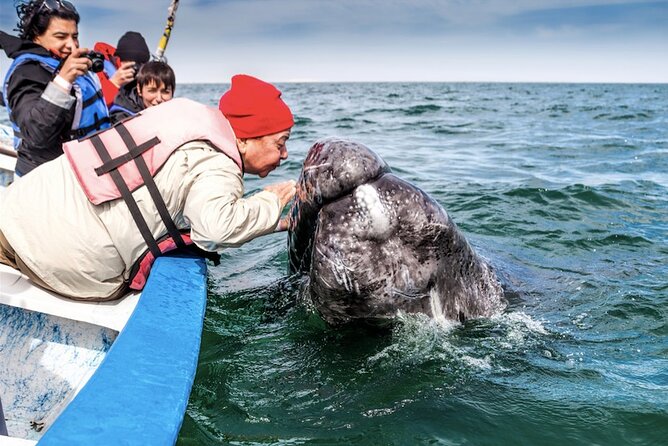
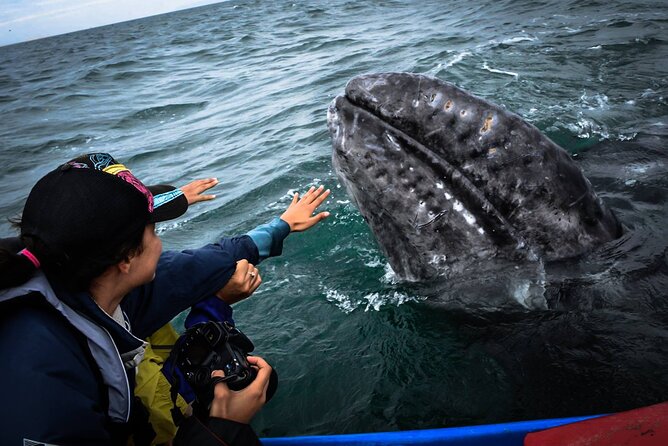
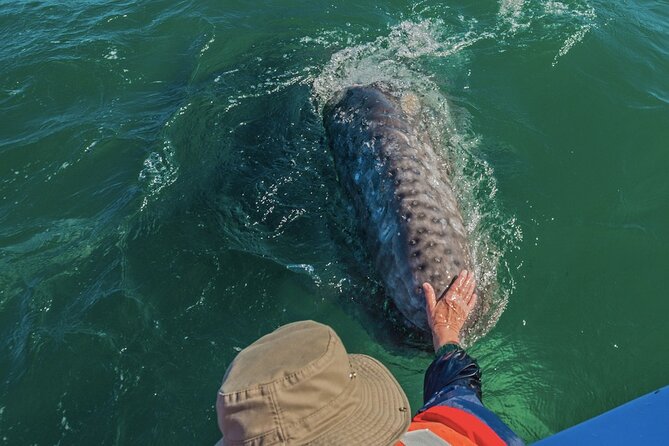
The standout for me is the potential for very close gray whale moments. The whales often come up near the panga boat, and you may even get to see behavior up close like scratching, hugging, or kissing when the whales approach observers.
One thing to consider: you’ll be on a boat for part of the day, and it can be cool and choppy out on the water. If the weather isn’t right, the tour may be moved or refunded, so pack for a chill ride.
In This Review
- Key highlights you should care about
- How Magdalena Bay gray whale watching really works
- Meeting at Puerto Chale: easy start, clear return
- The panga boat ride: what it feels like and what to pack
- Finding whales in Bahía Magdalena and Almejas (and why the captain matters)
- What you’ll actually see: gray whale behavior up close
- Dolphins and sea birds: the bonus wildlife that makes the wait worth it
- Learning on the water: the role of guides like Juan Carlos
- Time on the water: why two hours is the sweet spot
- Price and value: is $179.12 worth it?
- Who this tour suits best
- Should you book this gray whale expedition from Puerto Chale?
- FAQ
- What time does the expedition start?
- Where is the meeting point?
- How long is the whale watching activity?
- How many people are in each group?
- Is the tour offered in English?
- Do I get a ticket on my phone?
- What is the cancellation policy?
- What happens if it’s canceled due to weather?
Key highlights you should care about
- Small group size (max 6): More space to look around and less crowding when whales surface.
- Captain-chosen location: The team heads to Bahía Magdalena or Almejas depending on conditions for better odds.
- Two hours on the water: Enough time to spot whales, not a quick in-and-out.
- Gray whales up close: The activity is built around the whales approaching the boat.
- More wildlife than just whales: Dolphins and lots of sea birds can show up around mangroves and dunes.
- Bring a jacket: Staying warm on the boat ride out is part of the game.
How Magdalena Bay gray whale watching really works
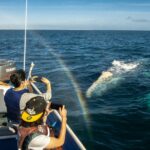
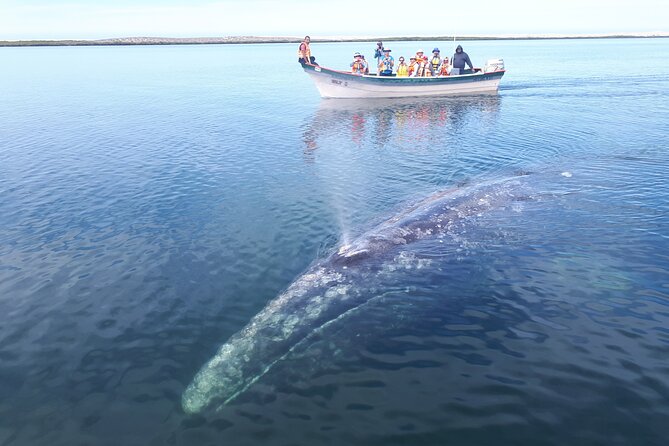
If you’re picturing a big, crowded wildlife bus tour, this is the opposite vibe. You’re going out on a panga boat with a small group and a crew focused on where the whales are most likely to show at that moment.
Gray whales follow a path that keeps them coming back seasonally, and Magdalena Bay is one of the places they’re known for coming close to shore. That’s why “where we go” matters. The captains don’t treat the route like a fixed script. They use conditions and captain info to decide the spot in Bahía Magdalena or Almejas that offers the best chances.
For you, that means less time wondering what the plan is and more time looking at the water for the next spout.
You can also read our reviews of more tours and experiences in La Paz.
Meeting at Puerto Chale: easy start, clear return
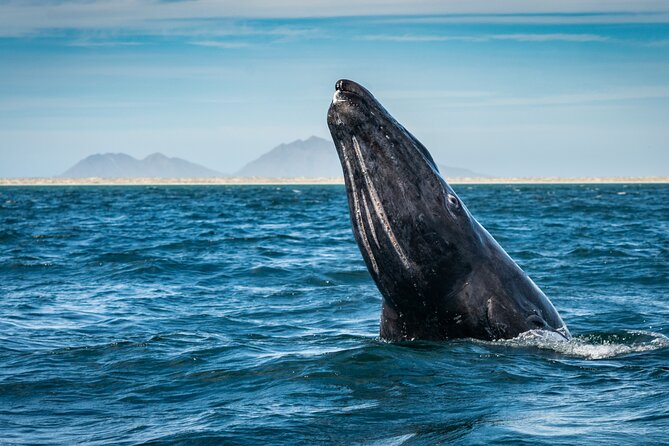
This tour starts at 9:00 am from Puerto Chale (meeting point: CCFW+JV, Calle principal, 23130 Puerto Chale, B.C.S., Mexico). You’re back at the same meeting point at the end, which keeps things simple. No mystery transfers. No getting dropped somewhere else.
The morning start is also helpful. Early light tends to make it easier to pick out spouts and blows against the sky, and the water conditions can be nicer than later in the day depending on the day’s weather pattern.
You’ll board a panga boat with a maximum of 1–6 people in the group, so you can actually pay attention to what the crew is spotting rather than being squeezed in on the edge.
The panga boat ride: what it feels like and what to pack
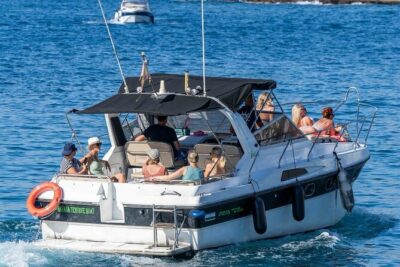
This is a real boat outing, not a shore walk. Expect a ride out into Bahía Magdalena and Almejas, and expect it to change with the sea state. In choppier conditions, you’ll feel the movement, and the open water breeze can cool you down fast.
The best practical tip from the experience: bring a jacket. People specifically call out that staying warm during the boat ride out matters. Layering is a smart move too, because you might be warm while waiting and then cool quickly once you’re out moving.
What I’d pack:
- A warm jacket or fleece you don’t mind getting a little damp
- Layers you can peel off if you warm up
- Hat or sunglasses for glare off the water
- Closed-toe shoes with grip (you’ll be on a small boat)
Also, go easy on bulky bags. On a panga, space is limited, and you want your hands free for photos and for watching.
Finding whales in Bahía Magdalena and Almejas (and why the captain matters)
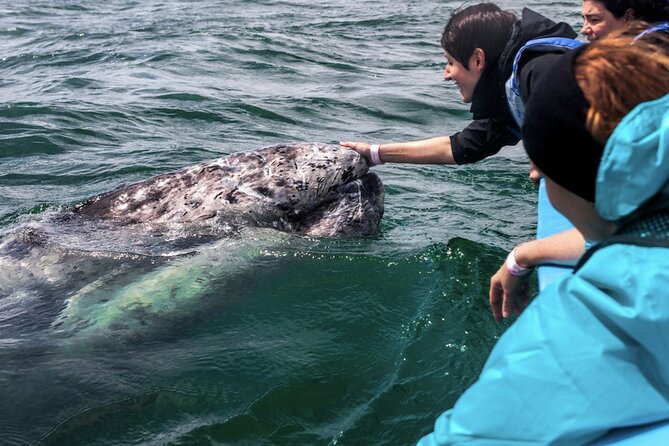
This trip runs in the waters of Bahía Magdalena and Almejas. The exact spot depends on conditions, with the captain choosing where you have the best odds of seeing whales.
I like this approach because it respects reality. Weather shifts. Wind shifts. Visibility changes. A fixed itinerary would be fine if nature never changed. But wildlife watching isn’t a static museum scene, and this is designed to react.
The crew is also using information from captains to make that decision. In plain terms: they’re not guessing in the moment with no context. When you’re on a small boat, that experience-based decision-making helps.
For you, it means your time is spent where it has a higher likelihood of payoff, not where the map says you should be.
What you’ll actually see: gray whale behavior up close
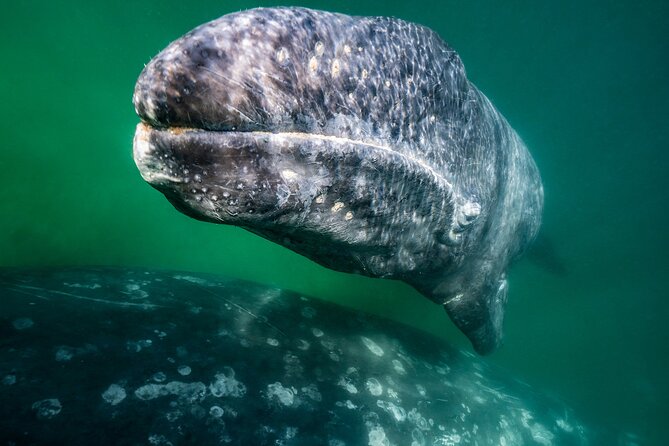
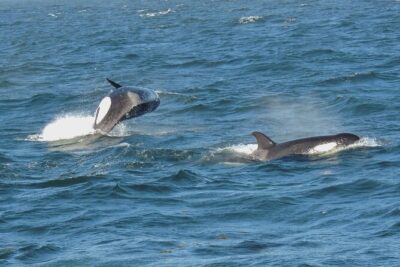
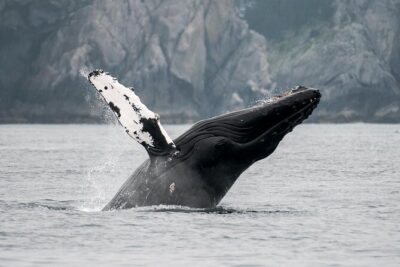
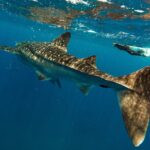
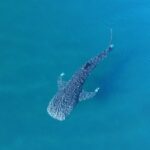
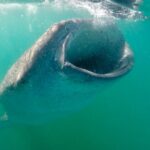
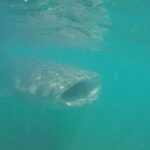
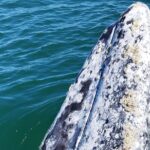
The goal is simple: look for gray whales and enjoy how they interact with observers. Gray whales often come relatively close to the boat, and when they do, you can see more than just a brief surface moment.
One review highlight that matches what this kind of outing aims for: people reported seeing around 30 whales, and the whales were active enough that the experience felt like the “dream” kind of day. When whales are coming up nearby, you’re not only watching for spouts—you’re watching for movement, timing, and behavior as they surface and breathe.
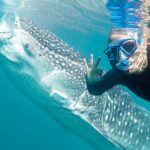
The activity description also points to close-range interactions like scratching, hugging, and even kissing when the whales come close to observers. You should treat that as a possibility depending on whale behavior that day, not something you can force. Follow the crew’s guidance closely, stay calm, and let the whales set the distance.
Besides gray whales, you can also run into dolphins. And since you’re near mangroves and dunes, sea birds are a real part of the scenery and spotting game.
Dolphins and sea birds: the bonus wildlife that makes the wait worth it
If you go into this only chasing whales, you might miss the fun of everything around them. This area can be lively even when whale activity is sporadic.
Dolphins are on the list, and they often show up with movement that’s easy to spot from the boat. Sea birds in and around mangroves and dunes can also add constant motion above the waterline. When birds are active, it’s often a sign that the ecosystem is working that day.
Even if the whales are slower to surface, the water isn’t “quiet.” You’ve got other wildlife signals to watch, and it makes the two hours feel fuller.
Learning on the water: the role of guides like Juan Carlos
A huge part of the value here is how the crew explains what you’re seeing while you’re actually out there. One guide name that comes up is Juan Carlos, described as very informative.
That matters because gray whale watching can be a bit like learning a new language. You need to understand what to look for: where spouts appear, how whales move between surfacing, and what the crew means when they point something out in the distance. When the guide’s explanations are clear, you enjoy the moment more, not less.
And since the outing is focused on real sightings, good interpretation helps you spot what you might otherwise miss.
Time on the water: why two hours is the sweet spot
The whale watching activity runs for about two hours. That’s a solid chunk of time for small-group spotting because it gives enough waiting and enough chance for whales to show up, move, and surface multiple times.
Also remember: “duration” here is the activity time. Plan for the day around a morning start. One person specifically noted it was worth the about four hours round trip from La Paz, which gives you a sense of how people mentally budget their time when they choose this kind of outing.
If you want a half-day plan that doesn’t drag, this hits the target. If you need a long, slow nature day, you might be left wanting more after you return.
Price and value: is $179.12 worth it?
At $179.12 per person for an about two-hour activity, you’re paying for more than just being on a boat. You’re paying for:
- A small-group setup (max 6)
- A captain-led hunt for the best location in shifting conditions
- Real time on water in gray whale territory
- Guide support while you watch
For many people, the value turns on the sightings. The best days are the ones where whales come close repeatedly and you see real behavior, not just distant blows. With the captain choosing Bahía Magdalena or Almejas based on conditions, you’re not stuck hoping one spot works out.
And the overall feedback is strongly positive, with a 5/5 rating and a high recommendation rate. While any wildlife outing has uncertainty, the consistent praise centers on exactly what you want: the whales are there, the guides talk clearly, and the day feels like it pays off.
Who this tour suits best
This is a strong fit if you:
- Want close wildlife viewing from a boat
- Prefer small groups over big crowds
- Enjoy learning what you’re seeing while it happens
- Can handle cool breezes and possible choppy water
It may be less ideal if you:
- Easily get seasick (nothing in the info says you’ll be protected from movement)
- Hate cold mornings or wind (bring layers)
- Need a totally weather-proof plan (conditions matter here)
Should you book this gray whale expedition from Puerto Chale?
I’d book it if your main goal is gray whales up close with a crew that tries hard to find the best odds in the moment. The combination of small group size, captain-selected viewing areas, and strong field-day feedback makes it a sensible choice for a memorable wildlife morning.
If you book, do yourself a favor: pack a warm jacket, set expectations that conditions can change, and be ready to watch closely. When the whales come up nearby, it’s the kind of experience that stays with you, because you’re not just seeing animals—you’re seeing their behavior and how close they really get when the water lines up.
FAQ
What time does the expedition start?
It starts at 9:00 am.
Where is the meeting point?
The meeting point is CCFW+JV, Calle principal, 23130 Puerto Chale, B.C.S., Mexico.
How long is the whale watching activity?
The activity is about 2 hours (approx.). The tour returns to the meeting point afterward.
How many people are in each group?
The group size is 1–6 people maximum.
Is the tour offered in English?
Yes, it’s offered in English.
Do I get a ticket on my phone?
Yes, it includes a mobile ticket.
What is the cancellation policy?
You can cancel for a full refund up to 24 hours before the experience starts. If you cancel less than 24 hours before the start time, the amount you paid is not refunded.
What happens if it’s canceled due to weather?
If it’s canceled due to poor weather, you’ll be offered a different date or a full refund.