REVIEW · TERCEIRA
Terceira Island: Whale & Dolphin Watching | Best Wildlife Tour
Book on Viator →Operated by OceanEmotion · Bookable on Viator
Dolphins show up on their own schedule. On Terceira Island, this small-boat tour puts a guide and whale-and-dolphin spotter together with a real hidrophone so you’re not just scanning the surface. What I like most is that hands-on setup and the way the team helps you actually find what’s out there; the tradeoff is simple: wildlife is wild, so you may see dolphins without whales, and conditions can get choppy.
You’ll spend about 2.5 hours on the water with a max group size of 20, and you’re given a wind jacket for that Atlantic breeze. There’s no hotel pickup, so the logistics are mostly on you—unless you’re already based near Angra do Heroísmo’s marina.
In This Review
- Key things I’d circle before you book
- Terceira’s cetaceans: why Azores waters feel like a real wildlife hunt
- Meeting at Marina de Angra do Heroísmo: timing, check-in, and what to bring
- Inside the boat: small-group time on the water and the choppy-sea reality
- Hydrophone and spotter: how the team searches beyond your eyes
- Sighting guarantee: what you’re promised, and what you’re not
- Guide style that makes spotting easier: Raquel and the hands-on coaching approach
- Price and value at about $84: what you’re really paying for
- Who this tour is best for on Terceira (and who should rethink it)
- Weather and sea conditions: dressing for the boat, not the brochure
- Cruise passenger warning: the marina is the hard part
- Should you book OceanEmotion’s Terceira whale & dolphin tour?
Key things I’d circle before you book
- Small-boat setup: Plan on an up-close feel with space for up to 20 people.
- Hydrophone help: The included hidrophone lets you listen while you look.
- Sighting guarantee that has teeth: At least one of whales or dolphins, or you get a new free tour.
- Marine-biologist energy: One guide I’d happily follow is marine biologist Raquel, who made spotting easier for everyone.
- Gear included: Wind jacket is provided, plus the spotter and guide are part of the package.
- Transport matters (especially for cruises): Getting to the marina on time can be the make-or-break detail.
Terceira’s cetaceans: why Azores waters feel like a real wildlife hunt
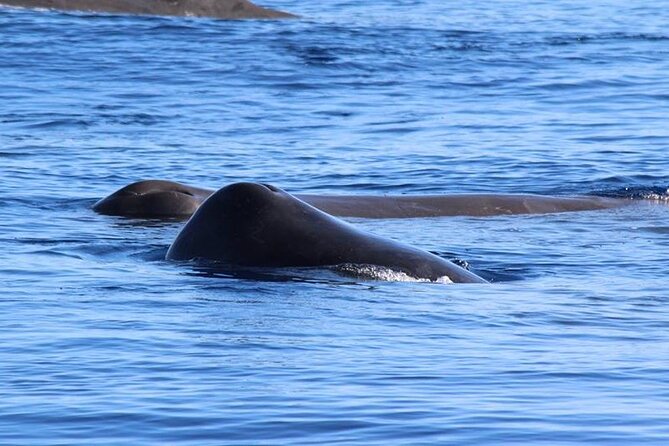
The Azores are famous for whales and dolphins for a good reason. In these waters, you have 29 recorded species of cetaceans, and the region is home to around 33% of the world’s known species. That statistic matters because it explains why this isn’t a one-note experience. Even when you’re not getting your exact first-choice animal, the odds of multiple dolphin sightings (and sometimes whales) are a big part of the draw.
Also, this tour is built around the truth that you can’t control animal behavior. The operator is upfront that the outcome is unpredictable. That might sound like a downer until you realize how the experience is designed: the team uses both visual searching and the hydrophone approach, and they work to deliver sightings of at least one whale or dolphin species present in the area that day.
The best part for me is the mindset shift. You’re not waiting for a guarantee like it’s a movie. You’re joining a practical hunt, where the crew’s job is to maximize your chances in changing conditions.
You can also read our reviews of more tours and experiences in Terceira.

Meeting at Marina de Angra do Heroísmo: timing, check-in, and what to bring
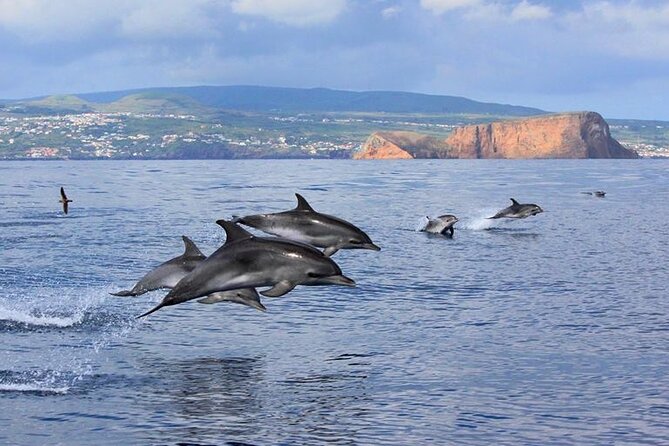
The tour meets at Marina de Angra do Heroísmo, Portugal and ends back at the same spot. No hotel pickup or drop-off is included, so you should plan to get yourself and your ticket to the marina on your own.
That matters because the marina is the start line, not the background detail. If you show up late, the boat doesn’t pause for you. One cruise-day story in the mix makes this very real: a group couldn’t get from the port to the marina on time due to a lack of public transportation and no taxis available immediately, and they were treated as a no-show. The lesson is straightforward: if you’re arriving by cruise, assume you’ll need a private transfer plan rather than “I’ll figure it out at 8am.”
What you do need to bring is less mysterious. The tour runs in a range of weather conditions and the recommendation is to dress appropriately. Since you’ll be on an open or small boat experience, layers help. Even with the wind jacket included, you’ll want something warm enough for sea air.
Inside the boat: small-group time on the water and the choppy-sea reality
This is a small-group outing, capped at 20 travelers, which changes the feel. Instead of a long line of people and a rushed search, you get a more hands-on vibe. That’s a big part of why the guide can coach you on where to look and how to spot movement fast.
One thing to be ready for is sea state. A reviewer described the ocean as a little choppy, which made the ride more exciting but also a reminder that you’re out there on the water. The good news: the tour includes a wind jacket, and that’s exactly the kind of practical item that helps when the wind turns up.
If you’re prone to feeling uncomfortable on boats, this isn’t the listing where you’ll find a detailed note about accessibility for seasickness or anything like that. So I’d treat this as a regular open-water activity: bring the right layers, keep your expectations flexible, and plan to enjoy the ride as part of the deal.
Hydrophone and spotter: how the team searches beyond your eyes
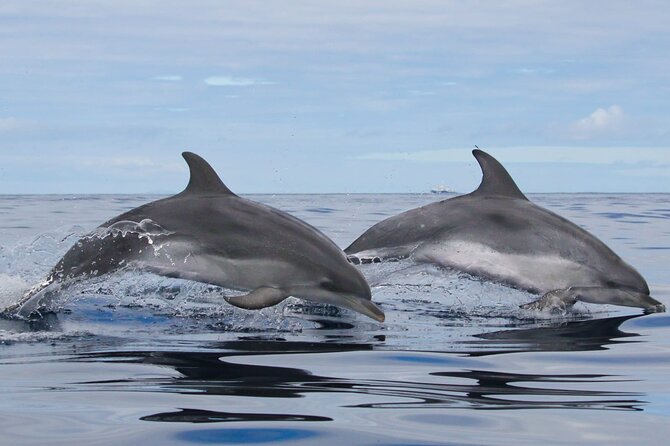
Most wildlife tours lean heavily on sight. This one adds something better: the included hidrophone. That means there’s an extra channel of information while you’re scanning. You look for surface activity, and you listen for the kinds of sounds that can guide the crew toward where animals are.
The “spotter” role matters here because it turns your experience into a team sport. You’re not just wandering around with binoculars and hoping. In the best moments, you’ll likely be coached on what counts as a cue—what to watch for, when to shift attention, and how to keep your eyes on the right patch of water instead of chasing random ripples.
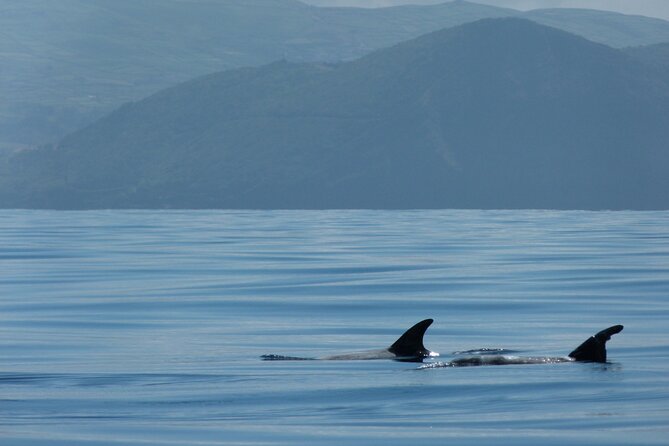
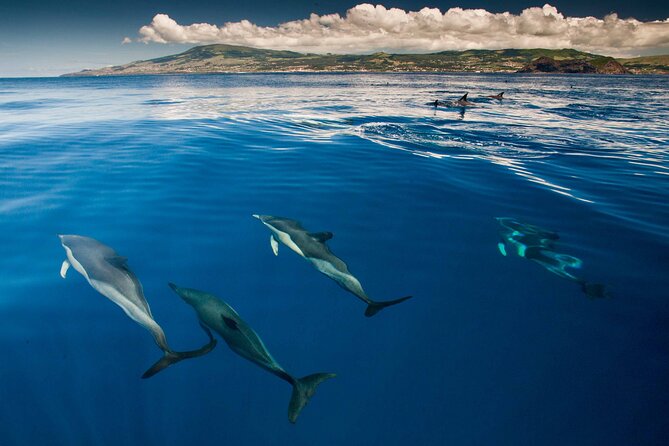
This is also why the tour can still feel like a win even when the day doesn’t deliver the exact mix you hoped for. Dolphins are the most common highlight from the review notes, including sightings of three different dolphin species during one trip. When the spotter and guide work well, that “different species” detail becomes the story, not the disappointment.
Sighting guarantee: what you’re promised, and what you’re not
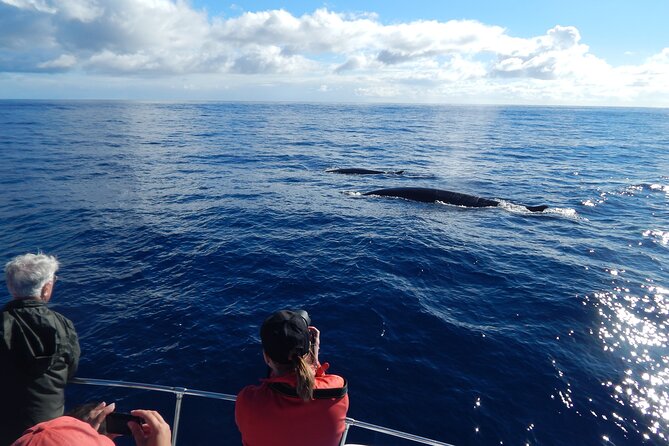
Let’s be clear about the guarantee, because it’s where value lives.
The tour can’t guarantee you’ll see whales, or only dolphins, or both in a single outing. Wild animals choose their own schedule. But the operator does commit to providing sightings of at least one of the species of whales or dolphins present in the Azores waters during the tour.
If, for any reason, you don’t get sightings during the tour, you’re offered a new free tour. And if adverse weather conditions make it impossible to carry out the activity (or if it can’t run due to unavailability), you get a full refund.
From a traveler’s point of view, that’s an important distinction. You’re not buying a promise of whales in every case. You are buying a structured attempt with backup options that reduce the odds you waste your day completely.
And yes, you might still end up whale-free. One example in the experience notes includes a dolphin-filled day where whales didn’t show up. That’s the tradeoff you accept when you’re hunting wild life instead of visiting a zoo exhibit.
Guide style that makes spotting easier: Raquel and the hands-on coaching approach
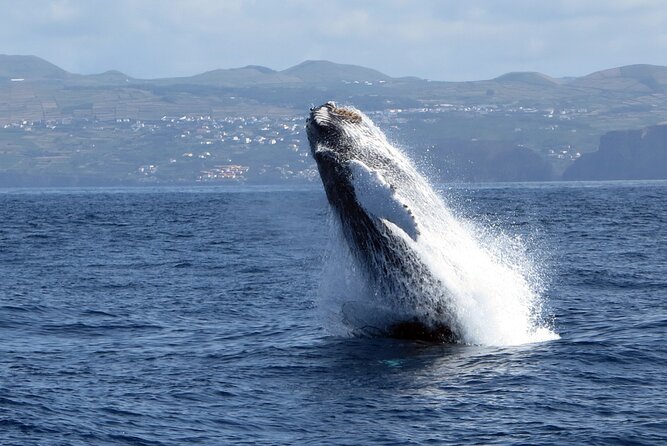
One of the standout details from the experience notes is the quality of the guide. Marine biologist Raquel is specifically named, and the feedback focuses on her ability to make sure everyone could spot dolphins and ask questions.
That kind of guide skill matters more than people think. Spotting cetaceans is not like spotting birds from a feeder. Dolphins can travel, surface quickly, and move on. If you’re left to your own devices, you might miss the moment even when animals are nearby.
Raquel’s approach, as reflected in the feedback, sounds like it was practical and inclusive: she explained what to look for and kept people oriented so the sightings didn’t pass unnoticed. That also fits with the presence of both a spotter and a hydrophone. The team is there to convert your attention into correct attention.
If you’re traveling with kids or first-timers, this coaching element is a huge plus. Children must be accompanied by an adult, but the guide’s role in making spotting easier can turn the whole outing into a shared win instead of a struggle.
Price and value at about $84: what you’re really paying for
At $84.11 per person, this tour is in the category where you want to ask: what’s included that meaningfully increases your chances?
Here’s what you’re getting:
- Tour guide
- Whale and dolphin spotter
- Hidrophone
- Wind jacket
- Public liability insurance
- Sighting guarantee (at least one species, with a free return if nothing happens)
- Mobile ticket
- Offered in English
When you compare that to “just hop on a boat and hope” wildlife trips, the hydrophone plus the trained spotting team are the big value points. You’re also paying for a small-group setting (max 20) and the practical gear that keeps you comfortable enough to stay focused.
Also note the booking pattern: on average, it’s booked about 6 days in advance. That doesn’t mean you must plan a month out, but it does mean you should avoid leaving this to the last day if you’re in peak season.
Who this tour is best for on Terceira (and who should rethink it)
This is a strong fit if you:
- Love wildlife that’s unpredictable, and you’re okay with wildlife deciding the story
- Want a guided experience that actively helps you spot animals (not passive watching)
- Prefer a smaller group size for a more focused search
- Are comfortable meeting at the marina without a hotel shuttle
It’s also a reasonable option if you want a science-leaning approach. The marine biologist guide detail is not just a credential; it’s reflected in how the crew helped people actually find dolphins.
You should think twice if your travel plan makes it hard to reach Marina de Angra do Heroísmo on time. Cruise schedules can be tight, and taxis or public transportation might not cooperate when you need them most. If you can’t reliably get there early, the risk of missing the departure is your real enemy.
Weather and sea conditions: dressing for the boat, not the brochure
The tour operates in all weather conditions and tells you to dress appropriately, which is typical for open-water wildlife outings. But there’s also a clear refund path if conditions make it impossible to carry out the activity.
So what does that mean for you right now? Plan for two realities:
- You’ll likely get wind and spray, so bring layers and use the wind jacket.
- If weather is truly rough, the day might get changed or refunded.
A practical tactic is to keep your schedule flexible if you can. If you’re on a short island stay, try to build in a bit of buffer so a weather decision doesn’t force you to miss the experience entirely.
Cruise passenger warning: the marina is the hard part
This is the one operational detail I’d highlight strongly because it’s where plans often fail.
There are no hotel pickup and drop-off services included, and the marina transfer is on you. One of the experience notes describes a cruise arrival where the ship wouldn’t let them off early enough, then there was no public transportation option to reach the marina, and taxis weren’t available when needed. The excursion left at 8:30, and the group ultimately couldn’t make it, losing their payment because they were treated as a no-show.
That’s not the fault of the wildlife crew. It’s just the nature of cruise logistics.
If you’re coming from a cruise:
- arrange transport in advance
- plan for the marina, not just the town center
- don’t assume taxis will be available immediately
- aim to arrive earlier than you think you need, because walking and waiting can eat your margin fast
Should you book OceanEmotion’s Terceira whale & dolphin tour?
If you want a guided chance at wild whales and dolphins in the Azores, and you value hydrophone scanning plus an actual sighting support system (guide + spotter + wind jacket + guarantee), I think this tour is a solid choice.
I’d book it if:
- you can get to Marina de Angra do Heroísmo on time under your own power
- you’re excited about dolphin sightings and you won’t feel personally betrayed if whales don’t show up
- you want an experience designed to help you see what’s in the area, not just hope you do
I’d skip or reschedule if:
- cruise timing or transport makes marina arrival uncertain
- you need a guaranteed whale sighting specifically (the tour can’t promise that)
Bottom line: this is a real wildlife outing with real tools and a fair guarantee. Just respect the wild part, and make your transport plan rock-solid.