REVIEW · PHILLIP ISLAND
Dolphin & Whale Cruise
Book on Viator →Operated by Wildlife Coast Cruises · Bookable on Viator
A big chunk of your day is spent where wildlife lives. This Phillip Island dolphin and whale cruise pairs open-ocean whale watching with close-up time by seal country, and it adds onboard commentary plus afternoon tea to make the ride feel like more than just waiting for a spout. The one thing you should plan for is choppy, open-water motion, since the cruise runs on the sea and weather can be rough.
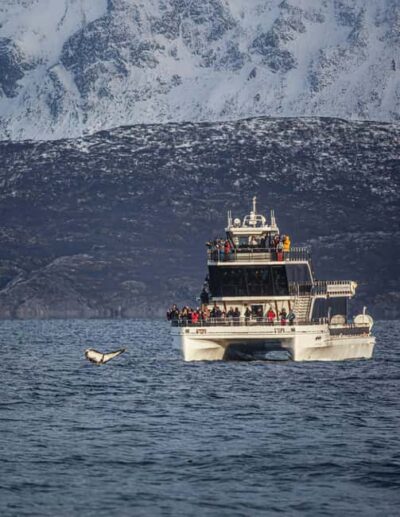
You meet at San Remo Jetty and head out for about three hours on a comfortable, large catamaran. With a maximum of 80 travelers, it feels big enough for comfort but still focused enough for a wildlife-focused outing. If you’re traveling in the winter migration window, this is the kind of trip that turns a cold-weather outing into something you’ll remember.
In This Review
- Key points to know before you go
- Winter whales off Cape Woolamai: why this cruise is worth your time
- San Remo Jetty to open ocean: what the 3-hour outing really feels like
- Cape Woolamai Old Granite Quarry stop: a short history break
- What you’re likely to see: whales, dolphins, seals, and that albatross orbit
- Comfort onboard: catamaran ride, onboard commentary, and afternoon tea
- Price and value at about $96.83: what you’re paying for
- Tips for a smoother cruise when the sea decides to be choppy
- Who should book this Phillip Island dolphin and whale cruise
- Should you book it?
- FAQ
- Where is the cruise departure point?
- What time does the cruise start?
- How long is the cruise?
- Will the cruise return to the meeting point?
- What animals can I expect to look for?
- Is there food or drink onboard?
- Is the cruise inside or outside?
- Do I need to worry about motion sickness?
- How many people are on the cruise?
- What if weather is poor?
- Is mobile ticketing used?
Key points to know before you go
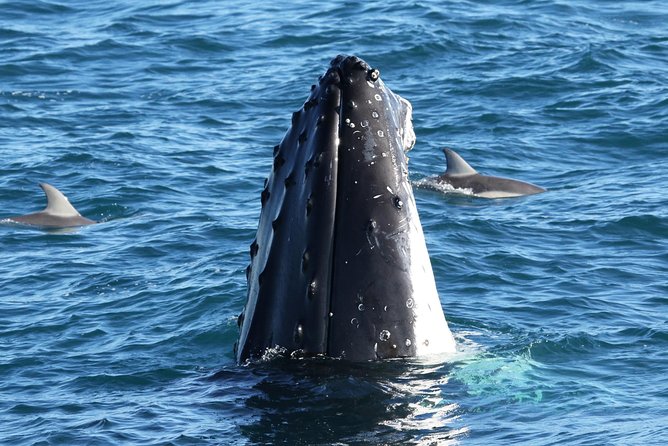
- Winter whale migration timing: Humpbacks and southern right whales pass this way around Cape Woolamai and Phillip Island
- Seal Rock chances: You get time to look for seals close to where the action happens
- Onboard commentary: You’re not just watching; you get explanations while you’re out on the water
- Afternoon tea onboard: Coffee or tea is included during the cruise
- Weather and motion matter: The trip is weather dependent and the vessel motion can affect motion-sickness-prone visitors
Winter whales off Cape Woolamai: why this cruise is worth your time
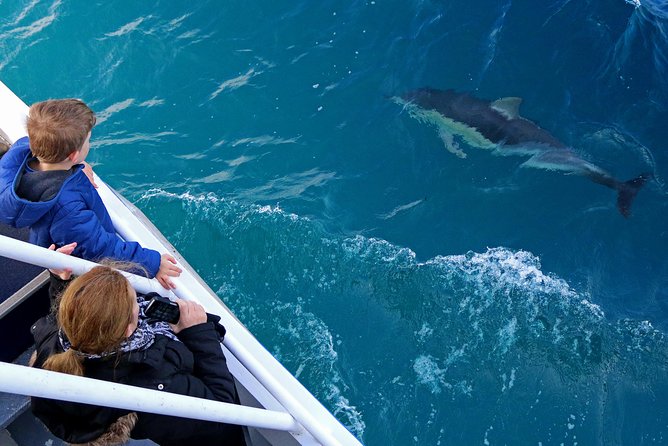
Phillip Island sits on a migration pathway for whales, and in winter the waters around Cape Woolamai and the island can host thousands of humpback and southern right whales. That matters because whale watching is never guaranteed. What you can control is choosing a route where whales are likely to be passing through on a regular basis, and this cruise is built around that seasonal reality.
I also like the focus on more than one animal. You’re not locked into a single hope. The plan includes chances for dolphins, seals, and even seabirds like an albatross circling overhead. It helps the outing feel worthwhile even on days when whale sightings are less active.
One more practical point: the cruise is intentionally ocean-focused, so you’re spending your time where the whales travel rather than sticking to land viewpoints.
You can also read our reviews of more tours and experiences in Phillip Island.
San Remo Jetty to open ocean: what the 3-hour outing really feels like
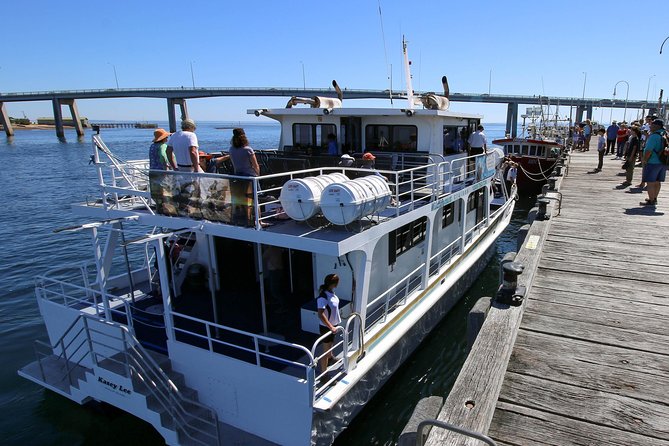
You depart from San Remo Jetty in San Remo (start time: 1:00 pm) and the activity ends back at the meeting point. The duration is about 3 hours, so this is a half-day plan that fits neatly into a longer Phillip Island itinerary.
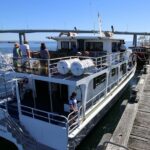
The boat is a large, comfortable catamaran, which usually helps with stability compared to smaller craft. Still, this is open water. The operator notes that vessel motion may cause discomfort for those affected by motion sickness. If you know you’re sensitive, don’t wait until you’re already out there. Plan for motion like you would for any choppy coastal cruise.
The timing helps, too. A 1:00 pm start often means you’ll be on the water during the afternoon weather window. But remember: the operator says cruises are weather dependent. If conditions are poor, the trip may be rescheduled or refunded, depending on what happens that day.
Cape Woolamai Old Granite Quarry stop: a short history break
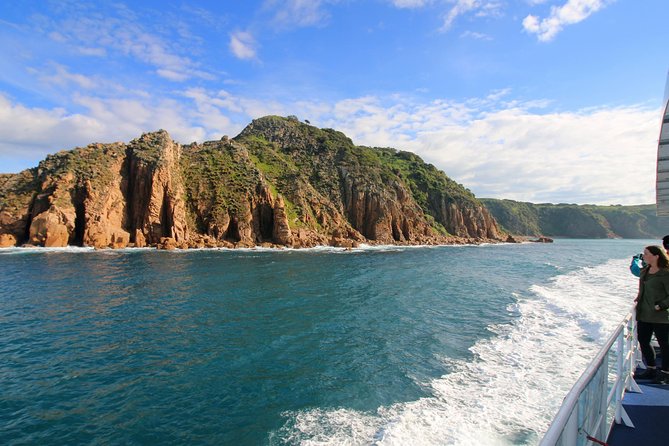
There’s a brief stop that acts like a warm-up to the wildlife part of the day: Cape Woolamai Old Granite Quarry. The stop is only about 10 minutes, but it’s a meaningful kind of break because you’re learning about the Cape Woolamai area and the quarry’s history right before heading further out into open water.
This stop is valuable because it gives context for what you’re looking at from the sea. Even when your main goal is wildlife (and it should be), understanding a bit of the coastline and how it developed makes the whole outing feel more connected. The key is to keep expectations realistic: it’s a quick stop, not a full tour.
If you’re the type who gets restless on long rides, this short break helps reset your attention before the hunt begins.
What you’re likely to see: whales, dolphins, seals, and that albatross orbit
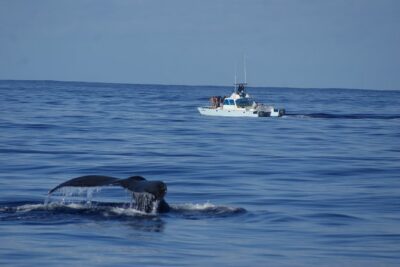
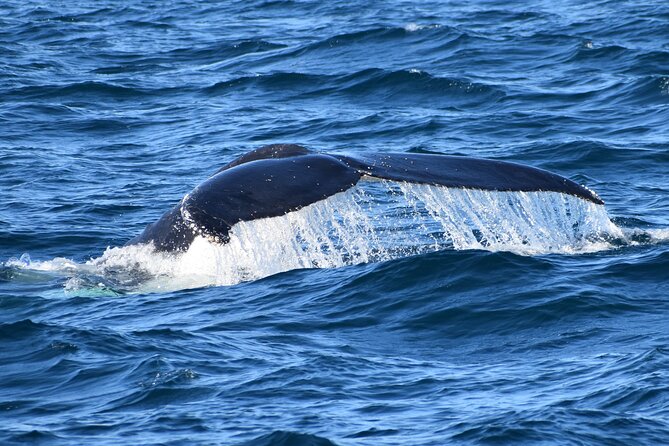
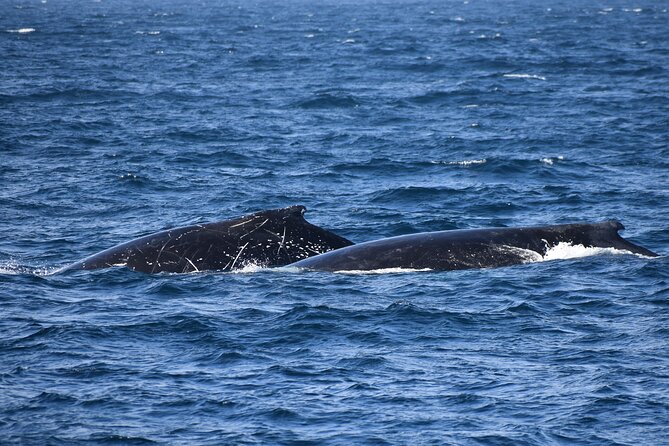
The cruise is set for winter whale watching. Around the Cape Woolamai and Phillip Island area, the waters can host humpback and southern right whales during their annual migration. When whales are active, this is the kind of cruise where you could spot them out on the open water rather than only catching a distant view.
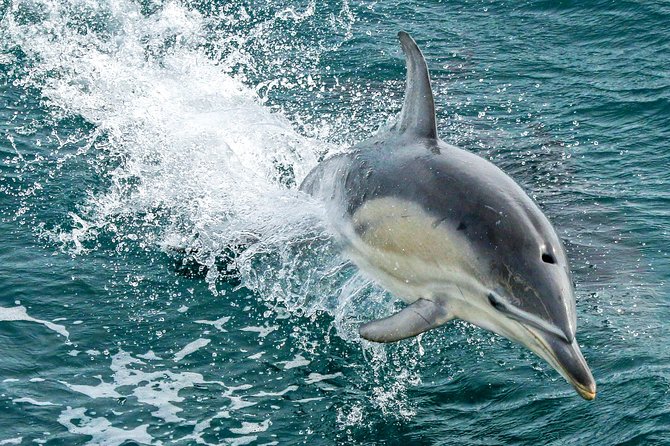
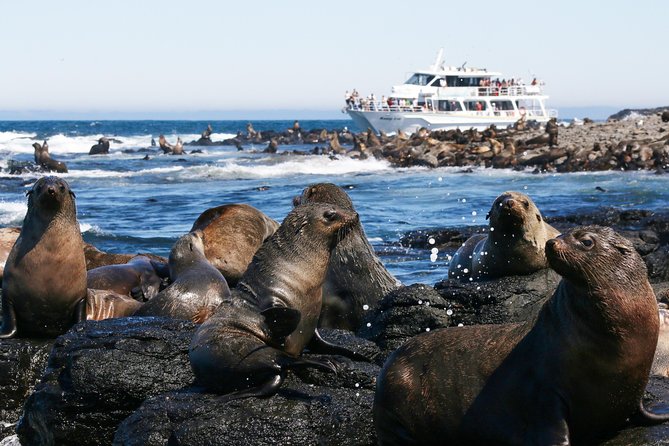
You’re also searching for dolphins and seals along the way. The route includes time to look for dolphins while you head out into open water from the Cape Woolamai area. And you’ll be in the right region to spot seal country near Seal Rock, which is specifically called out as a highlight. If your dream day includes sea mammals rather than only whales, this plan is more balanced than a single-species cruise.
And then there’s the bonus: seabirds. An albatross is mentioned as a possibility, circling above. Even if you only see it once, that bird-in-the-sky moment can make a wildlife cruise feel alive in a way that a purely whale-focused trip sometimes doesn’t.
A quick reality check: whale activity can vary. Even on a well-timed cruise, your experience still depends on what’s happening in the water that day. For a lot of people, though, seeing seals and dolphins still makes the trip feel like a win.
Comfort onboard: catamaran ride, onboard commentary, and afternoon tea
The ship matters. This tour uses a large, comfortable catamaran, and that’s a big part of why the cruise stays enjoyable even when waves show up.
You’re also getting onboard commentary. That’s not a throwaway add-on. It changes how you watch. Instead of standing in silence waiting for a whale to appear, you’re listening to what the guide is watching for and why. On a wildlife trip, that can help you spot behavior you might otherwise miss, like patterns of surfacing or where animals tend to travel.
Then there’s the food part: afternoon tea with coffee or tea is included onboard. It sounds simple, but it’s a real comfort factor on a sea day. It gives you something to do besides just bracing yourself, and it helps the cruise feel like an experience rather than just transportation to wildlife.
Price and value at about $96.83: what you’re paying for
At $96.83 per person for an approximately 3-hour cruise, the value mostly comes from three things:
- Time on the water in a whale migration region (seasonally important)
- A guided layer with onboard commentary while you’re searching
- Included refreshments in the form of afternoon tea and coffee or tea
You’re not paying just for a boat ride. You’re paying for the combination of location, interpretation, and comfort.
Also, the average booking time is about 33 days in advance. That tells me this is the kind of trip people plan ahead for, likely because winter timing matters. If you’re traveling during peak whale months, I’d treat it like a “book early” activity rather than a last-minute gamble.
Finally, group size is capped at a maximum of 80 travelers. That’s large enough to keep the day efficient, but small enough that the experience shouldn’t feel like an endless crowd.
Tips for a smoother cruise when the sea decides to be choppy
One review detail that’s worth taking seriously is the note about choppy conditions. Even when you’re ready for wildlife, you still have to handle the ride itself.
Here’s what I recommend you do to stack the odds in your favor:
- If you’re prone to motion sickness, follow the cruise’s own warning mindset and bring what you use for boats (seat choice, medication if you take it, and anything else that normally helps you).
- Dress for open water wind and sudden temperature shifts. The cruise says to dress appropriately, and it makes sense because afternoons can feel much colder out on the sea than you expect from shore.
- Keep your eyes up and not just fixed on the horizon. Dolphins and seabirds can show themselves quickly, and albatrosses are the type of wildlife you might only notice if you look around.
- Go in expecting wildlife, not guaranteed whales. That shift in mindset helps you enjoy the day even if whale activity is quieter.
If you want a trip that feels like a real wildlife outing, not a guaranteed wildlife show, this is a good match.
Who should book this Phillip Island dolphin and whale cruise
This cruise fits best if you:
- Want winter whale watching in a region where whales are known to pass during migration
- Like multi-animal wildlife outings (whales plus dolphins, seals, and birds)
- Prefer a guided experience with onboard commentary instead of pure self-guided scanning
- Appreciate included comfort touches like afternoon tea and coffee or tea
It may not be ideal if you:
- Know you react strongly to boat motion and haven’t found a solution that works for you
- Want a land-based sightseeing plan only (this one is out on open water)
Because the ride is about three hours and starts at 1:00 pm, it works well as a main afternoon activity without hijacking your whole day.
Should you book it?
I’d book this cruise if your main goal is wildlife at sea in winter, and you’re comfortable handling open-water conditions. The price makes sense when you factor in the whale migration timing, the onboard commentary, and the included afternoon tea, and the overall rating is very high (4.8 out of 5 with 96% recommended).
The decision hinges on one practical question: can you handle the motion if the sea gets choppy? If the answer is yes, you’re set up for a genuinely fun, wildlife-focused afternoon with multiple chances to see something cool. If the answer is no, you’ll spend the day thinking about your stomach instead of the ocean.
If you do book, I’d also plan to be flexible with the day’s weather—since the cruise is weather dependent, having a backup date in mind can lower stress.
FAQ
Where is the cruise departure point?
You start at San Remo Jetty, 170 Marine Parade, San Remo VIC 3925, Australia.
What time does the cruise start?
The listed start time is 1:00 pm.
How long is the cruise?
The duration is approximately 3 hours.
Will the cruise return to the meeting point?
Yes. The activity ends back at the meeting point.
What animals can I expect to look for?
The cruise is designed for winter whale watching, with opportunities to see humpback and southern right whales, plus dolphins, seals, and possibly an albatross.
Is there food or drink onboard?
Yes. Afternoon tea is included, with coffee or tea onboard.
Is the cruise inside or outside?
It operates in open water, so you’ll be out on the sea.
Do I need to worry about motion sickness?
The operator notes that vessel motion may cause discomfort for people affected by motion sickness. If you’re sensitive, plan accordingly.
How many people are on the cruise?
There is a maximum of 80 travelers.
What if weather is poor?
The cruise is weather dependent. If it’s canceled due to poor weather, you’ll be offered a different date or a full refund.
Is mobile ticketing used?
Yes, the tour includes a mobile ticket.