REVIEW · SAN JUAN ISLANDS
Whale Watching Tour from Anacortes
Book on Viator →Operated by Outer Island Excursions · Bookable on Viator
Orcas feel real out on Puget Sound. This Anacortes cruise is built for close-up viewing, using smaller, faster vessels and naturalist guides to track resident orcas and also look for humpbacks and gray whales. The only catch: you’re on open water, so cold and wind can hit hard depending on the month.
I like that you don’t waste time with a ferry. From the meeting point at 2201 Skyline Way, you head into the San Juan Islands and the Canadian Gulf in about a half day, chasing whales plus the smaller wildlife—seals, sea lions, porpoises, and sea otters—under a crew that knows where to look.
In This Review
- Key Things You’ll Notice on This Anacortes Whale-Watching Trip
- Why Anacortes Orca Watching Feels More Like Nature Than a Ride
- The “3–4 Hours” Sweet Spot: What Your Afternoon Actually Looks Like
- Stop 1: Arriving in Anacortes and Getting Ready for Open-Water Viewing
- Stop 2: The San Juan Islands and Canadian Gulf Search for Orca Pods
- What “Naturalist-Guided” Means in Real Terms on a Boat
- The Wildlife Bonus: More Than Orcas and More Than Ocean “Background”
- How the Crew’s Searching Improves Your Odds (Even When Whales Are Moving)
- Price and Value: Why $119 Can Still Feel Fair Here
- Weather Reality Check: How to Stay Comfortable on a Windy Boat
- Who This Tour Fits Best (and Who Might Want Another Plan)
- Private Charters and Add-Ons: When You Want More Control
- Should You Book This Anacortes Whale Watching Tour?
- FAQ
- How much does the Whale Watching Tour from Anacortes cost?
- How long is the tour?
- Where is the meeting point in Anacortes?
- Do I need a ferry to reach the whale-watching area?
- What whales can you see, and is sightings guaranteed?
- What other wildlife might I see besides whales?
- How large is the group on board?
- Are kids allowed, and can I bring a service animal?
- What happens if the tour is canceled for weather or if I cancel?
Key Things You’ll Notice on This Anacortes Whale-Watching Trip
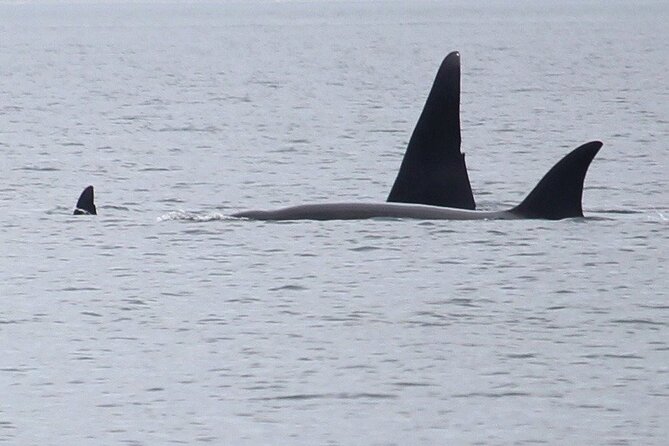
- Fast Blackfish fleet boats for better odds of staying with active pods
- Orca focus from Anacortes, the home port for San Juan Island whale watching
- Sightings are guaranteed April through early September, with whales showing up on 98% of trips
- Naturalist-led searching, including time to watch behavior, not just a quick pass
- Wildlife beyond whales like seals, sea lions, porpoises, sea otters, and many seabirds
- Small-group feel with a maximum of 49 travelers
Why Anacortes Orca Watching Feels More Like Nature Than a Ride
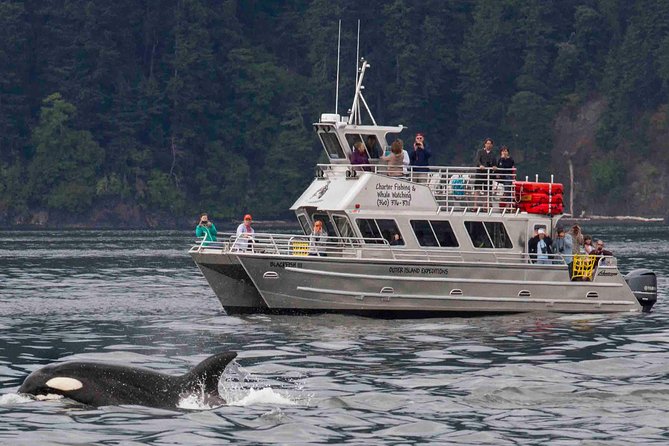
Anacortes is a great starting point because it’s close to the action. You’re about 90 minutes north of Seattle, and roughly 1.5 hours from Seattle by car, with no ferry needed to get into whale country.
What I like most is the approach: get you out fast, keep moving smartly, and then let the naturalist guides do the reading-the-water part. If you’ve ever seen whale spotting done with big time gaps and long waits, this cruise format usually feels better for actually watching whales behave.
Also, it’s priced at $119 per person (plus 8.5% Washington sales tax and applicable fees). That’s not cheap, but the value comes from the high-output boat time and the guide-led search for multiple whale species in a short window.
You can also read our reviews of more tours and experiences in San Juan Islands.
The “3–4 Hours” Sweet Spot: What Your Afternoon Actually Looks Like
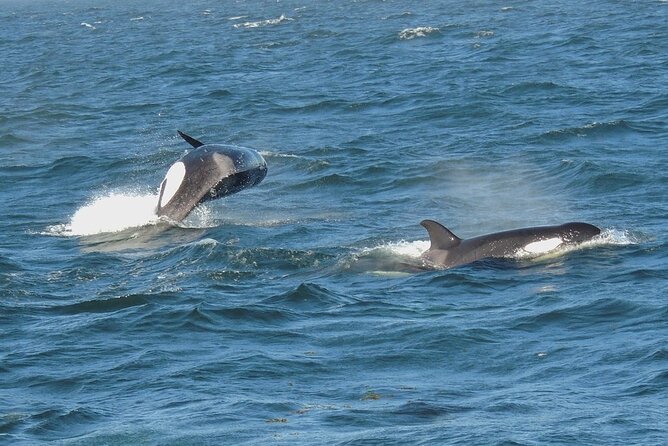
This tour runs about 3 hours, with a 3–4 hour experience window in practice. That matters because you’ll spend most of your time on the water looking, not stalled at ports.
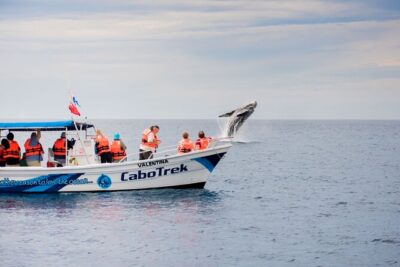
You’ll start at 2201 Skyline Way in Anacortes, then head out to the San Juan Islands and Canadian Gulf islands to search for orcas, humpback whales, and gray whales. Along the way, you’re also scanning for other sea life like seals and sea lions, plus birds and marine mammals that often show up while you’re waiting for whales.
One more practical win: you’ll get a mobile ticket, so you’re not hunting for paper while you’re trying to get parked and layered up. And with a max group size of 49, it tends to feel less like a zoo line and more like a real boat day.
Stop 1: Arriving in Anacortes and Getting Ready for Open-Water Viewing
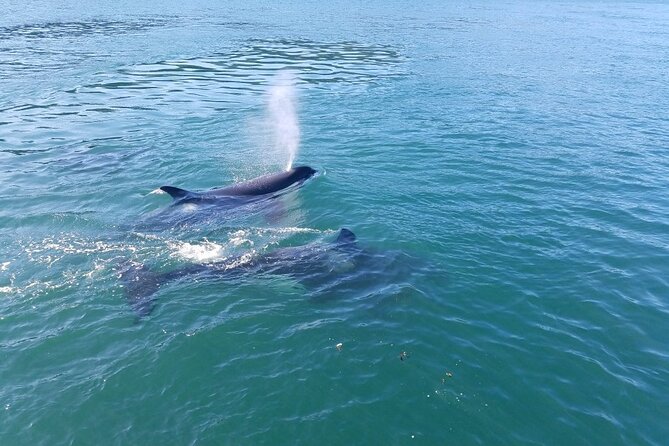
Your first stop is Anacortes itself. This is where you meet the crew and get oriented before you point the bow toward San Juan Island waters.
The meeting point is 2201 Skyline Way, and the cruise starts from there and returns back to the same spot. That’s convenient if you’re doing this as an afternoon outing rather than a whole-day commitment.
Cold and wind are the main things to plan for before you even board. Reviews from later in the year call out layering up—one note specifically warned that October can be chilly for older folks, even with multiple layers, and rain gear helps on deck.
Practical tip: bring a windproof outer layer and something warm for your hands. Even if the sky looks fine at the dock, the boat moves, the water is chilly, and you’ll feel it once you’re out searching.
Stop 2: The San Juan Islands and Canadian Gulf Search for Orca Pods
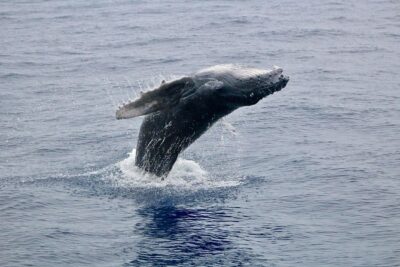
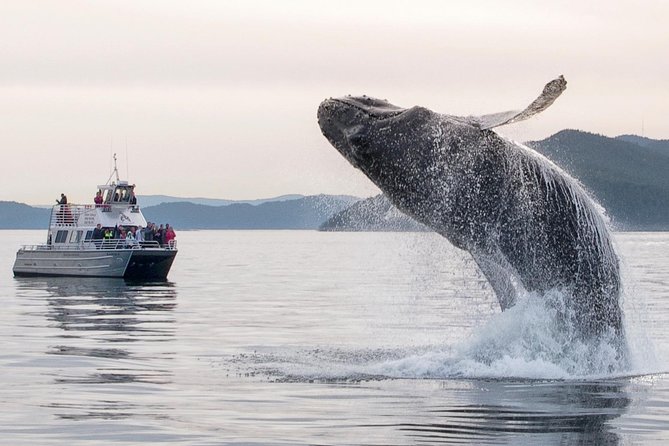
Once you leave Anacortes, you’re out for the real goal: orcas. The cruise is designed for resident orca viewing, and you’re also in the right neighborhood for humpbacks, gray whales, and even minkes (minkes are mentioned as part of the search).
The key detail here is the cruising style. You’re on smaller, faster vessels, which helps the crew reposition when a pod changes direction or when conditions make whales more likely to surface in a new area. In whale watching, “staying with the action” often matters more than “going far out and waiting.”
And odds are on your side during prime season. Sightings are guaranteed from April through early September, and the operator states you’ll see whales on 98% of trips. Even then, whales are wild animals—behavior and surfacing timing are never fully predictable, which is why good crew searching style matters.
What “Naturalist-Guided” Means in Real Terms on a Boat
A great whale guide does two jobs: they spot, and they explain. This cruise is led by naturalist guides who focus on whales and the local marine ecosystem so you understand what you’re seeing while you’re seeing it.
In the names people reported on their trips, you’ll hear guides like Drew, Tiffany, Hannah, Isabelle, Sean, Thomas, Andy, Brooke, and Capt Matt. While you can’t count on a specific crew member every time, the pattern shows what the company is selling: people who can identify wildlife, talk about what behavior means, and keep the group informed.
You’ll also get practical viewing guidance. One common theme from the experiences shared is that the crew makes viewing easier by moving around the vessel and sharing where to look, plus giving enough time to watch what the whales are doing (feeding, traveling, and social behavior), not just clocking a brief sighting and moving on.
The Wildlife Bonus: More Than Orcas and More Than Ocean “Background”
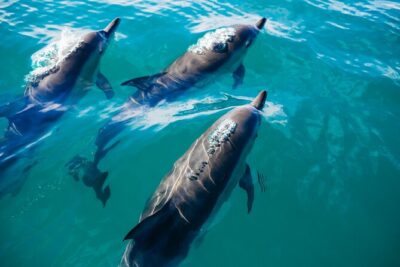
Whale watching in the San Juans is never only about the whales, and this cruise leans into that. You’re likely to see seals and sea lions, and you may spot porpoises and sea otters while the crew scans the water and coastlines.
Birds are also part of the package. Seabirds often cue you into where fish activity is happening, and that’s helpful for wildlife spotting even when whales are temporarily out of view.
One of the best parts of this kind of trip is how often you get a “second story” while waiting—like a sea otter popping up near where you’re scanning for whales, or a bald eagle riding the air above the water. You end up paying attention to the whole ecosystem, not only the biggest animal you can name.
How the Crew’s Searching Improves Your Odds (Even When Whales Are Moving)
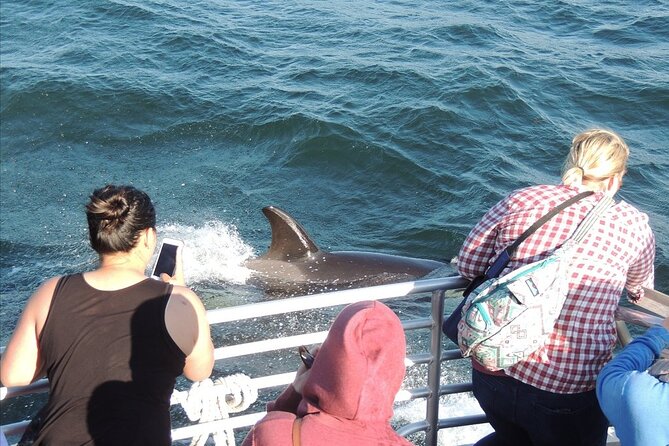
Orcas and other whales don’t hang around like tourist attractions. They travel, feed, and change surface patterns. So the difference between a good and great tour is how quickly the crew reacts to what they spot.
This operator runs “smaller, faster vessels,” and they’re specifically described as going out into the San Juans and Canadian Gulf islands to search. That combination matters: the faster the boat, the more opportunities you have to reposition when a pod shows surface activity.
You’ll also see multiple species in the same outing. The cruise aims at orcas plus humpback and gray whales, and it’s even mentioned that whales sightings are guaranteed in the Apr–early Sep window. In plain terms, you’re not paying just to maybe see one species—you’re buying a coordinated search.
Price and Value: Why $119 Can Still Feel Fair Here
$119 for a 3-hour whale watching cruise from Anacortes isn’t bargain-basement. It’s also not outrageous for the Pacific Northwest when you factor in fuel, crew, boat operations, and the fact that you’re paying for a guided search over open water.
The value comes from several points:
- Time on water rather than sitting around in a long day
- Fast vessel style that supports staying with pods
- Naturalist guidance that turns sightings into something you can actually understand
- Sighting guarantee during April through early September
The tax piece matters too. You’ll pay the $119 base price plus 8.5% Washington state sales tax and applicable fees, so your total at checkout may be higher than what you see on the listing headline.
If you’re deciding between this and a slower or more distant option, I’d lean toward the tour format that gets you out close to the action with guides actively searching. That tends to be the difference between a memorable afternoon and a “we went out and hoped” afternoon.
Weather Reality Check: How to Stay Comfortable on a Windy Boat
Open water in the San Juan Islands can feel colder than you expect, even in shoulder season. October notes include people recommending multiple layers and rain protection, and other comments call out the need for windproof gear and sunglasses.
Here’s what you should plan for based on that: dress in layers, bring a warm mid-layer, and use a jacket that blocks wind. If you get even slightly cold, you’ll feel it on deck because the boat moves and you’re exposed.
Also, don’t forget basics like water and a snack if you know you get hungry. (Some trips mention the availability of snacks and drinks, but you shouldn’t count on everything being stocked how you want.) The safest play is to bring your own small comfort items—especially if you’re the type who gets cranky when you’re cold.
Who This Tour Fits Best (and Who Might Want Another Plan)
This whale-watching cruise fits you if you:
- Want resident orca viewing from a practical home port
- Prefer a shorter outing (about 3–4 hours)
- Like wildlife education and not just spotting
- Want a good chance at multiple whale species in the same trip
It may not be the best fit if you hate cold wind or you’re extremely sensitive to motion. You can’t control the ocean, and the tour does require time outdoors on deck while you search and watch.
It’s also a solid option for families since children must be accompanied by an adult, and most travelers can participate. Service animals are allowed too, which can be important when you’re trying to plan around real needs.
Private Charters and Add-Ons: When You Want More Control
If you’re traveling with a group that wants a more custom day, the operator can set up private charters. The available add-ons mentioned include fishing, kayaking, island hopping, and more.
That’s a nice option if you’re visiting for multiple days and want to mix wildlife viewing with other water activities. For most people, the standard cruise is plenty—about 3 hours on the water with guided spotting—but private can be the move if your priority order is different.
Should You Book This Anacortes Whale Watching Tour?
Yes, you should book it if your trip timing falls between April and early September and you want strong odds backed by a sighting guarantee. The 98% whale spotting claim also gives you confidence, and the fast, smaller-boat setup supports staying with moving pods.
I’d especially recommend it if you’re basing your trip out of Seattle or nearby and you don’t want to fight a ferry schedule. Starting in Anacortes with no ferry needed keeps the day simple, and it leaves you more of your afternoon for actually watching wildlife.
Do it with one expectation set: whales are wild, so you’ll get the best experience by dressing for the elements and focusing on the whole ecosystem, not only a single magical moment. If you’re ready for wind, cold, and a guide-led search process, this is one of the most practical ways to chase orcas in the San Juan Islands.
FAQ
How much does the Whale Watching Tour from Anacortes cost?
It’s $119.00 per person. Washington State sales tax (8.5%) and applicable fees are added.
How long is the tour?
Plan on about 3 hours (approximately 3–4 hours).
Where is the meeting point in Anacortes?
The tour starts at 2201 Skyline Way, Anacortes, WA 98221, USA, and it ends back at the same meeting point.
Do I need a ferry to reach the whale-watching area?
No. The tour specifically notes that no ferry is needed.
What whales can you see, and is sightings guaranteed?
The tour focuses on resident orcas, and it also searches for humpback and gray whales. Sightings are guaranteed from April through early September.
What other wildlife might I see besides whales?
You may also see seals, porpoises, sea lions, sea otters, and a wide variety of birds.
How large is the group on board?
The maximum group size is 49 travelers.
Are kids allowed, and can I bring a service animal?
Children must be accompanied by an adult. Service animals are allowed.
What happens if the tour is canceled for weather or if I cancel?
This experience is non-refundable and can’t be changed for any reason. If it’s canceled due to poor weather, you’ll be offered a different date or a full refund. If the minimum number of travelers isn’t met, you’ll be offered a different date/experience or a full refund.