REVIEW · LA PAZ
Snorkel Tour with Whale Shark in La Paz
Book on Viator →Operated by Alonso Tours · Bookable on Viator
Whale sharks swim right up close in La Paz. I love the rotation system that gives you several chances in the water, and I love having David (a marine biologist) guiding your approach and answering questions. One possible drawback: you’ll need moderate fitness and real snorkel-swimming skills, because staying with a whale shark isn’t always slow and easy.
You start at the Muelle Fiscal meeting point around 9:30am, and the day runs tightly paced so you spend your time with the animals, not hanging around. The tour is also capped at a small max group size (20), which matters when you’re sharing limited water time with these incredible creatures.
In This Review
- Key things to know before you go
- Meeting at Muelle Fiscal: why the 9:30 start feels organized
- Searching La Paz Bay: passing mogote dunes without stopping
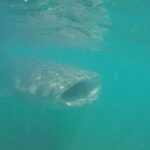
- The whale shark swim: what “rotation” really means in the water
- Crew expertise and marine respect: David and the calm, controlled vibe
- Gear and comfort: towels, wetsuits, fins, and murkier-than-expected water
- Price value at $131.43: what’s covered, what’s extra, and why the total can matter
- Who should book this whale shark snorkeling tour (and who might not)
- Should you book this whale shark tour?
Key things to know before you go
- Multiple water rotations: You’re split into small groups and cycle in more than once.
- Crew-first safety: Clear in-and-out guidance helps you feel comfortable in the water.
- Search time is real: If sharks aren’t close, the boat keeps moving until they are.
- Respect for the animals: The crew aims to minimize disturbance while you get close.
- Bring the right comfort items: A towel is not included, and wetsuits can make a big difference.
Meeting at Muelle Fiscal: why the 9:30 start feels organized
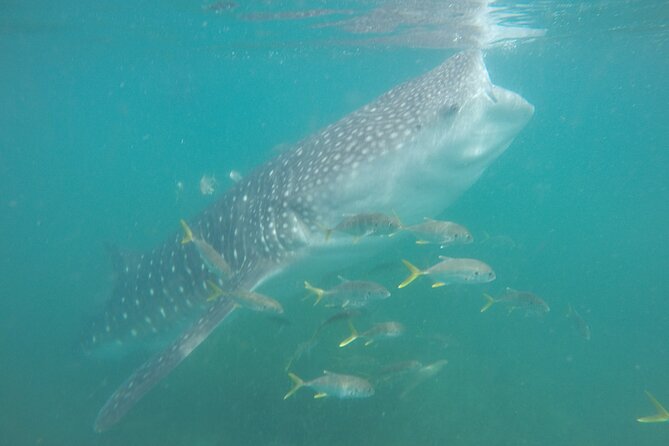
The tour starts at 9:30am at Muelle Fiscal, Paseo Álvaro Obregón 220 on the Malecón. It’s right where you want to be for a water day: easy to find, and close to public transportation, so you’re not stuck arranging complicated logistics.
What I like about this setup is that the schedule tends to move fast. You generally meet briefly, then you’re out on the water soon after, so the morning doesn’t feel wasted. One practical note: transportation from your hotel is not included, so you’ll need to plan your own ride or get yourself to the dock area.
This is also an English-offered tour, and you’ll receive confirmation at booking. The tour uses a mobile ticket, which is handy when you’re already juggling cameras, sunscreen, and saltwater planning.
The “small group” part is the underrated benefit here. With a maximum of 20 travelers, you usually won’t feel like a floating crowd. Instead, you get more hands-on attention from the crew when you’re gearing up, briefing, and getting in and out of the water.
You can also read our reviews of more tours and experiences in La Paz.
Searching La Paz Bay: passing mogote dunes without stopping
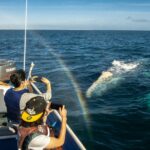
Once everyone is aboard, the crew starts looking. The boat path often includes passing in front of the dunes along the mogote coastline, but you don’t stop there for long. The message is simple: time is limited, and the crew prioritizes the whale sharks over scenery stops.
That detail matters because whale sharks aren’t a fixed “show up at the dock, they’re waiting” situation. You’re going where the animals are. If they’re closer, you spend more time with them. If they’re farther, you spend more time searching.
In practical terms, this means the “experience” is less about a rigid itinerary and more about a living, breathing hunt guided by local knowledge. When the sharks are moving slowly (often when they’re feeding), it’s easier to keep position and enjoy a real swim beside them. When they’re cruising at speed, you have to adapt—sometimes that means shorter moments at close range and more reliance on the crew’s guidance.
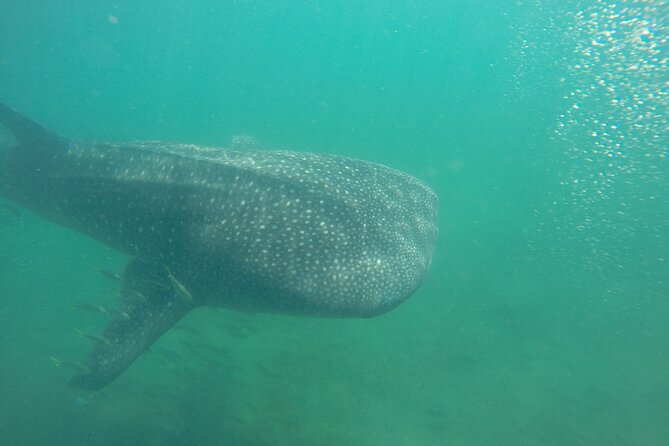
Also keep in mind that the water can vary. In some conditions, visibility can be murky, which makes it harder to frame clean photos, even if you’re still close. If you’re serious about underwater photos, bring a camera you’re comfortable using in less-than-ideal visibility.
The whale shark swim: what “rotation” really means in the water
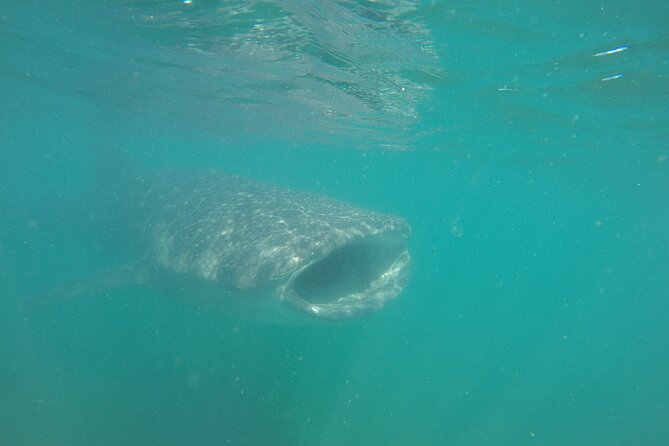
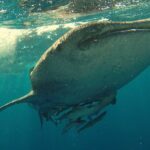
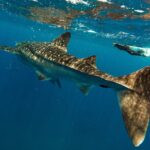
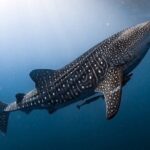
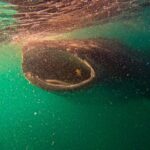
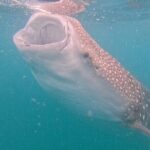
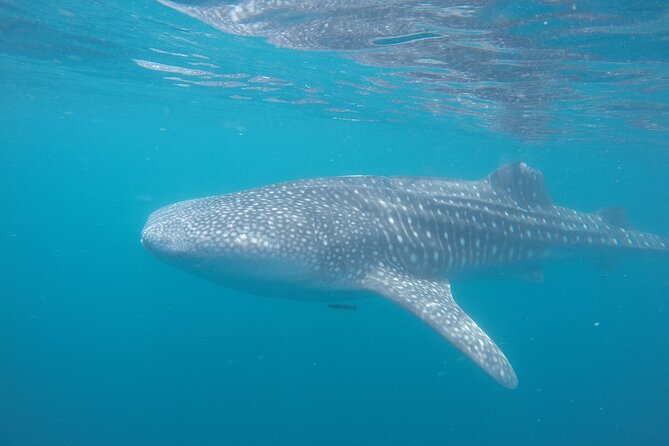
This is the part you care about: getting in the water safely near a whale shark. The tour runs with groups rotating in and out, which is how they give more people real time without keeping the animals under constant pressure.
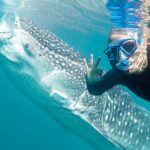
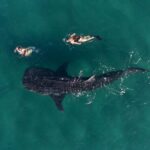
You may be split into several small groups, and then each group gets multiple water chances—often around three turns—while the guides manage where everyone is positioned. The crew’s role is active: a guide typically stays with you, helps you find the right approach, and keeps you aligned with the projected path of the shark so you’re not just guessing in open water.
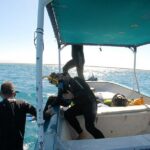
Safety is built into the process. Guides help you get in and out smoothly, and they keep an eye on who can handle the pace. One helpful point from real experience: even if you aren’t thrilled about swimming out farther, you can still enjoy a lot from the boat because the sharks may stay near the surface.
The tough-love consideration: staying with a whale shark isn’t always “relax and float.” Some conditions or shark behavior can demand speed and endurance. If you’re not an easy, confident snorkeler, you might find it hard to keep up. That doesn’t mean you’ll miss the experience entirely—it just means you should choose your swimming comfort level honestly.
Murky water can also change the feel of the swim. Even when you can’t see every detail clearly, the best part is still the presence: the size, the slow gentleness, and the close feeling that comes from real proximity rather than distant viewing.
Crew expertise and marine respect: David and the calm, controlled vibe
The best whale-shark days aren’t loud or chaotic. They’re controlled, respectful, and clear. Here, the crew tends to run that way, and it shows in how the swim is managed.
A standout name you’ll hear is David, described as a marine biologist in the group. You’ll feel the difference when someone can explain what you’re seeing—why the approach matters, how to behave around the animal, and what to expect from the conditions. Guides like David also tend to answer questions without turning the day into a lecture, which keeps the experience both fun and educational.
Other crew members also come up often, including names like Diego, Gustavo, Angel, Raulio, Güero, Jenny, and Edgar. Even with different guides in different language combinations, the common thread is the same: they’re focused on keeping everyone safe while also not stressing the sharks.
The respect part is practical, not just a slogan. You’re not chasing the animal. You’re positioning with the animal, and the crew tries to avoid patterns that would pressure the shark to change behavior. That matters because whale sharks are not for performance or crowds—they’re living wildlife.
If you care about marine education, you’ll likely come away with more than just photos. The crew talks about local marine life and how the system works, so you understand what you’re seeing instead of only experiencing it.
Gear and comfort: towels, wetsuits, fins, and murkier-than-expected water
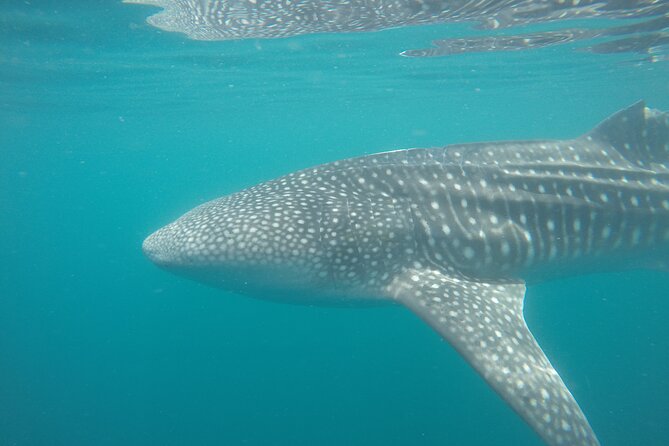
Let’s talk gear like a friend would: this tour can be chilly, tiring, and a little technical depending on your swimming style and conditions.
Snorkeling equipment is listed as included in the tour. At the same time, there’s also a note that snorkeling equipment may be available for an added fee. Since both statements exist in the provided details, your safest move is to confirm what you’ll receive at the dock (mask, snorkel, fins, and any fitted items).
A towel is not included, so bring one. It’s an easy way to avoid post-water chaos, especially because you’ll be wet and coming back to the dock.
Wetsuits are also not automatically included. You can rent a wetsuit on site, and real-world experience suggests renting can help. One person found wetsuits made swimming easier and helped avoid having to wear a life jacket, which you might otherwise be fitted with. Another detail mentioned wetsuit rental pricing in two different ways, so don’t guess—check the current dock price when you arrive.
Fins matter. If you try to rely on weak or mismatched fins, you may struggle to keep up when the whale shark cruises. Several accounts point out that having the right fins (and being comfortable using them) is the difference between “I’m with the shark” and “I’m playing catch-up.”
Then there’s the “water can be murky” factor. If visibility isn’t great, focus on positioning and calm breathing. A good underwater camera helps, but only if you can stay steady enough to use it.

Price value at $131.43: what’s covered, what’s extra, and why the total can matter
The listed price is $131.43 per person for about 2 to 4 hours. That window is important: short enough to keep energy high, long enough for multiple water rotations when the sharks cooperate.
What you’re paying for is not just a boat ride. The price includes all fees and taxes, use of snorkeling equipment (with the note above—double-check what’s provided), and snacks. The tour also avoids bottled water, using glasses and purified water in a container, which is a nice small eco-touch and helps you stay hydrated without extra plastic.
Value-wise, the real win is the structure:
- a small-group limit (max 20),
- active guidance in the water,
- and multiple chances to be beside the shark rather than one quick pass.
What can add to the cost:
- transportation from your hotel (not included),
- a towel (not included),
- and possible rentals like wetsuits or other gear depending on what’s needed for your comfort.
Also pay attention to the “how fast you swim” reality. If you need a wetsuit or the right fins to stay comfortably in control, that supports your safety and enjoyment. It’s not just comfort—it’s performance in open water.
If you’re coming from out of town, plan extra time to get to the dock early. The tour starts at 9:30am, and you don’t want a late arrival eating into briefing time.
Who should book this whale shark snorkeling tour (and who might not)
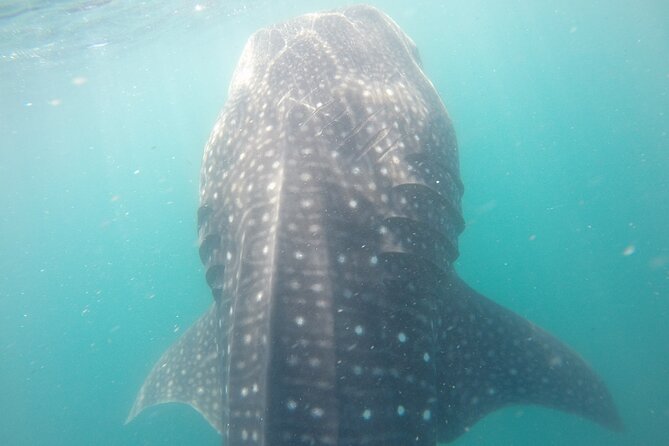
This tour fits best if you can handle a moving water environment and feel comfortable in snorkel gear. The tour info asks for moderate physical fitness, and the lived experience emphasizes being a fairly strong swimmer—because keeping pace can matter.
It’s also great for people who value good instruction. Guides like David and the rest of the crew focus on safety and on how to approach the sharks. If you like understanding what you’re seeing, you’ll probably appreciate the marine-life explanations and the way the crew answers questions.
Families can do it too, but with a key caveat: kids and non-swimmers may experience it differently. Some participants choose not to go in as far, and the crew still supports them. Still, the water time you get depends on your comfort and ability to stay with the group and the shark’s movement.
If you’re easily discouraged by physical effort or you’re new to snorkeling, consider renting the wetsuit and using the correct fins as a way to level the playing field. Also be mentally ready for the sharks not always to be slow and feeding. When they speed up, the swim becomes more about stamina than about floating.
One more practical caution: boat headcounts have limits. There’s at least one serious report of a communication issue affecting who could board. To protect yourself, confirm your exact party size before you arrive, and don’t assume an extra person will automatically be accepted.
Should you book this whale shark tour?
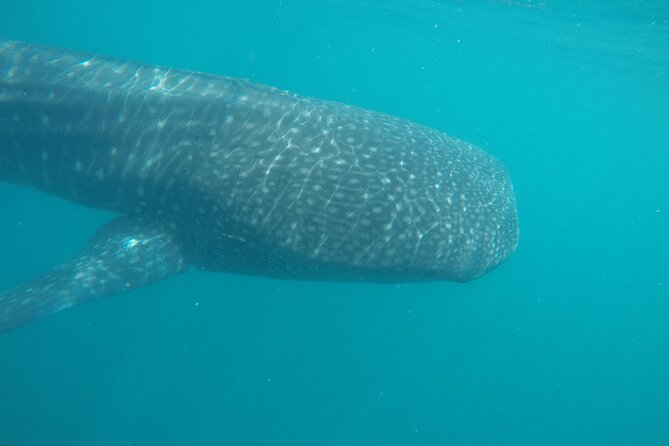
If you want close, real wildlife time with a crew that manages the swim in a controlled way, I’d say yes—this is the kind of tour that can genuinely feel like a once-in-a-lifetime day.
Book it if:
- you’re comfortable swimming with fins,
- you like clear guidance and safety-first operations,
- and you want multiple chances to be near a whale shark, not just a quick sighting.
Consider another option if:
- you’re not confident in open-water snorkeling,
- you dislike effort and pace,
- or you’re looking for a fully relaxed, no-endurance experience.
If you do book, come ready: bring a towel, plan for wetsuit/rental needs, and set expectations that the crew will prioritize the animals—so you’ll work with the day’s actual whale shark behavior.