REVIEW · TENERIFE
Whale Watching and Marine Science Tour
Book on Viator →Operated by BIOSEAN Whale Watching and Marine Science · Bookable on Viator
A calm boat ride turns into a science lesson fast. This Tenerife trip pairs whale and dolphin watching with hands-on marine tools, led by a marine biologist guide. I like that the group stays small—just 10 people—so you get real back-and-forth, not a one-way lecture.
I also like the hydrophone and sound recorder part, because it turns guessing into listening. You’re not only hoping for sightings; you’re learning how the ocean communicates and what to notice out on the water.
One thing to keep in mind: this is weather-dependent, and there’s no restroom on board. So if you’re the type who hates surprises (or long waits on choppy days), plan accordingly and pack smart.
In This Review
- Key reasons this whale and marine science tour works so well
- Whale Watching with a marine biologist guide: what this trip is really about
- Price and value for a 2.5-hour Tenerife tour
- Getting to Biosean at Marina del Sur (Las Galletas)
- Pass Rasca lighthouse and Malpaís de Rasca volcanic formations
- El Teide view chance: when the sky cooperates
- Hands-on marine science: hydrophone and sound recorder time
- What you might see: whales, dolphins, and other sea life
- A capped group of 10: better questions, better attention
- Timing, comfort, and what to pack for an ocean science trip
- Who this tour is best for (and who should reconsider)
- Should you book this whale and marine science tour in Tenerife?
- FAQ
- How long is the whale watching and marine science tour in Tenerife?
- What is the price per person?
- What language is the tour offered in?
- How many people are on the tour?
- What’s included in the tour price?
- Is there a restroom on board?
- Are snacks included?
- Where do I meet for the tour?
- What happens if the weather is poor?
Key reasons this whale and marine science tour works so well
- Small-group cap of 10 for better guide interaction and a calmer boat vibe
- Marine biologist-led watching with clear explanations tied to what you see
- Hands-on hydrophone and sound recorder time so you’re not just looking, you’re listening
- Volcanic scenery passes near Rasca lighthouse and Malpaís de Rasca protected area
- El Teide view chance when skies cooperate
- Strong track record with a 4.9 rating and 97% recommendation rate
Whale Watching with a marine biologist guide: what this trip is really about
This isn’t only a wildlife sightseeing cruise. It’s built around understanding marine life in real time, with a guide who can connect animal behavior to the bigger ocean picture. The boat ride feels like two activities stacked together: watching for whales and dolphins, plus doing small “science station” moments while you’re out there.
The small group cap is a big deal. With only 10 people, you can ask questions without shouting over each other, and the guide can slow down for explanations. That matters when you’re trying to learn things like how to read movement patterns, how pods travel, and what to listen for when the ocean gets quiet.
And the science tools aren’t just for show. The hydrophone and sound recorder turn the trip into a more active experience, especially if you’ve got kids who learn better by doing than by watching. You come back with more than photos—you come back with new sensory understanding.
You can also read our reviews of more tours and experiences in Tenerife.
Price and value for a 2.5-hour Tenerife tour
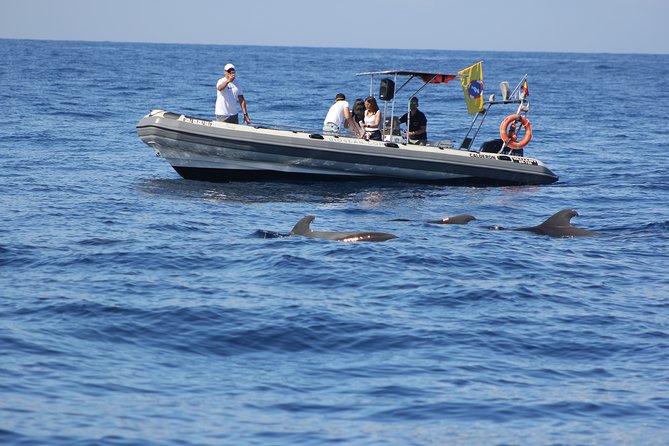
At $90.70 per person, you’re paying for a specialist-led outing (marine biologist guide) plus marine learning tools, not just a standard cruise ticket. For a lot of people, the deciding factor is that the group stays tight and the guide interaction is part of the “product,” not an afterthought.
The ride is about 2 hours 30 minutes (approx.), which is long enough to have chances for sightings and hands-on science moments, but not so long that it becomes a slog in salt air and sun. Bottled water is included, and all fees and taxes are covered, which keeps the budgeting simple.
Two practical notes on value. First: there’s no restroom on board, so you’ll want to plan for that before you arrive. Second: snacks aren’t included, so if you’re sensitive to hunger (or traveling with kids), bring a few simple items to keep energy steady during the trip.
Getting to Biosean at Marina del Sur (Las Galletas)
Your starting point is Biosean Whale Watching and Marine Science at Marina del Sur, Pantalán 4, Las Galletas (Santa Cruz de Tenerife). The location is listed as near public transportation, so you can usually skip complicated logistics if you’re using local buses or taxis.
You’ll likely use a mobile ticket, which is handy when you don’t want to hunt for paper confirmation. Also, you receive confirmation at the time of booking, which reduces last-minute stress.
The good news here: the tour ends back at the same meeting point. That keeps your plan clean—no mystery return routes, no “find us later” scramble.
Pass Rasca lighthouse and Malpaís de Rasca volcanic formations
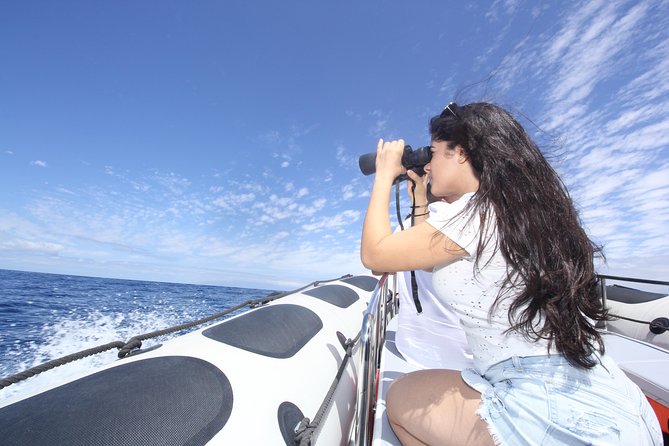
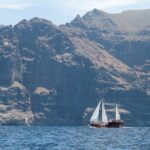
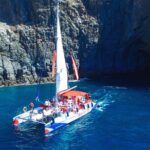
Early on, the route takes you past the southernmost point of Tenerife, including the Rasca lighthouse and volcanic formations in the protected area Malpaís de Rasca. From the boat, volcanic rock can look even stranger than on land—dark textures, jagged edges, and a rugged coastline that helps explain why the waters here feel so alive.
What I like about this stop concept is that it sets context. You’re not just staring at open water; you’re seeing the coastline that shaped the marine environment. The protected area angle also matters: it’s a reminder that this isn’t a random stretch of coast. It’s a managed habitat.
Could you miss some of the “wow” if visibility is low? Sure. If fog or haze blocks views, the science part still carries the experience. But for the scenery lovers, clearer conditions make this portion more satisfying.
El Teide view chance: when the sky cooperates
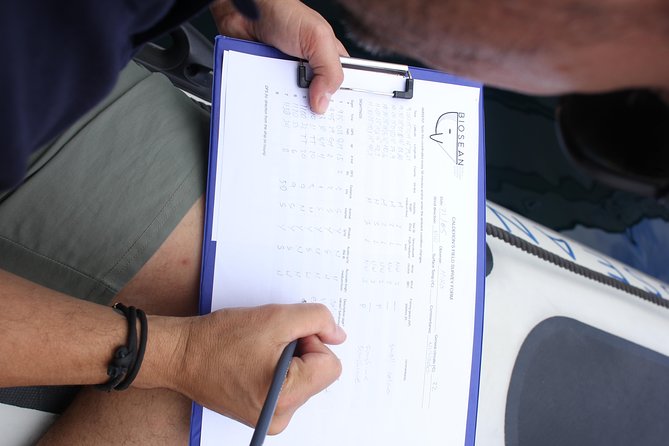
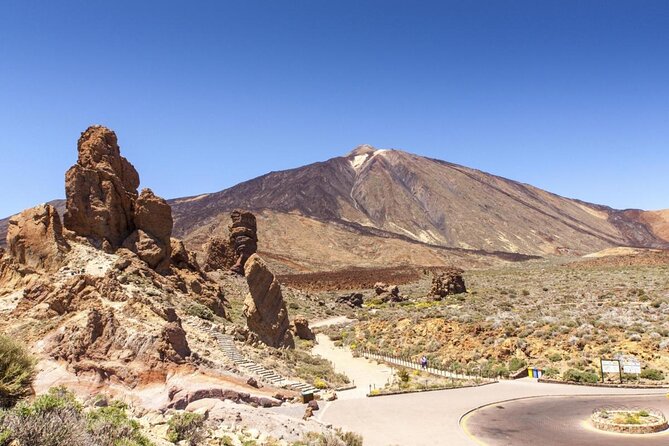
On the water, you may get magnificent views of El Teide Volcano when the skies are clear. This is a classic Tenerife payoff: even if you’re there for whales and dolphins, the island scenery keeps your attention when the animals aren’t right near the surface.
This is worth treating as a bonus, not a guarantee. The trip depends on weather and sea conditions, and the volcano view is explicitly tied to visibility. If it’s a clear morning, it can feel like a double experience—geology on one side, marine life on the other.
If you’re scheduling the rest of your day, it helps to think this way: plan flexible time around the cruise. When conditions are good, the experience tends to feel smoother and more rewarding.
Hands-on marine science: hydrophone and sound recorder time
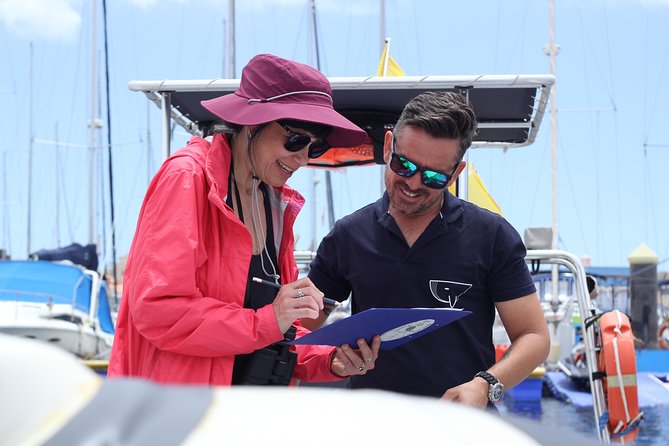
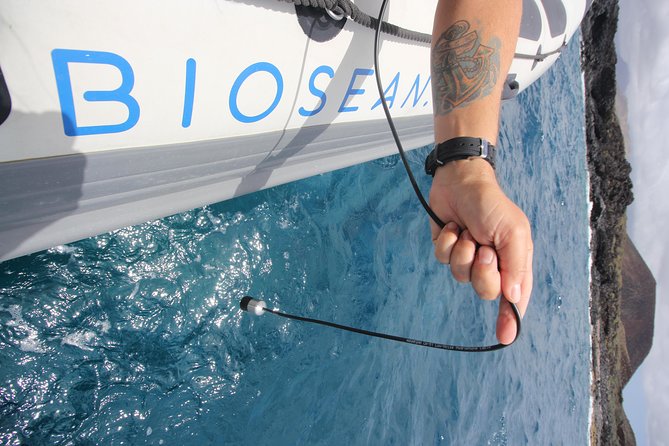
This is where the tour earns its “marine science” label. You’ll have the chance to use science tools such as a hydrophone and a sound recorder, guided by the marine biologist. Instead of only scanning for blows and fins, you get to listen to underwater activity.
Even if you don’t know what you’re hearing at first, that’s part of the value. The guide can explain how the sounds you detect connect to animal presence and behavior. You start recognizing patterns—movement, calls, and communication signals—so the next time you hear something, you understand what it likely means rather than treating it as random ocean noise.
This segment is also great for families with older children, especially teens who are curious but don’t want a kid-focused lecture. The tools keep it interactive, and the guide interaction helps people ask questions without feeling embarrassed.
One practical thought: audio and listening can be easier if you bring your attention span. Put your phone away for a bit and try to focus on the sounds when the guide prompts you.
What you might see: whales, dolphins, and other sea life
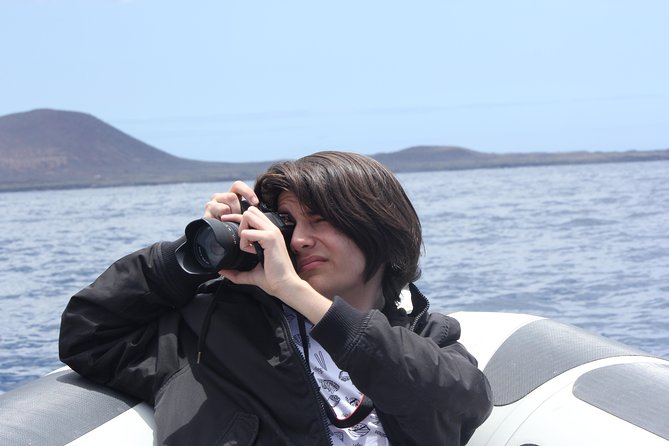
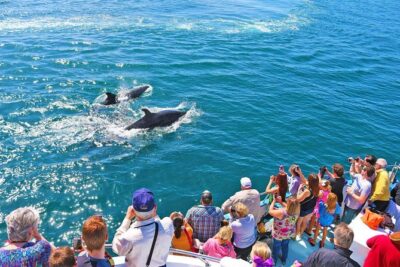
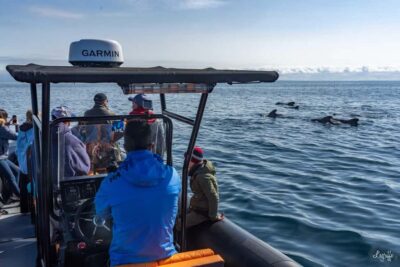
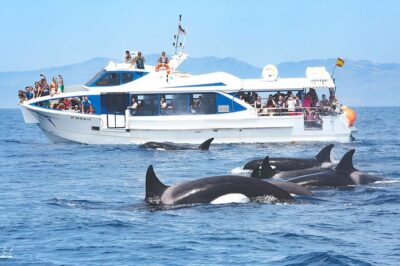
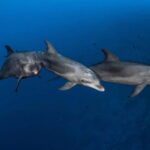
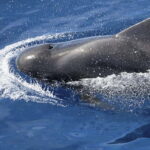
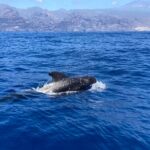
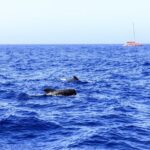
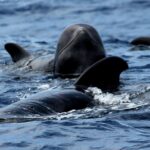
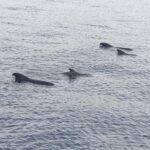
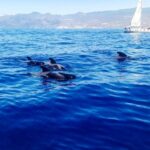
The main goal is to watch for whales and dolphins, with a marine biologist guide helping you interpret what’s happening. Specific sightings can’t be guaranteed, but the types of encounters reported in this area are impressive: pilot whales, bottlenose dolphins, and Atlantic dolphins are among the whale and dolphin sightings people describe.
You may also see other wildlife connected to the same ecosystem, such as turtles (including sightings of a loggerhead turtle) and sharks (some reports include a hammerhead). Even small additions like flying fish or a “surprise” marine animal can make the trip feel like more than a routine outing.
The key is how the guide treats the animals. The tour’s science tone goes hand-in-hand with respectful wildlife watching, including careful behavior around marine life so you’re not disturbing what you came to see. That’s not just a feel-good factor—it affects the quality of sightings and keeps the experience aligned with conservation goals.
Also, note that the tour uses a hydrophone. If the ocean goes quiet visually for a few minutes, the sounds can still keep you engaged and informed.
A capped group of 10: better questions, better attention
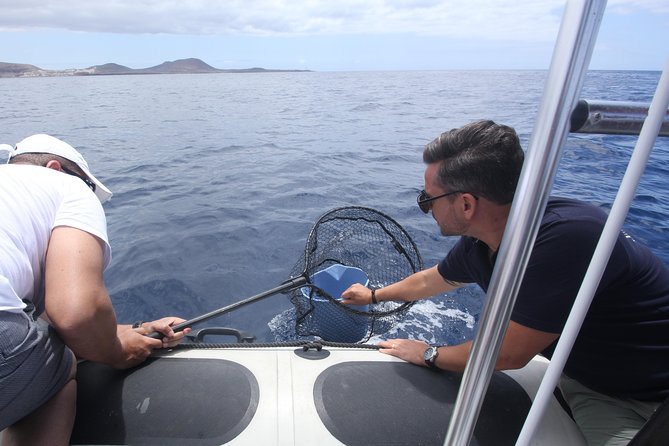
With just 10 travelers, the experience stays personal. That’s the difference between a boat where you’re a face in the crowd versus a boat where the guide can talk directly to you and actually respond.
This matters most when you’re learning. If you want to understand whale behavior, you’ll have questions like: Why are they moving that way? What does that sound indicate? How do you tell a species by behavior? In a larger group, questions get swallowed. Here, the guide interaction is the point.
You may meet guides who people have named in their experiences, including Raoul, and on some trips Misa and Nico. Regardless of the guide, the model is consistent: expert-led watching paired with interactive science tools and respect for marine life.
If you’re the type who likes to ask follow-up questions (or you’re traveling with teens and want them engaged), this small-group approach will feel like a win.
Timing, comfort, and what to pack for an ocean science trip
This is a 2.5-hour trip on Tenerife’s southern coast, so think “sun + wind + salt air.” You’ll want the usual boat comfort items, even if the boat ride is short.
Bring:
- A light layer in case wind kicks up once you leave the harbor area
- Sun protection (hat and sunscreen), since you’ll be outside most of the time
- Something to manage motion if you’re prone to seasickness
- Your own snacks if you might get hungry (snacks aren’t included)
Also plan around the fact that there’s no restroom on board. That’s easy to overlook until you’re already out at sea, so handle it before you board.
If you can choose your time slot, I’d lean toward an earlier departure when that option exists. For wildlife watching, earlier hours often align with better activity and calmer conditions, and it’s a scheduling tip that fits the way these trips are commonly planned.
Who this tour is best for (and who should reconsider)
This works especially well for:
- People who want more than “spot the animal” photos
- Families with older children who can handle guided learning and question time
- Visitors who like whale watching but want the science angle explained in plain language
- Anyone who’s curious about underwater communication and wants to try the hydrophone
If you’re looking for a purely relaxed cruise with zero learning and zero interaction, this may feel a bit more structured than you want. You’ll be paying attention, listening, and using tools, not just lounging.
And if you’re traveling at a time when weather is inconsistent, keep expectations flexible. The experience requires good weather, and that’s the one factor that can change how smooth the day feels.
Should you book this whale and marine science tour in Tenerife?
If you want whale watching that includes real learning time, this is a strong pick. The combination of a marine biologist guide, a small group of 10, and hands-on hydrophone and sound recorder practice gives you a deeper experience than most “see whales, take pictures” tours.
I’d book it if:
- You like science and want explanations tied to what you’re seeing
- You want a calmer boat setting with time to ask questions
- You’re traveling with older kids who enjoy hands-on activities
I’d think twice if:
- You absolutely need onboard restroom access
- You’re hoping for a totally passive trip with minimal talking
- Weather is a big uncertainty for your dates
Overall, this feels like a smart way to spend a half-day in Tenerife—part wildlife watching, part ocean listening, with enough structure to make the time feel worthwhile.
FAQ
How long is the whale watching and marine science tour in Tenerife?
The tour lasts about 2 hours 30 minutes.
What is the price per person?
The price is $90.70 per person.
What language is the tour offered in?
The tour is offered in English.
How many people are on the tour?
The tour has a maximum of 10 travelers.
What’s included in the tour price?
It includes bottled water and all fees and taxes.
Is there a restroom on board?
No, there is no restroom on board.
Are snacks included?
No, snacks are not included.
Where do I meet for the tour?
You meet at Biosean – Whale watching & marine science, Marina del Sur. Pantalán 4, 38631 Las Galletas, Santa Cruz de Tenerife, Spain.
What happens if the weather is poor?
This experience requires good weather. If it’s canceled due to poor weather, you’ll be offered a different date or a full refund.