REVIEW · SAN DIEGO
Whale and Dolphin Watching in San Diego Speedboat Tour
Book on Viator →Operated by Net Zero Expeditions · Bookable on Viator
Southern California has a way of turning a trip into a story. This speedboat whale and dolphin tour from San Diego is built for close-up sightings and fast time on the water. I love the small group size (up to 6), which makes it easier to ask questions and actually spend time watching instead of just waiting. I also love that it targets whales by season, so your chances feel more intentional than random. One possible drawback: if you’re hoping for last-minute changes or direct operator help right away, you may need to plan ahead and work within their business hours.
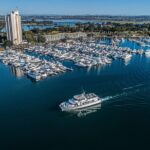
You’ll depart from Seaforth Marina in Mission Bay and head offshore up to about 12 miles. The ride is paced for spotting: a short cruise to get you moving, then time spent scanning for whales and dolphins. And if the weather isn’t cooperating, the tour may shift or cancel for safety and comfort.
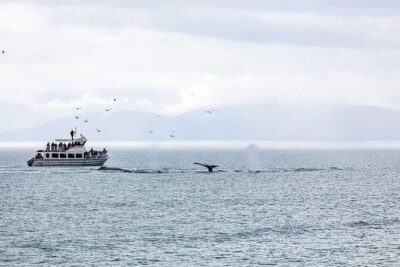
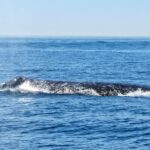
Year-round dolphins are a major draw, and the whales follow the calendar. Gray whales show up in winter and spring, blue whales tend to come in summer, and humpbacks are the seasonal headline in fall.
In This Review
- Key highlights to look for on this San Diego speedboat tour
- First leg: Seaforth Marina and the quick run into the bay
- The main search: offshore waters up to 12 miles out
- Which whales you’re likely to see by season (and why that matters)
- Dolphin watching: year-round chances and multiple species
- What the guide and USGC Captain add to your experience
- Zodiac speed and comfort: the tradeoff you should plan for
- How the 3-hour schedule feels in real life
- Price and value: is $199 worth it?
- Booking timing, planning, and a smart last-minute strategy
- Who this San Diego whale and dolphin speedboat tour fits best
- Should you book this whale and dolphin speedboat tour?
- FAQ
- How long is the whale and dolphin speedboat tour?
- Where does the tour start from?
- What whales and dolphins can you see?
- What’s included in the price?
- What should I bring?
- What if the tour is canceled due to weather?
Key highlights to look for on this San Diego speedboat tour
Up to 12 miles offshore, in a small Zodiac-style setup for more focused viewing time
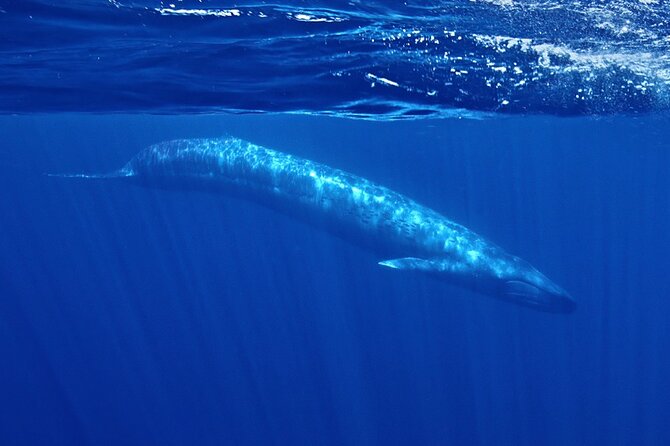
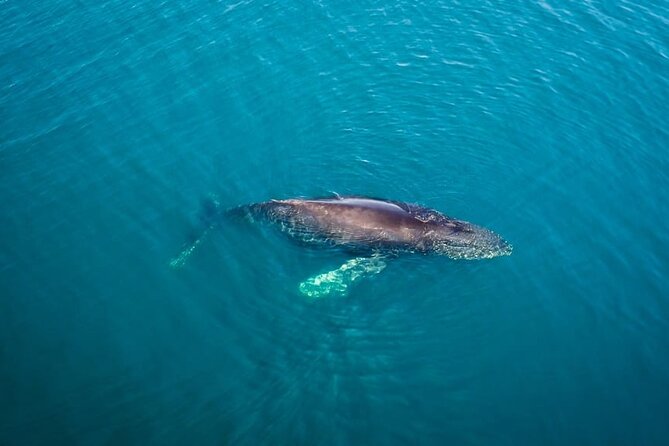
Seasonal whale targets: gray (winter/spring), blue (summer), humpback (fall)
Dolphins most of the year, including common, bottlenose, and Risso’s dolphins
Guided by an in-person team plus a USGC Captain for safety and good info
Bring-your-own snacks and water since they’re not included
Max 6 travelers for a more personal experience
First leg: Seaforth Marina and the quick run into the bay
Your day starts at Seaforth Marina, 1677 Quivira Rd, San Diego, CA 92109. The meeting point is easy enough to reach and the activity is described as being near public transportation, which helps if you don’t want to fight parking. This tour runs about 3 hours total, so you get a meaningful chunk of time offshore without turning your day into a full vacation event.
Once you’re aboard, there’s a brief cruise—about 15 minutes—to get from Mission Bay toward the bay entrance. That short transition matters because it gets you oriented fast: where the coastline sits, how the water changes, and how the spotting will work once you’re out farther. Then it’s a straight shot into open water for the main search.
A detail I appreciate is the promise of an intimate setup. This is not a massive cattle boat. The experience is capped at 6 travelers, and that’s a big deal on the water. When there are fewer people, the guide can talk more clearly, you can ask better questions, and you’re less likely to end up with a view blocked by someone else’s hat.
You can also read our reviews of more tours and experiences in San Diego.
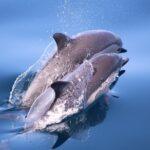
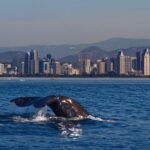
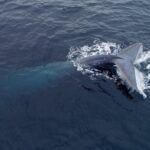
The main search: offshore waters up to 12 miles out
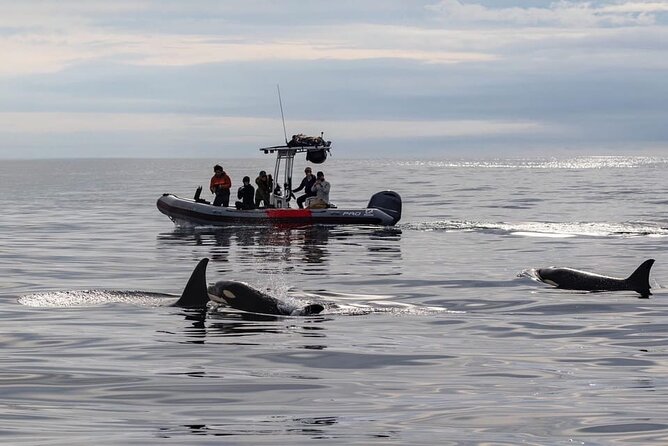
After that initial cruise, you head out up to 12 miles offshore into deeper blue water where the action tends to happen. The tour is set up as a guided search: you’ll scan for whales and watch for dolphins moving around the boat. With time offshore built into the schedule, you’re not just taking a quick loop and hoping for the best.
Here’s what you should know for your expectations: whale and dolphin sightings are nature events, not a timed performance. The tour is designed around seasonal patterns, which helps a lot. Instead of guessing randomly, the guide is steering you toward the most likely time of year for specific whales.
That’s where the “speedboat” part actually helps. A Zodiac fleet is described as fast and agile, which usually means less wasted time moving and more time on station for scanning and observation. It’s also easier to make small adjustments when wildlife shows up where you can’t predict it.
Which whales you’re likely to see by season (and why that matters)
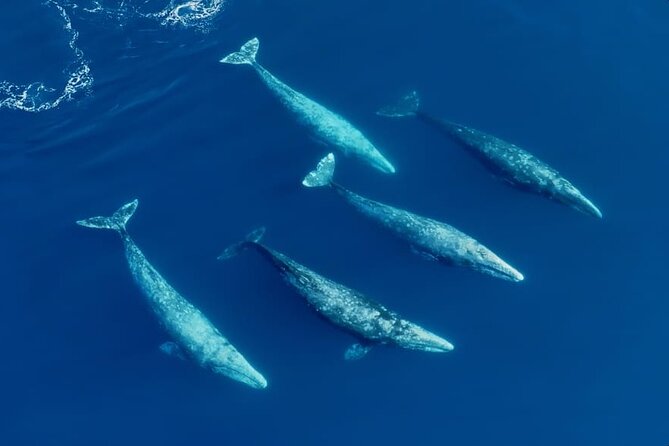
This tour is unusually clear about what you can reasonably expect depending on the time of year. That’s not just marketing language—it affects how the captain and guide plan their time out on the water.
- Gray whales (winter and spring): If you’re going during the colder months, the tour targets these large seasonal visitors.
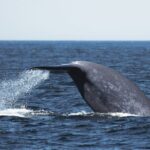
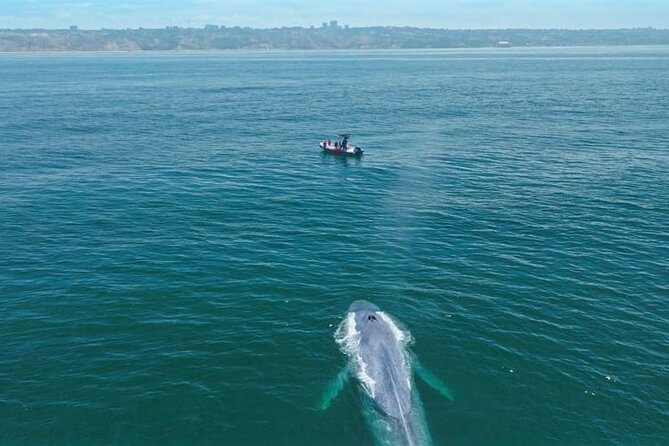
- Blue whales (summer): In summer, the focus shifts to the awe-inspiring blue whale season.
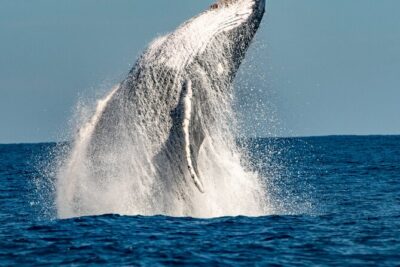
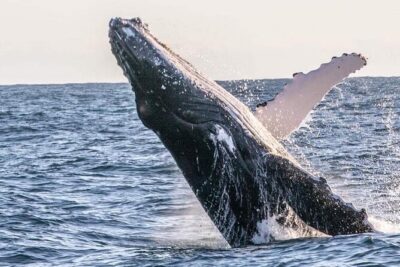
- Humpback whales (fall): Fall is when humpbacks are the headline.
Why I like this approach for you: it turns the trip into a more informed bet. If you book in the right season, you’re not relying on luck alone—you’re lining up your day with a known window.
Even if whales aren’t close enough for a perfect view, the time isn’t wasted. Dolphin activity is part of the year-round plan, and spotting dolphins can still be a great payoff in a short 3-hour trip.
Dolphin watching: year-round chances and multiple species
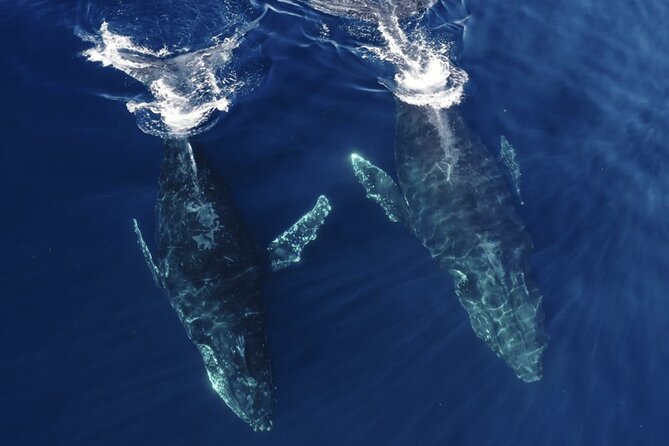
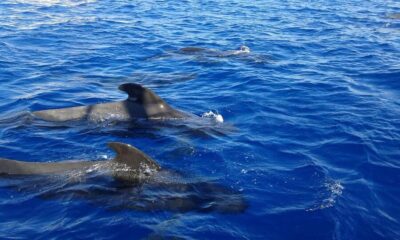
Dolphins are the steady companion on this outing, with encounters described as happening year-round. The tour mentions several dolphin types, including common dolphins, bottlenose dolphins, and Risso’s dolphins. On rare occasions, you may even catch a glimpse of orcas.
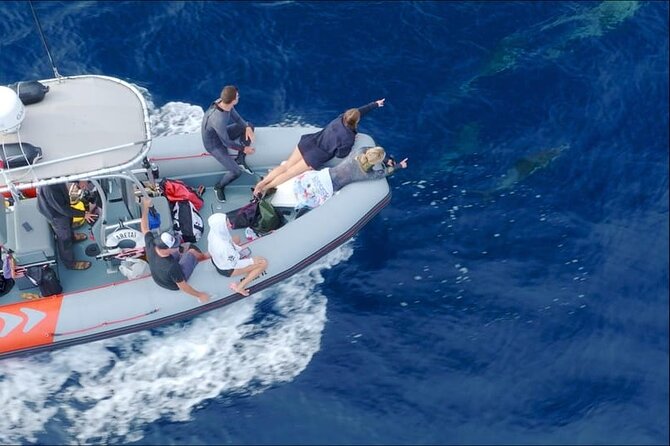
Dolphins are also the kind of wildlife that often gives you frequent sightings. They move faster and in patterns you can sometimes read—so even when whales take patience, dolphins can keep the momentum going. One especially memorable detail shared in feedback: dolphins may swim alongside the boat, and watching that energy up close is part of the fun.
A practical tip here: keep your eyes on where the water surface changes—choppy patches, quick breaks, or repeated surfacing. Dolphins often telegraph their presence through movement first, then appearance.
What the guide and USGC Captain add to your experience
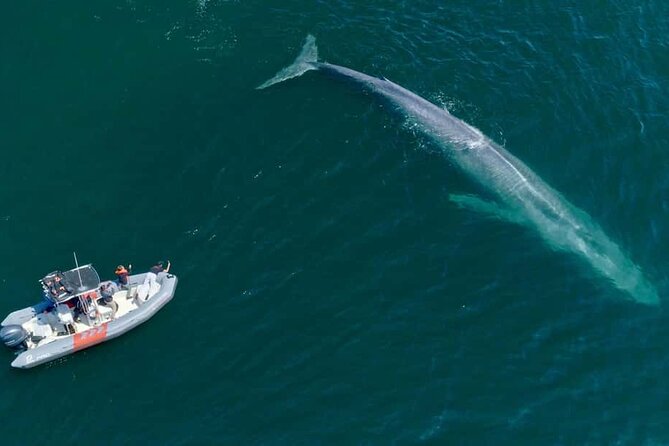
This tour includes a USGC Captain, plus an in-person guide. That combination matters for two reasons: safety and interpretation. The captain handles navigation and responsible operation of the boat, while the guide helps you understand what you’re seeing, where to look next, and why the wildlife might be in that area.
Another big advantage of the small size is that you can actually interact. The best whale and dolphin days aren’t just about sighting—they’re about learning what you’re looking at and how to track it as it changes. With a max group of 6 travelers, questions don’t get swallowed by crowd noise. You also tend to get better pacing for viewing: less rushing, more time to focus on the moment.
If you care about the ocean in an active, informed way, this is a tour format that fits. It’s not only a sightseeing pass; it’s guided watching with a safety-first approach and an environmental mindset.
Zodiac speed and comfort: the tradeoff you should plan for
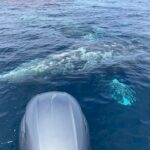
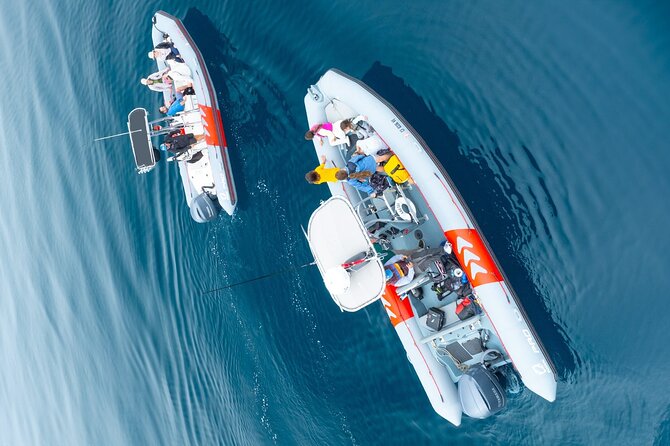
A Zodiac-style setup changes the feel of the tour. The upside is speed and agility, which usually means better chances of being in the right place when wildlife shows up. The downside (the consideration I want you to keep in mind) is that small boats can feel more exposed to wind and swell than larger vessels.
So dress for variability: if you run warm, you’ll still want a light layer for the ride back. Even when the day looks calm on shore, conditions can change offshore. The tour also requires good weather, so it’s not offered as a “go rain or shine” experience—expect the operation to prioritize safe conditions.
That also connects to the experience’s refund approach if weather becomes a problem. If it’s canceled due to poor weather, you’ll be offered a different date or a full refund, which helps protect your plans.
How the 3-hour schedule feels in real life
The schedule is built around a simple rhythm:
1) Depart from Mission Bay
2) A short cruise to get clear of the bay entrance
3) A main search window offshore
4) Return back to the meeting point
Because the total time is about 3 hours, you get a focused experience rather than a long expedition day. That makes it a strong choice if you’re visiting San Diego for multiple attractions and don’t want to lock up your entire afternoon.
At the same time, it’s long enough to do real searching. Whales and dolphins don’t show up on command, so a short tour can feel too brief. This one aims for the sweet spot: enough time on the water to find action, but not so long that you’re drained before dinner.
Price and value: is $199 worth it?
At $199 per person, this isn’t the cheapest way to watch whales and dolphins in San Diego. The value comes from what’s included and what’s likely to improve your odds of a satisfying trip.
Here’s where the money goes:
- You’re paying for a guided operation with a USGC Captain and an in-person guide
- You’re paying for access to offshore waters (up to 12 miles out)
- You’re paying for a small-group max of 6, which can lead to better sighting quality and more meaningful interaction
What’s not included: water and snacks, so bring your own. That’s easy to handle and doesn’t feel like a deal-breaker at this price.
Also, the tour is described as using Net Zero Expeditions standards. The details of what they do to reach that aren’t spelled out here, but the point is clear: they’re positioning safety and environmental responsibility as part of the experience, not an afterthought.
If your top goal is close-up viewing and a more personal feel than a big-boat crowd, the cost makes more sense. If your goal is purely budget sightseeing, there may be lower-cost options—but you’d likely give up the small-group advantage.
Booking timing, planning, and a smart last-minute strategy
This tour is described as being booked about 38 days in advance on average. That’s a useful hint: if you’re traveling in peak whale/dolphin season or on a weekend, plan early. The small group limit of 6 travelers also means availability can tighten.
One practical consideration from feedback: it may be hard to reach the tour operator directly right away for last-minute adjustments, especially if you’re calling early in the morning. If you’re trying to change dates or book a same-day option, give yourself a cushion and don’t assume you can easily modify plans on the fly.
What I recommend:
- Confirm your day and pickup time the moment you book.
- If you need flexibility, choose dates with a backup day nearby.
- Bring your own water/snacks, since that’s not included.
Who this San Diego whale and dolphin speedboat tour fits best
This is a good match for you if:
- You want small-group attention rather than a large crowd
- You care about guided interpretation, not just floating near wildlife
- You’re planning your trip around seasonal whale opportunities
- You want a fast, action-friendly format using Zodiac-style equipment
It may be less ideal if you strongly dislike smaller boats or you’re prone to discomfort on choppy days, because conditions matter and the schedule is tied to weather.
Most people can participate, and the description notes it as having most travelers can participate, but it doesn’t spell out exact medical or mobility requirements. If you have specific needs, it’s worth asking before you go.
Should you book this whale and dolphin speedboat tour?
I’d book it if your priority is a close-up, guided wildlife experience with a max group of 6 and a schedule aimed at seasonal whale sightings. The offshore coverage (up to 12 miles) and the focus on multiple dolphin species give you solid odds of meaningful wildlife time even if whales require patience.
I’d pause before booking if you’re the type who needs to make big last-minute booking changes, or if you’re worried about wind and ocean swell. Since the tour depends on good weather, have a backup plan for your itinerary.
If you’re visiting San Diego and want your ocean time to feel personal, efficient, and well guided, this is one of the more sensible ways to do it.
FAQ
How long is the whale and dolphin speedboat tour?
The tour runs about 3 hours (approximately).
Where does the tour start from?
It starts at Seaforth Marina, 1677 Quivira Rd, San Diego, CA 92109, and returns back to the meeting point.
What whales and dolphins can you see?
The tour targets gray whales (winter and spring), blue whales (summer), and humpbacks (fall). Dolphins can be seen year-round, including common dolphins, bottlenose dolphins, and Risso’s dolphins, with orcas occasionally.
What’s included in the price?
The price includes a USGC Captain, all fees and taxes, and an in-person guide.
What should I bring?
Water and snacks are not included, so you can bring your own.
What if the tour is canceled due to weather?
If canceled due to poor weather, you’ll be offered a different date or a full refund.