REVIEW · SAN DIEGO
San Diego: 3 Hour Whale Watching Cruise
Book on Viator →Operated by Legacy Whale Watch · Bookable on Viator
Whales are never guaranteed, but the search is great. This San Diego cruise gets you out of the bay fast, often with California sea lions and seabirds before the captain aims for whales and dolphins offshore.
I like the hands-on marine spotting help onboard, with natural history folks such as Sue from the Natural History Museum and even a Whaler named Pam who can explain what you are seeing in plain language. I also like the way the crew actively works the ocean area to improve your odds, which is exactly what you want on a short 3-hour outing.
The main downside is that a small boat still gets busy during sightings. If you want photos, seating fills quickly, and the best angles can be a bit chaotic when everyone runs to the same side.
In This Review
- Key highlights worth knowing before you go
- Legacy Whale Watch: how a 3-hour cruise fits into San Diego time
- Leaving the dock at 1717 Quivira Rd: sea lions and seabirds before the offshore hunt
- Open ocean whale watching: what you might spot and what to expect at distance
- How the crew and naturalists help you actually see things
- Price and what $34 covers: value, plus what you need to bring
- Seats, sightlines, and how crowding affects the view
- Weather, cancellations, and how to plan your odds
- Who this San Diego whale watch is best for
- Should you book Legacy Whale Watch?
- FAQ
- Where does the San Diego whale watching cruise start?
- How long is the cruise?
- How much does it cost?
- What is included on board?
- What should I bring since food and drinks are not included?
- What wildlife do you typically see early in the trip?
- Is there a limit on the group size?
- What happens if weather is poor?
Key highlights worth knowing before you go
- California sea lions early: you often see them quickly after departing the dock, even before you’re out in open ocean.
- Marine life spotting starts in the bay: seabirds show up before the whale search begins.
- A tight group for this type of trip: the boat tops out at 20 travelers, so it stays more personal than big public tours.
- Distance rules are real: you’ll view whales from far enough away that they don’t come right up to the boat (around 100 feet gets mentioned).
- Naturalists add context: onboard education helps you understand what’s happening out there.
- Cost feels fair for 3 hours: at $34, it’s one of the more budget-friendly ways to do a dedicated whale watch.
Legacy Whale Watch: how a 3-hour cruise fits into San Diego time
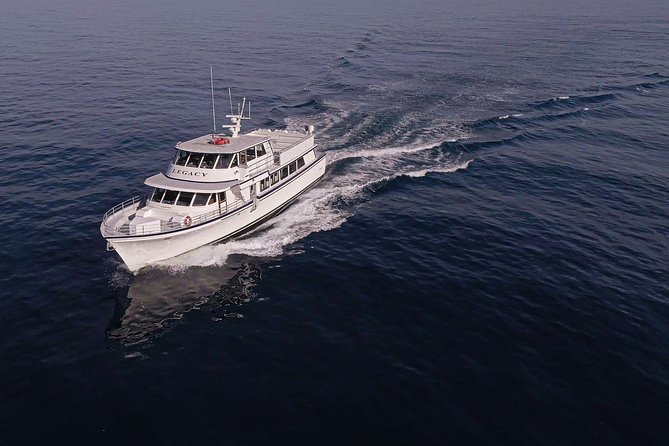
A 3-hour San Diego whale watching cruise is the sweet spot if you want a true ocean outing without sacrificing an entire day. You’re paying for a focused block of time on the water, with the core promise being a wildlife hunt: whales, dolphins, and other sea life, plus birds and sea lions along the way.
At $34 per person, the value comes from what is included. You get a restroom on board, and parking fees are covered. That matters in San Diego, where “cheap” tours can turn pricey once you add the extras. The group size is also a plus: up to 20 travelers. Smaller numbers generally mean you spend less time stuck behind a wall of bodies, though you still need a good strategy for where you stand and where you sit.
You can also count on English-speaking service, service animals being allowed, and the tour being set up so that most people can participate. One practical note: this is an experience that depends on decent weather, so if conditions are rough, the operation may shift dates or refund you.
You can also read our reviews of more tours and experiences in San Diego.
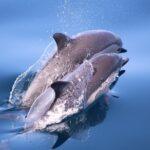
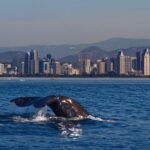
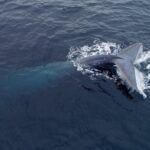
Leaving the dock at 1717 Quivira Rd: sea lions and seabirds before the offshore hunt
Your meeting point is 1717 Quivira Rd in San Diego. The tour starts there and ends back at the same place, which is simple when you’re pairing this with other plans.
Here’s what I find smart about the way the day is paced: you don’t wait hours for the first wildlife moment. After you depart the dock, you generally see California sea lions quickly. That’s huge for two reasons:
- It sets the tone immediately, so even if the open-ocean search is slower, the outing still feels alive.
- Sea lions and seabirds are often easier to spot in the early part of the route, when you are still in familiar bay waters.
You also typically get a good run of seabirds before leaving the bay. That’s useful because it helps you “read” the environment. Birds feeding or hanging around can be a clue that the food chain is active, which often correlates with the kind of action whales and dolphins are drawn to.
If you care about photos, this early window is where you can grab images before the entire group rushes toward the best sighting. Aim to be ready right when you leave the dock rather than waiting for the first big announcement.
Open ocean whale watching: what you might spot and what to expect at distance
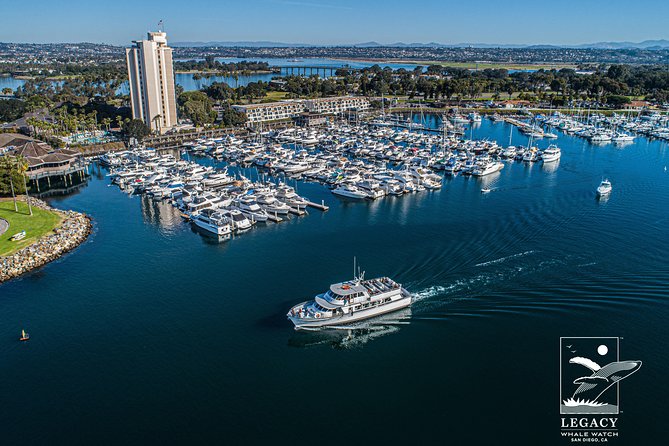
Once you head out into open ocean, the cruise becomes a search. The captain and crew look for whales, dolphins, and other mammals, along with birds. This is where your patience pays off, because sightings can be sporadic, and marine animals do not show up on a human schedule.
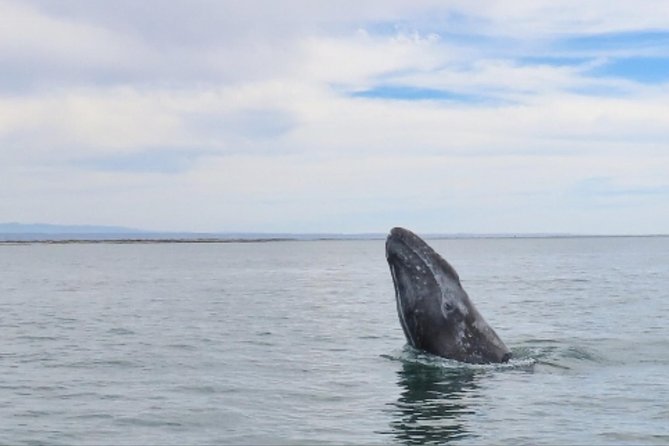
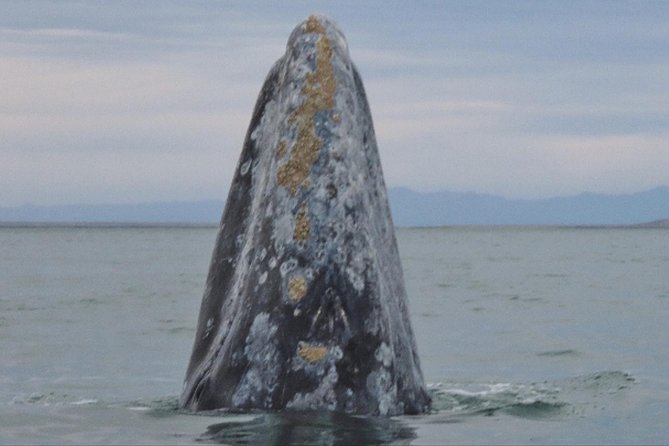
What makes this cruise interesting is that it is clearly built around the reality of distance. One of the key details you should expect: boats can’t go up to whales due to a law, with the typical reported viewing distance around 100 feet. That means your job is to spot the action quickly and use the boat’s vantage points—not to hope for close encounters.
As for what you might see, people report a range of wildlife on different outings. Dolphins show up often, and some trips include very big dolphin groups, including common dolphins moving fast and leaping around the boat. Whale sightings reported across sailings include:
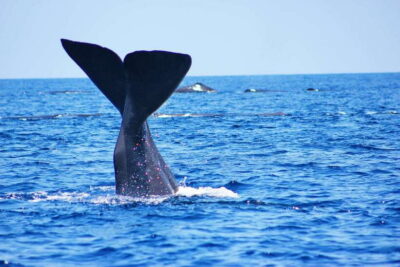
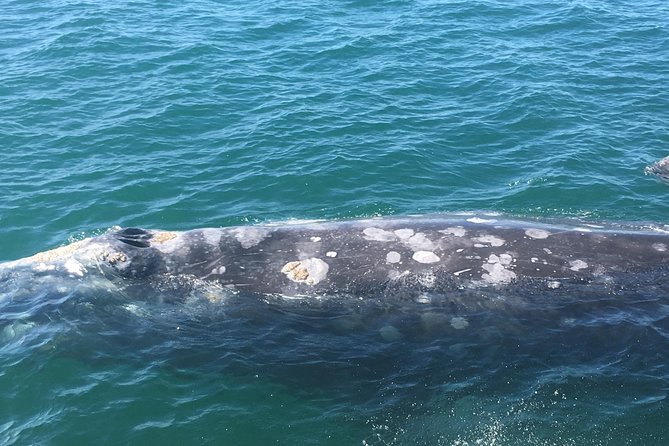
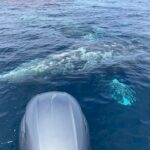
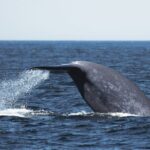
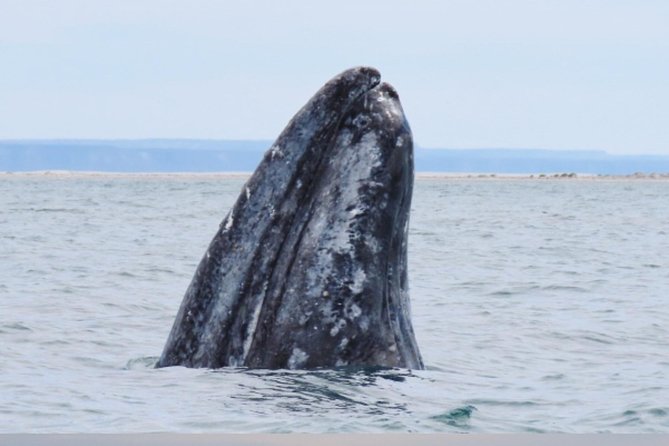
- Gray whales, including cases where a fluke is visible as they dive
- Humpback whales
- Fin whales
- Minke whales
- Right whales (reported on at least one trip)
The realistic takeaway: if you’re going for whales only, your odds are never 100%. But if you’re going for whales and the whole wildlife scene—dolphins, sea lions, birds, spouts and tails from afar—then you’ll likely feel like you got your money’s worth even on the days when whales are elusive.
How the crew and naturalists help you actually see things
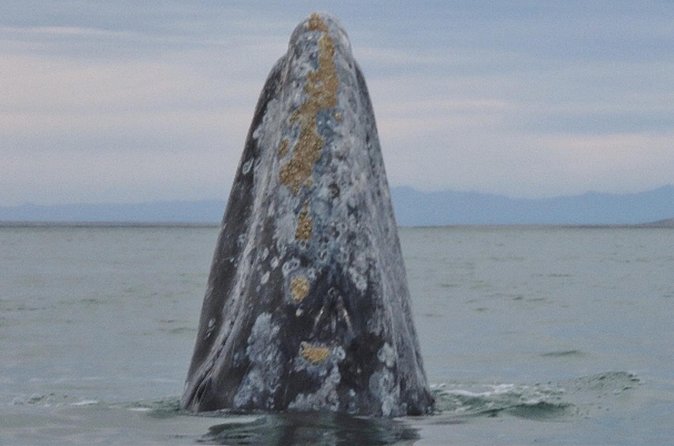
This is not just a boat ride. The onboard crew and naturalists focus on helping you interpret what’s happening out there.
A few named examples show up in what people talk about: Sue from the Natural History Museum is one of the voices you might hear, and Pam is also mentioned as a Whaler who does a great job explaining whales in a kid-friendly way. Even if you’re traveling without kids, this kind of narration helps you avoid the frustrating moments where everyone is pointing and you’re not sure what you’re looking at.
You also benefit from active decision-making. On some sailings, the captain and crew coordinate with other boats to find where whales are showing up. That’s a big deal for a 3-hour tour. On longer trips you have room to wander and wait. On a short one, you want the crew to be using every minute wisely.
Practical advice: listen closely at the times the crew starts talking. Often they give cues like where the best chance is for blows or what species to watch for based on what they’re seeing in the area. Those cues can make the difference between catching only a “brief glimpse” and actually tracking the behavior long enough to feel satisfied.
Price and what $34 covers: value, plus what you need to bring
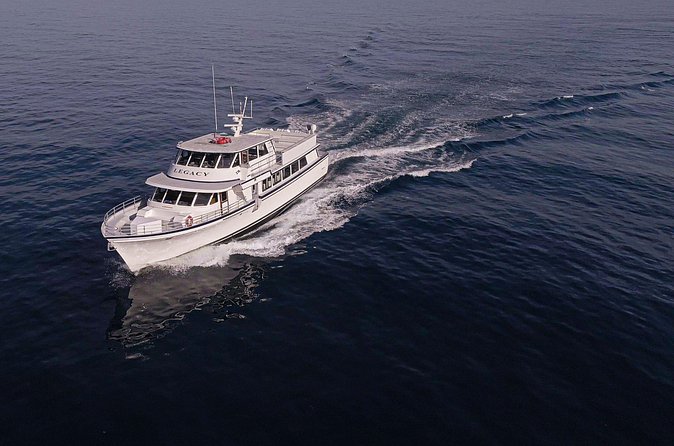
At $34 per person for about 3 hours, this cruise is priced like a budget-friendly wildlife outing, not a premium private charter. What you’re getting for that price is straightforward:
- Restroom on board
- Parking fees included
What you should plan for because it is not included:
- Coffee and/or tea
- Snacks
- Alcoholic beverages
- Soda/pop
- Bottled water
- Binoculars
That last point matters more than it sounds. If you don’t have binoculars, you’re relying on eyesight and the boat’s seating/vantage points. Binoculars aren’t listed as included, so if you have a decent pair at home, bring them. If you don’t, consider whether you’re the type who enjoys scanning and tracking action—or if you’re hoping for “close enough to see details” from the seating. This is a distance-based view, so binoculars can upgrade your whole experience.
Also, plan your food strategy. Because snacks and drinks aren’t included, you’ll want to bring your own water and something small to eat. One review-style tip that pops up clearly is: dress warm and bring snacks. Even in good weather, ocean wind can cool things down fast, and when you’re sitting still watching for spouts, comfort matters.
One more value note: on some outings, people mention discounts offered for a future trip if whale sightings were lighter than expected. That’s not something you can count on, but it’s a sign the operator seems invested in making it right when nature doesn’t cooperate.

Seats, sightlines, and how crowding affects the view
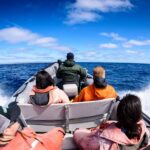
Even with a maximum of 20 travelers, you can still get the classic whale-watch problem: the second something blows, everyone wants the same few seats and the same few angles.
What to know from the experience pattern:
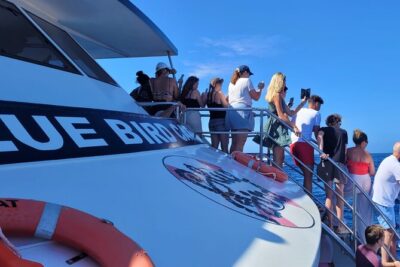
- People tend to crowd the best-looking photo spots quickly, especially on upper deck areas.
- If you’re stuck where you can’t see over others, you may miss the full moment.
- Moving around helps. When sightings are slow, you can shift positions to avoid blocking and to keep your view clear.
If you’re the type who wants photos, your goal is not just to sit—it’s to be ready. Arrive early. Choose a spot you can see from comfortably without needing to stand on anything unsafe. And when the group gets restless, it helps to change viewpoints rather than trying to fight the crowd in one fixed position.
If you’re sensitive to tight spaces or feel boxed in easily, plan to give yourself breaks. The cruise runs the full 3 hours, so you’ll likely want moments where you can step away from the busiest sightline.
Weather, cancellations, and how to plan your odds
This tour requires good weather. If the experience is canceled due to poor weather, you are offered a different date or a full refund. That’s the right approach for whale watching, because safety and visibility both matter.
So how should you plan? Pick a day you can be flexible with. If you’re only in San Diego for a short time, you’ll want to build in a backup option. If you live close enough to retry later, then this kind of tour becomes less stressful, because you’ll have another shot when sea conditions are better.
Whale watching also has a built-in uncertainty factor. Even the best crew can’t control when whales surface. Still, the cruise is set up to give value beyond a single whale moment: sea lions early, seabirds around the bay, active dolphin sightings that can happen even on whale-light days, and ongoing spotting support from the crew.
Who this San Diego whale watch is best for
This is a great fit for:
- First-time San Diego visitors who want a dedicated wildlife activity without a full day commitment
- Couples looking for a short, scenic outing that can deliver big moments like fast-moving dolphin groups and whale blows at a safe viewing distance
- Families, especially because naturalist-style explanations from people like Sue and Whalers like Pam can keep kids engaged
- People who want a manageable group size (up to 20) rather than a giant crowd situation
It’s also a practical choice if you like the idea of an English-led experience with a restroom on board and a straightforward start/end point at 1717 Quivira Rd.
If you are only interested in whales and nothing else, keep expectations realistic. Dolphins and birds can be the main show on some sailings, and that still counts as a win if you came for the whole marine experience.
Should you book Legacy Whale Watch?
Book it if you want a solid 3-hour San Diego whale watching cruise that balances cost, included essentials, and onboard marine spotting help. The price is reasonable, the group is small, and the early sea lion and seabird moments help you feel like the trip starts paying off right away.
Skip it or reconsider if:
- You are extremely photo-focused and get stressed by crowd movement during sightings. (You can manage this with strategy, but the nature of whale watching is still a crowd event.)
- You need guaranteed whale sightings. No cruise can promise that, and this one is set up with the right viewing distance rules rather than risky close approaches.
For most people, though, this is a very sensible way to spend a half-day in San Diego: you get out on the water, you get real wildlife chances, and you get a crew that works to put you in the right place at the right times.
FAQ
Where does the San Diego whale watching cruise start?
It starts at 1717 Quivira Rd, San Diego, CA 92109, USA. The activity ends back at the same meeting point.
How long is the cruise?
The duration is about 3 hours.
How much does it cost?
The price is $34.00 per person.
What is included on board?
The cruise includes a restroom on board and parking fees.
What should I bring since food and drinks are not included?
Coffee and/or tea, snacks, alcohol, soda/pop, bottled water, and binoculars are not included. Bring what you want to drink and eat, and consider bringing your own binoculars if you have them.
What wildlife do you typically see early in the trip?
After departing the dock, you generally see California sea lions quickly, and you may also see seabirds before leaving the bay.
Is there a limit on the group size?
Yes. The maximum is 20 travelers.
What happens if weather is poor?
This experience requires good weather. If it is canceled due to poor weather, you will be offered a different date or a full refund.