REVIEW · SAN DIEGO
San Diego: Whale and Dolphin Watching Speedboat Tour
Book on GetYourGuide →Operated by Netzero Expeditions · Bookable on GetYourGuide
Wind in your hair, then whales on the move. I love how fast the ride is on a Zodiac RIB, and how the small group size makes the dolphin time feel personal instead of crowded. I also like the expert commentary from marine biologists and naturalists that turns sightings into something you can actually understand. The one drawback to plan for: whale sightings depend a lot on season and day-of conditions, so you should be happy even on a dolphin-heavy trip.
This is a guided, semi-private cruise running from Seaforth Marina for about 3 hours, and it’s designed to get you close while keeping safety and the local environment in mind. You’ll want to dress for wind and possible chill, because the pace that feels thrilling can also make you cold fast on the water.
In This Review
- Key things I’d zero in on before you book
- Seaforth Marina check-in and the “small tour” feel
- The 3-hour speedboat ride: how the route works in practice
- Whale-watching by season: when your odds shift
- Dolphins year-round, plus the orca “lottery”
- What the marine experts actually do (and why it matters)
- Meet the crew: names you might hear on the day
- Comfort and safety: how to avoid a miserable “close encounter”
- Price and value: is $188 really fair?
- Who should book this tour (and who should skip it)
- Final call: should you book?
- FAQ
- Where does the tour start?
- How long is the whale and dolphin watching speedboat tour?
- How big is the group?
- What boat do they use?
- What animals can you see, and does it change by season?
- What’s included in the price?
- Is food and drinks included?
- What language is the guide?
- What should I bring?
- Who shouldn’t take this tour?
Key things I’d zero in on before you book
- Small group (up to 6 people) means more attention and less jockeying for a view.
- Zodiac speed and agility help the crew cover more water than big boats.
- Seasonal whale chances: gray in winter/spring, blue in summer, humpback in fall.
- Dolphins are the surest bet, with orcas sometimes showing up when conditions are right.
- Marine experts on board turn random splashes into real ID tips and behavior clues.
Seaforth Marina check-in and the “small tour” feel
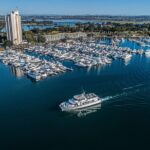
Your tour starts at Seaforth Marina, and the meeting point is easy once you know what to look for: a big pine tree and an automatic gate, then wait at the seating lounge in front of the marina office. Arrive about 15 minutes early so you’re not standing around in wind gear later.
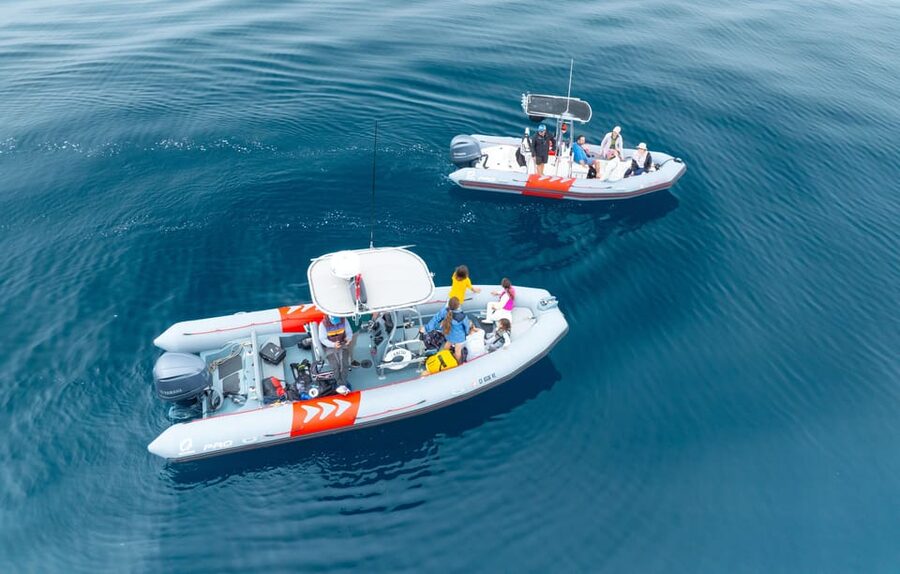
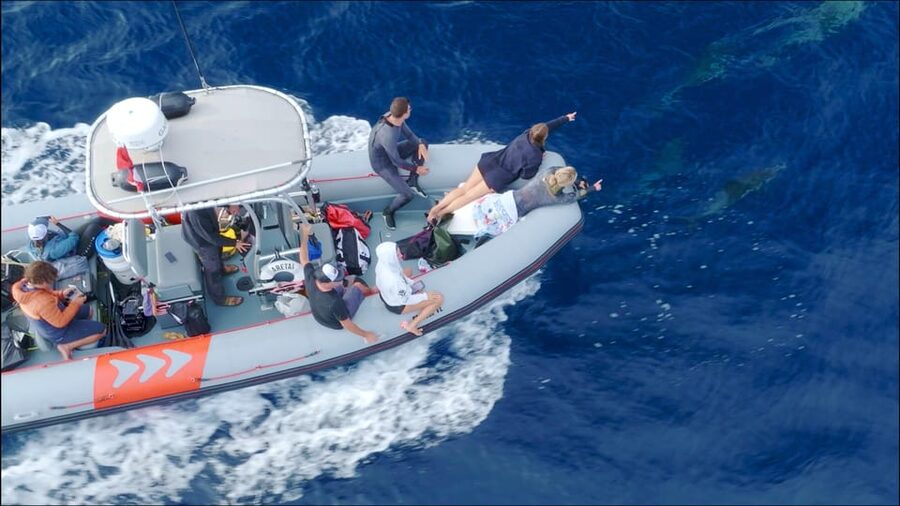
What you’re really buying here is a different vibe than a large-boat whale cruise. The tour runs as a semi-private six passenger setup, and that matters when you’re trying to get a good angle on a dorsal fin that could pop up fast. In the reviews, people repeatedly call out that the smaller boat feels more efficient and more fun, not like an overcrowded floating stadium.
The crew also sets expectations the right way: conditions can change, animals can move, and the ocean doesn’t do checklists. You’ll still get a structured, guided outing with safety equipment and a USCG captain in charge.
You can also read our reviews of more tours and experiences in San Diego.
The 3-hour speedboat ride: how the route works in practice
This is a guided speedboat outing on a Zodiac RIB, and the whole structure is about timing and positioning. The crew’s goal is to get you to where marine life is likely to be, then spend enough time for you to actually see behavior, not just a brief glimpse.
On a fast craft, you feel the wind right away. That’s fun, but it also means you should dress like you’re going outside, not like you’re going sightseeing from a calm dock. I’d treat this like a “layers and protection” trip: hat, sunscreen, water, comfortable clothes, and camera ready.
Since it’s only 3 hours, the schedule isn’t long and slow. The upside is you don’t waste your day waiting. The tradeoff is you can’t count on a long, guaranteed “find a whale” search. If you’re seasick-prone, you’ll want to plan ahead, because motion sickness is a known issue for some people on speedboats.
Whale-watching by season: when your odds shift
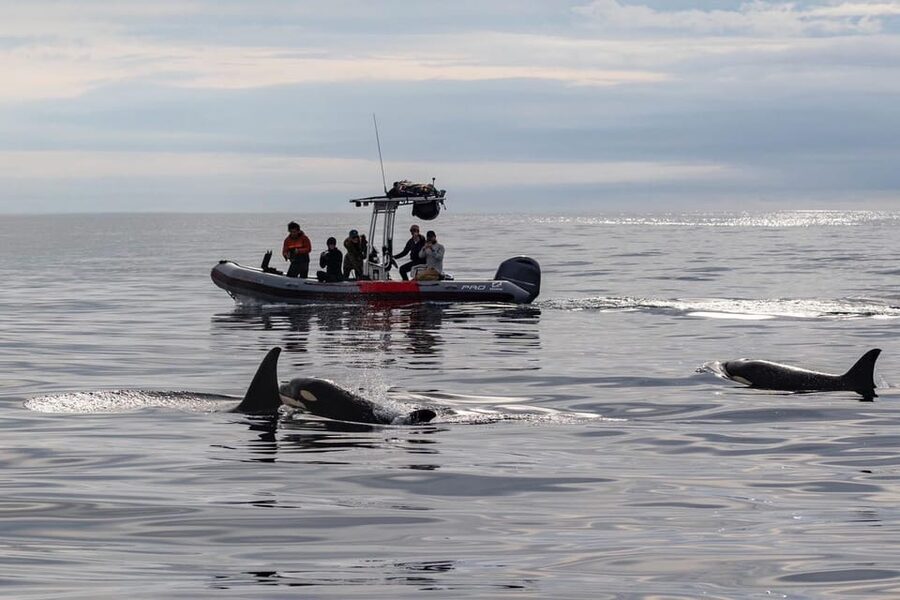
One of the best parts of this tour is that it’s built around the reality of seasons in Southern California. You’re not locked into one animal species. Instead, the crew watches for what’s most likely during the time of year.
Here’s the simple seasonal pattern they follow:
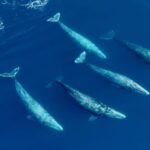
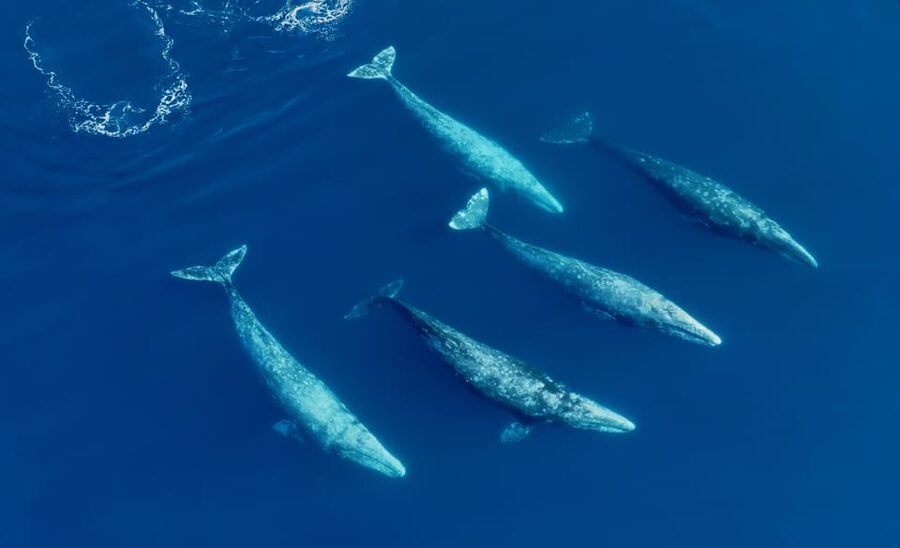
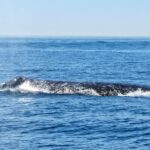
- Gray whales are the focus in winter and spring.
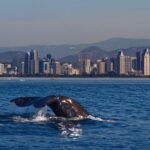
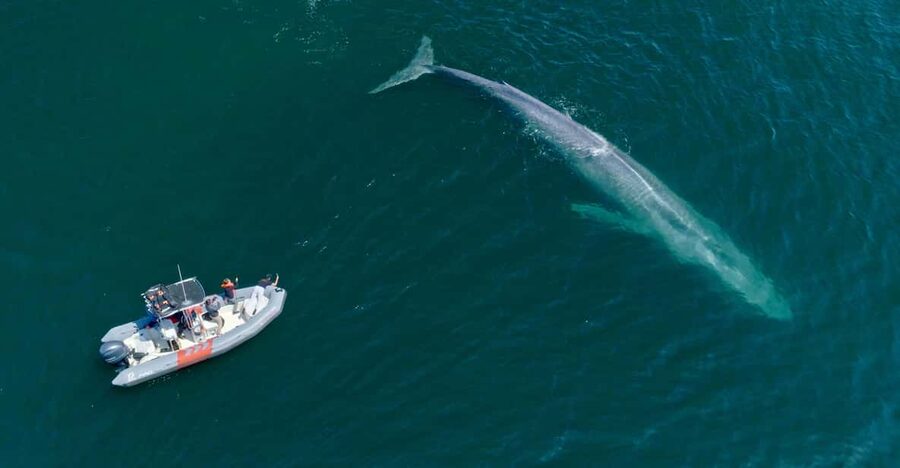
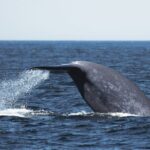
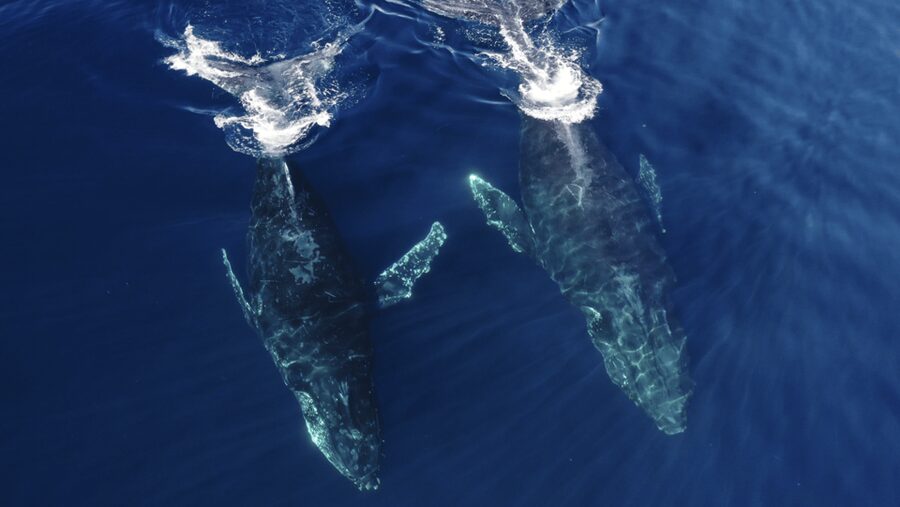
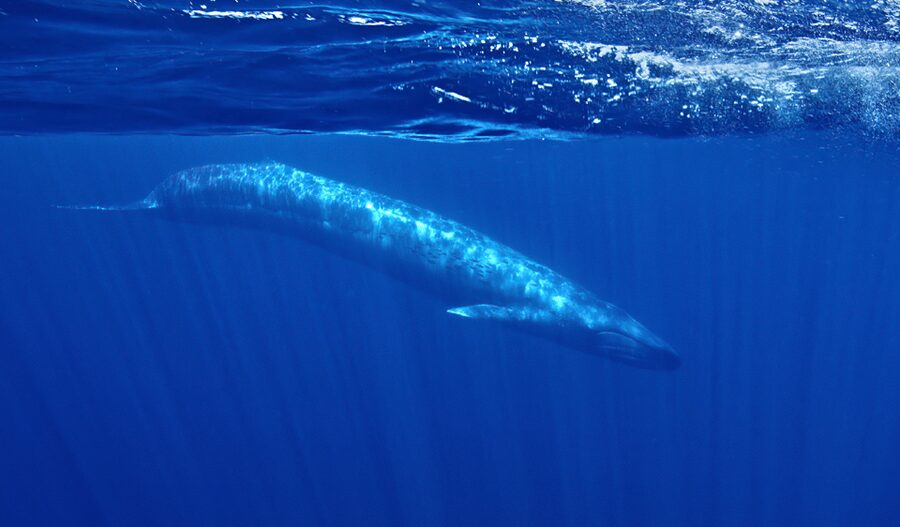
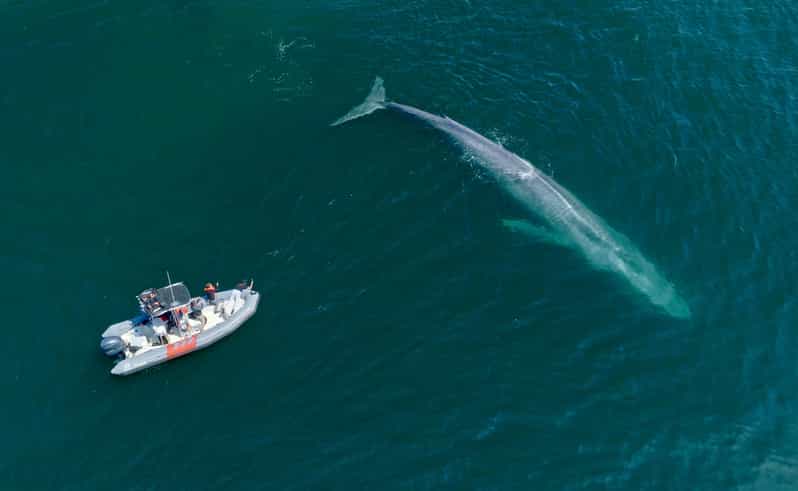
- Blue whales are the main chance in summer.
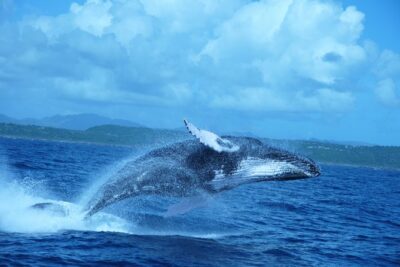
- Humpback whales are the big acrobats in fall.
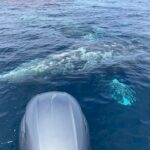
Blue and humpback encounters tend to feel dramatic because of size and behavior. In the better dolphin-and-whale days, the crew can also get you repeat looks, not just one quick surface moment.
Even so, the honest takeaway is this: whales are wild animals, not a show. One day might bring a serious whale encounter and the next might be more about dolphins. If you go in expecting variety rather than certainty, you’ll enjoy it more.
Dolphins year-round, plus the orca “lottery”
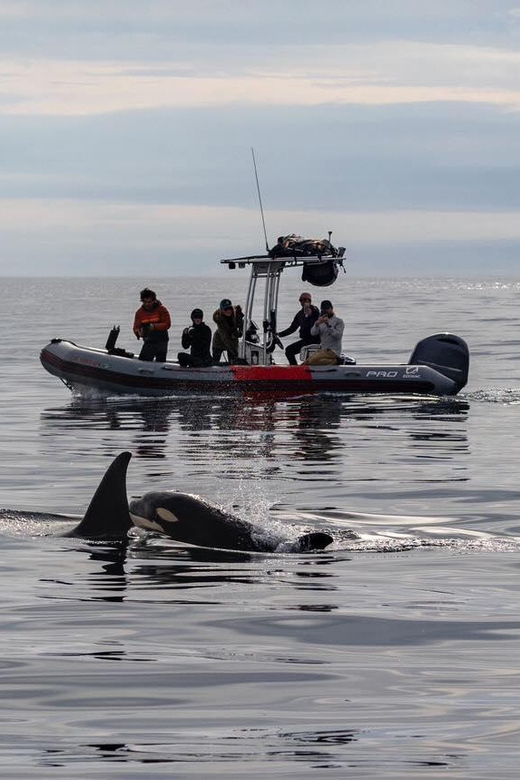
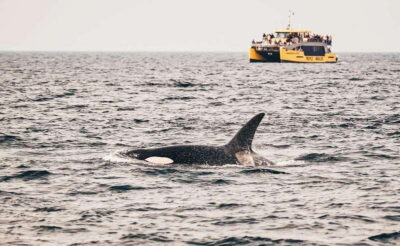
If you want a trip that doesn’t hinge entirely on whale luck, this is one of the stronger options. The tour runs year-round for dolphin watching, including common dolphins and bottlenose dolphins, and they also mention Risso’s dolphins. On top of that, orcas are possible though not guaranteed.
The dolphin portion can be the main event, and the speed helps you get a true sense of how dolphins move and interact. In one standout experience, a small group had luck after about 55 minutes and then stayed with a pod for a long stretch. That’s the kind of thing a smaller, faster boat can make more likely because you’re able to adjust quickly.
In other cases, you might get tons of dolphins without a whale sighting that day. That doesn’t mean the tour fails. Dolphins can be lively and frequent on the water, and the guided commentary helps you understand what you’re seeing instead of just enjoying the spectacle.
What the marine experts actually do (and why it matters)
This isn’t just a driver pointing toward water. The tour includes expert commentary from marine biologists and naturalists, and that’s a big part of the value—especially if you don’t already know how to tell species apart at a distance.
You’ll get help with things like:
- reading whale and dolphin behavior so you know what you’re seeing,
- understanding why animals might be in certain areas,
- and staying focused on observation instead of guessing.
One of the reviews highlights a guide playing jazz music while out on the water, but the real point isn’t the soundtrack. It’s that the crew’s personality and communication style help you stay engaged during search time and when sightings happen quickly.
Also, because this is a small group, the guide can manage the vibe. People feel like they’re part of a team, not trapped in a crowd behind someone else’s camera.
Meet the crew: names you might hear on the day
Tour guides matter on a water trip. The captain and crew are the difference between you feeling swept along and you feeling informed.
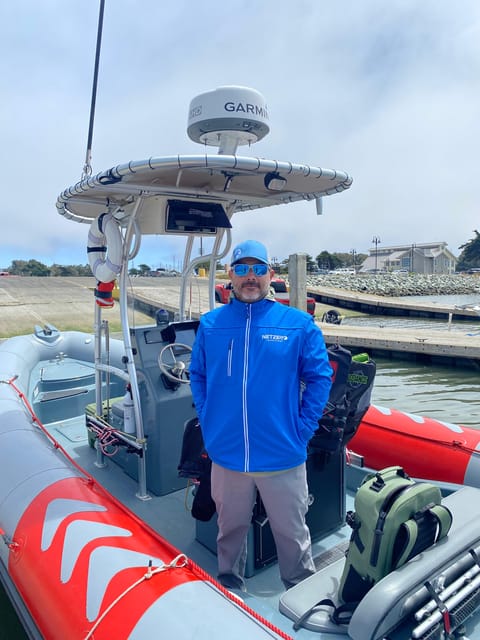
In the experiences shared, names that came up include Jack and crew members Manolo, Carlo, and Havi, plus a guide called Bogart. You can’t count on a specific team on any given day, but it’s a good sign that the crew is both competent and friendly, and that they put in serious effort to spot animals.
One of the consistent themes: people didn’t just feel lucky. They felt like the crew actively hunted for sightings and communicated well when the animals appeared.
Comfort and safety: how to avoid a miserable “close encounter”
Let’s be practical. This is a speedboat ride, and the water can get cold and windy fast. Even on a sunny day, conditions change quickly out on the ocean.
Bring:
- a hat
- camera
- sunscreen
- water
- comfortable clothes
Wear layers. The trip info specifically warns that it can get cold on the water, and that lines up with what you’ll feel once you’re moving. If you’re prone to seasickness, consider motion sickness medication ahead of time. It’s not dramatic, but it can be the difference between enjoying the ride and spending the whole time focused on your stomach.
Not allowed on board:
- smoking
- feeding animals
Also, this tour is not considered suitable for pregnant women, people with back problems, non-swimmers, or anyone who gets seasick easily. If any of those apply, you’ll be safer picking a different style of whale watching.
Price and value: is $188 really fair?
At $188 per person for about 3 hours, this isn’t a budget activity. But it’s also not overpriced in a “you’re paying just for the name” way.
Here’s what you’re getting in the price:
- a USCG captain
- port tax and all fees
- a guided Zodiac RIB speedboat tour
- a semi-private six passenger group
- expert commentary by marine biologists and naturalists
- safety equipment
- time on the water with strong chances for dolphins and seasonal whale species
The value comes from the combination: small group + fast boat + guided interpretation. If you’ve ever been stuck on a large vessel where you spend the whole trip looking over shoulders, you’ll appreciate why a smaller speedboat feels worth it. Several people specifically note that paying for the smaller tour felt better than being on a mass boat because it covered more water and felt closer.
One caution: since food and drinks are not included, you’ll want to plan meals around the tour. Bring what you need for water and sun protection, and then eat afterward.
Who should book this tour (and who should skip it)
This is a great fit if you:
- want an active ride and like the feeling of speed on open water,
- care about learning what you’re seeing (not just taking photos),
- prefer small-group attention,
- and want year-round dolphin chances with seasonal whale opportunities.
It’s less ideal if you need a calm, easy ride. Motion sickness is a real consideration here, and it’s not designed for people with back issues or anyone who can’t safely swim.
If you’re traveling with kids, you’ll want to judge based on the group’s needs, because comfort and safety requirements can limit who should go. The tour does not list a minimum age in the info provided, so you’d need to check directly if you’re planning a family trip.
Final call: should you book?
I’d book this tour if you’re the type of traveler who wants action, not a long, quiet cruise. The combination of a fast Zodiac RIB, a small group size, and knowledgeable onboard experts makes it feel like a guided hunt done responsibly.
If you’re aiming for whales specifically, go with the right mindset: it’s seasonal and weather-dependent. Even when whales don’t show up, the dolphin focus can still deliver a memorable day, especially because the crew puts effort into finding pods and staying with them when conditions allow.
If you’re sensitive to motion or have any of the listed limitations (pregnancy, back problems, non-swimmers, or strong seasickness), skip it for your own comfort and safety and choose a more suitable format.
FAQ
Where does the tour start?
The meeting point is Seaforth Marina. Look for a big pine tree and an automatic gate, then wait at the seating lounge in front of the marina office.
How long is the whale and dolphin watching speedboat tour?
The tour lasts about 3 hours.
How big is the group?
It’s a small group limited to 6 participants, described as semi-private.
What boat do they use?
The tour uses a guided speedboat with a Zodiac RIB.
What animals can you see, and does it change by season?
They mention gray whales in winter and spring, blue whales in summer, and humpback whales in fall. Dolphins can be seen year-round, including common dolphins, bottlenose dolphins, and Risso’s dolphins, and orcas are possible occasionally.
What’s included in the price?
Included are a USCG captain, port tax and all fees, the guided Zodiac RIB speedboat tour, expert commentary by marine biologists and naturalists, safety equipment, and the opportunity to see whales, dolphins, and other marine species.
Is food and drinks included?
No. Food and drinks are not included.
What language is the guide?
The live tour guide is available in English and Spanish.
What should I bring?
Bring a hat, camera, sunscreen, water, and comfortable clothes. Layers help because it can get cold on the water.
Who shouldn’t take this tour?
It is not suitable for pregnant women, people with back problems, non-swimmers, and people prone to seasickness.