REVIEW · SAN DIEGO
San Diego Whale Watching Cruise
Book on Viator →Operated by Flagship Cruises Events · Bookable on Viator
San Diego’s harbor feels like a wildlife runway. This 3.5-hour whale-watching cruise is built for a half-day outing, with a guide who breaks down what you’re seeing and why it matters. You’ll spend the time scanning for gray whales, plus dolphins and other ocean life as you cruise along the bay and out into the open water.
I love two things most. First, the boat setup gives you both indoor and outdoor seating, so you can adjust when the wind cuts across the water. Second, the experience is organized and educational, with staff who keep an eye on where animals are likely to surface and who share details about whale behavior and the surrounding ecosystem.
The main drawback is simple: whale sightings are not guaranteed. Even with good effort and good weather, some trips still turn into a beautiful day at sea with fewer sightings—so go in expecting fun wildlife, not a guaranteed whale photo every time.
In This Review
- Key Highlights to Know Before You Go
- A 3.5-Hour Half-Day That Fits Real San Diego Plans
- Getting Oriented at 990 N Harbor Dr: Where the Cruise Starts
- What to Wear and How to Avoid the Motion-Sickness Spiral
- How the Guide Turns Scan-Searching Into Whale Understanding
- What You’re Actually Looking For: Gray Whales, Big Splashes, and Dolphin Pods
- Stop-by-Stop: The Real Shape of Your Time on the Water
- After the Cruise: Use the Rest of the Day Wisely
- Price, Value, and Who This Cruise Fits Best
- Should You Book This San Diego Whale Watching Cruise?
- FAQ
- How long is the San Diego whale-watching cruise?
- Where does the tour meet, and does it return there?
- Do I need to choose a morning or afternoon departure?
- Are the chances of seeing whales different in the morning versus the afternoon?
- Is food included on the cruise?
- What seating options are available onboard?
- What should I wear for the cruise?
- What can I do if I get seasick?
- Are whales ever touched or fed during the cruise?
- What happens if weather cancels the trip?
- Can I cancel for a refund?
Key Highlights to Know Before You Go
- Half-day timing: About 3 hours 30 minutes, with either a morning or afternoon departure that still gives the same chance of sightings
- Indoor + outdoor decks: Easy comfort if it’s sunny but windy out on the water
- Guide-led spotting: Your host points out what to look for and why whales show up where they do
- Gray whale focus: Expect to watch for quick surfacing moments and bigger splashy surface activity
- Small-to-midsize group: Maximum of 100 travelers, so it’s not a cattle-car situation
- Flexible weather handling: If the trip is canceled for poor weather, you can choose a reschedule or a full refund
A 3.5-Hour Half-Day That Fits Real San Diego Plans
This cruise is timed like a smart local-friendly activity: about 3 hours 30 minutes, not a full-day commitment. That matters in San Diego, where you’ll probably want time afterward for tacos, museums, a beach walk, or even another short activity while the day is still young.
You also get scheduling flexibility. There are morning and afternoon departures, and the key point is that the company treats both as equal for animal chances. Whales don’t follow human schedules, and they don’t wear watches—so don’t overthink the time of day. Pick what fits your day best, then focus on dressing for the conditions when you’re out on the water.
At $54 per person, you’re paying for more than just a boat ride. You’re paying for guided interpretation—what you’re seeing, where it fits in the ocean ecosystem, and how whale behavior connects to feeding and migration. With the number of sightings people report (especially dolphins, sea lions, and gray whales), it can feel like good value for an outing that’s both scenic and informational.
One more useful detail: the experience averages booking about 8 days in advance, which usually means you can find options without panic-shopping, but you still shouldn’t wait until the last minute if you have a specific departure in mind.
You can also read our reviews of more tours and experiences in San Diego.


Getting Oriented at 990 N Harbor Dr: Where the Cruise Starts
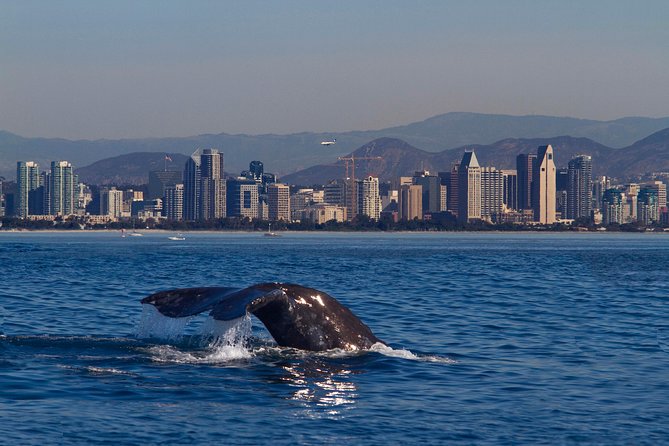
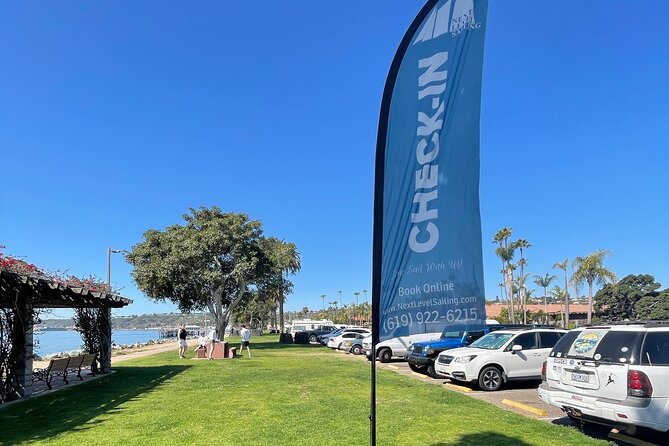
The meeting point is 990 N Harbor Dr, San Diego, CA 92101, and the cruise runs back to the same place at the end. Plan to arrive at least 30 minutes early. That buffer helps you find parking or pickup, get your bearings quickly, and get seated without feeling rushed.
You’ll get a mobile ticket, which is handy for fast check-in. The location is also listed as near public transportation, so if you’d rather not deal with harbor-area traffic, you have options.
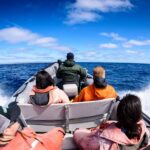
Onboard, the boat layout is designed for mixing comfort with visibility. You can sit indoors or outdoors, and that’s a big deal because San Diego can be warm on land and colder once you’re moving out on the water. The cruise allows a maximum of 100 travelers, which keeps the experience from turning into a wall of people for the entire trip.
Also, if you’re traveling with a service animal, it’s allowed. That’s a straightforward plus if you need those accommodations.
What to Wear and How to Avoid the Motion-Sickness Spiral
If you do only one prep thing, do this: dress in layers. The cruise guidance is very clear that temperature and wind can be unpredictable even when the sky looks bright. You’ll feel it out there. A light jacket or hoodie might be fine in calm weather, but layers let you adapt fast when the wind kicks up.
Warm clothing matters most if you’re going in winter months or during cooler afternoons. Reviews include reminders like wear really warm coats, because being on open water changes the feel immediately.
Seasickness is the other big practical issue. The cruise suggests planning ahead with medication that’s taken before boarding because it works best when started early. If you think you’re prone to motion sickness, this isn’t a place to “wait and see.” The guidance also notes that wristbands for motion sickness can help, and they can be purchased at drug stores.
Some guests also report that Dramamine is available for purchase on board, but you still shouldn’t rely on that if you want the strongest odds. Bring your plan. If you’ve had issues on boats before, treat this as a forewarning, not a surprise.
One more comfort note: indoor seating helps if conditions get chilly or gusty, and outdoor seating is great when weather cooperates. You can switch between both instead of committing to one temperature for the entire cruise.
How the Guide Turns Scan-Searching Into Whale Understanding
The cruise isn’t just “look left, look right.” A guide shares facts about the ocean habitat, whale behavior, migratory patterns, and other marine species you might notice along the route. That changes the whole feel of whale watching, because you’re not only waiting for a moment—you’re learning how those moments fit into the larger story of the ocean.
This kind of explanation is what makes the trip feel worth it, even on days when the whales are shy. It helps you interpret what you’re seeing—like whether a burst of activity is feeding time, travel, or something else that animals do for survival.
You’ll also get hands-on learning moments. One standout example from the experience is seeing visual aids such as a baleen plate. That’s a useful object lesson because it links what whales physically do (filter feeding) to how you might see them behave on the water.
In the same spirit of education, you may also hear specifics about the bay and open ocean from the onboard naturalist. Some guests highlighted hosts by name, including Becca, who was praised for explaining the bay and open ocean and sharing information about migration and sightings. Even without a name, the pattern is consistent: the best tours are the ones where staff help you understand what to watch for and when.
What You’re Actually Looking For: Gray Whales, Big Splashes, and Dolphin Pods
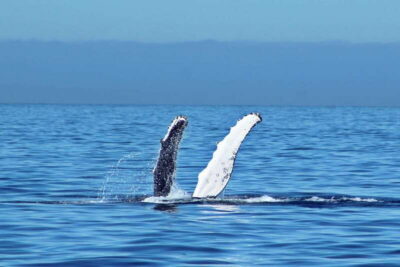
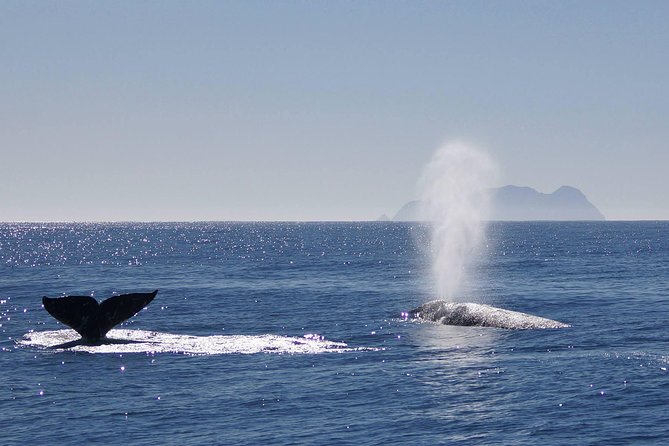
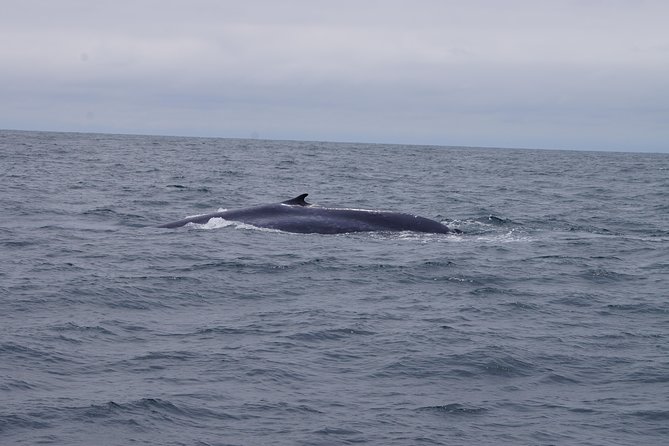
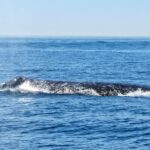
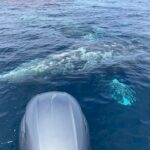
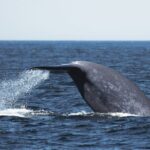
Gray whales are a main focus, and the guidance sets realistic expectations. You might catch them as a quick glimpse—like a momentary surface pop—rather than a long, friendly show. When they do show, it can be dramatic. The cruise description notes you may see a big splash when whales surface, which is one reason whale watching can go from quiet to exciting in seconds.
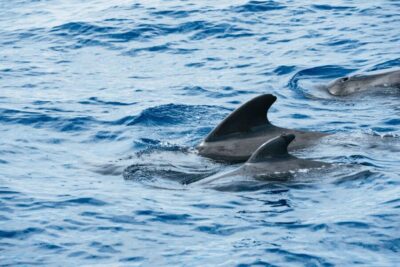
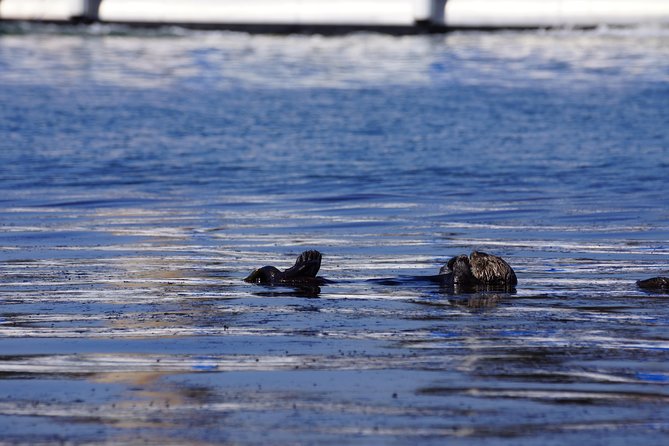
Dolphins often steal the scene too. Multiple guests talk about seeing pods of dolphins that swim alongside the boat, with some trips described as a massive number of dolphins. That doesn’t replace whales—yet dolphins can still make the cruise feel lively and memorable.
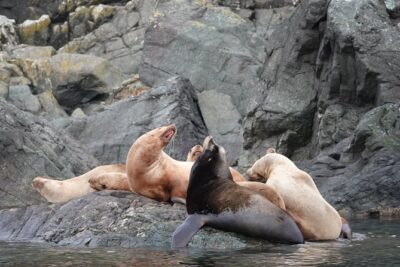
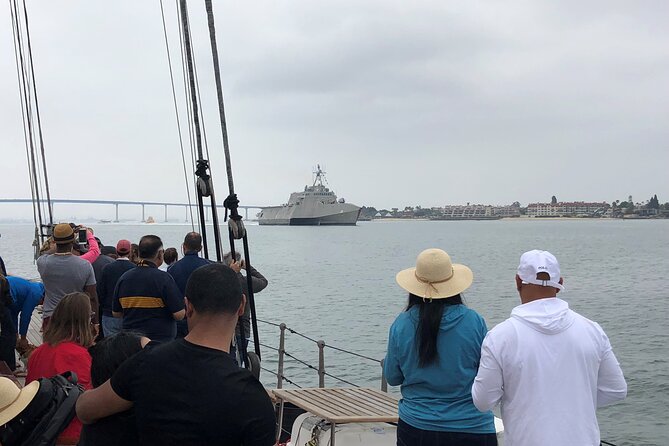
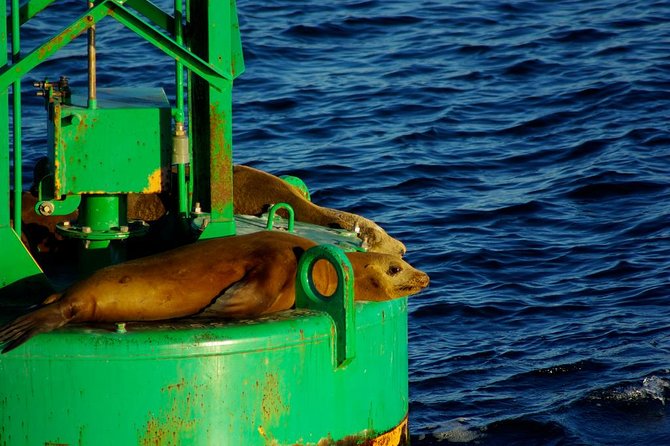
Other animals show up as well. Reviews include mentions of sea lions, seals, and even jellyfish. Birds and marine wildlife activity are part of the overall ocean scenery. And sometimes, you’ll even see the modern world mix with the natural one—reviews mention military aircraft or helicopters overhead while out on the water. That’s not a whale thing, but it does add to the sense that you’re watching the real Pacific, not a staged show.
A critical point for decision-making: sightings are not guaranteed. The cruise itself emphasizes that morning vs. afternoon doesn’t change the odds. In practice, season and day matter, and some guests report fewer whales. One review even notes that whale sightings happen about 40% of the time. The take-away: plan for the experience (scenery, guide talk, ocean life), and hope for the whales rather than counting on them.

Stop-by-Stop: The Real Shape of Your Time on the Water
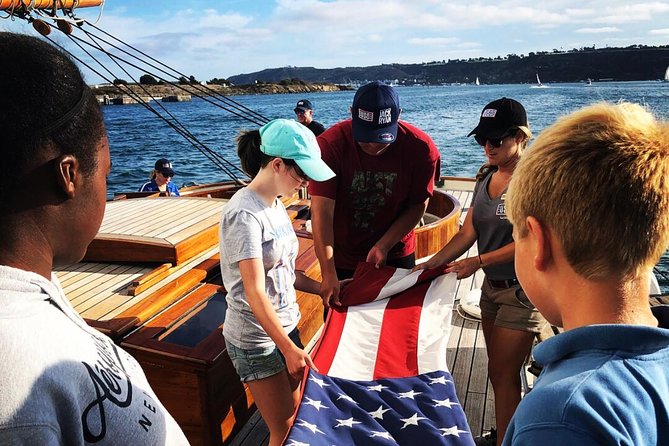
This is a straight cruise format. You don’t hop between multiple land stops. The experience is essentially one main segment in the San Diego waters where you’ll search for whales and other wildlife while the guide explains what you’re seeing.
That design has two advantages. One, you spend nearly the whole time on the water instead of traveling around. Two, it’s easier to keep your schedule intact afterward because you know your “activity block” is a single clean chunk.
The practical drawback is that you’re at sea the whole time. If you’re unlucky with animal activity, there’s no quick “Plan B” land detour. That’s why planning your comfort (layers, seasickness prep) matters as much as planning your excitement.
After the Cruise: Use the Rest of the Day Wisely
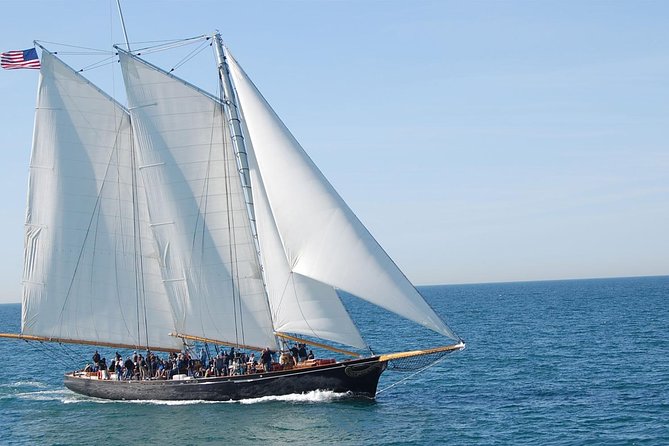
When the cruise ends, you return to the pier and the same meeting point. That’s nice because it keeps logistics simple. You don’t need to figure out a new location or transfer right away.
Since this is a half-day outing, I like using the rest of the afternoon intentionally. If you’re in beach-walking mode, you’re set up to continue the day nearby. If you prefer culture, you still have enough time to fit in something short. And if you’re hungry, you’ve already earned it—you’ll likely have worked up an appetite from the sea air.
Price, Value, and Who This Cruise Fits Best
At $54, this is priced like a mid-range wildlife outing. It can feel like good value when you think about what you receive: guided interpretation, both indoor and outdoor seating, a relatively manageable group size (max 100), and the chance to see gray whales plus dolphins and other animals.
It’s also a good fit if you like learning while you watch. A lot of whale watching is just waiting. This one adds context, including visual explanations like the baleen example, which helps you feel like you actually did something besides stare at water.
Who should book? I’d put it on the short list for:
- Wildlife lovers who want an easy, half-day outing instead of a long expedition
- Families who can enjoy ocean scenery even if whales are elusive (dolphins and sea lions often help)
- People who get value from a guide—especially if you enjoy understanding behavior and habitat, not just spotting animals
Who should be a bit cautious? If you’re the type who needs a whale sighting to feel like the trip worked, take a breath first. The chance exists, but it’s still the ocean. Go in knowing some trips may be whale-light and focus on the bigger picture: ocean life, guide talk, and a day at sea.
Should You Book This San Diego Whale Watching Cruise?
I’d book it if you want a practical half-day that combines comfort (indoor/outdoor seating), a guided explanation of the ecosystem, and real odds of seeing gray whales and plenty of other marine life. The strongest reasons to go are the organization people mention, the clean feel of the ship, the friendly crew, and the way guides help you spot animals by telling you what to look for and why it’s likely to show up when it does.
I’d think twice if your schedule is tight and you’d be disappointed by a whale-light day. And if you’re prone to motion sickness, treat the layer-and-prep advice like the main event. The ocean can be choppy, and the trip will still be enjoyable—but only if you’re comfortable enough to stay engaged.
FAQ
How long is the San Diego whale-watching cruise?
It’s about 3 hours 30 minutes.
Where does the tour meet, and does it return there?
The meeting point is 990 N Harbor Dr, San Diego, CA 92101, and the activity ends back at the same meeting point.
Do I need to choose a morning or afternoon departure?
Yes. The cruise offers both morning and afternoon departures.
Are the chances of seeing whales different in the morning versus the afternoon?
No. The information provided says the chances are exactly the same for morning or afternoon.
Is food included on the cruise?
No. Snacks and food/drinks are not included.
What seating options are available onboard?
You can choose indoor and outside seating.
What should I wear for the cruise?
Wear warm clothing and dress in layers. Wind and temperature can be unpredictable even on sunny days.
What can I do if I get seasick?
The guidance says to take medication before boarding if you’re prone to motion sickness, and wristbands for motion sickness can also help. If needed, Dramamine is reported as available to purchase onboard.
Are whales ever touched or fed during the cruise?
No. The rules say no touching, feeding, or petting the whales.
What happens if weather cancels the trip?
If canceled due to poor weather, you’ll be offered another date or a full refund. You’ll be contacted in the morning at the phone number you provided.
Can I cancel for a refund?
Yes. You can cancel up to 24 hours in advance for a full refund. If you cancel less than 24 hours before the experience starts, it isn’t refunded.