REVIEW · VANCOUVER ISLAND
Nanaimo Whale Watching in a Semi-Covered Boat
Book on Viator →Operated by Vancouver Island Whale Watch · Bookable on Viator
A windy whale day can still feel comfy.
This Nanaimo Whale Watching trip is built for comfort (covered seating, open deck views) and serious marine learning, with a guarantee of whale sightings and a full hour to watch once the action starts. I especially like that you’re not just pointed at the water; you get real-time behavior talk from a marine-biologist guide, plus extra effort from the captain using VHF radio coordination to find the best area. The main thing to consider is that the ride depends on weather, and the tour requires good conditions.
You’ll cruise the Salish Sea in the small Kula boat (12 passengers max), with a captain certified by Transport Canada and a guide with an academic marine biology background. The day also ends with a conservation talk focused on threats to BC orcas, so it feels more like understanding the ecosystem than ticking off animals. The trade-off: it’s not suitable for pregnant women, and you should have a moderate fitness level since you’ll be getting on/off and moving around on a boat.
In This Review
- Key highlights you’ll care about
- First stop: meeting at Nanaimo’s Front Street
- The boat setup: semi-covered comfort on Kula
- How the wildlife spotting actually works on the water
- Your whale time: a full hour focused on behavior
- What you might see: humpbacks, orcas, and more
- Listening like a scientist: your onboard naturalist experience
- When the water gets choppy: comfort and realistic expectations
- The wrap-up: marine conservation talk with a BC orca focus
- Price and value: $187.76 for 4 hours on a small boat
- Who this tour suits best (and who should skip it)
- Planning tips that make the day smoother
- Should you book Nanaimo Whale Watching on Kula?
- FAQ
- How long is the Nanaimo whale watching tour?
- Where do I meet the tour, and how early should I arrive?
- Is whale viewing guaranteed?
- What’s included in the price?
- What’s not included (food and parking)?
- Is the boat covered?
- What happens if the weather is poor?
Key highlights you’ll care about
- Guaranteed whale sightings (or return free): They promise whale encounters; if it doesn’t happen, you can go again for free.
- Covered seating + open deck viewing: You stay comfortable, but you still get a place to look out clearly from the back deck.
- Small-group scale (12 max): Enough personal attention to hear the guide, but not so many people that the boat feels chaotic.
- VHF radio route planning: The captain coordinates with other whale-watch operators to maximize time on active pods.
- Science-forward identification: Onboard catalogues help identify individual whales, and the data is shared with research and conservation networks.
- Conservation talk with BC orca focus: You leave with context about threats and what groups are doing about them.
First stop: meeting at Nanaimo’s Front Street
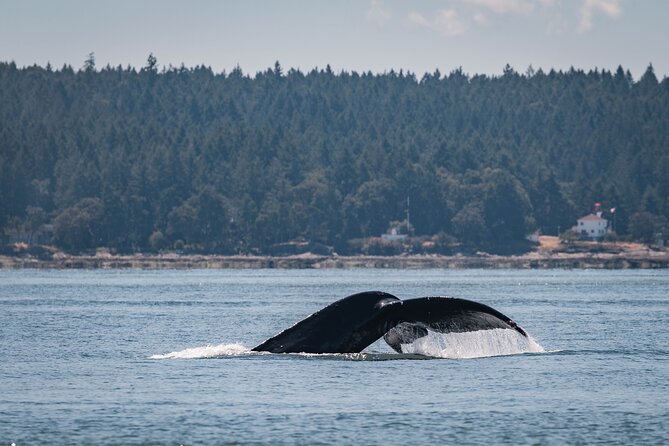
Your day starts at 90 Front St #5, Nanaimo. Plan to check in about 45 minutes before departure. That early buffer matters on a boat tour, because you’ll need time for tickets (you’ll use a mobile ticket), bathroom breaks, and getting settled before lines form and everyone starts funneling down to the vessel.
The tour runs about 4 hours total, and in summer months you typically have the choice of a morning or afternoon departure. That flexibility is handy if you’re matching the tour to ferry times, whale season energy levels, or just avoiding the busiest window.
You can also read our reviews of more tours and experiences in Vancouver Island.
The boat setup: semi-covered comfort on Kula
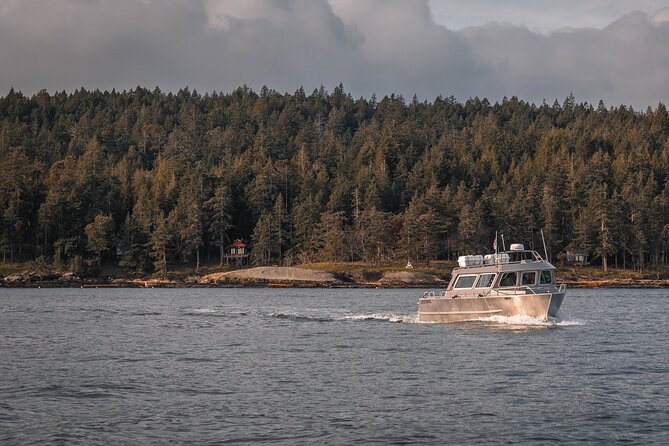
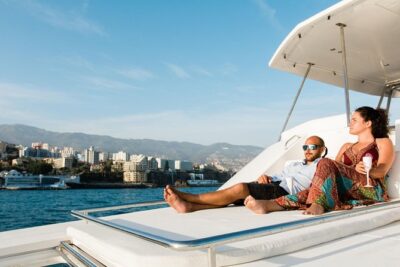
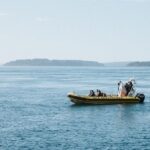
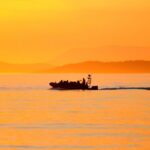
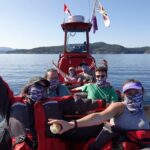
You’ll board Kula, a 12-passenger vessel. The setup is what I call practical: the main seating area is covered, with an open deck at the back for viewing. That combination is a sweet spot on the Salish Sea, where weather can change fast. If it’s bright, you still can get out for the view. If it’s breezy or drizzly, you’re not stuck drenched the whole time.
The small size also changes the vibe. With only a dozen people onboard, you’re more likely to actually hear the guide’s explanations and less likely to be elbowing for angles. It also makes it easier for the captain to reposition quickly when whales show up where they can.
Included onboard comforts help too:
- Toilets onboard
- Sunscreen available
- Binoculars available (shared, not one set per person)
How the wildlife spotting actually works on the water
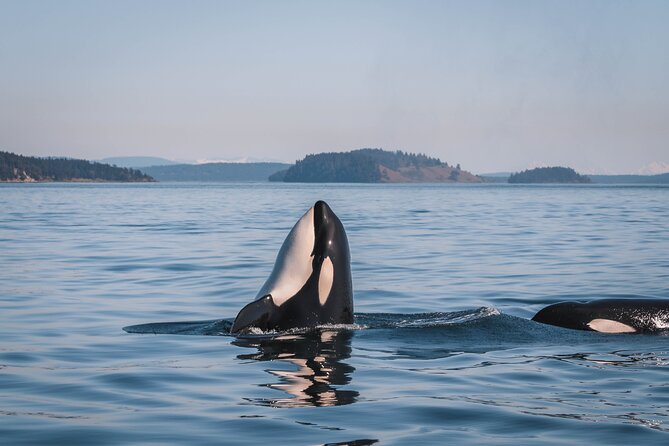
Once you’re cruising through the Salish Sea and the Gulf Islands archipelago, the tour shifts from sightseeing to active searching. You’ll get a quick introduction to the ecosystem and wildlife, including how different whales use this part of the water and where they fit in the marine food web.
Here’s the part that makes a difference: your captain stays in touch with other whale watching companies using VHF radio. That means they’re not just following a generic route. They can plan a route that maximizes the area covered between vessels—basically, they’re working the same intel loop as other boats, then aiming to give you the best chance at real encounters.
Your whale time: a full hour focused on behavior
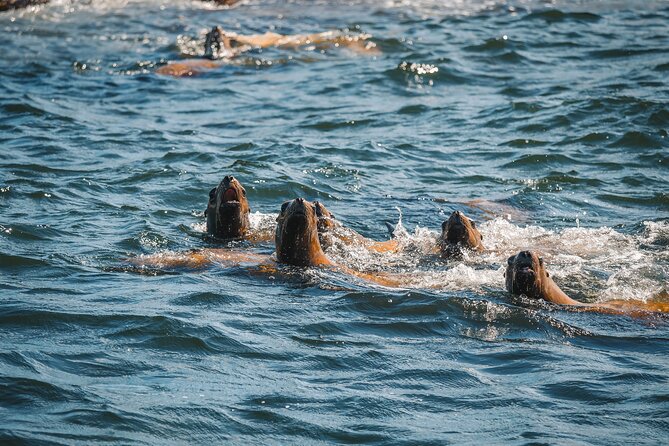
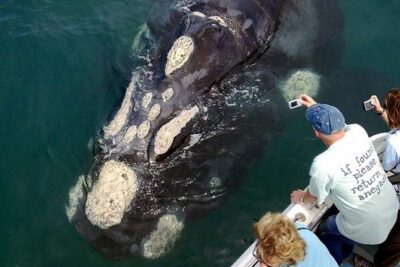
When the sightings happen, the goal is not a quick fly-by and goodbye. You’ll spend a full hour viewing whales, with ongoing, real-time insight from the marine naturalist.
The guide uses onboard catalogues to help identify whales as individuals. That matters because whales aren’t just “big animals in the distance.” When you learn who’s who—especially orcas and other well-studied populations—it turns the experience from random luck into something closer to tracking a living community.
The identification effort is backed by data sharing. The information collected during the season is sent to:
- Centre for Whale Research
- Keta Coastal Conservation
- BC Cetacean Sightings Network
That’s a big deal for anyone who wants their money to support conservation and research, not just entertainment.
What you might see: humpbacks, orcas, and more
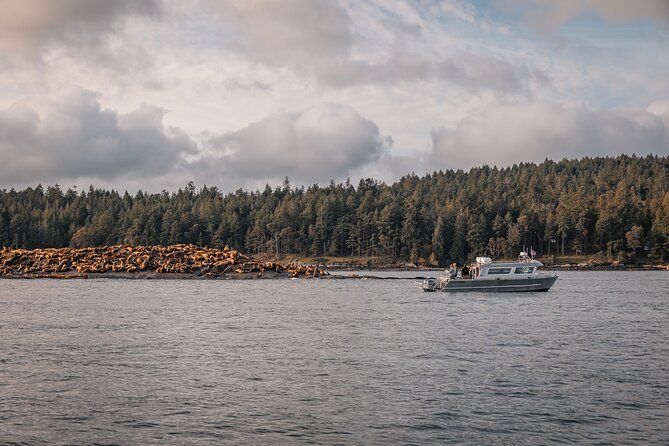
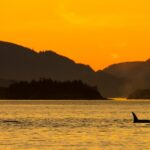
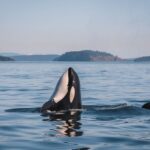
Whale watching on Vancouver Island can be a mixed bag on any given day, but this specific trip emphasizes a high-odds outcome. The tour guarantees whale sightings, and if you don’t get them, you’re offered a free return.
From actual experiences described for the tour, I’d expect plenty of variety. People have reported:
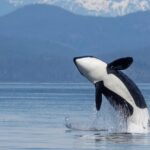
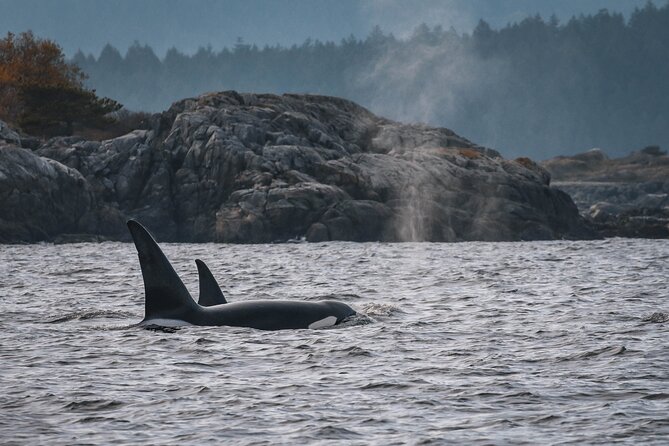
- Orcas in multiple pods, with detailed notes about behavior
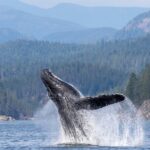
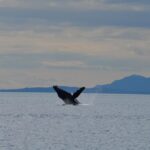
- Humpback whales showing up with multiple encounters
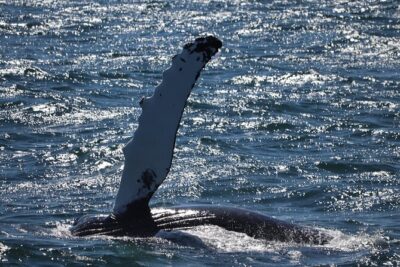
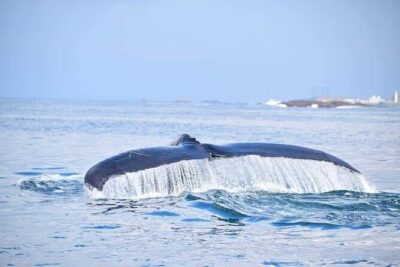
- The occasional grey whale, including a tail flip
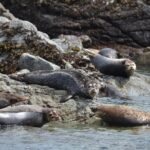
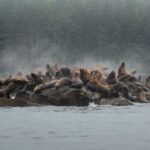
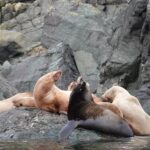
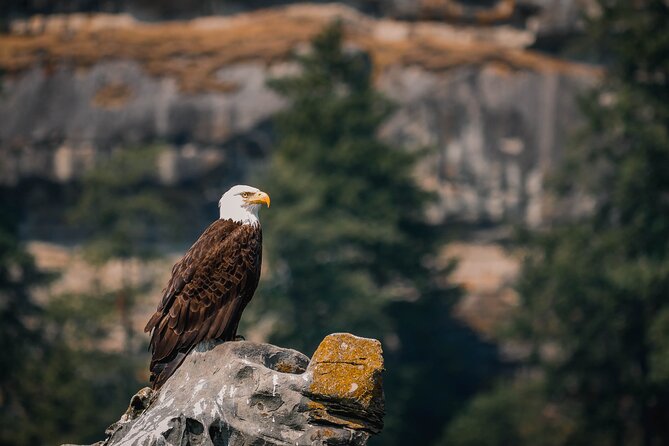
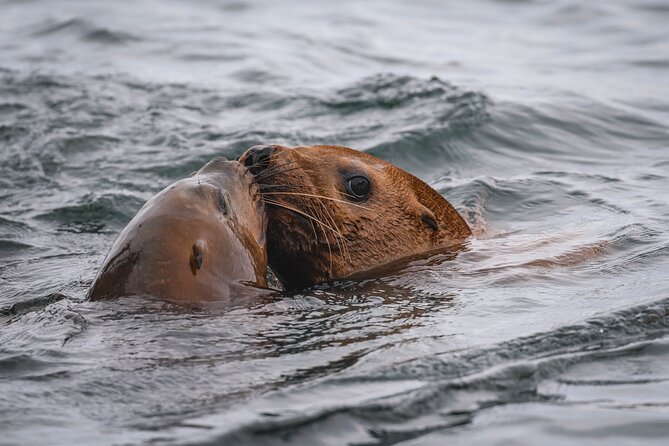
- Sea lions, harbour seals, porpoise, and birds in the mix
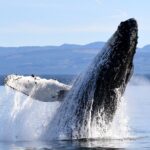
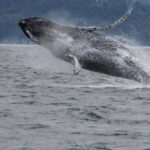
- Even moments like a breach (the kind of event that makes your brain short-circuit for a second)
Also pay attention to the way the guides talk about what you’re seeing. The best moments often come when you understand why whales move the way they do—feeding behavior, social movement, or what they’re likely responding to in the water.
Listening like a scientist: your onboard naturalist experience
This isn’t just “here’s a whale, enjoy.” You’ll get explanations about:
- Whale natural history and the roles whales play in the food web
- What specific behaviors could mean in the moment
- How individual whales are recognized using catalogues
In the field, that kind of narration matters. When you know what to watch for, you stop scanning randomly and start noticing patterns: surfacing rhythm, direction changes, pod coordination, and feeding cues.
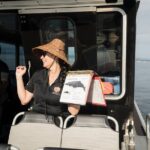
And yes, the staff names matter here because it tells you how personal the experience can feel. People specifically praised guides and captains like Ali/Aly and Rebeka, plus skipper Rodrigo for expertise and excellent handling when the water got rough.
One practical bonus from the experience reports: some guests noted that the guide helped with photography and provided digital shots after the trip. You don’t need to be a pro to come home with better images—if your guide is on that “capture the moment” plan.
When the water gets choppy: comfort and realistic expectations
Even on good-weather days, the Salish Sea can kick up. Some experiences described slightly choppy waters or a stormy-type day. The key takeaway for your expectations is simple: you may feel the boat, but the captain can usually manage it well enough to keep things comfortable and safe.
This is also where the semi-covered design earns its keep. Even if conditions aren’t perfect, the covered seating helps you stay in the trip instead of hiding from the weather.
The wrap-up: marine conservation talk with a BC orca focus
After the whale time, you’ll finish with an educational talk on marine conservation. The focus is on threats to BC orcas and the conservation initiatives being used to protect them.
That ending changes how you remember the day. You’re not left only with animal footage. You leave with a sense of what threatens these populations and why research, monitoring, and responsible viewing practices matter.
Given how the tour already connects whale identification to real networks, this conservation talk feels like the final link in the chain: from animal behavior to human impact to action.
Price and value: $187.76 for 4 hours on a small boat
At $187.76 per person for about 4 hours, this is not a budget whale cruise. But it’s also not priced like a private charter. So you should judge value by what you get, not just the number.
Here’s the value math that makes sense:
- Guaranteed whale sightings with a free return if you don’t see whales
- A 12-passenger vessel (not a big cattle-boat experience)
- A guide with an academic marine biology background
- A captain certified by Transport Canada
- Real-time coordination with other whale-watch operators using VHF
- Built-in science: whale identification catalogues and data sharing with research/conservation groups
- Comfort extras: toilets, sunscreen, and binoculars onboard
A few costs to remember:
- Parking is not included (around $5–7 CAD for the day).
- Lunch is not included.
- Transportation to and from the office isn’t included.
If you’re the kind of traveler who wants more than a distant view—if you care about behavior, identification, and how whales connect to the broader ecosystem—this price can feel fair.
Who this tour suits best (and who should skip it)
This tour is a great fit if you:
- Want a small-group experience with real interpretation, not just narration
- Care about orcas and other whales in the Salish Sea specifically
- Like the idea of conservation learning tied to real research networks
- Prefer a boat with covered seating so comfort stays high even if the day turns
It’s likely not a good fit if:
- You’re pregnant, since the tour states it isn’t suitable
- You need a fully accessible, low-movement outing, because it calls for moderate physical fitness
Planning tips that make the day smoother
A few practical things I’d keep in mind before you go:
- Arrive early for check-in. The tour starts with a group process at the office, and you’ll be boarding after.
- Dress for changeable water conditions. The boat is semi-covered, but you’ll still spend time on an open deck area at the back.
- Bring your appetite strategy. Lunch isn’t included, so plan food timing before and after.
- Don’t assume parking is free. Budget a little for it if you drive.
- If you’re a photo person, pay attention when the guide explains spotting cues—those moments often help you get better shots fast.
Should you book Nanaimo Whale Watching on Kula?
Book it if you want the best blend of comfort, high odds, and real marine interpretation. The guarantee of whale sightings, the full hour viewing window, and the science-backed identification and data sharing make this feel like more than a casual cruise.
Skip or reconsider if weather sensitivity is a big deal for you. The experience is subject to favorable weather conditions, and you’ll be dealing with a boat ride no matter what.
If you’re in Nanaimo and you want a true “Salish Sea day” that teaches you what you’re seeing—and gives you a strong chance to see whales—this is a solid choice.
FAQ
How long is the Nanaimo whale watching tour?
It runs for about 4 hours.
Where do I meet the tour, and how early should I arrive?
Meet at 90 Front St #5, Nanaimo and check in about 45 minutes before departure.
Is whale viewing guaranteed?
Yes. The tour guarantees whale sightings. If you don’t see whales, you’ll be able to return for free.
What’s included in the price?
You get a professional guide with an academic marine biology background, a Transport Canada-certified captain, toilets onboard, sunscreen available, and binoculars onboard (shared).
What’s not included (food and parking)?
Lunch is not included, and parking is also not included (around $5–7 CAD for the day).
Is the boat covered?
The seating area is covered, and there’s an open deck on the back for viewing.
What happens if the weather is poor?
The tour requires good weather. If it’s canceled due to poor weather, you’ll be offered an alternative date or a full refund.