REVIEW · SRI LANKA
Whale & Dolphin Watching Tour in Trincomalee | Scenic Boat Ride
Book on Viator →Operated by Pigeon Island Tours · Bookable on Viator
Some trips are about getting out on the water. This one is about whales and dolphins off Trincomalee, with a short ride to the search area and real time chances to see big marine life.
I like that the odds are clearly explained up front: dolphin sightings are very likely, while whale sightings are less common. I also like the small-group feel (with tours sized up to 14 people, and some options even smaller) because it keeps your time on the water focused. The main drawback is that a language gap can happen, and on some days the tour may not run exactly as long as expected, so stay flexible.
In This Review
- Key Highlights You’ll Care About
- Whale Watching Off Trincomalee: Why This Spot Works
- The 3-Hour Cruise Plan From Nilaveli: What Actually Happens
- Where the Boat Goes: The 6–8 Nautical Mile Search Area
- What You’re Likely to See: Dolphins Are the Main Event
- Group Size and Tour Style: Small Groups Help You Focus
- The Guide and Language Factor: What to Plan For
- What’s Included for $30: Simple, Practical Value
- Price vs Value: Is $30 a Good Deal Here?
- Season Timing: When You Should Chase Whales in Sri Lanka
- Weather and Sea Conditions: The One Thing That Can Change the Day
- Quick Practical Tips Before You Go
- Should You Book This Whale and Dolphin Tour?
- FAQ
- How long is the whale and dolphin watching tour from Trincomalee?
- Where do I meet for the tour?
- Does the tour include hotel pick-up and drop-off?
- What’s included in the $30 ticket price?
- What animals might you see on this cruise?
- How big are the groups?
Key Highlights You’ll Care About
- High chance for dolphins (spinner dolphins are the most regular sighting)
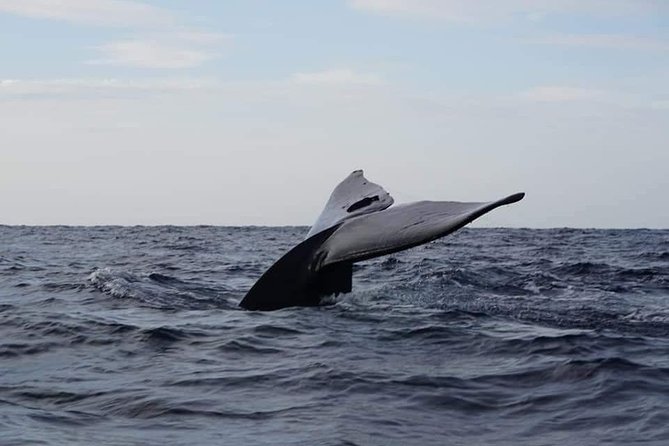
- Whales up to 6–8 nautical miles east of Trincomalee, about 30 minutes by boat
- Small groups (max 14), with some private and very small-group options
- Safety jacket and bottled water included for the 3-hour experience
- Good weather matters since the tour depends on conditions at sea
- Two duration options: 3-hour cruises and full-day cruises
Whale Watching Off Trincomalee: Why This Spot Works
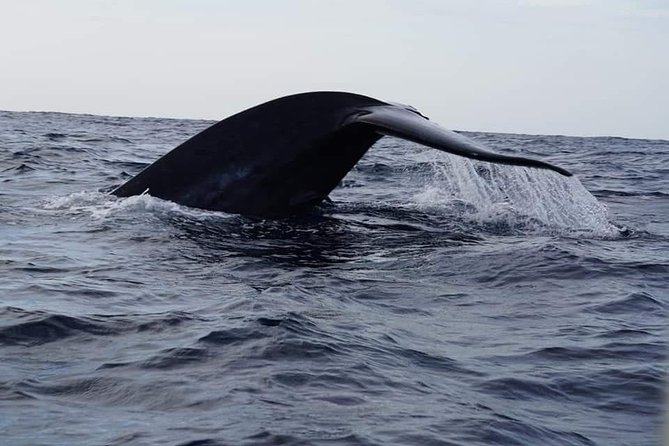
Trincomalee is building a reputation fast for a reason. The waters east of the city are part of the routes whales use as they move around Sri Lanka. In particular, blue whales (and smaller numbers of sperm whales) can show up around the same general area off Trincomalee, with dolphin sightings happening more regularly.
Here’s the part that matters for your expectations: this isn’t a once-a-year lottery. Sightings are most frequent between March/April and August/September, but the bigger idea is that Sri Lanka can offer lots of months of whale and dolphin watching each year as animals shift their positions along the coast. Practically, it means you may not need to time your trip to a single perfect week to have a good day at sea.
The company running the tour also frames the experience around effort every day. They aim to find whales or dolphins on each outing, but they’re honest that some days can be a miss even with their best work. That balance—hope plus realism—is worth its weight in sea air.
You can also read our reviews of more tours and experiences in Sri Lanka.
The 3-Hour Cruise Plan From Nilaveli: What Actually Happens
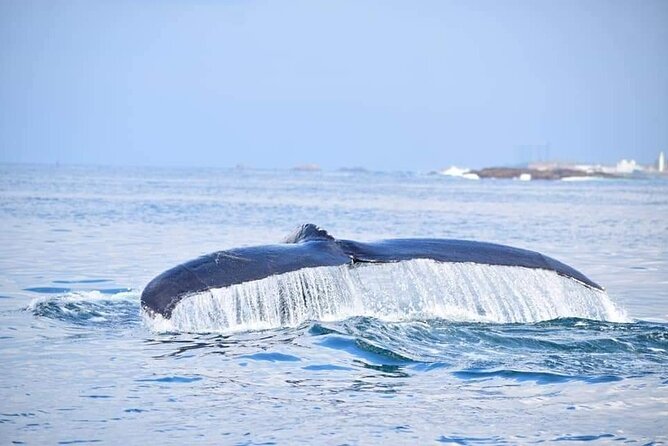
This experience typically runs about 3 hours. You start at the meeting point at Pigeon Island Tours in Gopalapuram, Nilaveli (at the stated address near public transportation), and the activity ends back at the meeting point.
From there, the focus is simple: get out far enough to where sightings are most likely, then spend your time scanning the water. The search area is described as roughly 6 to 8 nautical miles east of Trincomalee, which is about 30 minutes by boat. That matters because it tells you how much of your time you’ll likely spend moving versus actually looking. If you’re sensitive about getting time on the water that feels like more than just transit, this distance and timing are reassuring.
You’ll be on the water for active looking, not a “quick photo stop” setup. The tour structure is designed so that when sightings are present, you’re in the right part of the sea with enough time to spot and enjoy what comes up.
One important practical note: the experience description and what you’re told at booking point you to a 3-hour duration, but there have been cases where the actual outing felt shorter than advertised. So if timing is tight for your day, you’ll want to confirm the exact schedule when you receive your booking details.
Where the Boat Goes: The 6–8 Nautical Mile Search Area
The most useful detail in the whole pitch is the search distance. Most of the whale activity being targeted is described as being about 6 to 8 nautical miles east of Trincomalee. In plain terms: you don’t just cruise near the shore and hope.
That’s why the tour includes a short ride out—about 30 minutes—before you settle into the scanning part. It’s the difference between seeing wildlife by luck and seeing wildlife because you’re in the right zone.
For dolphins, the tour notes that spinner dolphins are the main regular sighting. For whales, it highlights blue whales, with smaller numbers of sperm whales possible. The mix is what you should keep in mind if you’re deciding whether the cruise is worth it for you: if your priority is dolphins, your odds are better than if your priority is whales, which are still possible but not as frequent.
What You’re Likely to See: Dolphins Are the Main Event
Let’s translate the odds. The tour information gives a pretty clear expectation:
- About a 90% chance for dolphins
- About a 50% chance for whales
- Sighting locations are tied to that east-of-Trincomalee zone
So if you care most about leaving with at least one clear wildlife memory, you’re aiming at the strongest target first: dolphins—especially spinner dolphins. And the reviews support the “dolphins happen” side of the story, even when people felt the total value was high or low for other reasons.
For whales, you’re signing up for a bigger-ticket moment that’s less guaranteed. Blue whales are the star. Sperm whales are possible. Some days, conditions and animal movement can keep whales away even when everyone does what they can.
In other words: I’d think of this as a dolphins-first experience with whale potential, rather than a guaranteed whale sighting tour.
Group Size and Tour Style: Small Groups Help You Focus
One detail I really like here is the emphasis on small-group or private options. The general maximum is 14 travelers, and some tours are described as small-group tours of just six people. That size range can change the feel of the trip.
With fewer people, your viewing experience stays calmer. You’re more likely to keep your bearings while spotting spouts and movements on the surface. And if you end up talking with your guide or asking questions on the fly, smaller groups make it easier for everyone to actually hear what’s going on.
There’s also an advantage to private tours or smaller groups if you’re traveling with family and want a more controlled pace. Even if you aren’t getting a private boat, the tour style is built to keep things from turning into a crowded cattle-boat situation.
The Guide and Language Factor: What to Plan For
A recurring concern that comes up is that the guide may have zero English. That matters because this is a spotting tour, not a museum audio tour. If you can’t easily communicate, you lose some of the context—what you’re seeing, why it’s happening there, and what to watch for.
This doesn’t automatically ruin the day, because wildlife doesn’t require translation. But it can reduce your understanding and make the trip feel more like silent scanning than a narrated experience. My advice: keep your expectations anchored on the animals, not the commentary. If you want more explanation, you might benefit from doing a bit of reading beforehand on blue whales, sperm whales, and spinner dolphins so you recognize what you’re looking at even if language is limited.
What’s Included for $30: Simple, Practical Value
The base price is $30 per person, and the experience includes:
- Safety jacket
- Bottled water
That’s a clear, no-drama set of inclusions for a 3-hour boat outing. The big upside here is that you don’t have to hunt down essentials before you go. Safety gear and water are handled, which makes it easier to stay focused on the main event.
There are also options where additional items may be included on some tours, such as food, beverages, and transfers. The key word is “on some tours,” which means you should check what’s packaged with your specific booking. If you’re comparing this to other wildlife tours nearby, the base $30 being straightforward is a plus—then you can decide whether you want to pay extra for convenience like hotel transfer.
Price vs Value: Is $30 a Good Deal Here?
At $30 for a roughly 3-hour outing, value comes down to your priorities and your month.
You get:
- a targeted search zone offshore,
- the chance of dolphins that are described as very likely,
- and the possibility of whales that are less frequent.
If your goal is dolphins, $30 can feel very fair, especially because dolphin sightings are expected far more often than whale sightings. If your goal is blue whales specifically, you’re paying for access to a strong area but not a guarantee. In that case, $30 still might be a smart bet if you have flexibility, because the alternative is spending time on tours that don’t give you clear odds or don’t travel far enough from shore.
Also, this tour gets booked ahead on average (around 43 days). That tells me demand is real. When a tour has steady demand, it often means people find it workable. But popularity doesn’t remove the need to check your actual schedule and what’s included.
Season Timing: When You Should Chase Whales in Sri Lanka
The tour information ties whale and dolphin activity to seasonal movement:
- Most sightings happen between March/April and August/September
- Blue whales mainly congregate on the south coast from December to April
- Whales continue migrating around the island, creating shifting opportunities along the coast
For you, that means planning becomes a lot easier. If you’re traveling during the March/April through August/September window, this is exactly the kind of tour that can deliver memorable sightings without needing perfect timing down to the day. Outside those months, you might still see dolphins and whales, but your odds can change.
Since the tour is dependent on animals and weather, you should treat this as a “go and hope, but with a strong plan” activity. The plan here is geographic and seasonal, not random.
Weather and Sea Conditions: The One Thing That Can Change the Day
This is a water-based experience, so good weather is required. If conditions are poor, the tour can be canceled and you’ll be offered another date or a full refund. That’s exactly what you want to hear—clear stakes up front.
Because it’s weather-dependent, I’d avoid booking other must-do activities right in the middle of your planned window. Keep that day lighter so you can roll with a date change if the sea decides otherwise.
Quick Practical Tips Before You Go
This part isn’t about guesswork. It’s about aligning your day with what the tour says it provides.
- Confirm whether you have hotel transfer included or if you’ll need to arrange it for an additional charge.
- Double-check the duration you’ll actually get for your specific booking, since there are reports of timing not matching the expected 3-hour window.
- Expect that the guide may not speak much English, and plan to focus on spotting rather than explanations.
- Bring your patience for wildlife. Even with a strong targeted search area, some days won’t produce dolphins or whales.
Should You Book This Whale and Dolphin Tour?
I’d book this if:
- you’re visiting around the strong seasons (roughly March/April to August/September),
- dolphins are a top priority,
- you want a straightforward, offshore boat outing from Nilaveli,
- and you’re okay with a guide who might not be fluent in English.
I might skip or choose differently if:
- you’re expecting a guided lecture level experience in English,
- you’re hard-scheduled and can’t deal with a possible shorter-than-expected outing,
- or whales are the only acceptable outcome. For whales, the odds are good but not guaranteed.
If you want a realistic, dolphins-forward shot at marine wildlife from Trincomalee waters, this tour fits the bill—especially at the $30 price point with basic inclusions like safety jackets and bottled water.
FAQ
How long is the whale and dolphin watching tour from Trincomalee?
The standard option is about 3 hours. There is also an alternative full-day cruise option.
Where do I meet for the tour?
You meet at Pigeon Island Tours in Gopalapuram, Nilaveli, at the listed address near public transportation. The tour ends back at the meeting point.
Does the tour include hotel pick-up and drop-off?
Hotel pick-up and drop-off are not included by default, but they can be arranged for an additional charge upon request. Some tour options include transfers.
What’s included in the $30 ticket price?
The tour includes a safety jacket and bottled water. Some tours may include food, beverages, and additional items depending on the option you choose.
What animals might you see on this cruise?
You’re looking for blue whales and sperm whales, plus spinner dolphins.
How big are the groups?
The activity is capped at a maximum of 14 travelers. Some private and small-group tours are available, including options described as having just six people.