REVIEW · VANCOUVER ISLAND
Campbell River, BC: 6 Hour Whale Watching Tour w/ Lunch Included
Book on Viator →Operated by Eagle Eye Adventures · Bookable on Viator
Whales are big, but the setup is smarter. This 6-hour whale hunt out of Campbell River pairs serious wildlife time with a small-group feel, so you’re not just herded around. You also get lunch on the water with tea, coffee, and bottled water, which means you keep your day flowing instead of losing hours to a separate meal stop.
I like the way this tour balances speed and respect. Captains such as Andreas, Benji, and Nova are focused on finding animals while keeping a safe viewing distance, including policies meant to reduce stress for seals and sea life. One possible drawback: the outing needs good weather, so if conditions are rough, you’ll be looking at a different date (or a refund), not a reroute fantasy.
In This Review
- Quick take: what makes this Campbell River tour work
- Campbell River is the starting line for whale country
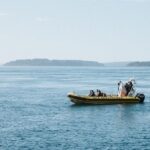
- Boat choice: open RIB speed vs covered comfort
- The 6-hour whale run: what happens after you meet
- What you can look for (and why you may see more than whales)
- A practical tip: ask your guide what to watch for
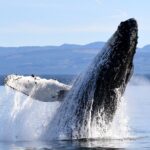
- Orcas, humpbacks, and the long look that makes it worth 6 hours
- Lunch on the water: fuel that doesn’t steal your best light
- Safety and wildlife respect: the rules you’ll feel on the ride
- Practical tips so your whale day goes smoothly
- Price and value: what you’re paying for at $234.19
- Who should book this Campbell River whale watching tour
- Should you book it?
- FAQ
- What’s included in the Campbell River whale watching tour lunch?
- How long is the tour, and where does it start and end?
- What wildlife might I see on this whale watching outing?
- Is the group size small?
- Is the tour guaranteed to find whales?
- What happens if weather is poor?
Quick take: what makes this Campbell River tour work
- Small group (max 11) so you get real time with your guide and captain
- Thick all-in-one gear for cold, open-water wind (when needed)
- Safety-first viewing with clear guidance on how close boats should get
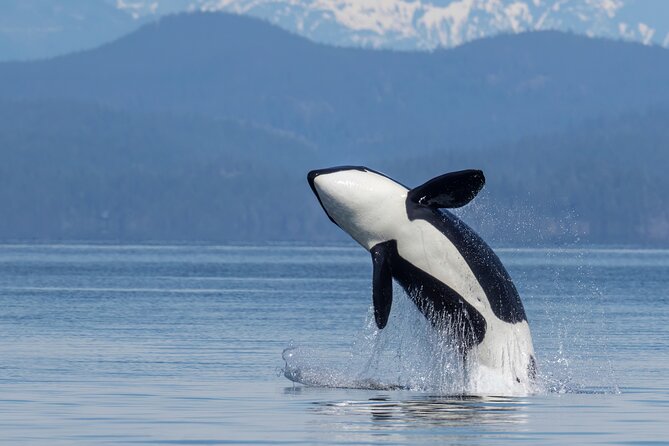
- Multiple whale types possible including orcas and humpbacks, plus dolphins, porpoises, and more
- Lunch built into the day with hot and cold drink options and snacks
- Boat options (covered or rigid-inflatable) that can change the feel of your ride
Campbell River is the starting line for whale country
Campbell River sits in a sweet spot for marine wildlife in Vancouver Island’s waters. The big advantage of choosing this area (instead of squeezing your day into a long day-trip) is that you can spend more of your time on the water watching, not just driving and waiting.
This tour keeps things simple: you meet at 1003d Island Hwy, Campbell River and head out from there. The whole run is designed around scanning for animals, then positioning the boat so you can actually see what your eyes are looking for. It’s a half-day by the clock, but it doesn’t feel rushed because the focus stays on wildlife spotting rather than switching activities every hour.
You can also read our reviews of more tours and experiences in Vancouver Island.
Boat choice: open RIB speed vs covered comfort
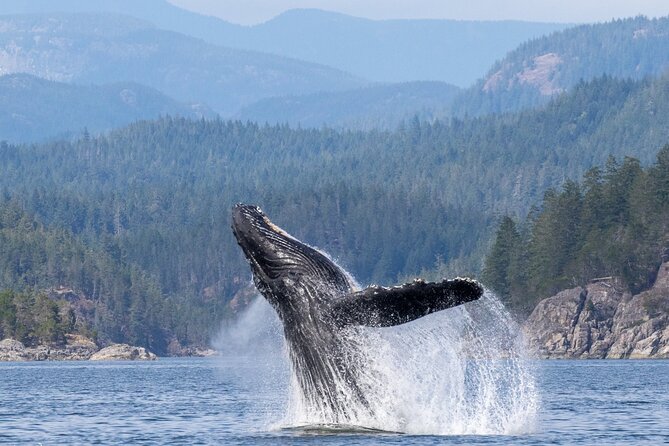
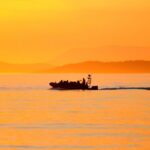
You’ll often see two different “styles” of boats offered at different price points: covered boats and rigid-inflatable boats (RIBs). Both can be fast and exciting, but they change how the day feels.
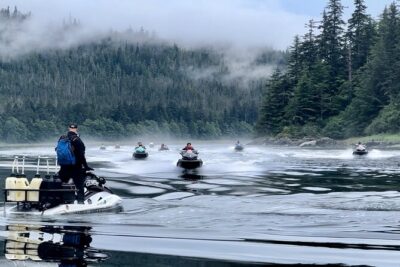
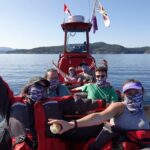
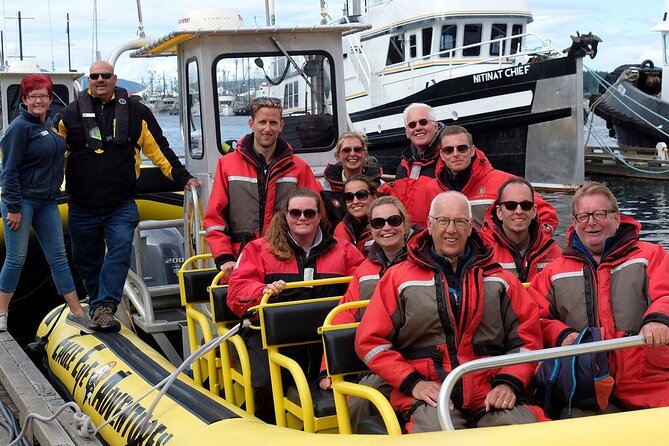
- If you choose an open RIB, you’ll feel the speed more, and you’ll want gear for wind chill. In one trip, the crew handed out thick all-in-one suits, which made a big difference once you’re out in open water.
- If you choose a covered option, you still get the thrill of being out on the water, but you can feel less of the direct blast of cold wind.
Either way, this kind of whale watching lives and dies by being able to move quickly when sightings happen. The ride style just affects whether you’ll be counting minutes waiting for your nose to unfreeze.
The 6-hour whale run: what happens after you meet
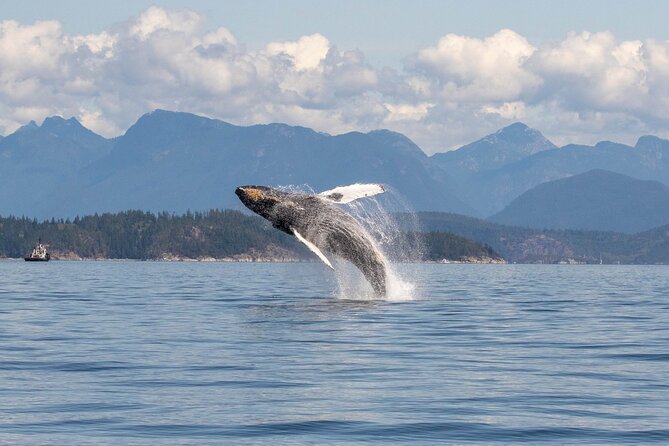
After you arrive, you’ll get kitted for the conditions (if needed) and go through a safety talk. I love that this tour treats safety as more than a formality. Captains like Andreas have explained how they set the day up, including wildlife-first rules—like not maneuvering too close to animals such as seals to avoid stressing them.
Then comes the real work: scanning and searching. On past days, guides have navigated through island-and-archipelago areas northward to reach strong viewing zones. That matters because whales aren’t parked in one place waiting for you—they move with food, currents, and other wildlife activity.
What you can look for (and why you may see more than whales)
This tour’s wildlife focus is whales, but the search rarely stops at one target. You’re also in the zone for:
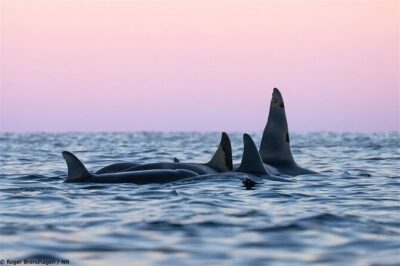
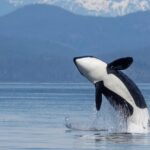
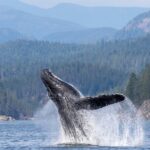
- Orcas and humpbacks (often the headline sightings)
- Gray whales and minke whales (listed among possible sightings)
- Pacific white-sided dolphins and porpoises
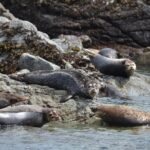
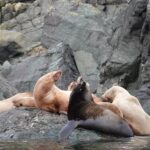
- Seals and sea lions
- Bears along the shoreline (possible, depending on what’s active)
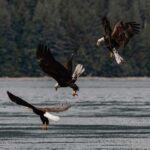
If you’re the type who likes variety, this is a good fit because your eyes keep switching between surface action, bird life, and marine mammals. Past trips have also mentioned birds like bald eagles, plus rare-seeming moments such as a sea otter showing up at the right time.
A practical tip: ask your guide what to watch for
The best days aren’t just about finding animals. They’re about knowing what you’re looking at once you spot them.
When your guide sets the next position, use that moment to ask focused questions. I’d ask:
- How do they tell one whale species from another at a distance?
- What behavior should I look for if I’m hoping for longer surfacing times?
- How do they decide when to stay and when to move?
Guides such as Benji and Nova have been praised for the way they combine local area know-how with animal explanations. Even if the whales are far off, better “reading of the water” helps you feel like you’re part of the spotting, not just along for the ride.
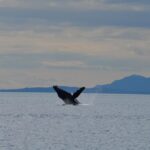
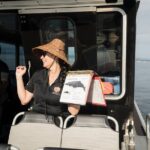
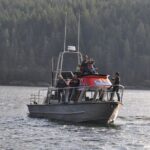
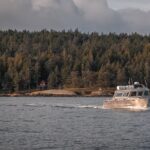
Orcas, humpbacks, and the long look that makes it worth 6 hours
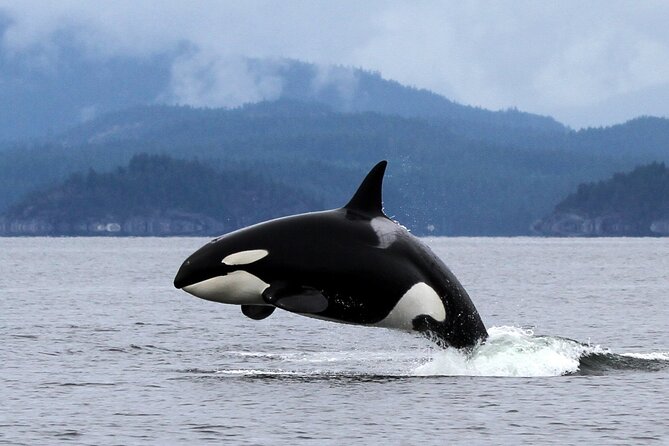
The length matters. A shorter tour often means a quick drive-by view, then back to port. A 6-hour tour gives the crew enough time to:
1) search actively,
2) position properly once they find something, and
3) let you watch longer than a few seconds at a time.
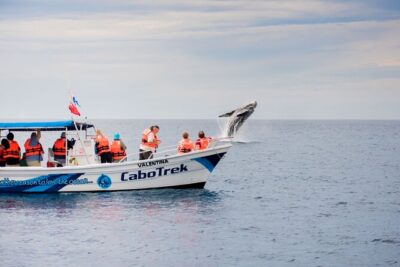
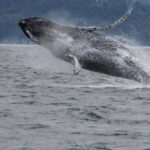
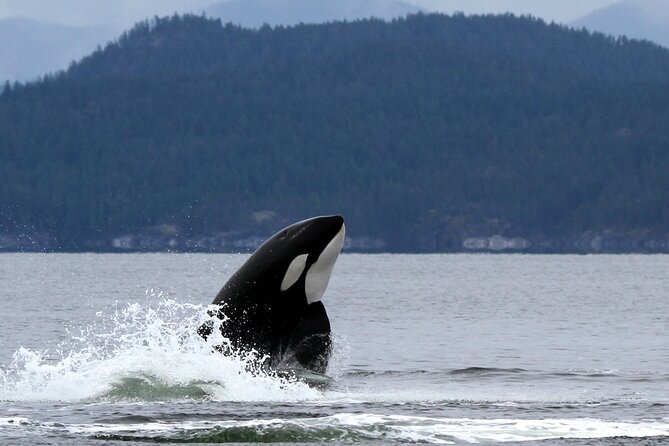
On strong days, the wildlife time can stack up. One family had multiple whale encounters, including orcas and repeated humpback sightings across a long stretch of the day. Another highlight described a full pod encounter, where the boat stayed set up in the best viewing spot long enough to make it feel real.
Even when you don’t get the exact “all the whales” day, the value is that you’re not constantly moving. You’re watching. And you’re getting explanations while you watch, which turns random sightings into something you can actually remember.
Lunch on the water: fuel that doesn’t steal your best light
This tour includes lunch, plus tea, coffee, and bottled water. That’s a big deal. When lunch is added as an afterthought, you usually lose prime spotting time. Here, lunch is integrated into the day, so your focus stays on the water.
In past days, lunch has been described as a packed meal that included sandwiches, cookies, fresh fruit juice, chocolates, and both hot and cold drink options. There’s also been a gluten-free lunch option provided when requested.
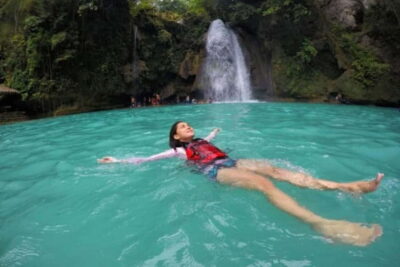
One of my favorite details from the way people describe lunch: it’s not eaten while you’re still racing across open water. It’s typically at a spot where the crew can pause the day long enough for a real break—sometimes with a pretty dramatic setting like the mention of lunch enjoyed near a cascading waterfall.
So yes, you get fed. But more importantly, lunch doesn’t feel like the tour’s “downtime tax.”
Safety and wildlife respect: the rules you’ll feel on the ride
Whale watching gets better when the crew has a clear wildlife-respect policy. On this tour, that shows up in how they talk about approach distances and how they coordinate with other boats.
One rider described a policy where the crew would flag other nearby boats to slow down when approaching animals. That kind of coordination helps reduce chaos around wildlife, and it tends to improve what you see because the viewing stays controlled.
If you’re hoping for close, thrilling viewing, here’s the trade-off: this tour prioritizes wildlife welfare, which means the crew won’t treat the animals like rides at a theme park. I actually like this. It makes the encounters feel more meaningful, and it’s consistent with long-term conservation behavior: fewer aggressive maneuvers, calmer waters around the animals, and a better chance the whales keep doing their whale things in front of you.
Practical tips so your whale day goes smoothly
If you’re going to spend hours on open water looking up, prep matters. Based on what people have actually found useful:
- Bring layers. Even when it looks sunny, wind can turn cool fast once the boat is moving.
- Use the provided gear. Thick all-in-one suits have been mentioned as a smart help on breezy days.
- Wear a hat and something for your hands. It’s not about fashion; it’s about keeping your attention on the water, not on discomfort.
- Ask how they handle repositioning. If you know you’ll move when whales surface, you’ll be less frustrated and more ready when the captain calls it.
- Keep your camera strap secure. When you spot something, you’ll want both hands ready—especially on faster boat days.
Also, remember that seeing whales isn’t something anyone can lock in. The goal is to maximize your odds with time, search patterns, and experienced positioning. The good news is that this tour’s format is built for exactly that.
Price and value: what you’re paying for at $234.19
At $234.19 per person for about 6 hours, this isn’t a budget outing. But it’s also not just “sit and hope.” Here’s where your money goes:
- Time on the water: six hours is long enough to search and then watch properly.
- Small group size (max 11): more attention from the guide and captain.
- Lunch included: saves you the hassle of finding food near the marina.
- Boat options: covered or open choices can fit how you want to feel during the ride.
- Safety-first and wildlife-respect operating style: the crew makes decisions that affect how the animals are handled around boats.
One more value point: when you get a captain who’s local and tuned into timings, you typically benefit from better positioning and smarter pacing. That’s the kind of value you don’t notice until you compare a rushed day to a watchful one.
Who should book this Campbell River whale watching tour
This is a strong match if you want:
- a main whale day that’s long enough to feel like a real hunt, not a quick glance
- a small-group vibe with time for questions
- a tour where lunch is handled so you can stay focused
It can be a good family choice too. On at least one trip, the outing was described as suitable for kids, with the boat ride feeling exciting while still run in a structured, safety-aware way.
It may be less ideal if you’re the kind of person who dislikes cold wind exposure or hates the idea that weather can change your plans.
Should you book it?
I’d book this if you’re coming to Vancouver Island specifically for whales and you want your day structured around seeing wildlife, not just “being on a boat.” The combination of 6 hours, small group limits, and lunch included is the sweet spot. Add a crew that treats wildlife respect as part of the job, and you’re set up for a day that feels focused and memorable.
I’d hold off or plan for flexibility if you know you struggle with rough-weather cancellations. The tour needs good weather, so keep your schedule loose enough to accept a different date if the forecast doesn’t cooperate.
FAQ
What’s included in the Campbell River whale watching tour lunch?
Lunch is included, along with tea, coffee, and bottled water.
How long is the tour, and where does it start and end?
The tour is about 6 hours. It starts at 1003d Island Hwy, Campbell River, BC V9W 8C7 and ends back at the meeting point.
What wildlife might I see on this whale watching outing?
You can have a chance to see orcas, humpbacks, gray whales, minke whales, Pacific white-sided dolphins, porpoises, seals, sea lions, and even bears along the shoreline.
Is the group size small?
Yes. This activity has a maximum of 11 travelers.
Is the tour guaranteed to find whales?
No wildlife encounters are never guaranteed. This is a spotting tour, and the team works to maximize sightings, but conditions and animal behavior still control what you see.
What happens if weather is poor?
This experience requires good weather. If it’s canceled due to poor weather, you’ll be offered a different date or a full refund.