REVIEW · VANCOUVER ISLAND
Victoria Shore Excursion: Whale-Watching Cruise with Expert Naturalist Guides
Book on Viator →Operated by Five Star Whale Watching · Bookable on Viator
Orcas off Victoria can feel unreal until you’re on the water. This 3-hour shore excursion is built for wildlife spotting with onboard naturalist guides and a route that follows real whale activity, not a scripted promise.
I also like the worry-free return to your ship approach, which matters a lot when you’re on a cruise clock. The main trade-off is simple: sightings depend on the ocean that day, so you’re paying for a smart search, not a guaranteed whale species.
In This Review
- Key things I’d plan around
- Orcas and sea lions in a tight 3-hour window from Victoria
- Meeting point and timing: easy if you’re already near the terminal
- On the water with naturalist guides (and Ron Bates, sometimes)
- The 3-hour wildlife search: what each stretch feels like
- Phase one: the “find the whales” stretch
- Phase two: more viewing time, then back before departure pressure
- What you can realistically expect to see off Victoria
- Comfort on board: indoor/outdoor viewing and staying warm
- The value question: is $133.71 worth it?
- Practical tips so you get more from the experience
- Who this tour fits best
- Should you book this Victoria whale-watching cruise?
- FAQ
- FAQ
- How long is the whale-watching cruise?
- What is the price per person?
- Is pickup included?
- Where do I meet the tour?
- Do naturalist guides come onboard?
- What animals might I see?
- Does the tour run in bad weather?
- Will I get back to my cruise ship on time?
Key things I’d plan around
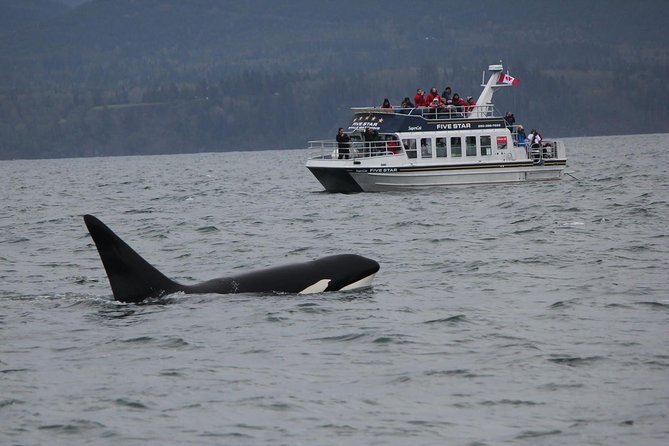
- Small-group feel (max 40 travelers) makes it easier to hear the guides and stay aware of what’s happening on the water
- Two naturalist guides onboard means you get explanations as you go, from whales to jellyfish and seabirds
- Route varies with whale activity so your day might focus on different islands or feeding areas
- Ron Bates may be along on some trips, adding rare orca-research perspective
- Covered by a worry-free return plan if your ship departure timing gets tricky
Orcas and sea lions in a tight 3-hour window from Victoria
This is the kind of whale watch that fits real cruise time. You’re not signing up for a half-day shuffle across the island. You’re stepping onto a purpose-built boat and spending about three hours working the waters off Vancouver Island from Victoria.
What makes it especially appealing is the blend of wildlife and teaching. The naturalists don’t just point and wave. They explain how the whole system connects, including smaller ocean life like jellyfish and the birds you see overhead. That helps you spot more than just “a whale out there.”
You can also read our reviews of more tours and experiences in Vancouver Island.
Meeting point and timing: easy if you’re already near the terminal
You meet at Victoria Harbour Airport, 950 Wharf St, Victoria, BC. The good news is that this tour is described as departing from a spot within walking distance of the cruise terminal, so you’re not stuck hunting for a bus while your ship is getting impatient.
Pickup is listed as offered, but port pickup and drop-off aren’t included in the package. If you’re cruising, the walk-and-go setup is usually the smoothest option.
A big value piece here is the “shore excursion” mindset. The operator’s plan is to end with ample time to return to port before your ship leaves.
On the water with naturalist guides (and Ron Bates, sometimes)
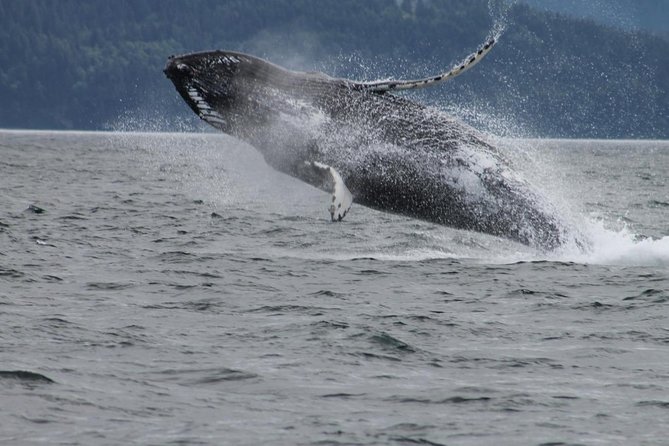
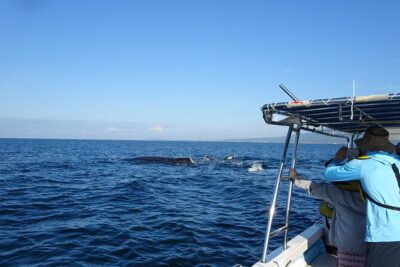
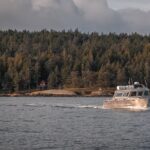
Your experience starts with a whale-focused cruise that’s designed to keep you moving toward likely sightings. The day’s exact route can change based on whale activity, and that’s a good thing. On the ocean, “fixed schedule” often means “fixed disappointment.” Here, the search adapts.
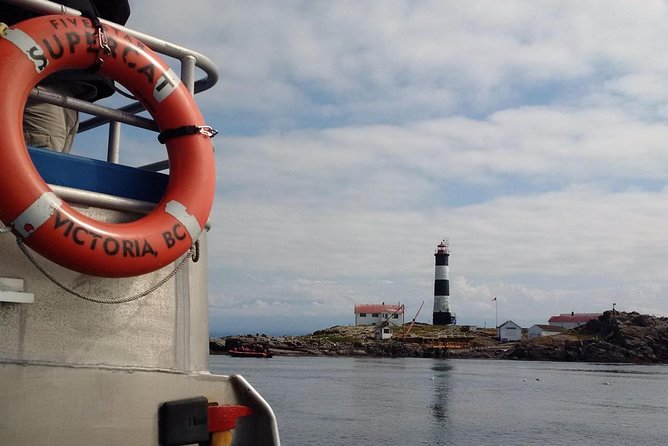
During the first part of the trip, the crew often begins with time around the small islands off Victoria. From there, you get ongoing interpretation of the marine ecosystem. One of the most memorable elements is that the guides may even bring kelp on board so you can connect the underwater food web to what’s above and around it.
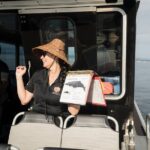
Here’s where it feels more than tourist entertainment: the naturalists are paired onboard, and they’re positioned to answer questions as you’re watching. Some trips may also include Ron Bates, an orca researcher who conducts much of his work in these waters. If he’s on board, it adds an extra layer of meaning to your orca sightings because you’re hearing from someone actively studying the behavior in this region.
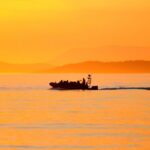
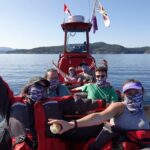
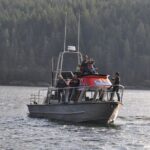
If you’re sensitive to motion, know this: the boats are described as designed specifically for whale watching, with seating that’s built for comfort and visibility. You’ll have both indoor and outdoor areas, so you can switch based on wind and temperature.
The 3-hour wildlife search: what each stretch feels like
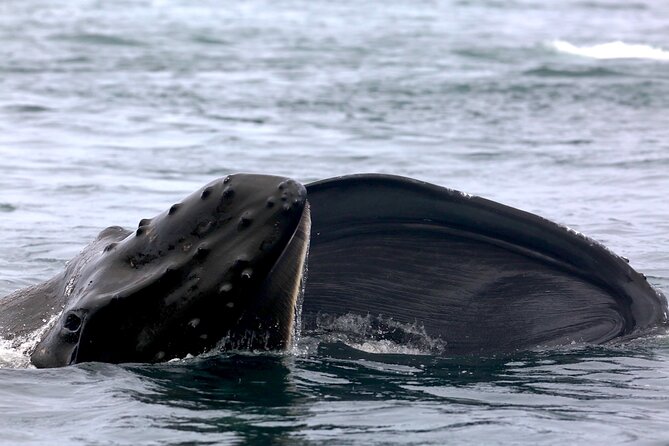
The experience is essentially two phases: first, time dedicated to finding whales and related wildlife; second, time to keep viewing and return smoothly with time to spare.
Phase one: the “find the whales” stretch
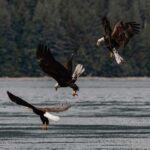
This is where the guides’ work pays off. Expect commentary that goes beyond whales alone, linking what you see—like seabirds and jellyfish—to the bigger ecosystem. You’ll also get help spotting what matters: subtle water changes, how movements can foreshadow activity, and what to look for so you’re not just reacting after the whale is gone.
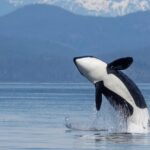
Wildlife spotting here can include orcas (killer whales) as a main target, plus other native species. The cruise route can shift throughout the day depending on where whales are showing themselves.
Phase two: more viewing time, then back before departure pressure
After the first active search period, you settle into more viewing while staying on a schedule that protects your cruise itinerary. The operator’s worry-free approach is built around giving you ample time to return to Victoria port before your ship departure.
If your ship has already departed in that unlikely situation, transportation to the next port-of-call is arranged. If your ship is delayed and you’re unable to attend, you’re set up for a refund under the stated terms.
Bottom line: the second phase exists so you don’t spend your vacation doing math with the ship’s departure time.
What you can realistically expect to see off Victoria
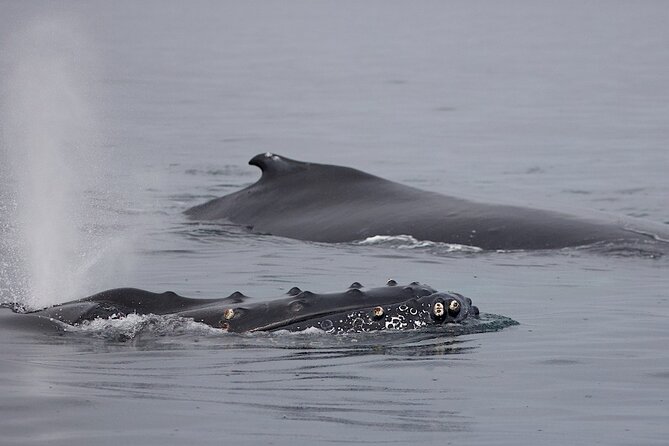
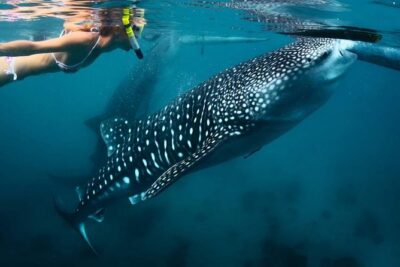
This tour is strongly positioned for orcas, but it’s also set up for variety. The species list you’re working with includes:
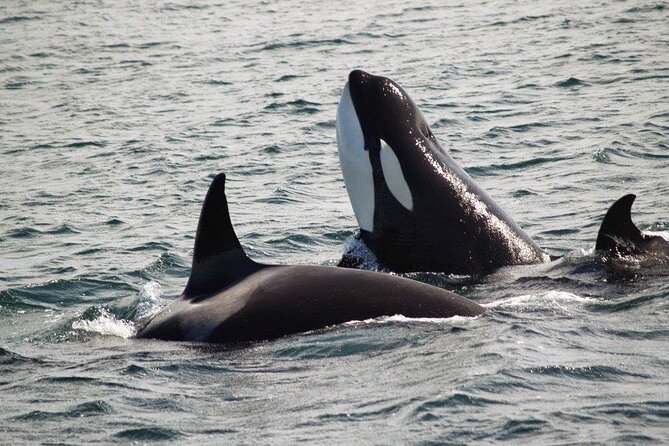
- Orcas (killer whales)
- Minke whales
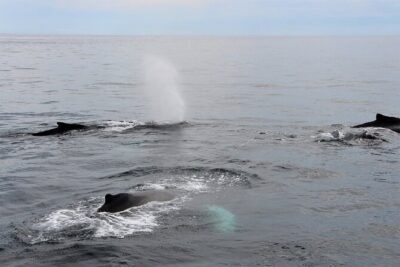
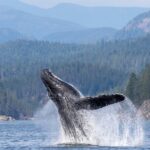
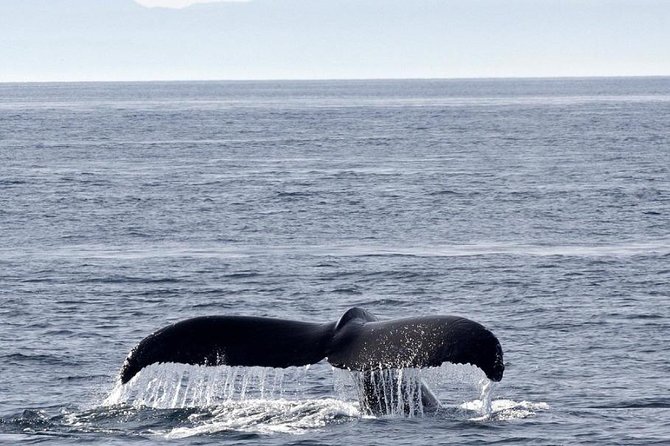
- Humpback whales
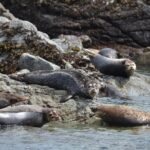
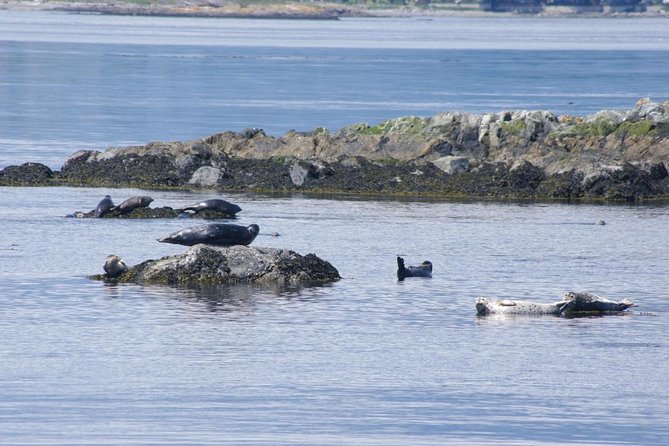
- Harbor seals
- Sea lions
- Other native marine life
The best part of the way this is run is that sightings are treated as a learning moment, not just a photo moment. That matters because you’ll start recognizing patterns: where seals hang out, what kinds of surfaces often come before bigger movements, and how birds can hint at what’s happening below.
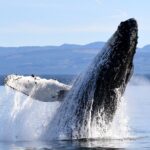
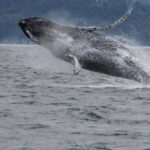
In the strongest trip descriptions, you also see whales doing different behaviors—like orcas socializing while hunting, or humpbacks showing clear surface action. Just remember: the ocean doesn’t follow a checklist, so your “best day” depends on conditions that are out of anyone’s control.
Comfort on board: indoor/outdoor viewing and staying warm
This is one of those Victoria trips where clothing choices can make or break your comfort. The tour operates in all weather conditions, so you should plan for wind and cooler spray even if the morning looks mild.
Layers matter. The tour recommends layers and comfortable shoes. You’ll want a jacket you don’t mind getting damp around the edges.
A practical perk: in past experiences, warm jackets and hot drinks like coffee and hot chocolate were mentioned as available. That’s the kind of detail that helps if you’re out on the deck and the wind decides to do its thing.
Also, because there are indoor and outdoor seating options, you can adjust without losing sight of the water.
The value question: is $133.71 worth it?
At $133.71 per person for about three hours, this isn’t a cheap activity. But value here isn’t only about price per hour. It’s about the mix of:
- a guided wildlife search with two naturalist guides
- a boat designed for whale watching
- a route that can shift to follow sightings
- a worry-free return plan that protects your cruise schedule
For me, that last point is what changes the math. When you’re on a cruise, missing an excursion or getting back too late can cost more than the ticket price.
And the group size cap (up to 40 travelers) helps keep the experience from feeling like a cattle line. You still get a real chance to hear what the guides are saying and to track what the crew is pointing out.
Practical tips so you get more from the experience
If you want the best odds of enjoying your time (and not spending it bracing against the cold), do these:
- Dress for wind first. Layers and a weather-ready jacket are more important than trying to look stylish.
- Bring a phone plan you can live with. Cold damp air can drain batteries, so keep it protected in an inner pocket or case.
- Use both decks. When the boat is moving fast, indoor can be calmer; when it slows near activity, step out to scan the water and horizon.
- Ask questions when the guides offer openings. The format is set up for you to interact, and the explanations help you see more of what’s happening.
- Accept that routes change. If the crew adjusts based on sightings, that’s part of why you have a better shot at good wildlife moments.
Who this tour fits best
This works well if you want a guided whale watch without sacrificing your cruise day.
It’s a strong choice for:
- Couples who want a high-impact nature outing close to port
- Families looking for a structured trip with explanations that keep kids engaged
- People who like being outside but still want an option to warm up indoors
- Anyone who cares about understanding behavior, not just taking photos
If you’re very motion-sensitive, you’ll still want to dress for comfort and consider how your body reacts to boat movement. But the boat design and viewing options are clearly built for rider comfort.
Should you book this Victoria whale-watching cruise?
If your priority is a smart, short, guided wildlife outing from Victoria—and you want the added safety net of a worry-free ship return plan—this is an easy yes. The structure is cruise-friendly, the guides bring real context, and the animal list includes the stars most people hope to see: orcas, plus seals, sea lions, and other whales.
Book it if you’re ready for a real ocean experience where the day’s route may shift. You’re not buying a theater show. You’re joining a search that’s designed to get you close to the action and then explain what you’re seeing.
FAQ
FAQ
How long is the whale-watching cruise?
It runs about 3 hours.
What is the price per person?
The price is $133.71 per person.
Is pickup included?
Port pickup and drop-off are not included, but pickup is offered.
Where do I meet the tour?
The meeting point is Victoria Harbour Airport, 950 Wharf St, Victoria, BC.
Do naturalist guides come onboard?
Yes. There are 2 naturalist guides onboard.
What animals might I see?
You may spot orcas, humpback whales, minke whales, harbor seals, sea lions, and other native marine life.
Does the tour run in bad weather?
It operates in all weather conditions, so you should dress appropriately in layers.
Will I get back to my cruise ship on time?
The tour is covered by a worry-free policy to ensure an on-time return to your ship, with arrangements if your ship departure timing is affected.