REVIEW · LANZAROTE
Whale & Dolphin Observation on Silent Catamaran with Hydrophone
Book on Viator →Operated by WeWhale · Bookable on Viator
A quiet boat changes how you watch whales. On Lanzarote, this silent, emission-free catamaran heads out from Puerto Calero for a whale-and-dolphin search, with a hydrophone onboard so you can hear what the animals are doing.
I like the small size here: the trip caps at 12 people on a 14-meter catamaran, which makes it feel calm instead of crowded. I also like that you’re taken care of on board with snacks and drinks while you scan the open water.
One drawback to plan for: the hydrophone is not guaranteed to run the whole time. It’s typically used when the crew detects a vocalizing group, so if you’re hoping for constant audio on every trip, you may feel let down.
In This Review
- Key things to know before you go
- Why a silent catamaran and hydrophone matter off Puerto Calero
- Getting to the meeting point and boarding at 9:00 am
- On the water: what a 3–4 hour search usually feels like
- The hydrophone: what you can expect, and how to maximize it
- Responsible viewing distance: good for whales, tricky for your binocular view
- Snacks, drinks, and the small-group rhythm
- Weather, comfort, and what to bring so you stay happy at sea
- Price and value: is $114.65 worth it?
- What the conservation angle actually adds
- Who this trip is best for (and who should skip)
- Should you book the Whale & Dolphin Observation on WeWhale?
- FAQ
- What time does the whale and dolphin catamaran depart?
- Where is the meeting point for the tour?
- How long is the experience?
- What group size should I expect?
- Is the tour in English?
- Does the hydrophone play the whole time?
- What’s included onboard besides the boat ride?
- Can I cancel for a refund if weather is bad?
Key things to know before you go
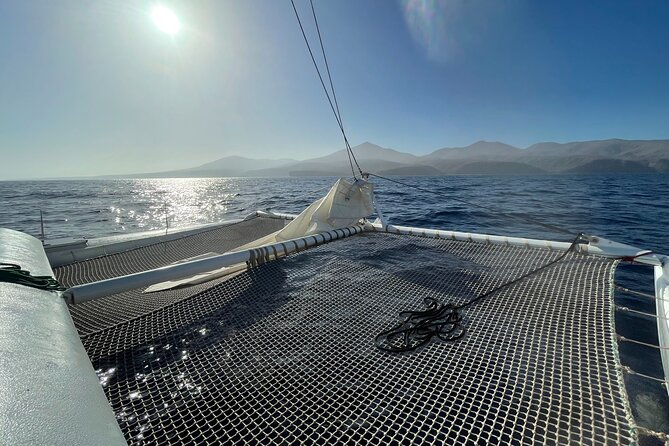
- Silent, emission-free catamaran: less engine noise while you search for whales and dolphins.
- Hydrophone use is situational: audio listening depends on animal vocal activity and what the crew detects.
- Max 12 on a 14m boat: better visibility, less jostling, more room to move around.
- Snacks and drinks onboard: you’ll stay comfortable during the 3–4 hours at sea.
- Responsible distance matters: the crew prioritizes respectful viewing and avoids chasing animals.
- Bring layers: sea breeze and cloud cover can make it chilly even in the daytime.
Why a silent catamaran and hydrophone matter off Puerto Calero
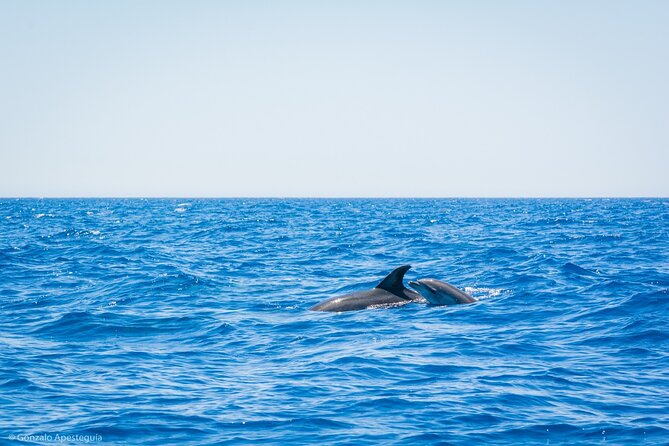
If you’ve ever done a standard whale-spotting outing with a loud motor and lots of noise, you know how easy it is to miss the details. Here, the boat is 100% silent and emission-free, which helps you focus on movement in the water, birds overhead, and the telltale signs of surfacing.
Then there’s the hydrophone. You’re not just scanning with your eyes. You’re also listening for animal calls when conditions line up. That’s a big deal if you’re on a day when you only catch a spout or a distant fin. Even then, hearing the animals can make the experience feel more complete.
Still, it’s smart to set expectations. One person on a prior trip expected hydrophone audio the entire outing and felt disappointed when it wasn’t deployed. The operator explanation makes the situation clear: it’s typically used when the crew is near vocalizing groups of dolphins or whales, not simply in open water. So you’ll get the best results if you view this as a wildlife encounter first, and an audio experience second.
Getting to the meeting point and boarding at 9:00 am
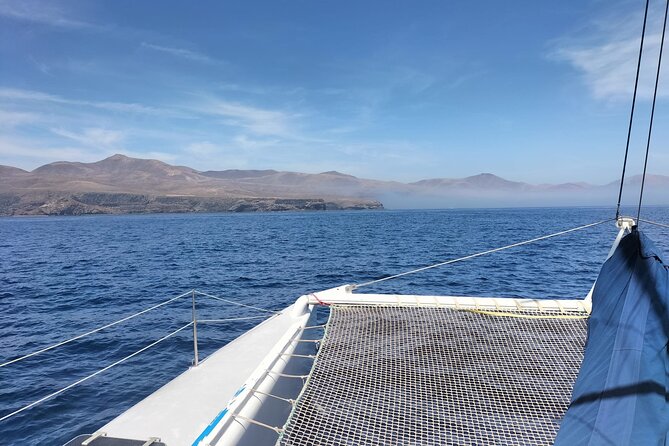
You start in Puerto Calero, at WeWhale Lanzarote, located at C. Pantalanes, 35571 Puerto Calero, Las Palmas, Spain. The stated start time is 9:00 am, and the trip runs about 4 hours total, returning to the same point.
A few practical notes that matter more than people think:
- You’ll be at sea for several hours, so bring whatever helps you stay warm and stable.
- You’ll want to arrive on time so you can get a good position early. On a small boat, where you stand or sit affects how well you can see spouts.
- It’s an English offered tour, and the experience is described as friendly and informative, so you should expect explanations from the crew as you head out.
The ride itself is part of the deal. Puerto Calero sits on the water with a clear sense of direction. As you sail out, the “busy harbor view” slowly turns into open water, which is when whale-and-dolphin spotting becomes less about landmarks and more about reading the sea.
On the water: what a 3–4 hour search usually feels like
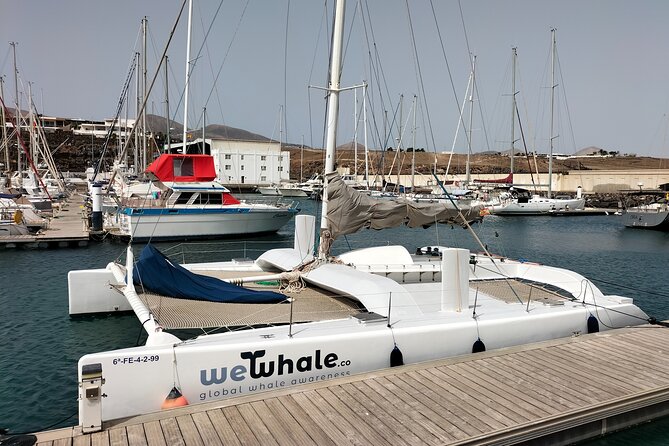
Your sailing route is described simply: you leave Puerto Calero, head toward open sea, and return after about three to four hours. That means you should expect time spent looking, repositioning, and waiting a bit when animals aren’t near the surface.
Here’s what that typically looks like on a small catamaran:
- In the early phase, the crew focuses on scanning wide areas.
- If wildlife appears, the boat stays at a respectful distance.
- When sightings happen, you might get brief chances: a spout, a quick dorsal fin, or a momentary surfacing before the animals move on.
One prior review included a Bryde’s whale sighting with a spout seen on the way back. The whale was far enough away that the experience depended heavily on spotting skill and line of sight. This is normal for responsible viewing, but it’s still worth thinking about before you pay.
Also, note the mood of the day can shift fast. One reviewer described it getting nippy when sun disappeared behind clouds and the breeze picked up. That’s why layers matter. A short, chilly day can turn into a long one if you show up underdressed.
The hydrophone: what you can expect, and how to maximize it
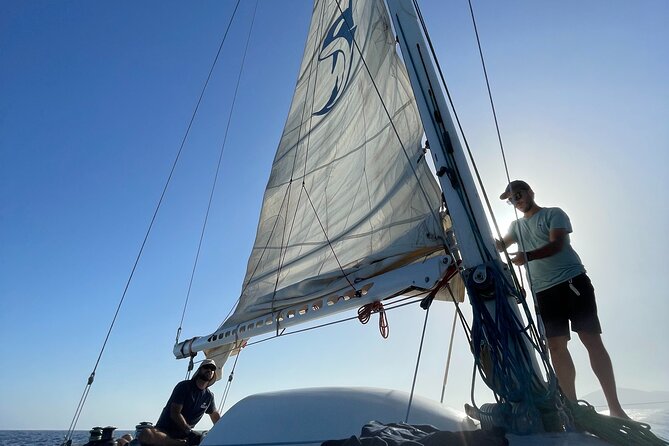
This is the feature that makes the trip different on paper, and the feature that can create confusion if you don’t know how it works.
What’s stated: you’ll have the chance to listen to whales and dolphins via a hydrophone on board. What’s also clarified: the hydrophone is typically deployed when the crew is in the presence of a group of vocalizing dolphins or whales. If the animals aren’t vocalizing, or you’re out in broader open water, the hydrophone may not be in use.
So how should you handle it?
- Treat hydrophone listening as a bonus that depends on animal behavior.
- When you board, ask the crew about how they decide when to lower or use the hydrophone. You want the “when and why,” not just the fact that it exists.
- If dolphins appear close together and vocal activity seems likely, pay attention to what the crew does next. That’s when audio has the most meaning.
And if you’re the kind of person who hates uncertainty, here’s the practical compromise: decide whether you’d still enjoy a quality whale-spotting catamaran even without guaranteed hydrophone audio. If yes, you’ll likely feel happier when the sea is quiet.
Responsible viewing distance: good for whales, tricky for your binocular view
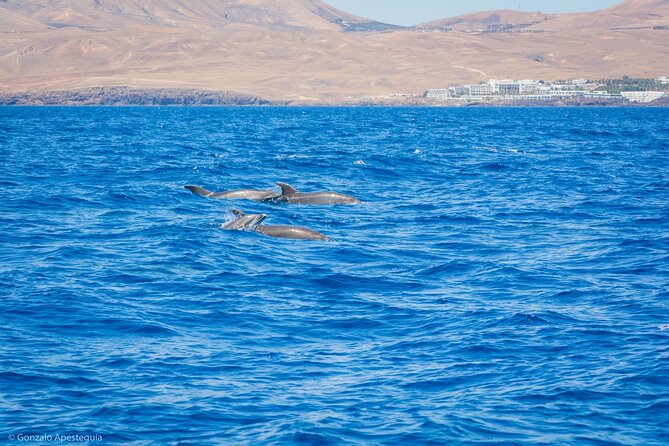
Responsible wildlife viewing is a strong point on this tour. When whales show up, the boat doesn’t chase them. In one case, the whale was spotted but kept at distance, and the reviewer felt binoculars would have helped more for better viewing—especially since they didn’t see passenger binoculars being offered.
The good news is that binoculars are available onboard, and passengers are welcome to use them. The issue seems to be communication: one person reported that their group didn’t receive binoculars proactively. That’s an easy fix—just ask.
Here’s my advice for you:
- Ask early if there are binoculars available and where they are kept.
- If you’re sensitive to cold, remember you might need your hands for binoculars, not just your phone.
- Be ready for brief, moving opportunities. A whale’s best “show” can last seconds.
This responsible distance policy can feel frustrating if you want a close encounter. But it helps keep the animals from altering their behavior just to satisfy your photo moment. It’s also part of what makes the experience feel more ethical than cheap, aggressive spotting.
Snacks, drinks, and the small-group rhythm
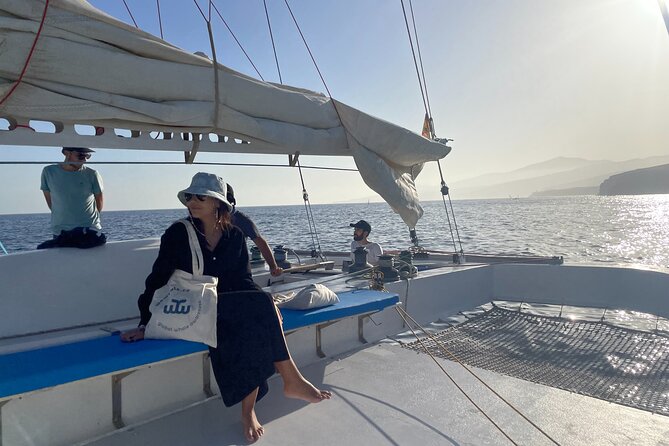
One of the most consistently liked parts is that you’re not just sitting and scanning. You also have time to snack and sip while you wait. On a sea trip, that matters because waiting is a big part of whale and dolphin watching.
On this boat, the max group size is 12, and that changes how the experience feels:
- You can move to get a better angle without needing to fight for space.
- You’re more likely to hear the crew explanations clearly.
- The boat feels calmer when the crew decides to reposition.
One positive review highlighted friendly, informative crew communication and a captain who set a great tone. Another review praised the experience as truly sustainable tourism with a strong preservation goal. Even if you’re not a “save-the-world” person, you can still appreciate how the crew’s care affects the mood on board.
And yes, bring a little patience. Even with the best crew, whales and dolphins do not appear on a schedule. The value comes from how well the team handles time at sea—and how respectful they are when animals come near.
Weather, comfort, and what to bring so you stay happy at sea
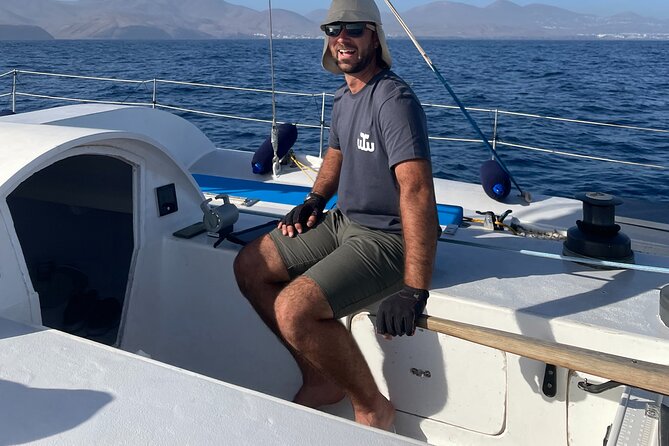
This experience depends on good weather. If it’s canceled due to poor conditions, you’ll be offered a different date or a full refund. That’s the practical side. The more personal side is what happens when the weather is technically fine, but uncomfortable.
One review mentioned chilly moments when clouds rolled in and the sea breeze cut through. That’s your cue to plan like a local:
- Pack layers, even if it looks warm on land.
- Bring something with wind protection if you have it.
- Wear shoes you trust on a moving deck.
And don’t forget the “seeing” gear:
- Binoculars can be helpful, and they’re available onboard.
- If you have your own binoculars, bring them too, but ask where onboard binoculars are stored in case you want to skip extra weight.
You’re on the water for hours. Comfort isn’t a luxury here; it’s part of whether you enjoy the ride or spend the whole time wishing you were back on the dock.
Price and value: is $114.65 worth it?
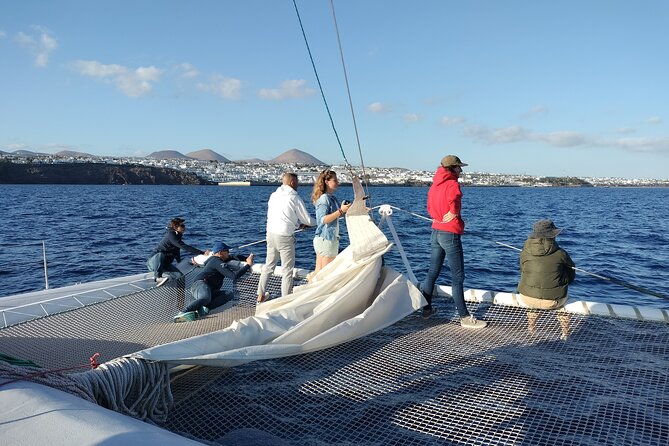
At $114.65 per person for about 4 hours, this isn’t the cheapest way to do a whale-and-dolphin outing. The question is what you’re paying for—and whether those benefits line up with your expectations.
Here’s the value breakdown that makes sense:
- You’re paying more because this is a silent, emission-free catamaran, not a standard motorboat.
- You’re paying more because there’s a hydrophone and a conservation-backed mission.
- You’re paying more because the boat is intentionally small, with only 12 people.
In one disappointed review, the cost felt high relative to what happened on the day: no dolphins were seen, the whale sighting was distant, and the hydrophone wasn’t deployed as hoped. That person left feeling it wasn’t worth the price for what was marketed.
At the same time, a strong set of five-star comments pointed to seeing both whales and dolphins, a great captain, and good explanations. That suggests outcomes can vary by day—like most wildlife tours—but the experience design (boat type, crew style, small group) can still deliver real value.
My take for you: if you go in expecting a high-quality, respectful wildlife search—and you’re open to audio only when the animals are vocalizing—this has a fair chance of feeling worth it. If you mainly want guaranteed hydrophone audio every minute, you should treat this as an uncertain bonus, not a promise.
What the conservation angle actually adds
This company isn’t just selling a trip; part of the ticket price supports marine conservation work with the WeWhale Association. One mention specifically called out a campaign called Save The Iberian Orca.
That matters for two reasons:
- It gives a concrete reason to choose a tour that invests in protection rather than only extraction of sightings.
- It can influence crew decisions, like sticking to responsible distances and focusing on animal presence rather than “making it happen.”
Even if you never follow conservation news, you can feel the difference when the crew treats wildlife with restraint. One review described the overall goal as preservation, and that tone often shows up in how the boat behaves when animals appear.
Who this trip is best for (and who should skip)
This tour is a good fit if you:
- Want a quiet boat experience and dislike loud engines during wildlife watching.
- Prefer smaller groups, where you can move for sightlines.
- Like the idea of listening to animal calls, even if it’s not constant.
- Appreciate responsible viewing and don’t want a crew that chases animals for the sake of photos.
You might want to think twice if you:
- Need a predictable, guaranteed hydrophone experience for the full outing.
- Are extremely sensitive to cold weather and tend to underpack layers.
- Expect close-up whale sightings on every trip. Responsible viewing means distance is often part of the deal.
If you fall in the “I just want whales and dolphins” camp, you can still enjoy it. But the smart move is to value the whole package: boat style, crew behavior, and the possibility of hydrophone audio when it matters.
Should you book the Whale & Dolphin Observation on WeWhale?
I’d book this if you want a small, calm catamaran experience with a real conservation mindset—and you’re okay with nature running the schedule.
Make your decision based on your expectations:
- If you’re excited about silent sailing and ethical wildlife viewing, you’ll likely feel good about your choice.
- If hydrophone listening is your main goal, ask how they use it and remember it depends on vocal activity.
- If you’re aiming for close views, plan to bring or ask for binoculars.
One more tip: on the day, be flexible. When the sea is chilly or sightings are distant, your best “win” is staying present. The crew’s job is to find animals without disturbing them. Your job is to watch patiently, dress for wind, and get ready when the surface starts to change.
FAQ
What time does the whale and dolphin catamaran depart?
The tour starts at 9:00 am from Puerto Calero and returns to the same meeting point after approximately 3 to 4 hours.
Where is the meeting point for the tour?
The meeting point is WeWhale Lanzarote, C. Pantalanes, 35571 Puerto Calero, Las Palmas, Spain.
How long is the experience?
It lasts about 4 hours (approximately), including time sailing out and back.
What group size should I expect?
The maximum number of travelers is 12, on a 14-meter catamaran.
Is the tour in English?
Yes, it is offered in English.
Does the hydrophone play the whole time?
The hydrophone is carried onboard and used when the crew is in the presence of vocalizing dolphins or whales. It may not be deployed throughout the entire trip.
What’s included onboard besides the boat ride?
You’ll have snacks and drinks while you’re onboard, and you can use available binoculars on board.
Can I cancel for a refund if weather is bad?
If the experience is canceled due to poor weather, you’ll be offered a different date or a full refund. You can also cancel for a full refund up to 24 hours before the start time.