REVIEW · MOOREA
Whale watching in Moorea
Book on Viator →Operated by Top Jet & Top Quad Moorea · Bookable on Viator
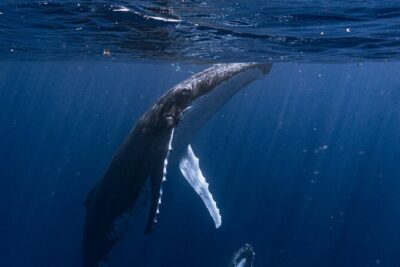
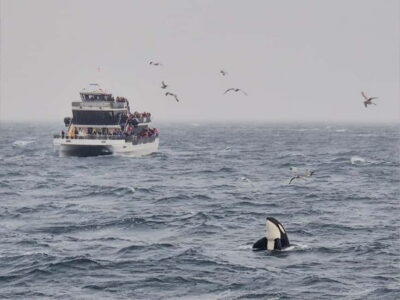
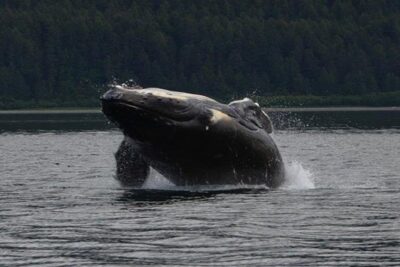
Humpback whales are the star. This Moorea half-day tour pairs open-ocean whale watching with snorkeling in the Moorea Lagoon, often with dolphins, turtles, and even stingrays and blacktip sharks. The main pull is the small group size (max 12), which keeps the crew focused and gives you more hands-on help when you’re in the water.
I love the way this trip is built around good chances, not hype: the crew goes looking for humpbacks in the right season, and they coach you on approach rules so you can observe without pushing the animals around. I also like the balance of experiences—after the whales, you switch from deep-water searching to calm lagoon exploring, where marine life feels more up-close.
One consideration: a whale sighting isn’t guaranteed. And if you want to swim with the whales, you need strong swimming skills with snorkeling gear and you’ll follow approach requirements that add up to a solid swim (about 150m round trip), so this isn’t the easiest water activity for everyone.
In This Review
- Key things to know before you go
- Moorea whale watching starts at 8:30, with a real sea day feel
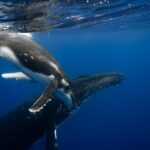
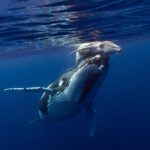
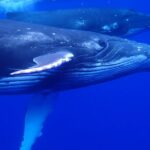
- The humpback part: what you’re really signing up for
- The swim-with-whales requirement (where fitness actually matters)
- Moorea Lagoon after the whales: marine life that’s easier to enjoy
- What snorkeling feels like when there’s coaching
- Small-group size (max 12) is more than a marketing line
- Boats, swimmer limits, and why your launch might not be one-and-done
- Equipment and comfort tips that come straight from the reality of launch days
- Price and value: how $194.34 adds up in Moorea
- Who this tour suits best (and who should rethink it)
- Should you book this Moorea whale watching tour?
- FAQ
- What dates is this whale watching tour available?
- How long is the tour, and what time does it run?
- Is a humpback whale sighting guaranteed?
- Can children launch to swim with whales?
- What fitness level do you need for this tour?
- How many people are on the tour?
- What happens if you need to cancel?
Key things to know before you go
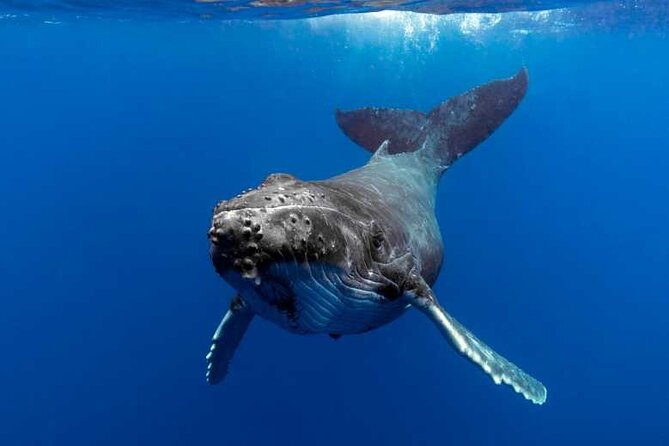
- Season timing (20 July to 20 November) matters for humpback whale presence in Polynesian waters
- Small group, max 12 helps the crew manage safety and spot-watching more effectively
- Two-part plan: open ocean for whales, then Moorea Lagoon for turtles and snorkeling chances
- You might not swim with whales if conditions don’t allow or if you’re not comfortable launching
- Safety coaching in the water includes guide support, with notes about boogie boards and vests
Moorea whale watching starts at 8:30, with a real sea day feel
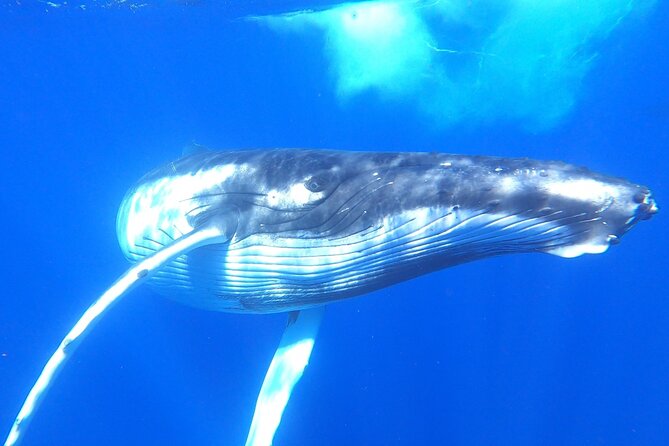
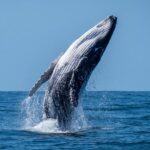
This tour runs only during a specific window: 20 July through 20 November. If you’re in Moorea outside that range, don’t plan your schedule around whales on this exact outing. During the season, the goal is clear—get out early and spend the morning in the zone where humpbacks come each year to rest and give birth in warm waters.
You depart at 8:30 am and you’re back around 11:30 am. That three-hour stretch is the sweet spot if you want a major wildlife moment but still want time for beaches later. It also keeps the tour from dragging, which matters when conditions change quickly on the water.
Getting there is usually straightforward because the operator offers pickup, and the tour ends back at the meeting area. Still, I’d take a moment to confirm the pickup details if you’re not staying in the exact resort linked to the default pickup spot. One rider noted that staying in an Airbnb required extra clarification, so you don’t want surprises on morning-of.
You can also read our reviews of more tours and experiences in Moorea.

The humpback part: what you’re really signing up for
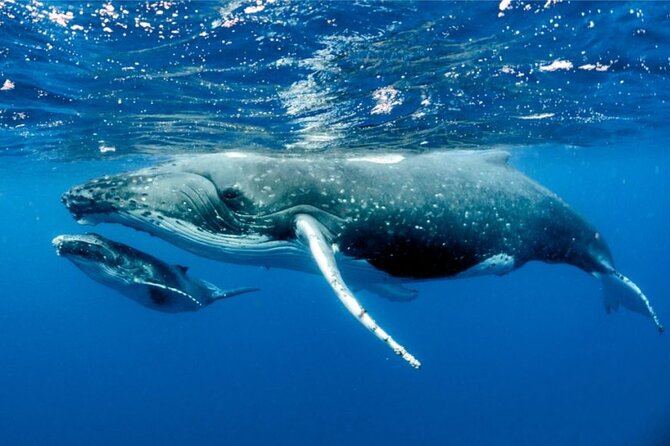
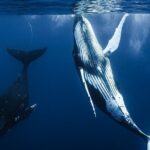
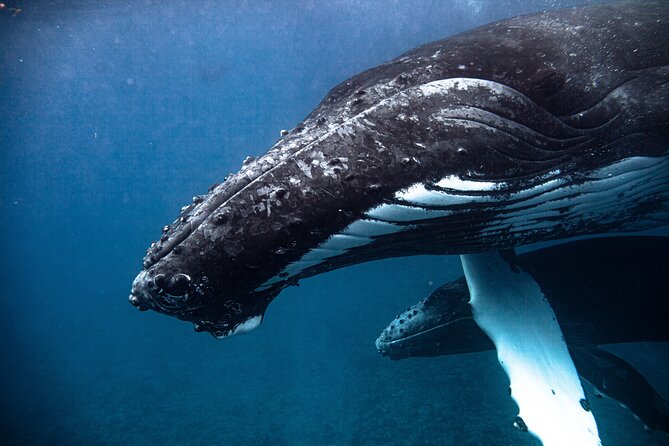
Humpback whales are wild animals, which means the best plan is a plan with flexibility. They come and go on their own schedule. The operator is upfront that you can’t guarantee a meeting, even in the right season, because this is open-sea watching.
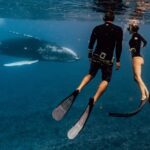
What you can control is how well you follow the approach rules. The tour is designed to give you a chance to observe humpbacks while respecting the rules of approach so the whales aren’t disturbed. That’s where the experience gets practical: you’re not just looking from the boat, you’re being coached so you’re positioned correctly and acting predictably in the water.
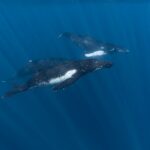
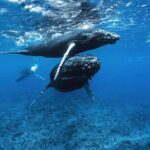
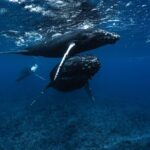
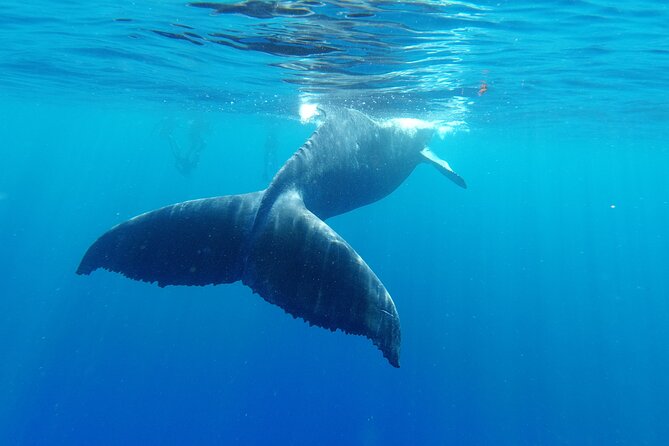
If the whales show up close enough and conditions allow, expect multiple attempts—some days mean one good moment, other days can mean several chances at different whale groups. Riders describe scenarios like swimming in the water more than once, and seeing whales close enough that you can make out breathing and surfacing behavior. You might also spot a mother and calf if timing and location line up.
The swim-with-whales requirement (where fitness actually matters)
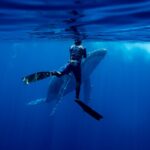
If you want the swimming portion with whales, you must be comfortable knowing how to swim well with snorkeling equipment—mask, fins, and snorkel. The approach rules require about 150m round trip of swimming. That number sounds simple, but with ocean conditions, that’s real effort, especially if you’re not used to breathing patterns while moving through a current or swell.
There’s also a clear boundary for kids: children under 13 are prohibited from launching. So if you’re traveling as a family, plan on older kids and adults for the actual water-entry portion, while younger kids may remain aboard.
One other practical rule: there’s zero tolerance on alcohol and substances. If the crew suspects use before the tour, you’ll be denied entry without reimbursement. That’s not just moralizing—it’s about the safety math of being on a moving boat, in open water, and around big animals.
Moorea Lagoon after the whales: marine life that’s easier to enjoy
Once the whale search segment is done, the itinerary shifts into a more relaxed rhythm. The plan is to discover Moorea Lagoon and the surrounding passes, where marine life often becomes easier to spot than offshore.
This is where the trip earns its “more than whales” value. There’s a good chance you’ll see dolphins in the lagoon or passes, plus turtles in their natural environment. The lagoon stops tend to feel less like a hunt and more like a guided nature swim with moments of surprise.
Then comes the snorkeling stop. The tour may include a chance to swim with pastinague rays (stingrays) and blacktip sharks. The key word here is may. The operator builds in options based on what the ocean is doing and what they find in the area that day.
What snorkeling feels like when there’s coaching
Snorkeling in Moorea is often calm-ish, but you’re still doing it in a marine setting where you’re sharing space with wildlife. What helps is that the crew provides instructions and support once you’re in the water. In multiple accounts, guides were described as professional and active in the swim, including guidance for staying safe and oriented.
There are also notes that the water-launch may happen in two groups at times. That matters because it means you might not see the exact same thing as the group that enters first. The crew will do their best for everyone, but with wildlife and limited water space, sequencing changes your view.

Small-group size (max 12) is more than a marketing line
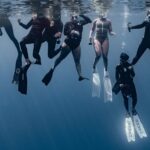
A maximum of 12 travelers may not sound like much, but on the water it can change the whole feel of your morning. Smaller groups are easier to manage when conditions are choppy, when gear needs adjusting, and when the crew is positioning people according to whale-approach rules.
It also tends to mean the guides can give clearer, more frequent cues. In accounts of these kinds of trips, the difference is often simple: you get the coaching you need before you’re standing in the shallows or hovering in the launch zone, and you have backup in the water if something goes off-plan.
Some riders specifically mention having two guides in the water with them. That’s a big deal if you’re trying to keep calm, stay in the right spot, and follow safety instructions while watching a whale surface. Even if you’re an experienced snorkeler, the “watching a whale” part changes everything about your attention span.
Boats, swimmer limits, and why your launch might not be one-and-done
Even with a max 12-person tour, there can be further limits on how many swimmers are in the water at once. One rider reported that their captain limited the number of swimmers per boat at a time and that multiple groups rotated in. I’d treat that as normal operational reality on whale days.
So if you’re planning your expectations, don’t think of this as everyone swimming together in perfect sync. Think of it as controlled rounds—some people swim now, others wait for their turn, and everyone follows the same rules so the encounter stays respectful and safe.
Equipment and comfort tips that come straight from the reality of launch days
The tour notes that you need mask, fins, and snorkel for the whales’ swim portion. That implies gear matters. It also means you should treat your fit as a safety issue. If your mask leaks or your snorkel fogs, you’ll lose focus fast, especially in open water.
Snorkel gear may not be included. One rider noted the operator stated they don’t provide snorkel tools, so it’s smart to confirm inclusion before you arrive. If you already travel with a good mask and fins, bring them. If you don’t, at least plan to have the basics ready and don’t rely on last-minute borrowing.
Comfort-wise, the tour also includes life vests—described as good quality in some feedback—and guides who help you stay steady. Some accounts mention boogie boards used for support, which makes sense: it’s easier to hold position when you’re conserving energy and not chasing the water’s every movement.
Finally, remember the physical requirement. The tour is best for people with a strong physical fitness level, not just casual beach swimmers. You don’t need to be an athlete, but you do need to be able to swim steadily while keeping your breathing controlled.
Price and value: how $194.34 adds up in Moorea
At $194.34 per person, this is not the cheapest thing on Moorea. But it also isn’t just a boat ride. You’re paying for three elements that cost money and effort:
First, you’re paying for time on the open ocean during the prime humpback season window. The operator is not pulling this off in a lagoon parking spot; they’re looking outward where whales actually come through.
Second, you’re paying for the coaching and safety management that makes the swim-with-whales portion possible. A max 12-person group, guides supporting you in the water, and the need to run approach rules means staff time and planning.
Third, you’re paying for the “two-for-one” structure: whales plus lagoon snorkeling with turtles and a chance at rays and blacktip sharks. Even on a day when whales are distant, the lagoon segment is still the kind of marine-life experience that makes Moorea memorable.
Is it good value? For nature lovers who want a serious wildlife shot and will take the rules seriously, yes. If you only want a gentle, no-pressure water activity with guaranteed sightings, you may want something else in your schedule—because whale watching is still wildlife watching.
Who this tour suits best (and who should rethink it)
This tour fits best if you’re:
- Comfortable swimming with snorkeling equipment in the ocean
- Happy to follow strict instructions around wildlife
- Motivated by the chance to see whales up close, not just from a distant viewpoint
- Looking for a morning adventure and then a free afternoon
It’s a weaker match if you:
- Don’t feel confident swimming the required distance and pace (about 150m round trip for the whales’ swim rules)
- Are traveling with kids under 13 who want to launch in the water (they’re prohibited)
- Prefer low-effort activities, especially on open-sea conditions
It’s also not a good choice if you’re expecting guaranteed whales. The operator is clear: whales decide when and where they appear. Your best strategy is to book with a mindset of “try hard, accept nature’s schedule.”
Should you book this Moorea whale watching tour?
If you want a serious humpback whale experience plus snorkeling in the Moorea Lagoon, I think this is a strong pick. The small-group format (max 12), the active guide support, and the way the day connects open ocean with lagoon wildlife make it feel worth the price.
The call you need to make comes down to two things: your comfort level in the water and your expectations. If you can handle a swim with snorkeling gear and you understand that meeting whales isn’t guaranteed, you’ll be set up for a memorable morning. If those points feel shaky, consider a more relaxed snorkeling-focused trip instead.
FAQ
What dates is this whale watching tour available?
This experience runs only from 20 July to 20 November.
How long is the tour, and what time does it run?
The trip is about 3 hours, departing at 8:30 am and returning at 11:30 am.
Is a humpback whale sighting guaranteed?
No. The operator can’t guarantee a whale meeting because it’s a wild animal in its natural habitat in the open sea.
Can children launch to swim with whales?
No. Children under 13 are prohibited from launching for the whales swim portion.
What fitness level do you need for this tour?
The tour requires strong physical fitness. If you plan to swim with whales, you also need to be able to swim well with snorkeling equipment.
How many people are on the tour?
The group has a maximum of 12 travelers.
What happens if you need to cancel?
You can cancel for a full refund up to 24 hours in advance. If the tour is canceled due to poor weather, you’ll be offered a different date or a full refund.