REVIEW · MOOREA
Whale Tour – Observe and swim with whales
Book on Viator →Operated by Enjoy Boat Tours Moorea · Bookable on Viator
Moorea is small enough to feel personal and wild enough to change your mood. This whale tour puts you up close to humpbacks in their natural migration zone, with strict approach rules that limit how many people hit the water at once. I also like that the guides bring real experience—names you may meet include Tamuti, Ike, Alfred, Joaquin, Amo, Mankato, and Carlos—and they’re focused on spotting whales while keeping everyone safe.
Two things I really like: first, the tiny water limit (max 7 including the guide), which means the activity feels less like a crowd and more like respectful wildlife viewing. Second, you’re not just staring from a distance; you can swim with whales when conditions and whale behavior are right, plus you get lagoon snorkeling for stingrays and reef sharks.
One drawback to factor in: this is physically demanding open-ocean swimming. If you’re not a strong swimmer—or if you’re prone to motion sickness—this tour can be tough even though it’s set up to maximize safety.
In This Review
- Key things that make this whale tour worth it
- Moorea humpback season: what you’re really paying for
- The strict 7-in-the-water rule (and why it changes everything)
- The 4-hour flow: what your day looks like from start to finish
- Stop 1 at sea: humpbacks, dolphins, and sharks in their own neighborhood
- Stop 2 in the lagoon: stingrays and reef sharks snorkeling
- Pickup, equipment, and what you’ll carry (so you don’t end up annoyed)
- Safety and fitness: the part you shouldn’t gloss over
- Price and value: is $270.63 a fair deal?
- Guides, photos, and how to make the most of your moment
- Who this whale tour suits best (and who should skip it)
- Should you book Whale Tour – Observe and swim with whales?
- FAQ
- How long is the Moorea whale tour?
- Do they pick you up from your hotel?
- What’s the maximum number of people allowed in the water?
- Can you watch whales without swimming in the water?
- What snorkeling animals do you see on the lagoon stop?
- What should you bring with you?
Key things that make this whale tour worth it
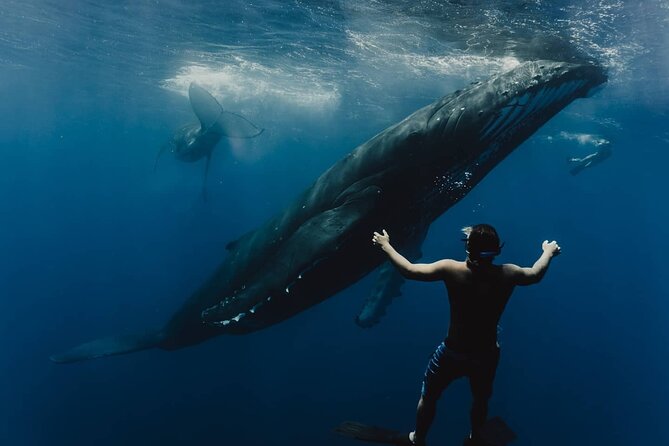
- 7-in-the-water limit: the guide manages groups to protect the whales and reduce pressure in the water.
- Guide-controlled timing: animals are only released when weather and whale behavior are favorable.
- Launch is optional: you can observe from the boat if you prefer not to swim.
- Whales plus lagoon snorkeling: after the open-ocean search, you also hit stingrays and reef sharks in the lagoon.
- Small max group size: the experience caps at 8 travelers and runs in two groups.
Moorea humpback season: what you’re really paying for
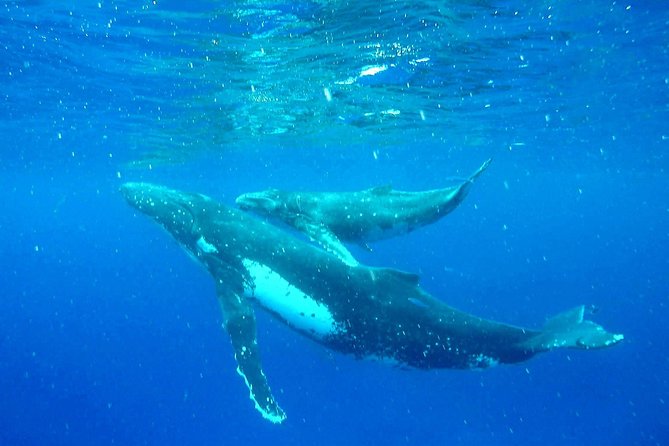
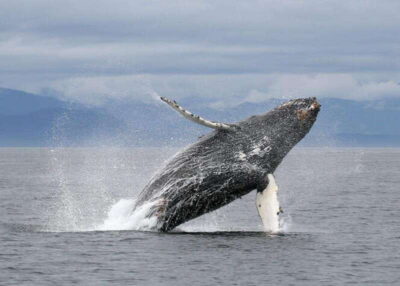
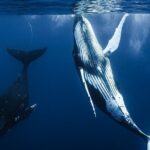
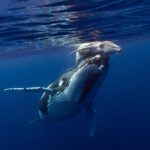
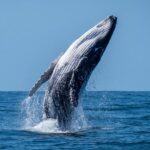
Moorea, French Polynesia is one of the rare places where humpback whales show up in predictable migration patterns, and you get to see them in their actual ocean home—not in a tank, not behind glass. The big value here is the combination of time on the water plus the fact the operation follows an approach that aims to reduce disruption.
This matters because whale-watching from the shore is neat, but it doesn’t give you that “wait… I’m sharing the ocean with them” feeling. When the guide decides conditions are right and the group goes in, you’re suddenly thinking about breathing cadence, staying calm, and watching how whales react to your presence. That’s the whole point of this kind of tour.
And yes, it’s weather dependent. On calmer days, it’s magical. On choppier days, you still get out there, but the outing becomes more about endurance than comfort.
You can also read our reviews of more tours and experiences in Moorea.

The strict 7-in-the-water rule (and why it changes everything)
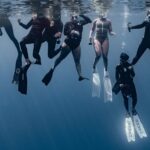
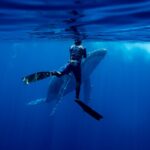
Most whale encounters are “as close as possible.” This one is different. The tour operates with a maximum of 7 people in the water including the guide, and it runs in two groups. The guide only lets animals be approached when weather and animal behavior look favorable.
For you, that translates to two practical benefits. First, you’re less likely to get tangled in a mass of bodies when whales surface. Second, the guide’s job is clearer: manage spacing, keep everyone together when needed, and help you follow safety instructions fast.
It also means the experience can feel more controlled. One review praised how guides worked hard to find whales while keeping safe distances for everyone. Another highlighted how the crew managed groups and gave clear direction in the water. That’s exactly what you want in a high-water-stakes environment.
The 4-hour flow: what your day looks like from start to finish
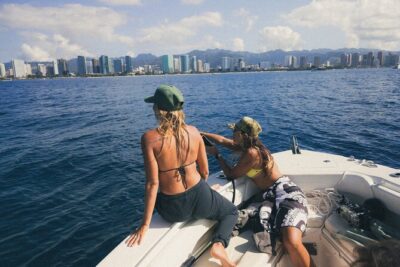
This outing is about 4 hours total. You’ll meet at Enjoy Boat Tours Moorea in Moorea-Maiao, and the experience includes private transportation. That often shows up as a pickup shuttle from your accommodation area, since multiple reviews mention hotel pickup and getting to the boat smoothly.
Timing is split into two chunks:
- A longer sea segment (about 3 hours 35 minutes) focused on searching and, when conditions allow, swimming.
- A short lagoon stop (about 10 minutes) for snorkeling with stingrays and reef sharks.
You also have flexibility around the swimming part. The tour notes that launching is not obligatory, so you can still enjoy whales from the boat if you’d rather not go in.
One thing to keep in mind: the day can be paced by whales and ocean conditions. Expect the “find them, then decide” rhythm rather than a fixed schedule where you’re guaranteed perfect timing at a set hour.
Stop 1 at sea: humpbacks, dolphins, and sharks in their own neighborhood
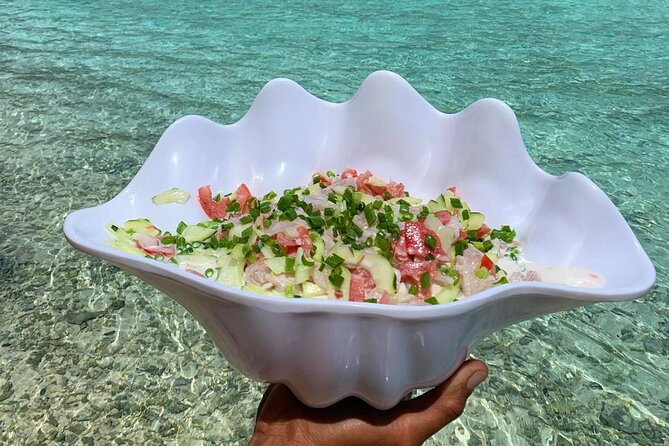
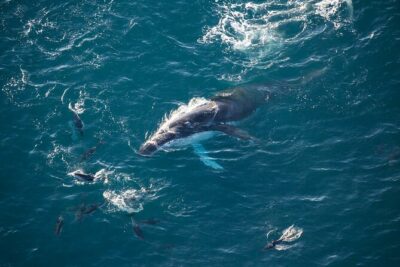
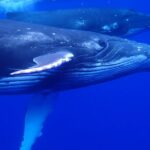
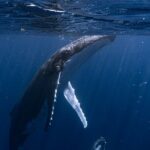
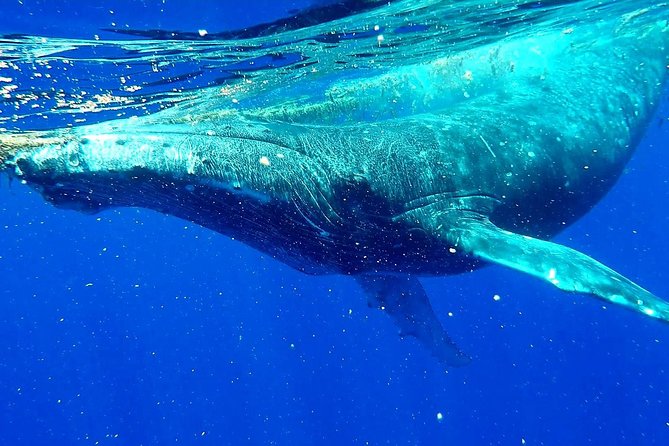
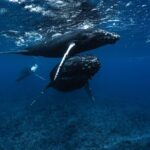
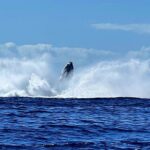
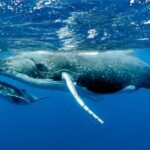
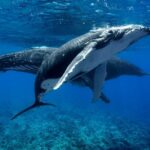
The main event is the open-ocean search and viewing around Moorea. During sea trips, you can see humpback whales along with narrow-beaked dolphins, reef sharks, and deep-sea sharks. The operator aims to respect safety distances while also considering the whales’ need to rest and respond normally to the environment.
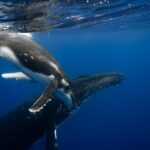
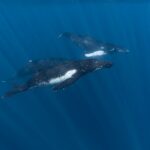
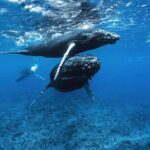
When the guide gives the go-ahead to swim, it’s not a chaotic free-for-all. It’s a structured “listen, move, and stay aware” experience. Reviews repeatedly highlight that guides were attentive, helped with gear, and made people comfortable in the open ocean. More than one person specifically mentioned seeing a mother and calf, which is the kind of moment that makes this trip feel truly special and not just a tick-box activity.
Two practical notes for you:
- If waves are up, your focus shifts. One review called out that the experience is wonderful when the ocean isn’t active, which makes sense: choppy water makes swimming and controlled finning harder.
- You might spot sharks too. That doesn’t automatically mean danger. It just means you should keep your eyes on the guide’s instructions and your own buoyancy so you don’t panic or thrash when you see something swim near you.
Stop 2 in the lagoon: stingrays and reef sharks snorkeling
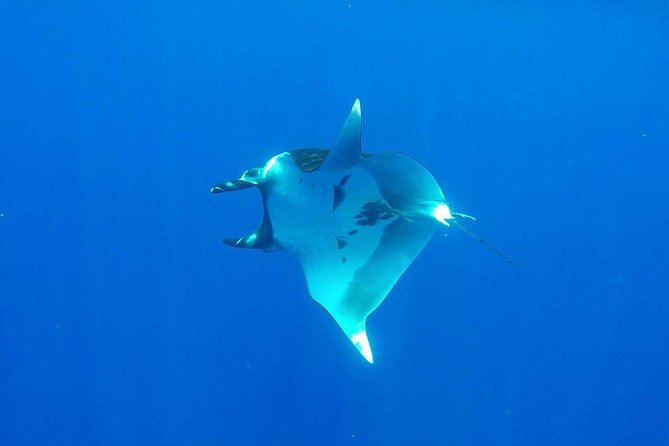
After the whale portion, you head to a calmer environment in the lagoon. This stop is short—about 10 minutes—but it adds variety in a way that makes the overall trip feel like more than just whales.
The lagoon snorkeling includes stingrays and reef sharks. Since it’s in the lagoon, you’ll likely get a different feel than the open ocean: more clarity in some spots, more manageable water movement, and an easier chance to enjoy the snorkeling without the big-wave challenge.
Because the time is limited, I’d treat this as your “make it count” moment. Get your mask sorted early, breathe steadily, and keep your eyes open for movement near the sand or where the water depth changes.
And if you’re picky about gear, read between the lines. One review complained about snorkel equipment quality. Most people report they get what they need, but if you’ve had rough luck with masks or fin straps before, it’s worth bringing your own small upgrades if you travel with them.
Pickup, equipment, and what you’ll carry (so you don’t end up annoyed)
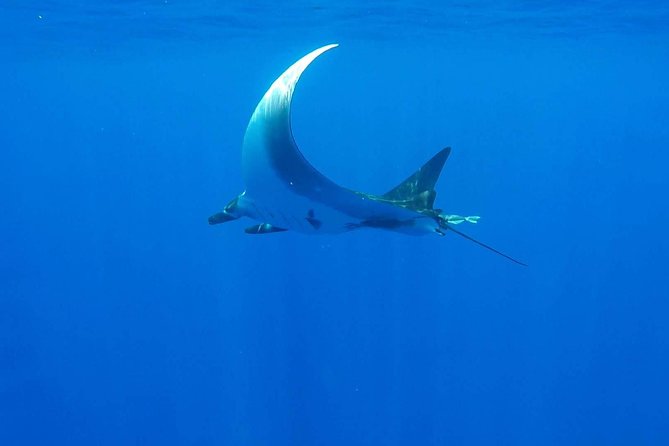
Included items are practical and help the trip run smoothly:
- Snorkeling equipment (plus a flotation device)
- Bottled water
- Private transportation
- A dry compartment
You’ll still want to plan for what isn’t included. Bring towels and sunscreen. Also, think about warmth. One review suggested bringing or asking for a wetsuit if you get cold. Even in tropical water, wind and spray can cool you down fast once you’re floating and holding position.
Gear note: if you tend to get motion sick, the “bring precautions” advice isn’t optional. You can be totally fine on land and then feel awful at sea. If you have a proven method—like specific motion-sickness meds, bracelets, or a plan for what you eat—use it.
One more small practical point: bottled water is listed as included, but one unhappy review raised concerns about how water was served. If you’re particular about hygiene or want consistent water, bring your own bottle as backup.
Safety and fitness: the part you shouldn’t gloss over
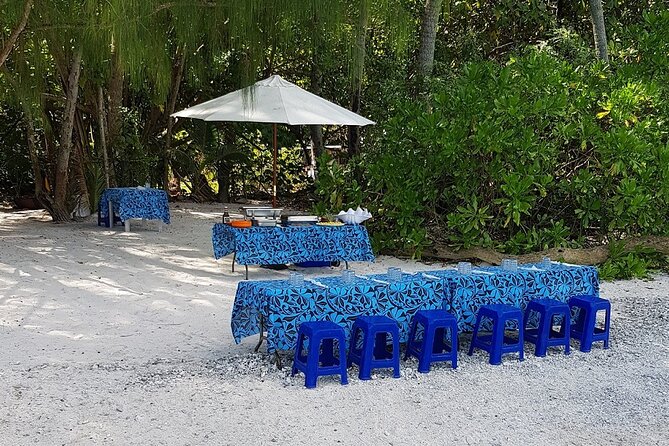
This is the requirement that makes or breaks the day. The tour asks for strong physical fitness, and you should be comfortable swimming in open ocean. It also says the activity can be physically demanding and assumes you know how to use snorkeling gear effectively (fins, mask, snorkel).
Even if launching is optional, the ocean itself is part of the deal. You’ll be on a boat in moving water. And if you choose to swim, you’ll be in open water, following the guide’s pacing and staying close enough to manage safely.
What I like is that the operation clearly cares about approach and behavior. Reviews praise safety management and clear instructions, and they mention the crew helping with gear and keeping a safe distance from whales. That’s reassuring because whale swimming isn’t just about excitement; it’s about control—breathing, spacing, and calm movement.
What I don’t love is that a small number of reviews mention inconsistent safety briefing details or equipment that didn’t meet expectations. If you’re the type who needs a very thorough pre-water check, show up early, ask questions, and don’t assume anything. Good operators make it easy; you can still help yourself by being proactive.
Price and value: is $270.63 a fair deal?
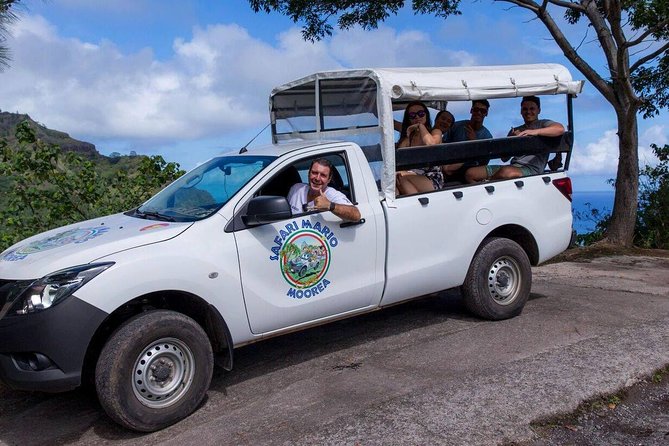
At $270.63 per person, this isn’t a cheap “boat ride and hope” excursion. You’re paying for:
- real whale-search time
- a small-group setup (max 8, with max 7 in the water including the guide)
- snorkeling gear and flotation support
- transportation and a structured two-part experience (whales + lagoon snorkeling)
That price can feel high until you compare it to what you’re actually getting: whales in open ocean plus the ability to swim when conditions allow, not just watch. Also, strict approach rules and limited water numbers cost more to operate because they reduce how many people can be satisfied per outing.
If your budget is tight, it comes down to you. If you’re comfortable swimming and you’re motivated by getting close to humpbacks, this feels like good value. If you’re not confident in open water or you’ll be miserable with waves, then you may not get full value from the price.
Guides, photos, and how to make the most of your moment
The strongest reviews focus on the human side: guides who are attentive, patient, and good at managing group movement. Multiple people named crew members like Joaquin, Carlos, Tamuti, Ike, Alfred, and others, and they singled out clear instructions and strong whale-spotting skills.
There’s also a photography element. Several reviews mention a professional photographer on board (again, Joaquin shows up in comments). You can often purchase photos/videos at the end, which is handy when you want proof of the day without spending the whole swim trying to film one-handed.
My advice: if you’re serious about photos, keep it simple. Focus on breathing and position during the swim. Let the photographer do the hard work. If you’re bringing a camera or GoPro, bring it only if you know you can use it without panic in moving water.
Who this whale tour suits best (and who should skip it)
This tour is best for:
- You if you’re an active swimmer who can handle open-ocean conditions.
- You if whale behavior and a respectful approach matter more than rushing to the next thing.
- You if you want a small-group experience with real guide attention.
It may not be your best match if:
- You’re likely to get knocked around by waves or you have significant motion sickness.
- You’re not comfortable using snorkeling gear or staying calm in open water.
- You want a totally relaxed, low-effort outing.
A helpful twist: launching isn’t required, so you can still participate and observe whales from the boat. Just keep expectations honest—you’ll still be on the water, and the day is built around sea conditions.
Should you book Whale Tour – Observe and swim with whales?
Book it if you can handle the physical side and you want the closest realistic whale encounter available in Moorea. The small-group water limit and the guide-controlled approach are the big reasons this tour can feel respectful instead of frantic. Add the short lagoon snorkeling with stingrays and reef sharks, and you get more variety for your time.
Skip it if open-ocean swimming makes you nervous or you tend to feel sick at sea. You might still enjoy whales from the boat, but if waves and motion are major issues for you, the “trying” part of the day can outweigh the reward.
If you’re on the fence, ask yourself one question: do you want a guided wildlife moment—or do you want a calm, gentle boat cruise? This one is built for the first.
FAQ
How long is the Moorea whale tour?
It runs for about 4 hours total, with roughly 3 hours 35 minutes at sea and about 10 minutes snorkeling in the lagoon.
Do they pick you up from your hotel?
Pickup is offered, and the tour includes private transportation.
What’s the maximum number of people allowed in the water?
The maximum number allowed in the water is 7, including the guide.
Can you watch whales without swimming in the water?
Yes. Launching is not obligatory, and you can observe the whales from the boat.
What snorkeling animals do you see on the lagoon stop?
The lagoon snorkeling includes stingrays and reef sharks.
What should you bring with you?
Bring towels and sunscreen. Snorkeling equipment, a flotation device, bottled water, and a dry compartment are included.