REVIEW · HOONAH
Guaranteed Whale Watching Adventure
Book on Viator →Operated by Icy Strait Whale Adventures · Bookable on Viator
Whales feel close on this Hoonah cruise. You’re going out where the action is, with guaranteed whale sightings at Icy Strait and Point Adolphus, plus a crew that keeps scanning for wildlife. I love that it’s run as a max-24 small-group outing, so you’re not stuck behind a wall of bodies.
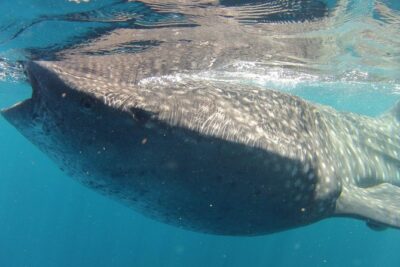
My second favorite part is the mix of species. You’re set up to look for orcas, humpbacks, sea lions, and sea otters, with extra chances for sea birds like eagles and even bears along the shoreline.
One thing to plan for: this is Alaska, so cold wind and rougher water can happen. Bring layers and a wind/rain jacket, and you’ll feel much better when the ocean gets a little chunky.
In This Review
- Key points worth knowing before you go
- Why Icy Strait + Point Adolphus is the winning combo
- The 3-hour plan: how the time is used on the water
- Time in Icy Strait: where the cruise does most of the work
- The Point Adolphus window: a focused humpback play
- Boat feel and viewing comfort on a max-24 trip
- Wildlife you can realistically expect (and what to watch for)
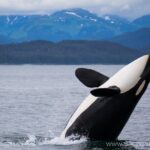
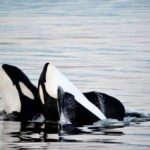
- Orcas: look for action and pod behavior
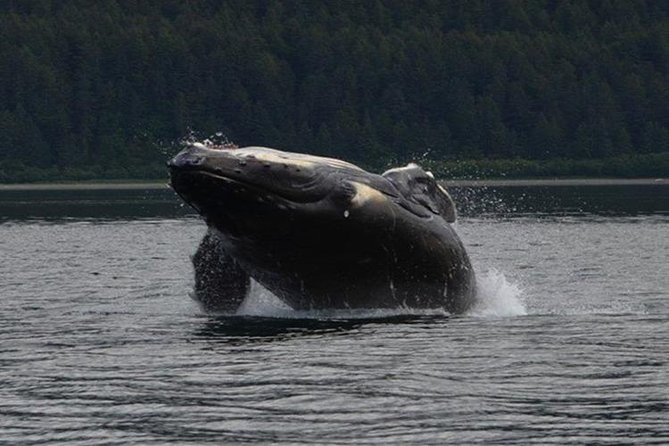
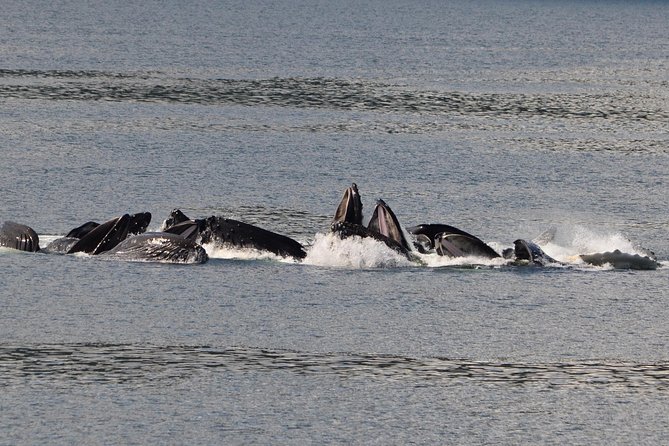
- Humpbacks: the Point Adolphus focus
- Sea otters and sea lions: the “surprise extras”
- Eagles, deer, and bears: shoreline spotting adds drama
- Guides on board: where the learning makes it better
- Price and value: is $195 a fair deal?
- Logistics that can trip you up (and how to avoid the stress)
- Weather tips: what to pack so you stay comfortable
- Who this whale watch is best for
- Should you book this guaranteed whale watch in Hoonah?
- FAQ
- Is whale watching guaranteed on this tour?
- How long is the cruise, and where do I meet?
- What animals are you likely to see besides whales?
- What should I bring?
- Does it run in bad weather?
- What is the group size?
Key points worth knowing before you go
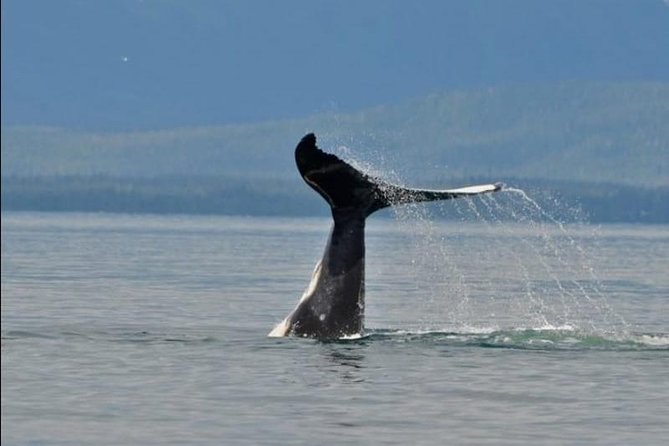
- Guaranteed whale sightings at both Icy Strait and Point Adolphus
- Small group size (24 max) for easier viewing and better photo angles
- Two wildlife-rich targets: long time in Icy Strait, then a focused stop at Point Adolphus
- Chance at multiple animals: orcas, humpbacks, sea otters, sea lions, porpoises, and more
- Helpful onboard guidance from naturalists and local guides (often including native heritage context)
- Pack your basics: rain gear, binoculars, and snacks are not included
Why Icy Strait + Point Adolphus is the winning combo
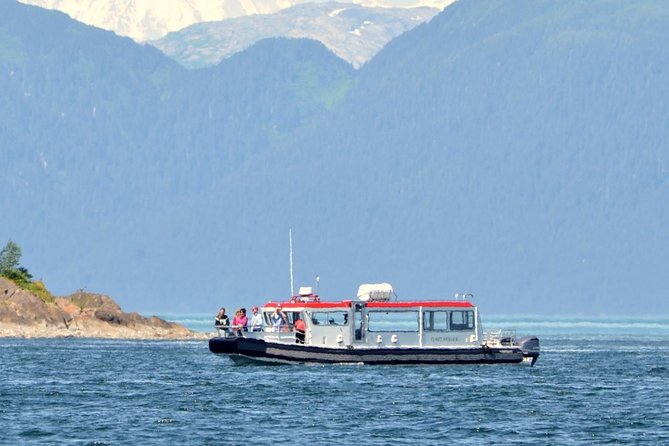
This tour is built around two places, not one. First you spend the majority of the time cruising the waters of Icy Strait, a known wildlife zone where you can see whales and a whole supporting cast. Then you head toward Point Adolphus, which is famous for humpback activity in Southeast Alaska.
That two-part setup matters because whale behavior is unpredictable. Even when whales are in the general area, what shows up near your boat can vary by hour, tide, and weather. By targeting both waters, you’re stacking your odds without adding extra travel time.
You’ll also feel the benefit of small-group energy. With a maximum of 24 people, the guides can keep an eye on who needs help locating wildlife, and you’re more likely to get clear sightlines instead of fighting for a position.
You can also read our reviews of more tours and experiences in Hoonah.
The 3-hour plan: how the time is used on the water
Think of the trip as one continuous “wildlife hunt,” with two distinct phases.
Time in Icy Strait: where the cruise does most of the work
The bulk of the outing is centered on Icy Strait waters. You’re out long enough to let things play out: whales surface, move, and circle, and wildlife often shows itself in bursts rather than on a steady schedule.
This portion is where you’re looking for orcas (killer whales), humpbacks, sea otters, sea lions, harbor seals, Dall’s porpoise, and Stellar sea lions. You’re also scanning for wildlife along the shore—brown bears may wander near the coastline, and Sitka black-tailed deer can show up. Bald eagles are another possibility when you spot them perched in treetop views.
One practical upside of spending more time here: if the water is a little rough at first, the captain has time to find a better rhythm and a productive area.
The Point Adolphus window: a focused humpback play
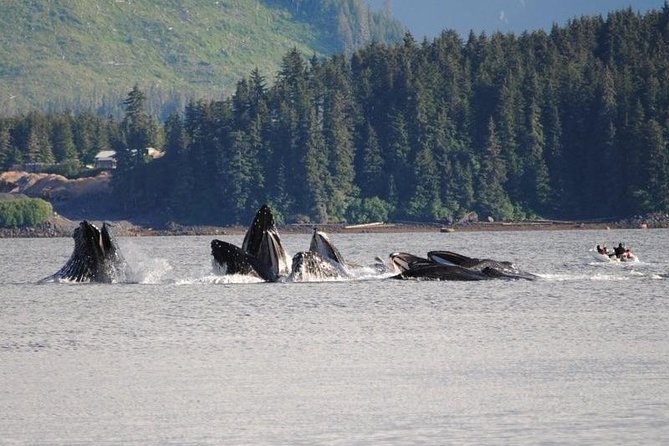
After Icy Strait, the cruise includes time at Point Adolphus, a high-activity humpback viewing spot. This is the part of the itinerary that turns a generic whale watch into a more intentional one.
In plain terms: the goal here is to give you a realistic chance at humpbacks during the window that matters. With guaranteed whale sightings tied to both areas, this stop is a key reason the tour feels confident—when you arrive, you’re not just “going whale watching.” You’re aiming at a specific type of whale behavior in a known area.
Boat feel and viewing comfort on a max-24 trip
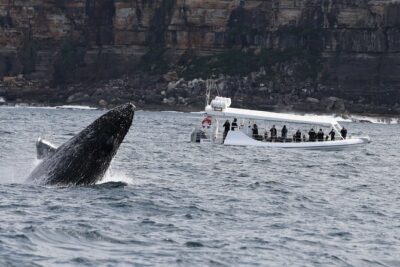
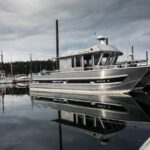
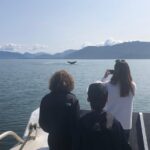
This is a small-boat style experience. That’s a plus for wildlife viewing because smaller vessels tend to get you closer (within safe limits) and keep sightlines more manageable.
Here’s what you should expect from the setup:
- You’ll likely be seated along the sides, with open viewing options when conditions allow.
- When weather turns nasty, onboard cover helps. You’ll still want layers, but you won’t be totally exposed.
- Plan for a bathroom onboard, since it’s a few hours on the water.
Also pay attention to where you stand. Some portions of the viewing area can be more open to the elements than others, and if you’re bringing kids, the open sections may be less ideal for nonstop running around. For most people, though, the small-group format makes it easier to find a good spot for spotting, pointing, and photographing.
Wildlife you can realistically expect (and what to watch for)
Even with guaranteed whale sightings, you shouldn’t only plan for one species. The tour is designed for variety, and the scenery often turns into a moving wildlife documentary.
Orcas: look for action and pod behavior
Orcas are among the headline animals. When they show up, they can move through an area quickly. The best advice is simple: stay ready between sightings. Wildlife can pop up, linger, and then vanish as the pod shifts.
Humpbacks: the Point Adolphus focus
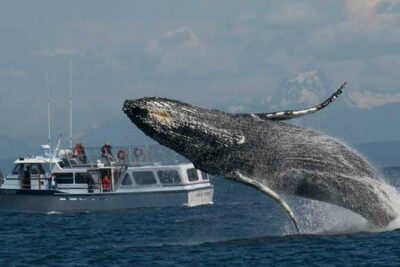
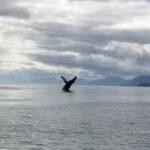
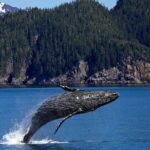
Humpbacks are a major target, especially during the Point Adolphus portion. Watch for surfacing rhythms and listen for guide callouts when whales change behavior—moving from one area to another often means you’re about to see more than one surface.
Sea otters and sea lions: the “surprise extras”
Sea otters and sea lions are often easier to spot than whales because they’re smaller and move in visible patterns. Otters in particular tend to be active at the surface, so if you’re scanning constantly, you might catch them even while waiting on a larger whale.
Eagles, deer, and bears: shoreline spotting adds drama
Not every trip gets bears, but the shoreline scanning is part of the fun. Eagles perched high in trees are a good sign you’re looking at a productive habitat edge, and deer tracks or movement can happen near the waterline.
If you’re the type who loves wildlife beyond whales, this tour has enough extras to keep you interested even when whales are between surface intervals.
Guides on board: where the learning makes it better
A whale watch is fun, but it’s even better when you understand what you’re seeing. This tour includes narration and wildlife interpretation, and you may hear cultural context from local guides.
Names you might encounter include guides such as Macy, Alana/Allana, Adriana, and Lauren, with captains including Carl, Jonah, and Bob mentioned in past outings. Even if you don’t get the exact same guide, the style of the experience is similar: hands-on spotting plus explanation of whale behavior and what it means in the local environment.
One detail that stands out from past experiences: captains and crew actively communicate with other vessels to find the best area. That doesn’t change the guarantee, but it helps the day feel purposeful when conditions are challenging.
Price and value: is $195 a fair deal?
At $195 per person for about 3 hours, this isn’t a cheap impulse buy. But the value is built into what you’re paying for.
Here’s how the price pencils out in real travel terms:
- Guaranteed whale sightings at two targeted areas gives you more certainty than typical “chance” tours.
- Small-group format (24 max) reduces the viewing chaos that can happen on larger boats.
- Transfers included help you avoid another layer of logistics and time pressure.
- Refund protections are part of the deal if the ship cancels or arrives late.
Demand is high too, with an average booking window of about 121 days in advance. That’s usually a sign you’re competing for limited seats rather than paying a premium for a gimmick.
If your top goal is whales and you want a calmer, more focused experience, this price can feel reasonable. If you’re only looking for a scenic cruise and you’re flexible about animal sightings, you might find cheaper options elsewhere. For wildlife-first travelers, though, this is priced for a reason.
Logistics that can trip you up (and how to avoid the stress)
Most of the experience is straightforward: you meet at 108 Cannery Rd in Hoonah, return to the same place, and transfers bring you to the vessel.
That said, a few practical things can make or break your morning:
- Arrive early. Even when the walk feels easy, timing details can get confusing when you’re moving between the ship area and the excursion hub.
- Bring your mobile ticket access plan. Some areas around Hoonah have spotty/no cellular access, so screenshot or save your confirmation before you arrive.
- Expect weather adjustments. This tour runs in all weather conditions except small craft advisory, so dress for wind and spray even if the sky looks fine at check-in.
For mobility needs, there’s also a care cart option from the ship’s gangway to the excursion hub. The important part: plan extra time (about 20 minutes) so you’re not rushing.
Weather tips: what to pack so you stay comfortable
This tour is designed to operate in all weather conditions except small craft advisory, which means you should not treat rain as a rare exception. It’s normal.
Pack like you’re going to be outside for a while:
- Wind/rain jacket you can layer over warm clothes
- Hat and gloves
- Layers, because temp swings can happen fast on the water
- Optional but smart: binoculars (not included)
You’ll also want to think about snacks. Snacks aren’t included, so bring something easy for before or after the cruise. If you get hangry, you’ll notice it more on a cold deck.
Who this whale watch is best for
This is a strong fit for:
- Couples who want small-group access and a calmer photo experience
- Families who like wildlife and appreciate onboard narration
- Anyone who wants a real shot at multiple species, not just hoping for one whale surface
If you have a tight schedule, the roughly 3-hour format is manageable. If you hate cold and wind, plan to dress properly rather than relying on the “it’ll be fine” feeling.
And if you’re the type who enjoys the cultural side of wildlife viewing, you’ll likely appreciate the local guide context shared during the trip.
Should you book this guaranteed whale watch in Hoonah?
I’d book it if:
- Your main priority is seeing whales during your Alaska visit
- You want a smaller boat experience instead of a crowded cattle-car setup
- You’re okay paying more for certainty and comfort
I might hesitate if:
- You’re only interested in one specific whale species and are very sensitive to variability (the day can still surprise you)
- You don’t want to dress for wind and cold, since the tour runs in real coastal conditions
- You dislike itineraries where you need to stay alert to timing details and where “meeting point clarity” may require extra patience
If you’re aiming for a genuine wildlife-focused outing with a strong whale plan, this one makes a lot of sense.
FAQ
Is whale watching guaranteed on this tour?
Yes. Whale sightings are guaranteed at Icy Strait & Point Adolphus.
How long is the cruise, and where do I meet?
The tour lasts about 3 hours. You meet at 108 Cannery Rd, Hoonah, AK 99829, and the tour ends at the same address at the dock where the vessel departs.
What animals are you likely to see besides whales?
You can look for orcas and humpbacks, plus sea lions and sea otters. The cruise also mentions possible sightings of Stellar sea lions, harbor seals, Dall’s porpoise, and wildlife along the shoreline like brown bears, Sitka black-tailed deer, and bald eagles.
What should I bring?
Rain gear is not included, and neither are binoculars or snacks. Dress in layers, and bring a wind/rain jacket, hat, and gloves.
Does it run in bad weather?
It operates in all weather conditions except small craft advisory. The guidance is to dress in layers and bring wind/rain protection.
What is the group size?
This activity has a maximum of 24 travelers.