REVIEW · MOOREA
Whale watching and snorkelling in Moorea
Book on Viator →Operated by Lagoon Vibes · Bookable on Viator
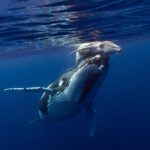
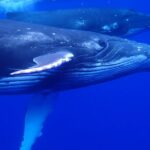
Whales can feel surprisingly close in Moorea. This 4-hour Lagoon Vibes outing lets you hunt for humpbacks during their seasonal migration, and in the right conditions you may snorkel where they surface. Guided by the team’s focus on safety and whale welfare, the experience is part boat viewing, part ocean snorkeling—no guesswork about what to do next.
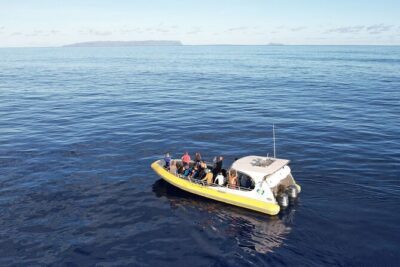
I especially love the small group setup (up to 6 people), which keeps the search efficient and the water time more flexible. I also like the energy and skill of the crew, including guide Ivy and Captain Christoph, who work as a tight team when it comes to spotting whales and positioning the boat for the best views.
The one drawback to plan around: you need solid comfort in open water. If the sea is rough or visibility is poor, snorkeling can be limited, and you’ll still be in the ocean launches with fins and mask—plus you must be able to climb back up the ladder.
In This Review
- Key things that make this whale trip worth your time
- Whale search on Moorea’s coast: what the 4 hours feel like
- Ivy and Captain Christoph: how the team manages whale viewing
- Snorkeling in the open ocean: what you’re really signing up for
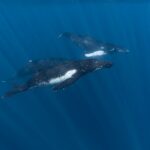
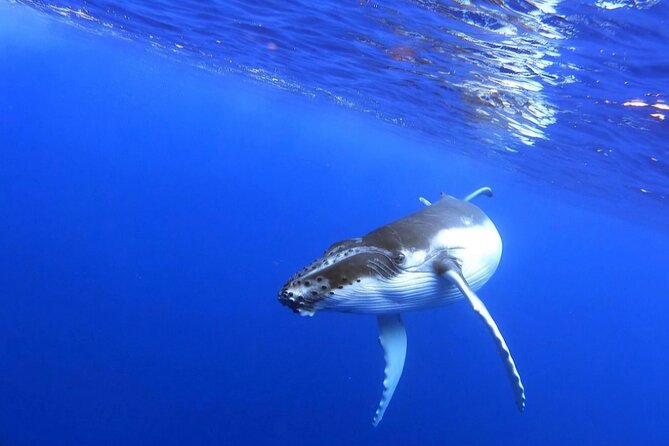
- What you might see: humpbacks, calves, and the bonus marine sightings
- Group size, included gear, and the value of $230.78
- Practical tips that make or break your day
- Weather matters: when snorkeling is limited and when it’s still worth it
- Should you book Lagoon Vibes in Moorea?
- FAQ
- How long is the whale watching and snorkeling tour?
- Where do we meet for Lagoon Vibes in Moorea?
- What is the maximum group size?
- Do I have to go snorkeling in the water?
- What physical requirements should I prepare for?
- Is there an age requirement?
- What if weather is bad?
Key things that make this whale trip worth your time
- Up to 6 people keeps the experience intimate and the whale search less “cattle herding.”
- Ivy and Captain Christoph guide whale viewing and can match your position to what the animals are doing.
- Snorkeling is conditional on sea conditions and whale behavior; you can also stay in the boat if you want.
- Gear is provided, including snorkel setup and wetsuits, so you’re not hunting for extras last minute.
- Respect for whales matters here, including staying mindful of distance and other boats.
- You’re on the water long enough (about 4 hours) to try multiple spots when the first area doesn’t deliver.
Whale search on Moorea’s coast: what the 4 hours feel like
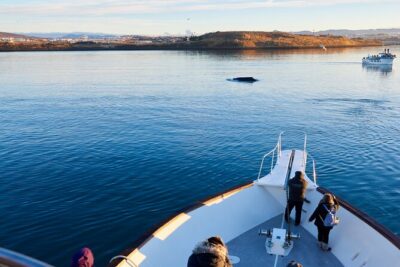
This is a boat-first whale watching experience. You start at the cruise quay area (Quai des croisières, Moorea), board up with your group, then head along the water to look for signs of humpbacks. The mood on the boat is usually active—people aren’t just sitting around hoping for a miracle—because the guides are watching for specific behaviors.
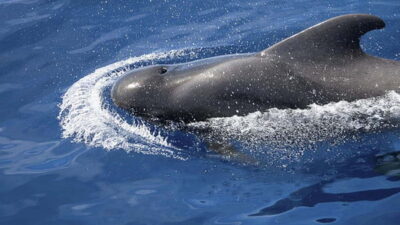
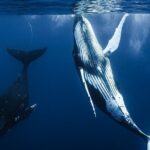
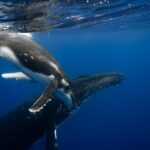
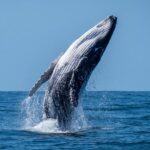
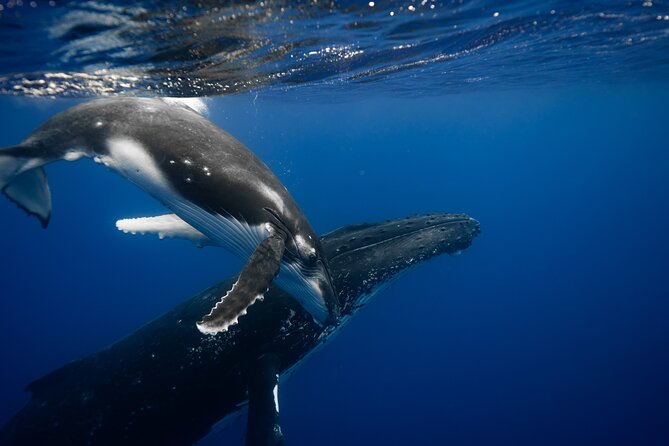
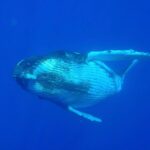
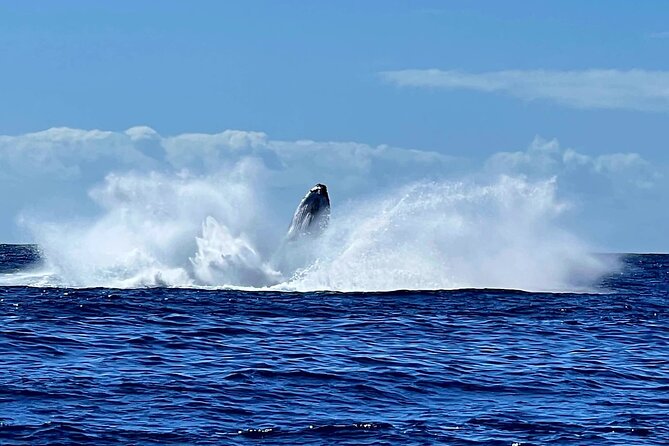
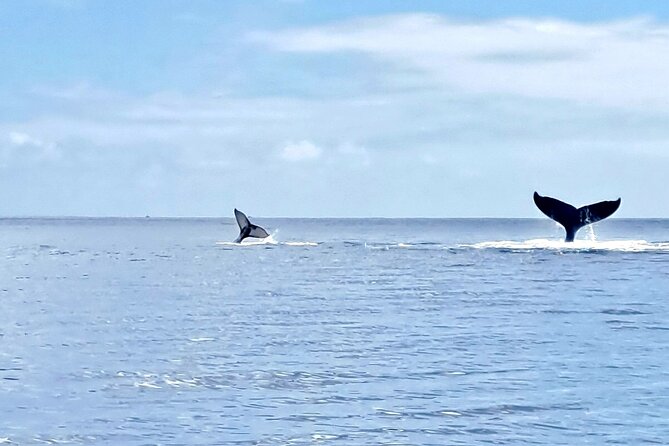
What makes whale watching in Moorea fun is how changeable it can be. In the best moments you might see calves close to adults, hear vocalizations (like a singing male), or catch dramatic surface behaviors such as breaches, fin slaps, and tails coming out of the water. You’re not guaranteed every spectacle, but the guiding approach is built around reading the sea and the whales rather than treating the trip like a checklist.
A practical note: many other trips are shorter. Here, the extra time matters because whales don’t always show up on schedule. With about 4 hours, you get time to move, re-position, and try again if the first stretch doesn’t cooperate.
You can also read our reviews of more tours and experiences in Moorea.
Ivy and Captain Christoph: how the team manages whale viewing
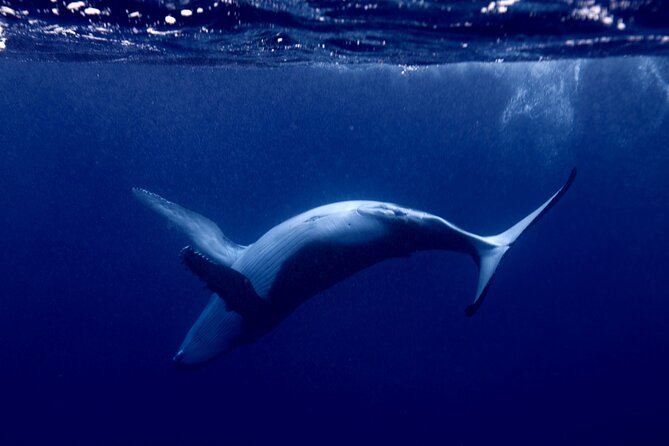
The crew’s biggest job is simple: put you close enough for real memories, without making the whale feel crowded. In the experiences shared from this tour, guide Ivy is repeatedly praised for recognizing whale activity quickly—even underwater—while Captain Christoph focuses on the navigation and boat handling that gets you into the right place.
That matters more than it sounds. Getting the boat position right is hard, especially with swell and wind. More than once, people mentioned rougher conditions where it was still possible to spot whales, but the snorkeling logistics became the limiting factor. When you understand that, it helps you appreciate what the guides are doing. They aren’t just driving around. They’re adjusting to the water and using the whales’ patterns to set up your viewing moments.
You’ll also get clear instructions before any ocean launch. This isn’t a “good luck out there” situation. You’ll be told how the swim works, what you should do, and how the guide will supervise you. The goal is to keep you safe and keep the whales calm.
Snorkeling in the open ocean: what you’re really signing up for
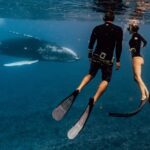
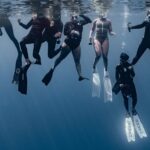
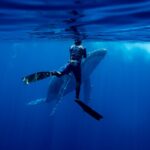
Snorkeling is the highlight for many people—but it’s also the part that requires the most comfort. The tour can include snorkeling if (1) sea conditions allow it and (2) whales’ behavior fits what’s safe and respectful. When it does work, you’ll go in with fins, mask, and snorkel, supervised by the aquatic guide.
Here’s what you should know before you book:
- You need to be comfortable with fins and a snorkel mask for the launch.
- You must be able to climb back up the boat ladder after being in the water.
- The tour information specifies good physical fitness and mentions being more than 15 years old for ocean launches.
- You’re expected to be able to swim roughly 300 meters autonomously during open-water launches.
That swim distance is a key detail. It doesn’t mean you need to be a competitive swimmer, but it does mean you should feel steady with endurance and technique. If you’re the type who gets tired fast, this part could feel stressful—especially with ocean chop.
One more thing that comes up in the real world: visibility. Even when whales are around, underwater visibility can drop when the water is stirred up. In those cases, you might get more whale watching from the boat than you do close-up swimming underwater.
Still, there’s a big plus: you don’t have to go in if you don’t want to. The tour design allows for people to stay in the boat and get an experience from the surface and around the vessel. If snorkeling isn’t your thing on that day, you’re not doomed to miss the whale part.
What you might see: humpbacks, calves, and the bonus marine sightings
Moorea’s humpbacks can be a show. In the best scenarios you may see:
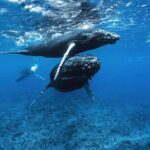
- A mother and calf close to the boat
- Breaching and fin-flapping behavior near the surface
- A singing male type of moment (people have specifically reported hearing singing during swimming time)
- Pectoral fin strikes and tails coming out of the water
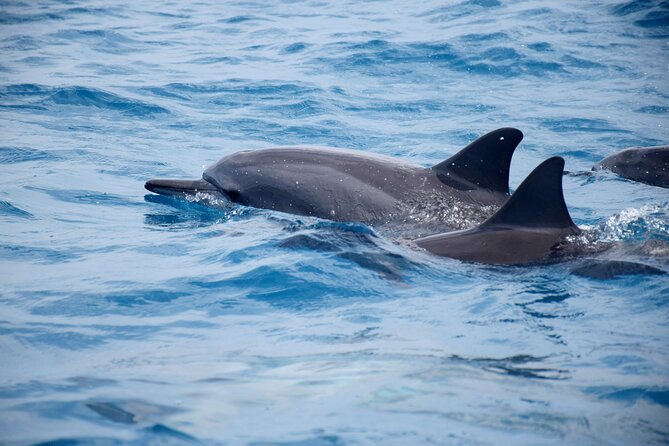
The tour also notes that encounters aren’t limited to whales. If conditions allow, you might meet dolphins, globe/possibly small dolphin types (the listing says globicles), turtles, skates, and sharks. That range isn’t just marketing—some of the experiences you’ll find associated with this trip mention seeing dolphins and a turtle, and even sharks as a bonus.
In real life, the animal lineup often depends on time, location, and what the ocean gives you that day. But the way the team searches means you’re likely to get more than one “moment.” Some people reported snorkeling multiple times during the tour when conditions and whale behavior aligned.
Group size, included gear, and the value of $230.78
At $230.78 per person, this isn’t the cheapest whale outing. What makes it easier to justify is that you’re paying for a mix of things that add up in practice:
- Small group size (max 6): fewer people to manage, more flexibility in where you go next.
- Dedicated aquatic guide if snorkeling happens: you’re not just handed gear and left alone.
- Gear provided, including wetsuits and snorkel equipment: that’s real value in French Polynesia, where buying the right stuff isn’t always convenient.
- Snacks/drinks mentioned in people’s experiences: the longer time at sea feels less like a chore.
- Multiple attempts: with around 4 hours, you may have more than one chance to find active whales.
Then there’s the quality factor. Several people highlighted how the crew kept interactions respectful—distance, boat behavior, and not rushing the animals. When you’re paying for something involving wildlife, that “how” matters. You want a team that treats the whales as the main event, not the background for your photo.
Also, a small but memorable value-add: some experiences mention receiving bonus videos from the team with better quality than personal footage. That’s not guaranteed in advance, but it’s a sign of how seriously they approach the experience.
Practical tips that make or break your day
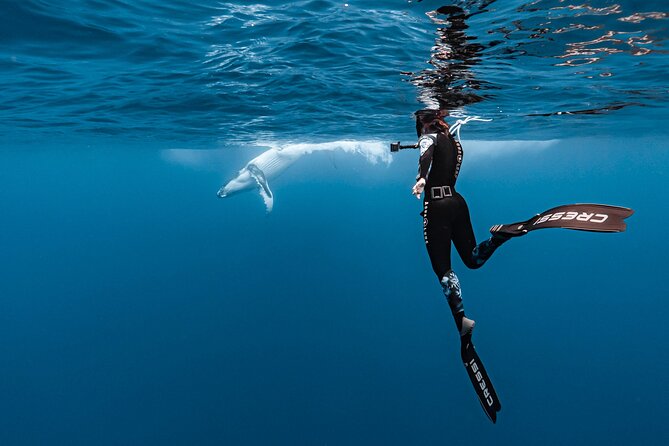
This tour can be amazing, but it’s still an open-water activity. A few practical things can help you enjoy it more:
- Bring motion-sickness help if you’re sensitive. One experience specifically warned that rough waves can happen, and you’ll want a remedy ready.
- Wear swim-friendly gear you can get on and off quickly. You’ll be in and out of the water, and you’ll want comfort.
- Plan for physical effort. Even if you’re experienced at snorkeling, open ocean launches with fins and a longer swim requirement are work.
- Don’t overthink the whale timing. When conditions don’t line up for underwater visibility or safe launches, the crew may switch your experience to more viewing from the boat.
- Expect to work a bit to find the whales underwater. People described being guided to the right spot, but they also mentioned swimming distance in search moments.
If you can, a smart strategy is to build your schedule with flexibility. The ocean can change fast. If your itinerary allows, doing more than one whale-related outing on different days improves your odds of matching whales with the best conditions.
Weather matters: when snorkeling is limited and when it’s still worth it
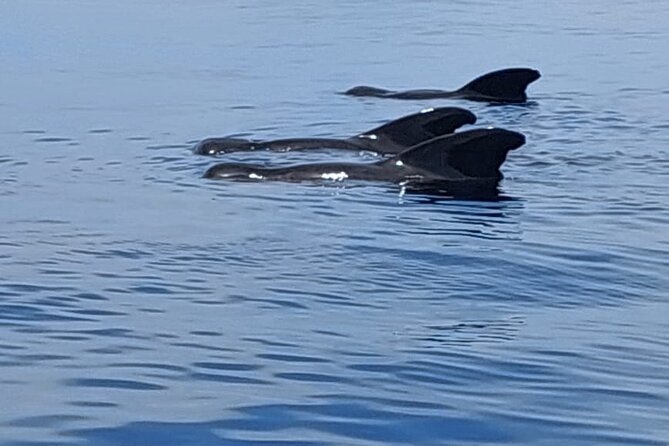
This activity requires good weather. That doesn’t just mean it might cancel—it means the ocean decides what you can safely do that day. If the sea state is choppy, you might still see whales from the boat, but the swim and visibility can suffer.
When snorkeling is limited, it can feel disappointing, especially if you came for the in-water part. The thing to keep in mind is that you still get whale behavior close up from the surface. People have described whales passing near the boat and calves playing around in sighting moments, even when underwater conditions were not ideal.
If you’re worried about weather, here’s the most helpful mindset: treat it as a whale watching trip first. Snorkeling is a bonus when the day supports it.
Should you book Lagoon Vibes in Moorea?
If you want a whale trip that feels personal and runs with discipline, I’d book this. The small group size, the guidance from Ivy and Captain Christoph, the focus on safe whale interactions, and the fact that gear and support are included all point to strong value for the price.
Book it if:
- You’re comfortable with fins, mask, and open water
- You can handle some physical effort (including climbing back onto the ladder)
- You want a team that prioritizes animal welfare and safe boat behavior
- You’d enjoy a bonus chance at dolphins, turtles, and other marine life
Skip it (or choose a gentler option) if:
- You can’t meet the snorkeling readiness requirements (open-water comfort and the ability to swim the required distance)
- Rough seas would likely ruin the day for you emotionally or physically
For most people, though, this is a solid “one big memory” tour. When whales decide to show up—and the ocean cooperates—you’ll get that rare mix of seeing humpbacks up close and having a chance to share the water with them.
FAQ
How long is the whale watching and snorkeling tour?
It runs about 4 hours.
Where do we meet for Lagoon Vibes in Moorea?
The start point is Quai des croisières (listed with Google Plus Code G56J+9VV), and the activity ends back at the meeting point.
What is the maximum group size?
The tour has a maximum of 6 travelers.
Do I have to go snorkeling in the water?
No. You can choose not to get in the water. If sea conditions and whale behavior allow, the guide may offer snorkeling and will supervise launches for safety.
What physical requirements should I prepare for?
You should be in strong physical condition, comfortable using fins and a snorkel mask, able to climb back up the boat ladder, and able to swim about 300 meters autonomously for ocean launches.
Is there an age requirement?
Ocean launches are for people more than 15 years old.
What if weather is bad?
This experience requires good weather. If it’s canceled due to poor weather, you’ll be offered another date or a full refund.