REVIEW · MOOREA
WHALE TOUR – Watching and Swimming with Whales
Book on Viator →Operated by Temoana Tours · Bookable on Viator
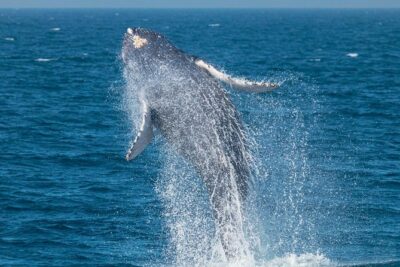
Humpback whales in swimming distance sounds unreal. This Moorea tour is built around respectful launches and a small group, so you spend your time chasing the right whales—not just idling on the water. You’ll be guided by the crew’s call on when to go in, based on weather and the whales’ behavior.
What I really like is the tight cap: maximum 6 travelers, which keeps the experience personal. I also like the way the guide team (including Nicolas the captain and Henua or Nicolas-style guiding) focuses on safety and keeping the group together while still giving you chances to get in the water.
One thing to consider: this is a real ocean day. If the sea is choppy or you’re not a confident swimmer, you may end up watching more from the boat than in-water time.
In This Review
- Key highlights worth planning for
- Moorea start point: a small-boat day with clear expectations
- Who runs the show: the crew you’re relying on
- The whale launch rule: they wait for the right moment
- Swimming with humpbacks: what you’re signing up for
- Boat ride realities: open-air means you’ll feel the weather
- Timing, whale sightings, and why in-water time varies
- What you’ll feel during the swim: excitement meets discipline
- The price question: is $327.95 worth it?
- Who should book this whale swim—and who should think twice
- A day plan that keeps you comfortable
- Should you book this whale tour in Moorea?
- FAQ
- How long is the whale watching and swimming tour?
- What’s the group size limit?
- Is pickup available?
- Where do we meet?
- What fitness level do I need?
- What happens if weather is poor?
Key highlights worth planning for
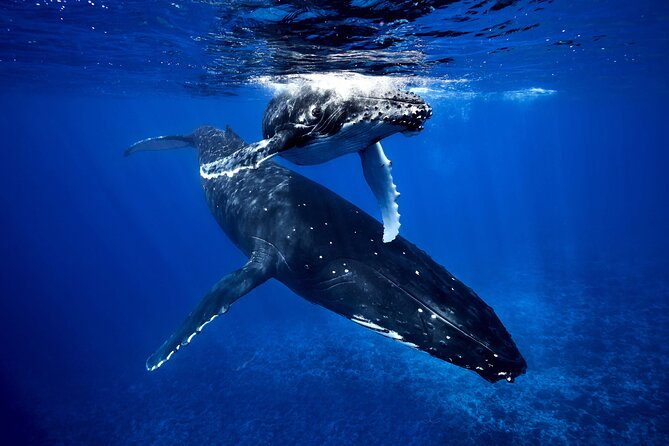
- Max 6 travelers means less crowding and a more controlled swim setup
- Launches happen only when conditions are right, based on weather and whale behavior
- Your guide actively manages safety during entries, swims, and regrouping
- Open-air boat reality: rain, wind, and swell are part of the deal
- You may get multiple chances in the water, and seeing a mother and calf is a common win
- Food-and-drink extras show up after the session (some days include beers)
Moorea start point: a small-boat day with clear expectations
Your day begins at Quai des croisières in Moorea (the meeting point is clearly marked as Quai des croisières G56J+9VV). If you’re staying in a place where getting to the dock is annoying, pickup is offered, which saves you the hassle of guessing taxis at the last minute.
Expect a straightforward flow: arrive, confirm your mobile ticket, meet your crew, then head out. This tour keeps the group small, and that matters. With fewer people, the captain and guide can spend more attention on spacing, timing, and safe whale distance—things you feel instantly once you’re on the water.
Duration is listed at about 4 hours, but the real timeline depends on where the whales are and what the sea is doing. Think of it as a half-day ocean mission, not a rigid schedule.
You can also read our reviews of more tours and experiences in Moorea.

Who runs the show: the crew you’re relying on
This tour’s success is tied to the captain and guide team. In the feedback, names come up again and again, especially Nicolas (captain) and guides like Henua (and occasionally other guides mentioned by name). The pattern is consistent: the crew is focused on finding the whales, then managing the experience with calm professionalism.
Here’s why that matters for you. With whale swims, one mistake costs time, and safety can turn from controlled to chaotic fast. A good team does two jobs at once:
- They keep the boat handling smooth, even when the water is rolling.
- They keep swimmers organized so everyone regroups safely.
More than one account also mentions the guide coordinating with other boats to find sightings and improve the chances of getting in the water at the right moment. That kind of effort isn’t glamorous, but it’s exactly what moves this from a nice outing to a memory-maker.
The whale launch rule: they wait for the right moment
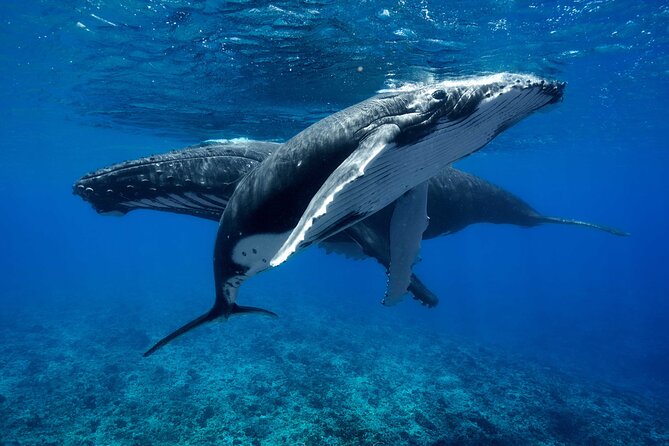
A big detail in the tour description is the decision process. The guide proposes the launch only after observing that weather conditions and the behavior of the animals are favorable. In plain terms: they don’t rush you into the water just because someone shouted whale.
That approach is what helps this tour feel both exciting and controlled. It also reduces the odds of chaotic splashing that can stress the animals and the group.
You should still expect some waiting. Whale encounters are not factory production. One review highlights that there can be a lot of waiting, then a sudden payoff. That’s the nature of this kind of wildlife activity—your crew simply tries to time it so the wait turns into a real swim opportunity instead of just a distant sighting.
Swimming with humpbacks: what you’re signing up for
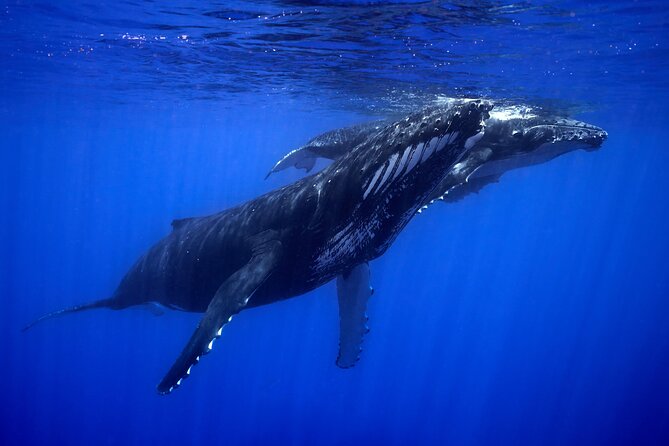
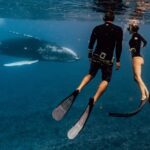
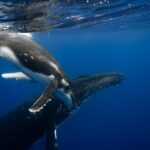
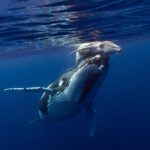
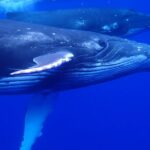
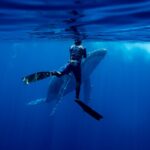
This is a swimming tour, not just a boat tour. You’re there for the emotional moment of being alongside humpback whales in the water, and the crew’s goal is to make that happen safely and respectfully.
A few practical realities from the experience style:
- You’ll need to be comfortable in open water and swimming while keeping goggles and snorkel sorted.
- The group tempo can be quick when you’re chasing the whales’ surfacing patterns.
- You might see the whales from the boat first, then get chances to enter later when conditions line up.
Why this matters: if you’re a confident swimmer, you’re more likely to actually reach the “mother and baby” moments that people remember for years. If you’re not sure about swimming stamina, take the tour description’s moderate fitness guidance seriously. Even riding the boat can feel tiring if the sea is rough.
If you do get in, expect it to feel strenuous. More than one account calls out that getting close and staying near the whales is harder work than it looks from shore.
Boat ride realities: open-air means you’ll feel the weather
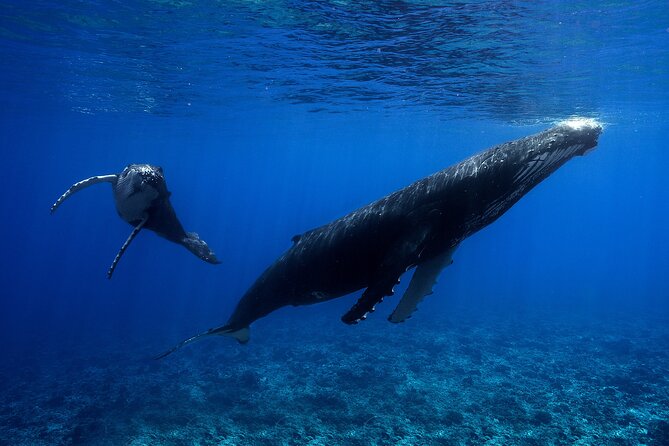
One review spells it out: the boat is open-air with no real protection from the elements. That’s a deal-breaker for some people, especially if you run cold easily.
So plan for this like you would a windy marine day:
- Bring warm layers you can manage while moving around on deck.
- Dress for wind chill, not just sunshine.
- If you’re sensitive to motion, consider bringing what you use for sea-sickness.
There’s a specific mention of people recommending gravol for those who get sick. That’s not a sign the tour is unsafe—it’s a sign the ocean can be the ocean, even when the crew is doing everything right.
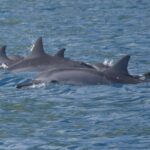
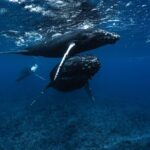
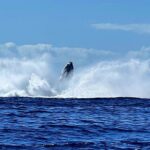
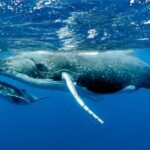

Timing, whale sightings, and why in-water time varies
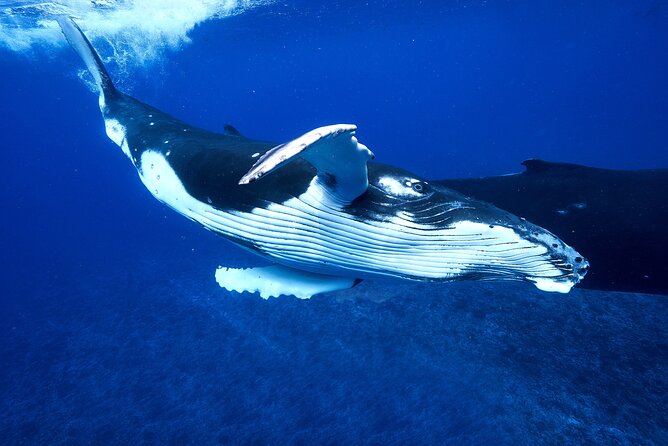
Here’s the honest value lesson: whale time is partly luck. Your crew can do everything right and still get different results day to day, because humpbacks move freely.
What you can control is your expectations:
- Some trips can line up with multiple in-water attempts.
- On other days, you might spend more time viewing from the boat.
- The closeness and duration of a swim depend on the whales’ behavior and sea conditions.
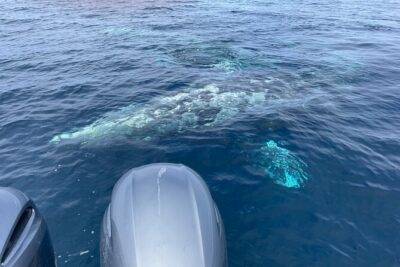
One account even mentions they ended up swimming a mother and calf after earlier tries, which fits the way the launch decision works: go in when it makes sense, not when it’s convenient. Another notes that they received only short in-water windows during multiple rounds. That’s a reminder that “swim with whales” can mean different levels of time in the water.
This is also why the crew’s restraint matters. A respectful operator prioritizes whale distance and animal behavior over squeezing more bodies into the water at any cost.
What you’ll feel during the swim: excitement meets discipline
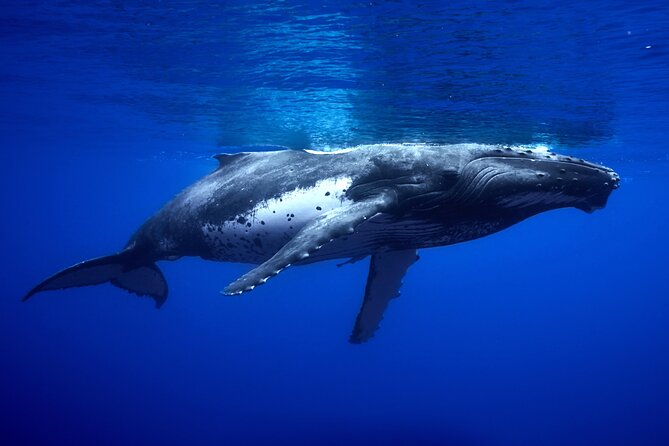
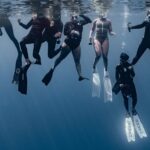
Swimming with whales is emotional. But it’s also not free-for-all. The best part of this tour seems to be the discipline on the water—keeping swimmers safe, grouping people well, and guiding you to the best viewing moments.
If you’re imagining a leisurely snorkel, adjust that picture. The pace can be high when the whale is surfacing and moving. One account mentions the challenge of adjusting goggles in rough conditions and keeping up in deep water with waves—so if you bring gear, make sure it’s secure, and practice fast setup if you can.
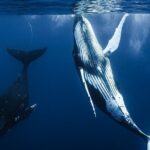
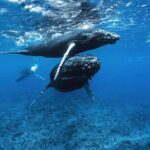
The plus: when it works, it’s unforgettable. People repeatedly describe seeing whales up close, including mother-and-calf encounters, and feeling cared for by a team that is actively watching everyone in the water.
The price question: is $327.95 worth it?
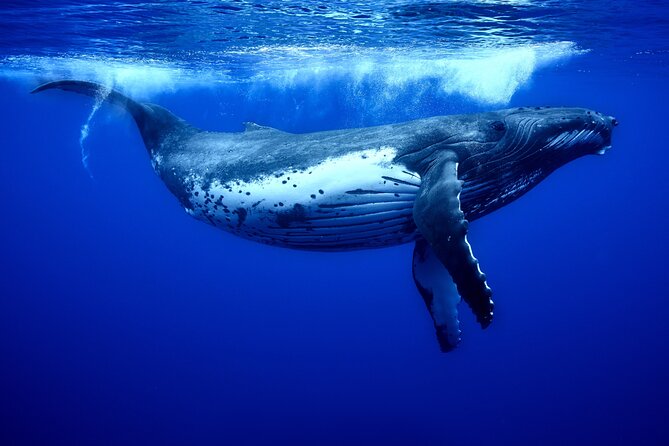
At $327.95 per person (with mobile ticketing), this isn’t a budget activity. So here’s where the value equation comes from—based on how the tour is run.
You’re paying for:
- Small group size (max 6), which reduces chaos and makes safety management more realistic.
- A safety-first launch rule tied to whale behavior and sea conditions.
- Hands-on guiding during swims and regrouping.
- A captain/guide team that’s clearly experienced in getting people into the right spots safely.
- On some days, extra comfort touches like beers after the session are mentioned.
Could it feel pricey if your day turns into mostly boat viewing? Yes. That’s part of wildlife tours. Your return on money depends on conditions and whale movement.
But if you want an operation that prioritizes respectful behavior, controlled launches, and a serious guide team—this price starts to make sense. You’re not just buying a chance to see whales. You’re buying a structure that aims to protect the animals and give you real odds of entering the water.
Who should book this whale swim—and who should think twice
This tour is a good fit if you:
- Can swim confidently and handle open-water snorkeling.
- Want a hands-on whale experience, not just photos from the boat.
- Appreciate a crew that watches weather, animal behavior, and group safety.
It may be a poor fit if you:
- Get motion sick easily and don’t plan for it.
- Get cold fast in wind/rain, since the boat is open-air.
- Are only comfortable in calm water and prefer low physical effort.
Also think about your group expectations. When people go in and how long they’re in depends on what the ocean and whales allow. The tour is designed for respect, not maximum time for everyone every round.
A day plan that keeps you comfortable
You can’t control the sea, but you can control your prep. For this kind of swim-focused outing in Moorea, I’d plan like this:
- Wear a swim-ready base layer and bring warm backup clothes for after.
- Use gear that works fast: goggles that don’t take forever to adjust, snorkel setup you can manage while moving.
- If you’re motion sensitive, have your sea-sickness plan ready before you board.
- Bring a positive mindset for waiting. It’s often the price of getting the right moment.
And if you’re traveling on a tight schedule (like a cruise port day), this kind of tour is still workable because pickup is offered and the meeting point is fixed. In one account, the crew also helped arrange logistics (like taxi transfers and boat drop-off at the hotel), which suggests they understand the clock pressure that some visitors face.
Should you book this whale tour in Moorea?
I’d book it if your main goal is a real humpback encounter with a strong safety-and-respect ethic, and you’re ready to handle open-water conditions. The combination of small group size, strict launch timing, and a crew that actively manages the swim setup is exactly what you want when you’re trying to get in the water with whales.
I’d hesitate if you’re easily uncomfortable in rough seas, cold weather, or if swimming isn’t your strength. In that case, you might still enjoy whale viewing from the boat, but you’re less likely to get the in-water experience you’re picturing.
If you’re on the fence, ask yourself one question: do I want to trade predictability for a shot at a close-up, mother-and-calf-style moment? If yes, this is the kind of tour that can deliver.
FAQ
How long is the whale watching and swimming tour?
It runs for about 4 hours (approx.).
What’s the group size limit?
The tour has a maximum of 6 travelers.
Is pickup available?
Yes, pickup is offered.
Where do we meet?
You meet at Quai des croisières (Quai des croisières G56J+9VV), Moorea, French Polynesia.
What fitness level do I need?
The tour notes a moderate physical fitness level, since the activity involves swimming and being active in the water.
What happens if weather is poor?
The experience requires good weather. If it’s canceled due to poor weather, you’ll be offered a different date or a full refund.