REVIEW · TENERIFE
Whale Watching Eco-Adventure from Costa Adeje
Book on Viator →Operated by Whale Watch Tenerife · Bookable on Viator
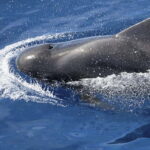
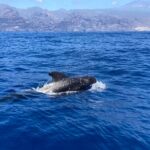
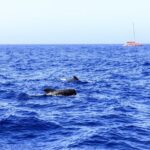
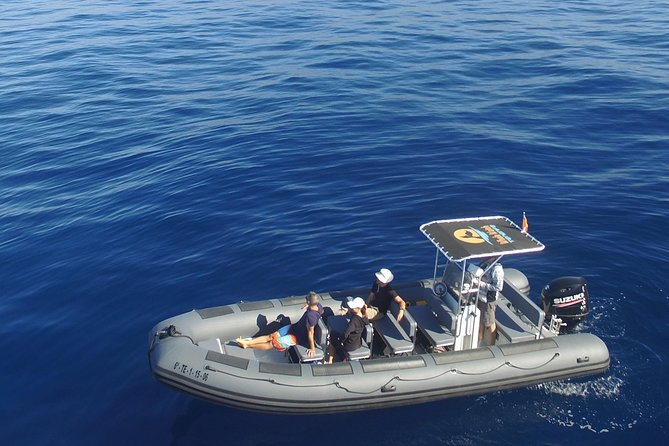
Pilot whales, close-up, but calm. This small-group trip heads into the Teno-Rasca Marine Protected Area with a biologist-led crew on an eight-meter rigid hull inflatable built for whale watching. I especially like the quiet, less intrusive setup and the onboard hydrophone listening, which helps you spot whales and dolphins with less stress on the animals. One thing to keep in mind: it’s strongly weather-dependent, so the sea can make the plan change.
You’ll get a respectful, informational outing for about two hours, limited to just 10 people on the boat. Guides (including Ion and John, plus Monie in some departures) work with a science-first approach, plus you’ll get free tour photos emailed after the trip. The tradeoff is simple: the boat is small and active, so the comfort and safety rules matter.
In This Review
- Quick highlights you’ll care about
- Why this whale trip feels different on the water
- Teno-Rasca Marine Protected Area: where the search happens
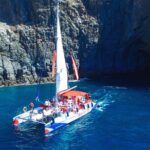
- The boat setup: eight meters, ten people, and a hydrophone
- You’re on a purpose-built whale-watching RHIB
- Maximum group size helps you see, not just sit
- Hydrophone listening adds a second sense
- Meet-up at Puerto Colón Marina: getting started without stress
- What the biologist staff actually does during your two hours
- Why the live commentary is worth paying for
- Stop and flow: how the search typically plays out
- Sightings you should realistically expect (and what might show up)
- Photos: free, emailed, and actually useful
- Food and drinks: plan for a two-hour window
- Eco-friendly in practice: the real test is how close and how loud
- Price and value: is $72.56 worth it?
- Who should book this tour, and who should think twice
- This is a good fit if you
- Think twice if you fall under the restrictions
- If weather changes everything: how to handle plan uncertainty
- Should you book Whale Watch Tenerife from Costa Adeje?
- FAQ
- How long is the whale watching eco-adventure?
- Where does the tour start and end?
- What languages do the guides speak?
- How many people are on the boat?
- What happens if the weather is poor?
- Are tour photos included?
Quick highlights you’ll care about
- Teno-Rasca Marine Protected Area: the real focus area for whale and dolphin viewing from Tenerife
- 8-meter whale-watching RHIB: fast, maneuverable, and made for getting good sightings without crowding
- Hydrophone on board: listen for whales and dolphins underwater while you search
- Biologist staff commentary: live guidance in English (and Spanish too) so you know what you’re seeing
- Free emailed tour photos: you leave with more than just memories
- Small groups up to 10: better viewing angles and a calmer feel than big-deck tours
Why this whale trip feels different on the water
If you’ve ever watched a big whale boat try to power through ocean traffic, you already know why people look for a quieter style of watching. This one is built around a simple idea: you can see marine life without forcing it to deal with you.
The boat is an eight-meter rigid hull inflatable, and the group is capped at 10 travelers. That matters more than it sounds. When you’re not packed shoulder-to-shoulder, you get cleaner sightlines, less bumping around, and a more consistent chance to track animals as they move. It also fits the eco-adventure label in a practical way: a smaller platform is easier to maneuver carefully, so the crew can keep distance and adjust without turning it into a loud circus.
I also like the science layer. You’ll travel with biologist staff and get live commentary while you search. Then there’s the hydrophone: an underwater microphone that lets you listen for whales and dolphins even when visibility is tricky. It’s a small added step that changes the whole experience from just watching to actually understanding what’s going on out there.
One more real-world reason this works: the tour is in a protected area around Tenerife, specifically where whale and dolphin sightings are part of the local marine life pattern. You’re not just going for a generic sea cruise.
You can also read our reviews of more tours and experiences in Tenerife.
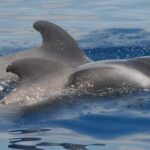
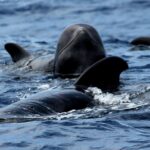
Teno-Rasca Marine Protected Area: where the search happens
This outing is aimed at the Teno-Rasca Marine Protected Area. In plain language, that means you’re operating in a designated marine zone where wildlife is a key reason people manage and protect the area.
For you, that translates into a more meaningful trip. Whale watching is always a mix of science and luck, but location is a big part of the equation. When you’re targeting a known marine protected zone, you’re improving your odds compared with a random coastal cruise.
It also supports the ethical promise. In these protected-water settings, the standard you want from an operator is clear: careful distance, controlled boat behavior, and staff who can explain not just the animals, but why responsible viewing matters. The tour’s approach is described as eco-friendly and designed to avoid harming or stressing the animals.
The boat setup: eight meters, ten people, and a hydrophone
Here’s the practical breakdown of what the boat and format mean for your experience.
You’re on a purpose-built whale-watching RHIB
An eight-meter RHIB can get you to sightings quickly. It can also change direction fast, which helps the crew maintain a respectful viewing distance as whales and dolphins shift position.
Because it’s smaller, you’ll also feel more connected to what’s happening around you. You’re not watching from a distance deck; you’re riding closer to the waterline and tracking movement with your own eyes.
Maximum group size helps you see, not just sit
A limit of 10 travelers isn’t just a comfort perk. It’s a viewing quality perk. When the boat isn’t crammed, fewer people block your view, and the guide can manage attention better while explaining species behavior.
Hydrophone listening adds a second sense
The hydrophone is a big deal if you want more than a sightseeing photo. The goal isn’t magic; it’s giving you another channel for detection. Even when you’re scanning the surface, the hydrophone can help confirm the presence of whales or dolphins below. It turns the two hours into an ongoing story: listen, scan, and learn while you move.
Meet-up at Puerto Colón Marina: getting started without stress
The tour starts at Whale Watch Tenerife, Puerto Colón Marina, pier 3, in Costa Adeje. It ends back at the same meeting point.
Two details make this easier for planning:
- It’s near public transportation, so you don’t have to rely only on taxis.
- You get a mobile ticket, so you’re not hunting for printed paper at the last second.
If you’re staying in Costa Adeje (or nearby), you’ll likely find it straightforward to connect to the marina area. If you’re coming from further away or you’re on a cruise schedule, build in a little buffer so you’re not late and rushing.
What the biologist staff actually does during your two hours
This isn’t a generic whale boat script. You’re told it’s led by biologist staff, and the content is designed to be live and informational while you’re on the water.
Expect a mix of:
- Species identification (what you’re seeing and why)
- Behavior explanations (what the animals are doing and how you should watch)
- Eco-responsible viewing context (how to avoid stressing wildlife)
The guides named in guest feedback include Ion and John, and Monie is also mentioned as a guide on some departures. Across those accounts, the common thread is that the crew focuses on respectful observation rather than chasing animals right up to the boat.
Why the live commentary is worth paying for
You could technically see whales from land in Tenerife on the right day. What you’re paying for here is the ability to turn a sighting into real understanding. When the guide explains what you’re looking at, the entire trip feels like education, not just luck.
Stop and flow: how the search typically plays out
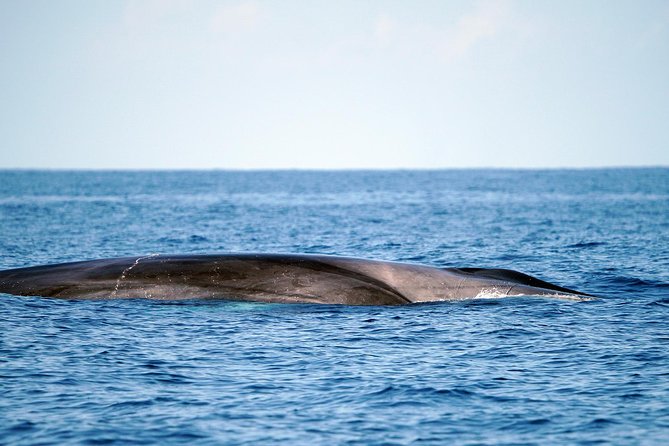
The outing is essentially one continuous hunt in the protected area, with the focus on spotting whales and dolphins.
At the start, you head out from Puerto Colón Marina, and the crew searches actively. Then the tour keeps moving based on where the whales and dolphins are found. When sightings are close, you’ll usually feel the energy level spike on board, but the aim stays consistent: watch without crowding.
A key advantage of the fast RHIB and the small group is that you can adjust quickly as animals change direction. Instead of being stuck in one place while everyone tries to crane over the same bodies, the boat can reposition to maintain a good view at a respectful distance.
Sightings you should realistically expect (and what might show up)
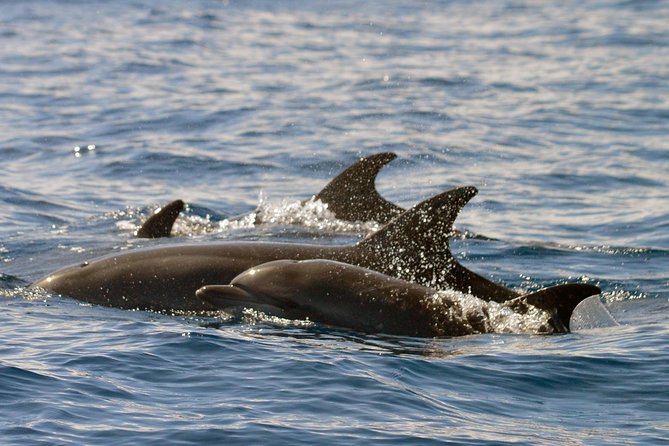
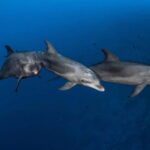
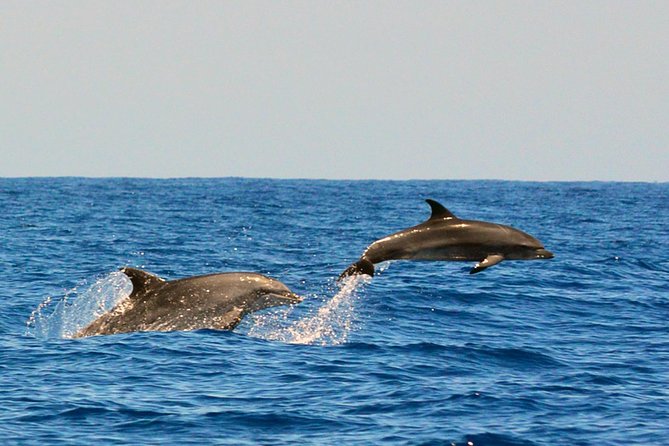
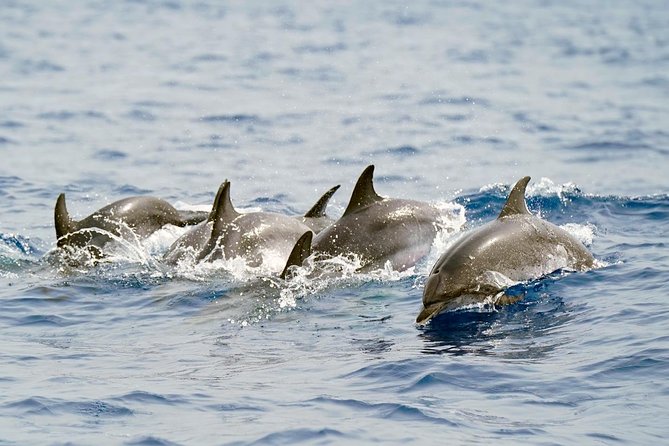
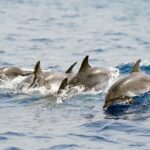
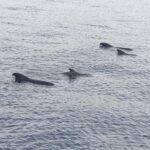
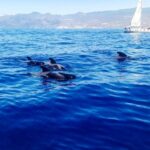
You can’t guarantee whales. That’s always true with wildlife tours. Still, the pattern here is clear: the main target is whales and dolphins, especially pilot whales, along with different dolphin types.
From the available details, common reported sightings include:
- Pilot whales (often the headline species)
- Bottlenose dolphins
- Atlantic spotted dolphins
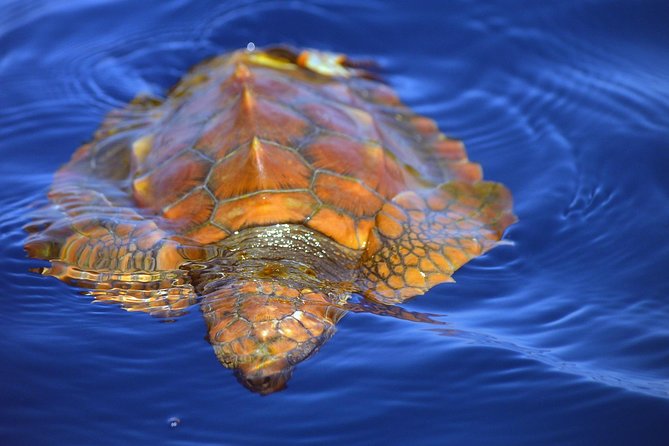
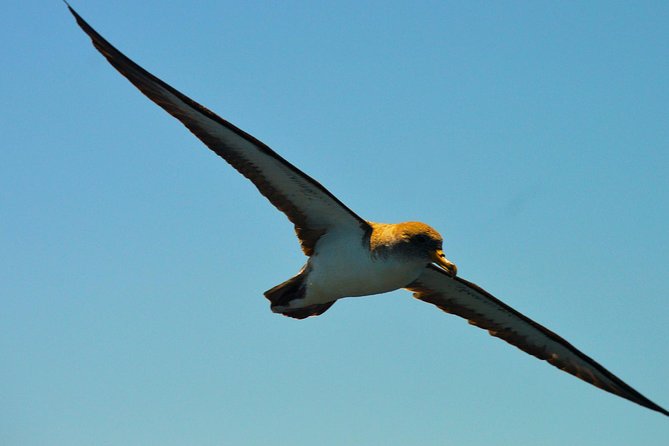
And sometimes you may get extras such as sea turtles, Portuguese man of war, or flying fish. Those extras are never the point, but they make the ocean feel alive, and they’re a nice reminder that you’re out in an ecosystem, not a single-species theme park.
One note for your expectations: if the trip is your first day in Tenerife, keep in mind that you might have a repeatable adventure later. Several people indicate they return because the experience is that good when conditions line up.
Photos: free, emailed, and actually useful
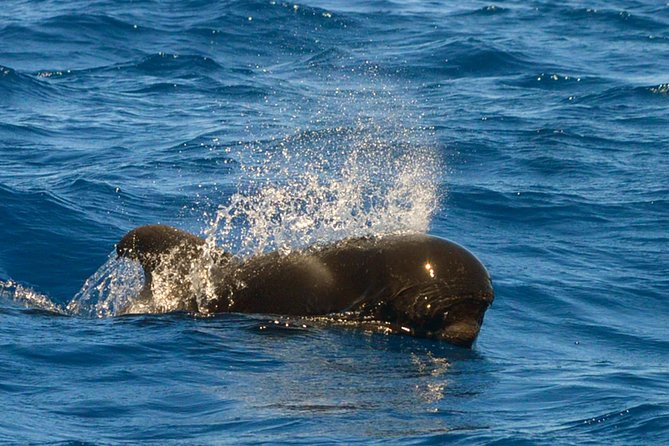
You get free tour photos of the marine life. These are sent by email after the trip.
Why that matters: with wildlife, your timing can be perfect and your hands still might not cooperate with capturing what you saw. Photos give you a second chance at remembering the sighting clearly, and they can help you identify species after you’re back on land.
Food and drinks: plan for a two-hour window
Food and drinks are not included, but you can bring non-alcoholic drinks and food.
So, treat this as a water-and-snacks outing:
- Bring what you need for hydration
- Keep it simple, since the trip is short
- Don’t rely on buying something at the dock right before you board
If you run hot easily, plan for sun exposure around the marina as well, since you’ll likely be waiting and then moving straight to open water.
Eco-friendly in practice: the real test is how close and how loud
The tour describes itself as eco-friendly and as not harming the animals. The operational difference you’re looking for is restraint: good boat handling, controlled speed, and a crew that keeps distance and gives animals space to move naturally.
Small boats help, but they don’t automatically fix behavior. The valuable part here is that the crew approach is repeatedly tied to respectful viewing. People specifically highlight that the animals were treated with care and that this felt less invasive than bigger, louder boats.
If you care about marine conservation beyond the slogan, this is the kind of operator that gives you a reason to feel good about what you paid for.
Price and value: is $72.56 worth it?
At $72.56 per person for about two hours, this isn’t the cheapest thing you can do in Tenerife. But it also isn’t trying to be cheap in a way that compromises the experience.
Here’s where the value comes from:
- Small group size (max 10) means better viewing and a calmer trip
- Biologist staff commentary turns sightings into something you can learn from
- Hydrophone listening adds a real technical element, not just a lookout post
- Eco-respect approach matters if you want wildlife viewing that doesn’t stress animals
- Free emailed photos add tangible value after you return
So if you want a whale and dolphin tour that’s built around animals first, not crowd volume, this price starts to make sense fast.
Who should book this tour, and who should think twice
This tour can suit most people, but it does have clear restrictions. You should take them seriously for safety.
This is a good fit if you
- Want a small-group whale and dolphin experience
- Prefer a quieter style of wildlife viewing over big-boat chaos
- Like learning in real time, with live commentary in English and Spanish
- Appreciate added touches like the hydrophone and free photos
Think twice if you fall under the restrictions
You’re advised not to participate if any of these apply:
- Infants and children under 3 years old
- Pregnancy
- Back or neck problems
- Mobility problems
- Recent surgeries
- Over 130 kg
Also, since it’s subject to favorable weather, if you’re prone to motion sickness, you might find a small RHIB more noticeable than you expect.
If weather changes everything: how to handle plan uncertainty
Because it depends on favorable weather, you should expect the ocean to call the shots. If the tour needs rescheduling due to bad weather, or if there aren’t enough guests, the operator will call you to arrange an alternative.
If the tour is canceled due to poor weather, you’ll get the option of an alternative date or a refund. That flexibility helps, especially if you’re in Tenerife for a limited number of days.
Tip for your planning: if possible, book this early enough in your trip that you still have a backup day if the sea doesn’t cooperate.
Should you book Whale Watch Tenerife from Costa Adeje?
I’d book it if you want a small, respectful whale and dolphin outing with real science on board. The combo of an eight-meter whale-watching RHIB, a hydrophone, and biologist-led commentary is what makes this more than just a boat ride. Add the free photos, and you get a souvenir that’s actually connected to what you saw.
Skip it (or re-check fit) if you fall under the health and age restrictions, or if rough-sea risk would ruin the day for you. And if you hate plan changes, pick a day with flexibility, since weather can affect operations.
If you want to see whales and dolphins with care and good odds, this is one of the better ways to spend two hours on Tenerife.
FAQ
How long is the whale watching eco-adventure?
It runs for about 2 hours.
Where does the tour start and end?
It starts at Whale Watch Tenerife, Puerto Colón Marina, pier number 3, 38660 Costa Adeje, and ends back at the same meeting point.
What languages do the guides speak?
Guides speak English and Spanish.
How many people are on the boat?
The tour has a maximum of 10 travelers.
What happens if the weather is poor?
If the tour is canceled due to poor weather, you’ll be offered an alternative date or a refund. If the operator must reschedule, they will call you to arrange an alternative.
Are tour photos included?
Yes. You’ll receive free photos of the wildlife from the tour by email.