REVIEW · TENERIFE
Tour with Whale and Dolphin Watching plus food included
Book on Viator →Operated by MAXICAT catamaran · Bookable on Viator
Catamaran cruising off Tenerife is a simple kind of magic. This whale and dolphin watching trip pairs time on the water in a protected conservation zone with a real break to swim, and it includes food and drinks made from local products. You also get onboard commentary as you look for cetaceans and seabirds along the southern coast.
Two things I really like here: you get a meal and drinks as part of the experience (so you’re not scrambling for lunch mid-day), and the route focuses on a conservation-area stretch that spans several municipalities. One thing to consider is the start: boarding can feel a bit chaotic at the queue stage, so you’ll want to arrive early and be ready to follow staff directions once you’re at the dock.
If you want a fun, high-probability day on the Atlantic without turning it into a logistics project, this is a strong pick. Just keep expectations realistic on wildlife sightings, and plan your timing so you’re not stressed before the catamaran heads out.
In This Review
- Key highlights before you go
- MAXICAT catamaran ride: what you’re really paying for
- Costa Adeje and the ZEC waters: where dolphins, whales, and birds fit in
- The onboard spotting game: how to get the most from guide commentary
- Diego Hernández Bay (Spaghetti Beach): the swim stop that makes the day feel complete
- Included lunch and drinks: local products, less stress
- Where to meet, how the timing flows, and why it matters
- Group size and boat vibe: what 104 passengers changes
- Weather and sea conditions: the part you can’t control
- Who this tour fits best (and who might want something else)
- Should you book this Tenerife whale and dolphin tour with food included?
- FAQ
- How long is the whale and dolphin watching tour?
- Is food and drinks included?
- Where does the tour start and end?
- Is pickup available?
- What language is the tour offered in?
- What animals might you see?
- Is there a swim stop?
- What happens if weather is bad?
- What’s the cancellation window for a full refund?
Key highlights before you go
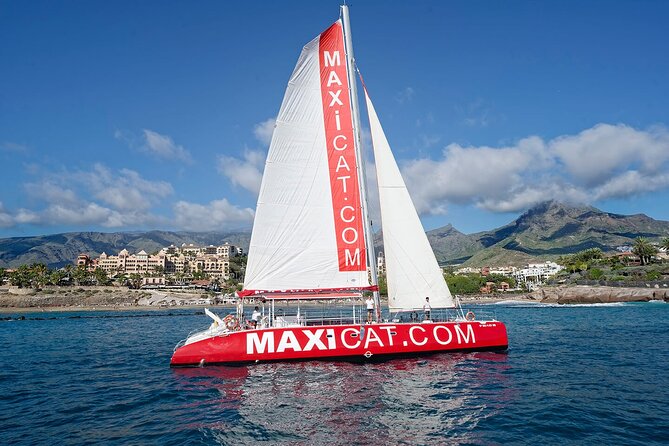
- MAXICAT catamaran time on Tenerife’s southern coast with a conservation-area route that covers multiple municipalities
- Food and drinks included, described as local products, so your day feels complete
- Spotting target species like bottlenose dolphin, common dolphin, and pilot whale, plus birds like Cory’s shearwater and osprey
- Diego Hernández Bay (Spaghetti Beach) swim stop for a refreshing Atlantic break
- Small-enough group scale with a stated maximum of 104 travelers, which helps viewing stay manageable
MAXICAT catamaran ride: what you’re really paying for
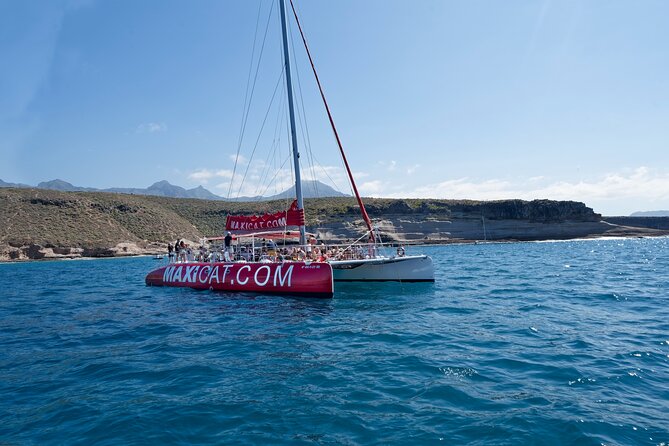
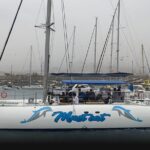
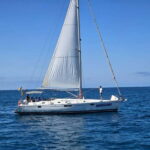
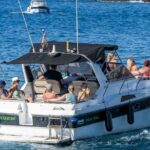
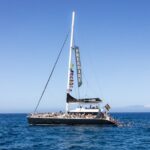
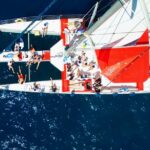
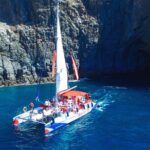
At about 3 hours, this tour is short enough to fit into almost any Tenerife plan, yet long enough to do the two main things you came for: wildlife time and a swim. You’re on the MAXICAT catamaran, and the pace is built around letting you enjoy the ride while the onboard team keeps an eye out for marine life.
The headline value is that food and drinks are included. On many whale-watching days, you either pay extra for a meal or you show up hungry and cranky. Here, you can settle in right from the start, eat something simple but satisfying, and keep the energy up for the spotting portion.
The other practical value is how the itinerary is structured. You start in the Costa Adeje area, head out along southern Tenerife, then return for the swim stop before you’re back at the meeting point. It’s a classic “out-and-enjoy” format instead of an all-day marathon.
One balanced note: because it’s a shared boat, you’re not controlling noise levels, crowd flow, or how quickly lines move. That isn’t a dealbreaker, but it matters if you’re the type who gets annoyed standing around.
You can also read our reviews of more tours and experiences in Tenerife.
Costa Adeje and the ZEC waters: where dolphins, whales, and birds fit in
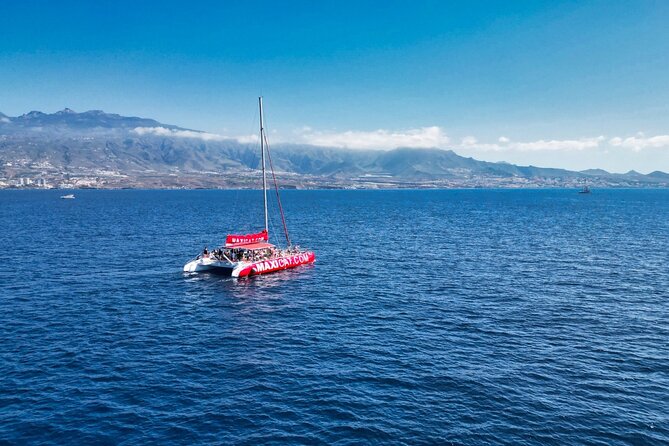
Most of the action happens along the coast around Costa Adeje, where the route runs through a special conservation area (ZEC) that covers Buenavista del norte, Santiago del Teide, Guía de Isora, Adeje, and Arona. That matters because it frames the trip as more than just sightseeing. You’re sailing in an area managed for habitat protection, so the wildlife watching is tied to the environment rather than random wandering.
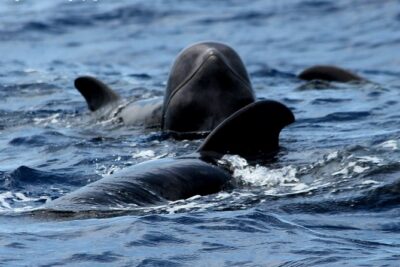
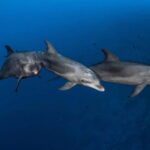
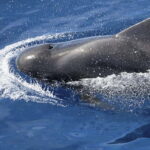
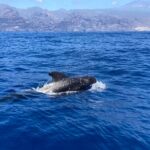
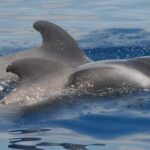
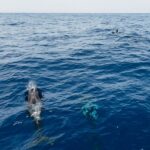
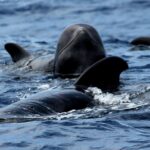
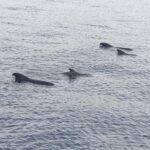
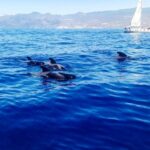
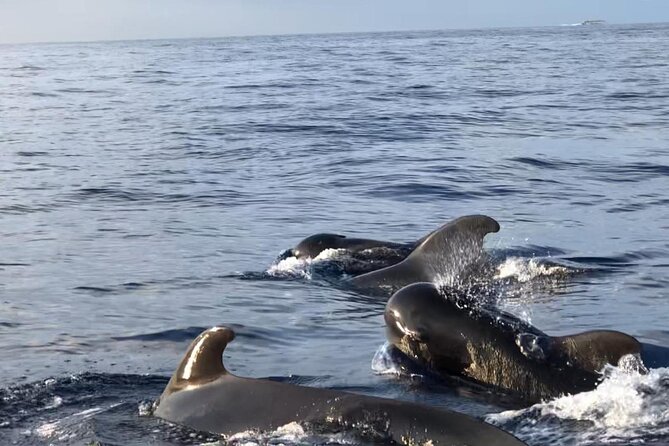
This is the part where you’ll look for the cetaceans they name in the experience: bottlenose dolphin, common dolphin, and pilot whale. They also call out migratory birds you may spot from the boat, including Cory’s shearwater and osprey. Even if you don’t identify every bird on sight, the guide explanations help you understand what you’re seeing and why those animals might be around in that specific corridor.
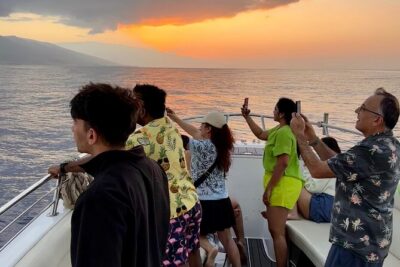
What I’d watch for on your end is the rhythm of the trip: it’s not just “sit and hope.” The onboard team provides explanations of the fauna and the environment, so you’re not staring at the ocean with zero context. That turns the waiting time between sightings into something that feels useful.
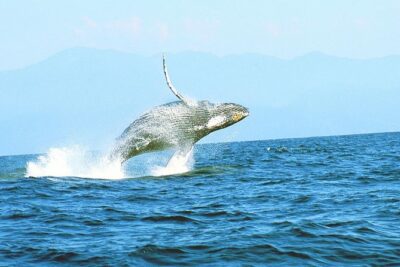
Real talk: the Atlantic doesn’t guarantee a whale sighting. Dolphins are often more consistent, but whales depend on movement and conditions. The good news is that the tour is designed so you’re still getting value even if a particular species is elusive, because you’ve got the onboard commentary and the later swim stop.
The onboard spotting game: how to get the most from guide commentary
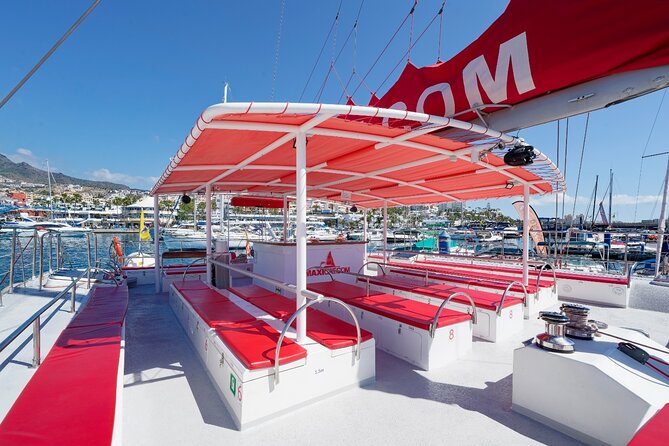
When wildlife watching feels hit-or-miss, it’s usually because people are looking at the wrong things at the wrong time. Here, the trip is set up for you to stay engaged. The guide focuses on the most relevant aspects of fauna and the environment in the area, which helps you track patterns instead of treating every ripple like a surprise.
A few practical tips that match how these trips tend to work:
- Stay ready at sighting moments. When the crew points something out, don’t take that moment to get comfortable. Move with the group, find a clear view, and keep your attention forward.
- Use the species list as a checklist. Bottlenose dolphin, common dolphin, and pilot whale are the named targets. If you see smaller groups or fast-moving shapes, you’ll at least have a framework for what might be happening.
- Don’t ignore the birds. Cory’s shearwater and osprey are specifically mentioned. If you spot birds flying low or cutting across, that often signals active marine life nearby.
One thing I appreciate from the experience style described by previous guests is that the crew and captain come across as professional and informative. That matters because the people running these trips help shape the mood: calmer guidance leads to easier viewing, and a confident captain helps everyone feel secure on the water.
Diego Hernández Bay (Spaghetti Beach): the swim stop that makes the day feel complete
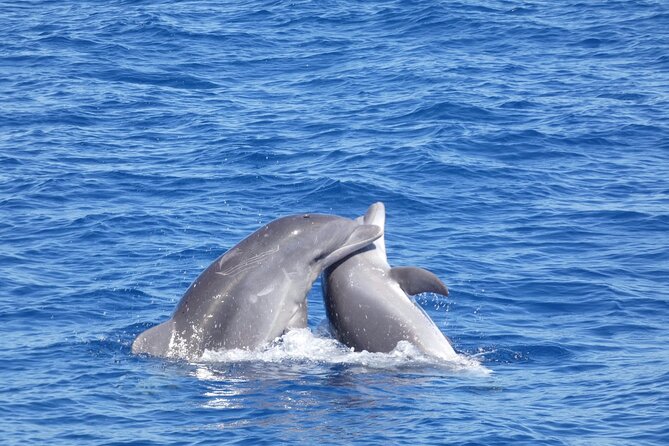
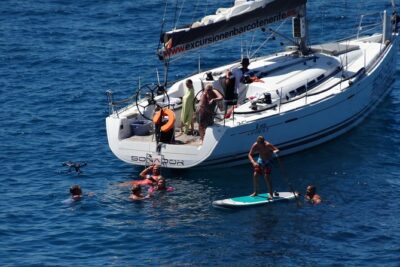
After the longer sail portion, you get a 30-minute stop at Diego Hernández Bay, commonly called Spaghetti Beach. This is the “cool off and reset” section of the itinerary, and it’s one of the smartest add-ons for a whale-and-dolphin day.
The bay is described as having crystal-clear Atlantic waters, so you’ll get a different kind of payoff than the wildlife watching. Dolphins and whales are about patience. A swim stop is instant gratification.
A practical consideration: 30 minutes disappears fast once you’re in and out of the water. If you want a quick swim and a photo, go early in the window rather than waiting for the last few minutes.
Also, this is the time to think about sun and comfort. You’ll be on the deck and then in the water, so plan to protect your face and shoulders even if the breeze feels cool. Tenerife sun can still surprise you.
Included lunch and drinks: local products, less stress
One reason this tour stands out for value is that the food and drinks are included as you start from Puerto Colón. That’s not just a nice perk; it changes the whole feel of the day.
Instead of timing your meals around departure time, you can eat on schedule and keep your focus on the water. Previous guests specifically called out a nice lunch and drinks, and they described the overall experience as well-paced with a friendly crew.
Because the tour description says the items are local products, it also helps you avoid the generic sandwich-in-a-bag feeling that some short tours include. Even if you’re not picky, a meal that reflects the region makes the experience feel more “Tenerife” than “tourist day at sea.”
For you, that can mean fewer food stops later. For your budget, it can mean you’re not paying for lunch after the fact, which is where the real value shows up.
Where to meet, how the timing flows, and why it matters
The meeting point is Av. de Colón, 11, 38660 Playa de la Américas, Santa Cruz de Tenerife, Spain. The trip ends back at the same meeting point.
Pickup is offered, but you’ll need to confirm your pickup time in advance. The guidance is clear: arrive at the pick-up point about 10 minutes before the scheduled time. That’s a small detail, but it prevents the most common stress on tours like this: you run late, then you feel rushed, and then boarding turns into a tense moment.
Boarding itself is where one of the main drawbacks shows up in feedback. People reported a chaotic queuing system before getting on board, with some pushing forward and staff not being super helpful at that stage. That doesn’t mean the whole trip is disorganized once you’re underway, but it does mean you should take the timing seriously.
My advice: treat the meeting time like it matters, because on a catamaran with a set maximum group size, boarding speed affects everyone’s mood.
Also note the tour is offered in English. If you’re comfortable with English, you’ll get the most from the guide’s explanations about the animals and the conservation area.
Group size and boat vibe: what 104 passengers changes
A stated maximum of 104 travelers is an important clue. It likely keeps the boat from feeling like a cattle car, but it won’t be quiet either. For whale and dolphin watching, you want enough people for energy and coverage, but not so many that it’s impossible to see.
Some guests praised the fact that the number of people onboard felt optimal, which suggests it’s not packed in a way that blocks everyone’s view. That matters for your experience because wildlife spotting is visual. If the deck is crowded shoulder-to-shoulder, you’ll spend more time negotiating than watching.
If you’re traveling with kids, there’s another helpful signal from the feedback: the captain and crew were described as very good with children aboard. That usually means clearer instruction and more patience when kids ask questions or want to move around safely.
Weather and sea conditions: the part you can’t control
This tour requires good weather. If conditions aren’t right, you’ll be offered a different date or a full refund. That’s fair and common for marine wildlife trips, and it protects you from paying to sail in rough conditions.
What to do on your end: check your day’s forecast once you have your departure date, and accept that the sea can decide the plan. If you’re the kind of traveler who gets seasick easily, consider bringing what you normally use for boats, and plan to sit where you feel steadier on the catamaran.
Who this tour fits best (and who might want something else)
This whale and dolphin plus food trip is a great match if you want:
- A short, straightforward experience with a clear start and finish
- Wildlife watching with context, thanks to guide explanations
- A real break from the ocean tour format, because you get a swim at Spaghetti Beach
- Better value than paying separately for lunch while you’re at sea
It might be less ideal if you:
- Hate any kind of waiting or queuing. If you’re sensitive to chaos at the dock, arrive early and stay calm.
- Are hoping for guaranteed whale sightings. The species listed are targets, not promises.
- Want a quiet, private feel. This is a shared MAXICAT catamaran experience.
Families and English-speaking solo travelers both seem like natural fits, especially with crew behavior described as professional and child-friendly.
Should you book this Tenerife whale and dolphin tour with food included?
I’d book it if your priority is a well-rounded half-day at sea: wildlife watching, a guided conservation-area focus, and food and drinks included, plus a swim stop that makes the trip feel like more than just standing on a deck.
It’s also strong value at around $47.06 per person, because you’re paying for time on the water and getting lunch and drinks folded in. That’s where the math starts to work in your favor.
The main reason to think twice is the dock-level boarding experience. If queue chaos would sour your day, plan to arrive early and be ready to follow staff direction even if the first moments feel messy.
If you want, tell me your travel dates and whether you’re visiting with kids or want a calmer schedule, and I can help you decide the best time of day to aim for.
FAQ
How long is the whale and dolphin watching tour?
It’s about 3 hours total.
Is food and drinks included?
Yes. Food and drinks are included during the trip, described as local products.
Where does the tour start and end?
It starts at Av. de Colón, 11 in Playa de la Américas and ends back at the same meeting point.
Is pickup available?
Pickup is offered. You need to confirm your pickup time in advance, and arrive at the pickup point 10 minutes before.
What language is the tour offered in?
The tour is offered in English.
What animals might you see?
You may see bottlenose dolphin, common dolphin, and pilot whale, plus migratory birds such as Cory’s shearwater and osprey.
Is there a swim stop?
Yes. There’s a stop at Diego Hernández Bay, commonly known as Spaghetti Beach, with about 30 minutes to swim.
What happens if weather is bad?
If the tour is canceled due to poor weather, you’ll be offered a different date or a full refund.
What’s the cancellation window for a full refund?
You can cancel up to 24 hours before the experience starts for a full refund. If you cancel less than 24 hours before, the amount paid won’t be refunded.