REVIEW · TENERIFE
Bonadea II Ecological Whale Watching, 2 hours
Book on Viator →Operated by Bonadea II - Diomedea · Bookable on Viator
Tiny boat, big whales.
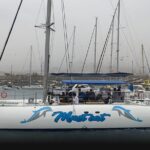
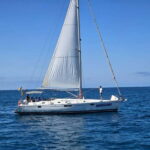
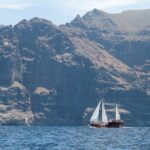
Bonadea II Ecological Whale Watching turns a simple 2-hour outing into a focused trip in Teno-Rasca, a protected marine strip off Tenerife’s south coast, guided by Sergio and run with real eco rules. What makes it different is the low-impact style: this is not about racing to be first, it is about seeing dolphins and whales in their own rhythm, with a max of 6 people aboard.
I especially like two things. First, the boat experience feels calm and close without crowding, and the crew works to keep its distance instead of chasing animals. Second, Sergio ties the sightings to conservation in a practical way, including protecting the marine environment and even picking up floating plastic when possible. One consideration: the boat has a weight limit, so passengers over 130 kilos can’t be carried.
In This Review
- Key Highlights You’ll Care About
- Bonadea II and the protected Teno-Rasca zone
- Where you meet and how the 2-hour outing flows
- Sergio’s style: respectful, quiet, and tuned to animal behavior
- What you might see: pilot whales, dolphins, turtles, and more
- Why the tour stays ecologically focused (and not just labeled eco)
- Price and value: $78.64 for a small-boat wildlife experience
- Logistics that actually affect your day
- Who this tour suits best on Tenerife
- Weather, seasickness, and the one limit you should check
- Should you book Bonadea II whale watching?
- FAQ
- Where does the Bonadea II whale watching tour start and end?
- How long is the tour?
- How many people are on the boat?
- Is the tour offered in English?
- What marine animals can you expect to see?
- Is there a weight limit to join the boat?
Key Highlights You’ll Care About
- ZEC Teno-Rasca inside Natura 2000: you’re in a formally protected area, which changes how the tour behaves.
- Bonadea II max 6 travelers: easier viewing, more boat control, less pushing for position.
- Blue Boat authorized whale watching: a real credential tied to local tourism and environmental authorities.
- Sergio’s respectful approach: the goal is proximity without disturbance, often with the engine kept quiet.
- English offered: clear explanations for English speakers without feeling like you’re guessing.
- 2 hours in the water: long enough for a proper look, short enough to keep the day moving.
Bonadea II and the protected Teno-Rasca zone
This is ecological whale watching in the real sense of the word. The trip operates in a Special Conservation Zone (ZEC) Teno-Rasca, which is part of the Natura 2000 network. That matters because it shapes the behavior of the captain and crew. In other words: you’re not just hoping for wildlife, you’re visiting a place that has rules and that deserves careful handling.
Bonadea II is run as an authorized whale watching activity. The operation carries the “Blue Boat” flag, an authorization involving the Tourism Department of the Government of the Canary Islands and the Spanish Ministry of the Environment. You’ll also find the service tied to the Tenerife Tourism Quality Charter, which is a nice signal when you are comparing options.
The core promise is simple: you go out to show dolphins, whales, and other marine fauna in their natural habitat while supporting conservation and protection of the marine environment. You feel that in the way the boat works. The attitude is observant rather than performative.
You can also read our reviews of more tours and experiences in Tenerife.
Where you meet and how the 2-hour outing flows
The tour starts at Av. de Colón, 4, 38660 Costa Adeje, Santa Cruz de Tenerife, Spain. The activity ends back at the same meeting point. The official stop is listed for Santa Cruz de Tenerife, so you’re effectively working your way around the island’s coastal waters with an eye on where sightings are most likely.
Duration is about 2 hours, and that timing is actually a plus. You get enough time to reach the right area, search for pods, and spend meaningful moments watching—without turning your day into a half-day of waiting around. On a busy Tenerife holiday, shorter, sharper tours can be easier to enjoy.
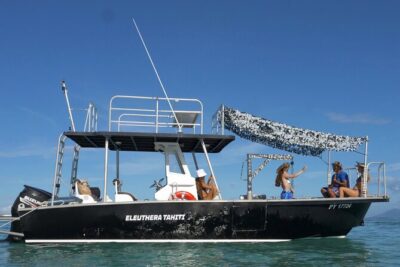
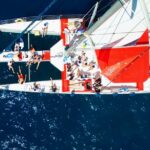
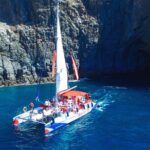
This is also a small-boat format. With a maximum of 6 travelers, you won’t feel like you are stuck in a shuffle for the best view. You can usually adjust your position on the boat without blocking someone’s phone camera or crowding the deck.
Sergio’s style: respectful, quiet, and tuned to animal behavior
The biggest reason this tour gets such consistently high ratings is the captain-guiding style, and that name that keeps coming up is Sergio. People describe him as friendly, energetic, and clearly passionate about the ocean. But the part that matters for you is what he does during the sighting.
The approach is about not disturbing wildlife. You may see the boat stop or slow down to let animals settle, and there’s an emphasis on keeping things calm. In practical terms, that usually means fewer sudden moves and more patience—waiting for dolphins and whales to come up when they choose.
Sergio also explains what you are seeing. That matters because the same animal can look completely different depending on whether you understand what you are looking at. With English offered, you should be able to follow along and connect behavior to the environment, not just collect a list of species.
One more detail that feels very Tenerife: the crew pays attention to the health of the sea itself. If there’s floating debris, there’s a chance the captain will collect plastic when it is safe to do so. That isn’t a gimmick. It’s consistent with the whole protected-zone mindset.
What you might see: pilot whales, dolphins, turtles, and more
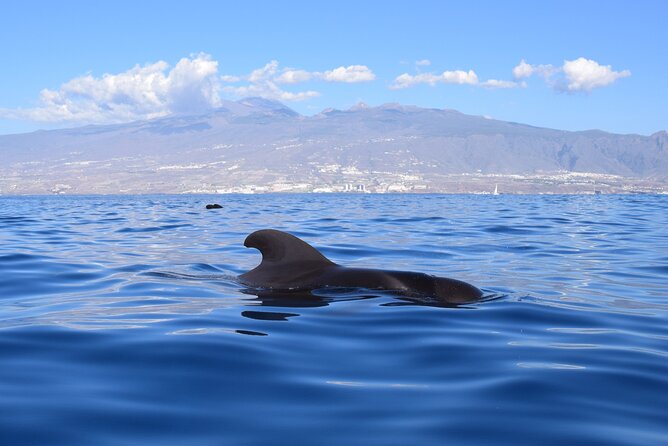
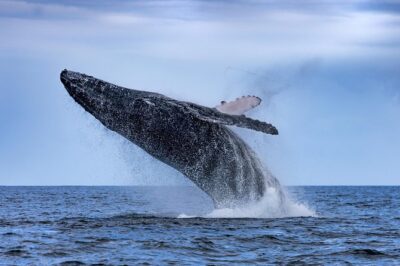
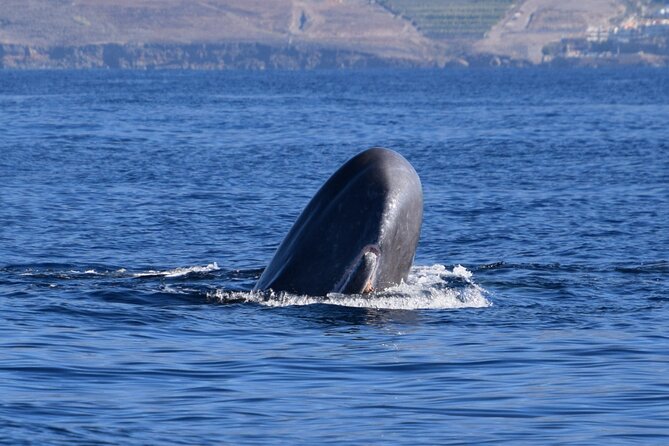
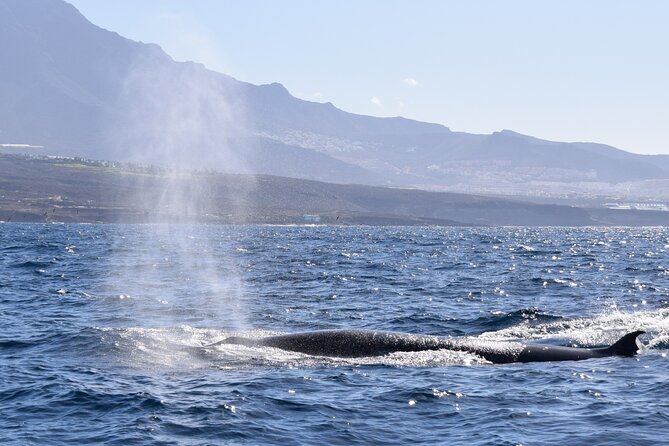
Wildlife sightings are never guaranteed—marine life has its own schedule. Still, the trip is clearly aimed at cetaceans (whales and dolphins), and you have a good chance of seeing multiple types of marine fauna.
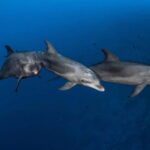
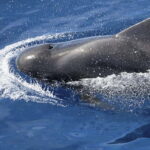
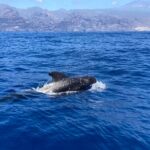
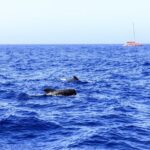
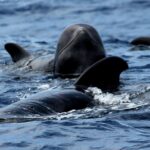
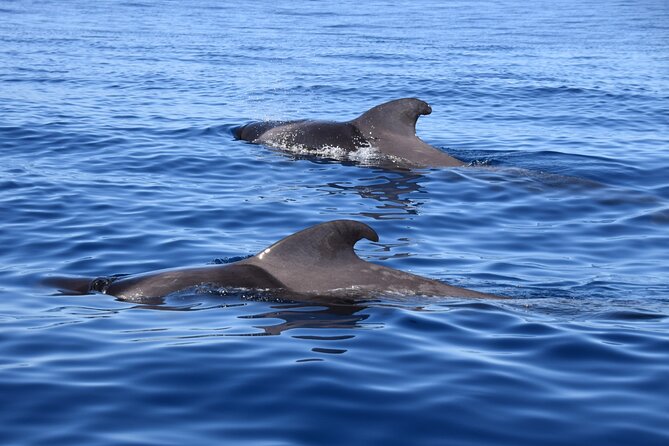
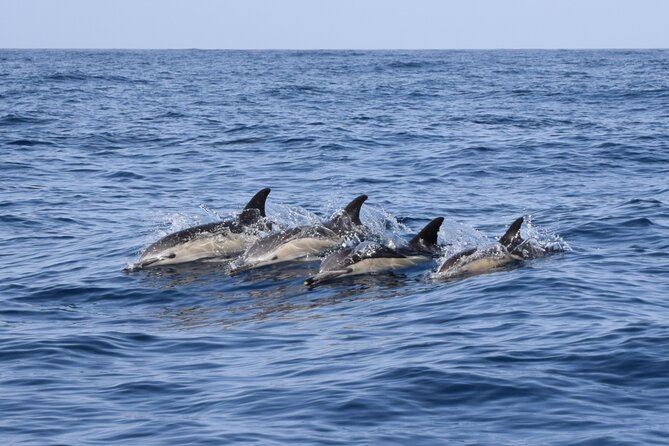
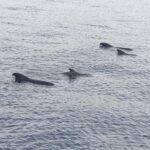
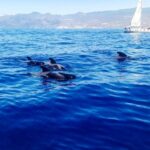
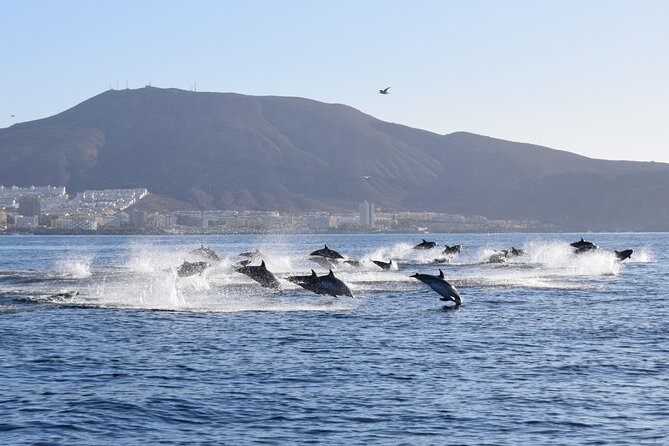
From what people commonly report, the star species tends to be pilot whales, including groups that may include mothers and young calves. You might also spot bottlenose dolphins and other dolphin pods, depending on where the crew finds activity. In some cases, the sightings can feel close-up, which is a key advantage of a smaller, quieter boat.
Turtles show up too. A rare highlight mentioned is a leatherback turtle, which is an exciting find because it’s not the first turtle species you expect on every trip. You might also see other seabirds along the way, like Cory’s shearwater, if you’re lucky with the conditions.
Here’s the practical takeaway: don’t go in expecting one perfect moment. Instead, think in terms of a few good chances. A respectful captain usually moves efficiently between active areas, and with the small-group setup, when the boat finds something, you get a better viewing experience.
Why the tour stays ecologically focused (and not just labeled eco)
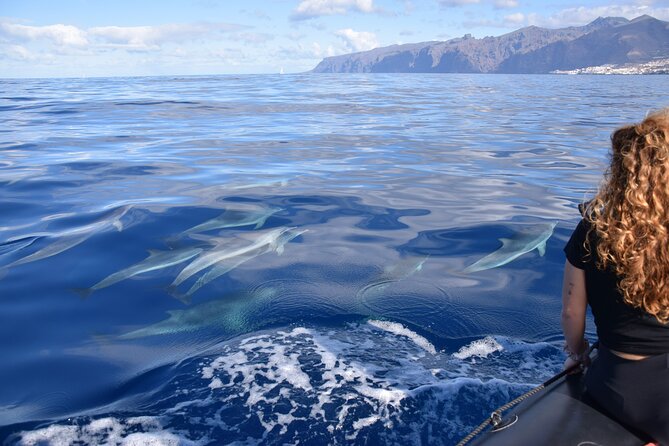
A lot of companies slap on eco wording. This one leans on specifics. The tour operates in a designated protected area (ZEC Teno-Rasca), and it’s tied to authorized whale watching practices under the Blue Boat framework. That gives you a baseline level of accountability that is harder to fake.
Then there’s behavior. The captain’s job is to balance two things: getting you close enough to see clearly and keeping enough distance to avoid stressing animals. When the boat engine is managed carefully and the crew waits for whales and dolphins to approach on their terms, it usually leads to longer, calmer interactions. That’s when you can actually watch behavior instead of just spotting a fin and moving on.
Conservation also shows up on a human scale. People mention plastic being picked up during the outing, and there are stories of turtles being treated with care when injuries occur. You shouldn’t assume every trip will include a dramatic rescue moment, but the conservation mindset is part of the operating style.
If you care about ethical wildlife viewing, this is the kind of tour where you can feel the difference. You are not just consuming a show. You’re observing animals in a protected zone, with rules guiding the how.
Price and value: $78.64 for a small-boat wildlife experience
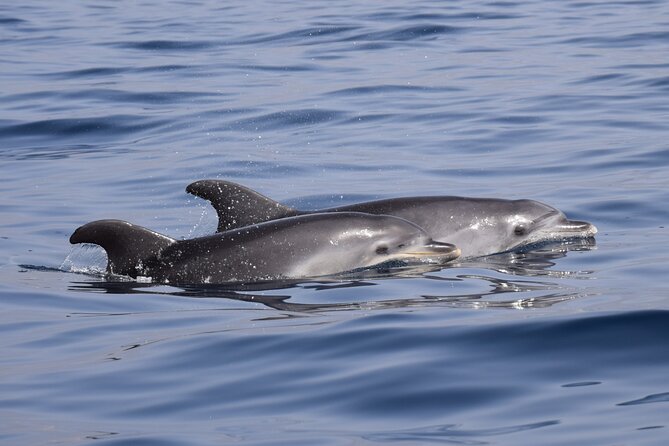
At $78.64 per person for about 2 hours, you are paying for a premium experience style: fewer people, better boat control, and a more responsible approach. It is not the cheapest way to see whales on Tenerife, but it often feels fair if you value time and quality over quantity.
Here is how I think about value for this particular tour:
- You pay less attention to crowds. With a maximum of 6, you spend more time watching and less time finding room.
- You pay for “behavior-focused” guiding. Sergio’s explanations and calm approach make the time feel productive, not random.
- You pay for a protected-zone, authorized operation. That’s not just paperwork; it influences how close and how often the boat can interact responsibly.
If your goal is a quick photo from a bigger vessel, a larger tour might seem tempting. But if your goal is to feel the wildlife in the right way—quietly, respectfully, and with a better chance of real views—this small-boat format can make the price feel more justified.
Logistics that actually affect your day
A few practical points can make or break a smooth outing.
Mobile ticket is offered, so you should be set with your phone. Confirmation comes at the time of booking, which is useful when you’re juggling Tenerife plans.
The tour runs in English, which helps if your Spanish is more “restaurant orders only.” The group mix can vary, but the key is that the captain’s explanation is delivered in English.
Public transportation access is noted as nearby. That’s a plus in Costa Adeje, where parking can be hit-or-miss depending on the day.
There is also the 130-kilo weight limit due to the boat’s characteristics. If you’re on the edge or you’re traveling with someone larger, check this early so you don’t lose time later.
Finally, this experience requires good weather. Whale watching depends on the sea state, and the company will adjust by offering a different date or a full refund if it’s canceled for poor weather.
Who this tour suits best on Tenerife
This tour fits best if you want an experience with a strong conservation tone and a human scale.
It is a good match for:
- Families who want a calmer boat setting and clear explanations
- Couples looking for a high-quality, not-too-long wildlife outing
- Travelers who dislike crowd pressure and want more personal space on deck
- Anyone who cares about how boats interact with marine animals
The small-group setup also makes it easier to ask questions and stay oriented when the captain is searching for pods. If you’re the type who likes learning what you’re seeing instead of just taking photos, you’ll likely enjoy the Sergio-led format.
Weather, seasickness, and the one limit you should check
Because the tour requires good weather, plan around it. If Tenerife is giving you clear skies and a steady sea that day, your odds of a smooth, enjoyable 2 hours go way up.
If you’re sensitive to motion, you’ll want to prepare. The data doesn’t list seasickness medication recommendations, so I’ll keep it practical: bring what you normally use for boat motion, and choose your position on the boat accordingly. If you can, sit where you feel the least vibration and keep your gaze toward the horizon.
And yes, check the weight limit. The boat cannot carry passengers over 130 kilos due to the boat’s characteristics. That is the one constraint you should not ignore, since it affects whether you can board at all.
Should you book Bonadea II whale watching?
I’d book this tour if you want a responsible, small-boat Tenerife whale watching experience with a real ecological focus. The best part is the format: small group, calm and respectful guiding, and a captain who seems to care about animals and the marine environment in a practical way.
I might skip it if you need a guaranteed wildlife outcome or if you’re traveling with someone who falls above the stated weight limit. Otherwise, this is one of those trips that feels like it respects your time and your values.
If you’re trying to pick one whale watching option in Tenerife and you care about doing it well, Bonadea II Ecological Whale Watching is a strong choice.
FAQ
Where does the Bonadea II whale watching tour start and end?
The tour starts at Av. de Colón, 4, 38660 Costa Adeje, Santa Cruz de Tenerife, Spain and ends back at the same meeting point.
How long is the tour?
The duration is about 2 hours.
How many people are on the boat?
There is a maximum of 6 travelers.
Is the tour offered in English?
Yes. The tour is offered in English.
What marine animals can you expect to see?
You may see dolphins, whales (including pilot whales), and turtles, along with other marine fauna such as seabirds.
Is there a weight limit to join the boat?
Yes. Due to the boat’s characteristics, passengers over 130 kilos cannot be carried.