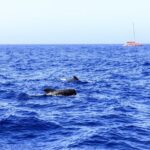
REVIEW · TENERIFE
Private 2 hour Whale Watching Tour
Book on Viator →Operated by Whale Watch Tenerife · Bookable on Viator
Whales, dolphins, and a respectful boat approach. This private 2-hour trip from Puerto Colón Marina feels personal on an 8-meter custom boat, with a marine biologist explaining what you’re seeing and a hydrophone letting you hear whale and dolphin sounds. The main consideration: on a smaller boat, motion sickness can hit if you’re prone.
You’ll meet the staff at Dock Pantalán No. 3 in Puerto Colón Marina (Costa Adeje) about 15 minutes before departure. There’s parking right at the marina (about 1€ per hour) plus bathrooms and places to eat nearby, which makes the pre-boat wait less painful.
Price runs $617.02 per group up to 10 for roughly 2 hours—so it can be a great value when you fill the boat, and a splurge when it’s just a couple of people. This is also a popular slot, booked on average about 54 days ahead, which is usually a good sign for Tenerife.
In This Review
- Key highlights worth planning for
- Private 2 Hours in Puerto Colón: what you’re really buying
- Entering The responsible whale-watching zone (without playing tourist policeman)
- The crew makes the difference: biologist notes, calm captain skills
- Hydrophone listening: turning sightings into sound you can feel
- What you might see in Tenerife waters (and why it varies)
- The 2-hour flow: from dock to hotspot to photo link
- Price vs value: when $617 per group feels fair
- Packing tips and comfort notes (especially for small-boat motion)
- Should you book this private whale watching tour in Tenerife?
- FAQ
- How long is the private whale watching tour?
- How many people can be in the private group?
- Where do we meet for the tour in Tenerife?
- What’s included in the price?
- Can we bring food and drinks onboard?
- Are there health restrictions for this tour?
- What if weather is poor or I need to cancel?
Key highlights worth planning for
- Private group up to 10: easier, calmer boat time without crowd pressure.
- Marine biologist-led spotting: didactic materials and live commentary, not just a driver who points.
- Hydrophone listening: you don’t only watch cetaceans—you can hear them.
- Careful approach under whale-watching regulations: slowdowns, distance, and giving animals control.
- Photos emailed after the tour: you can enjoy the moment without filming your whole life.
Private 2 Hours in Puerto Colón: what you’re really buying
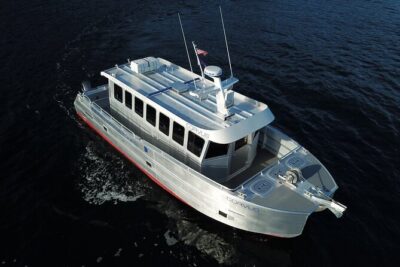
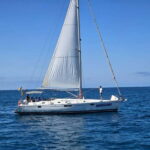
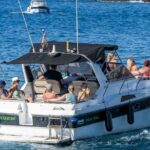
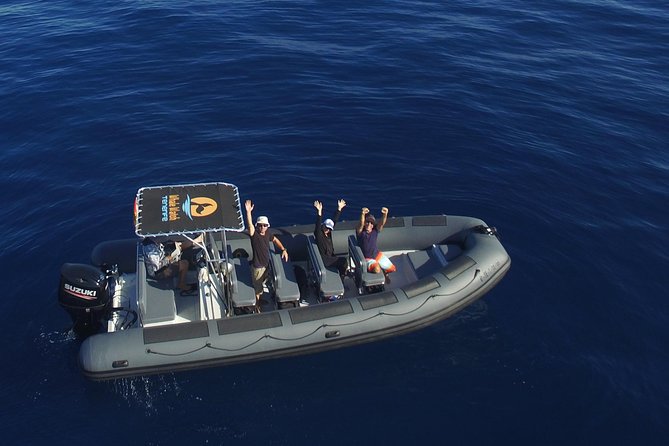
This isn’t a big-boat, mass-market experience. It’s a private whale-watching outing for your group (up to 10 people) on a custom-built 8-meter boat. That smaller size matters. You tend to get a better view and a more natural feel when the captain slows down and positions the boat carefully.
The ride is about 2 hours total, so you’re not committing a half-day on Tenerife’s coast. That makes it a smart pick for people who want one standout activity without wrecking the rest of their schedule—especially if you’re also doing beaches, hikes, or a drive along the south coast.
You’re also paying for more than “time on the water.” The tour includes live commentary by marine biologist staff, hydrophone sound listening, and photos sent by email after the trip. Those add-ons are what turn whale watching from a quick sighting into something you remember with context.
One more quiet plus: the itinerary is built around a short drive to the hotspot, usually not more than 3 miles off shore. You’re not crossing the Atlantic for a chance to see something; you’re staying in the local waters where the animals live their lives.
You can also read our reviews of more tours and experiences in Tenerife.
Entering The responsible whale-watching zone (without playing tourist policeman)
Responsible whale watching is not a slogan here—it’s built into how the boat behaves. The captain approaches the animal area carefully and slows the boat to follow local whale-watching rules. That means you’re more likely to see cetaceans without the constant stress of engines roaring at full throttle.
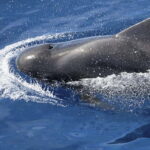
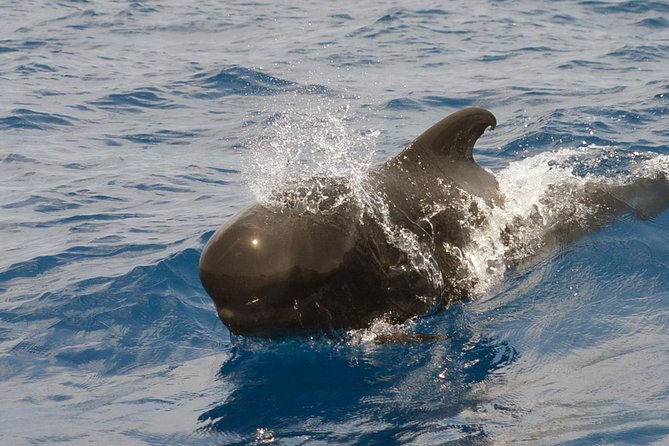
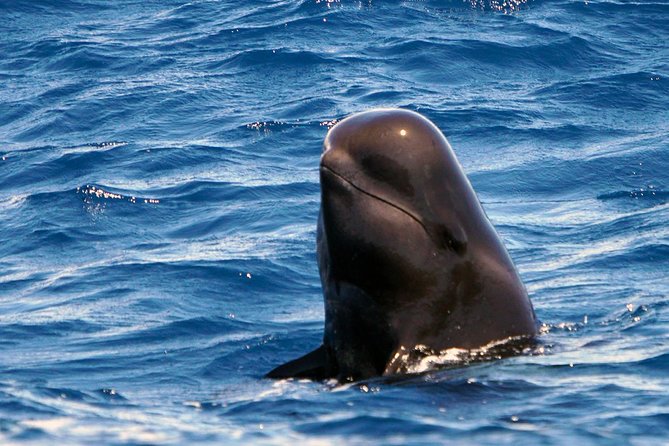
One detail that really sticks with me from real trips: the crew can cut engines when pilot whales come near. That’s not just good manners. It helps create the right conditions for animals to choose how close to approach. You’re essentially letting the cetaceans set the pace.
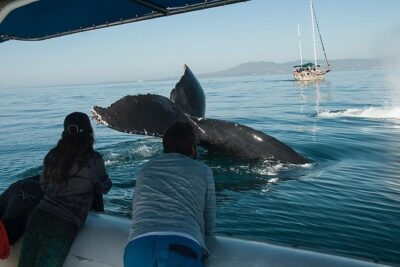
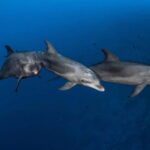
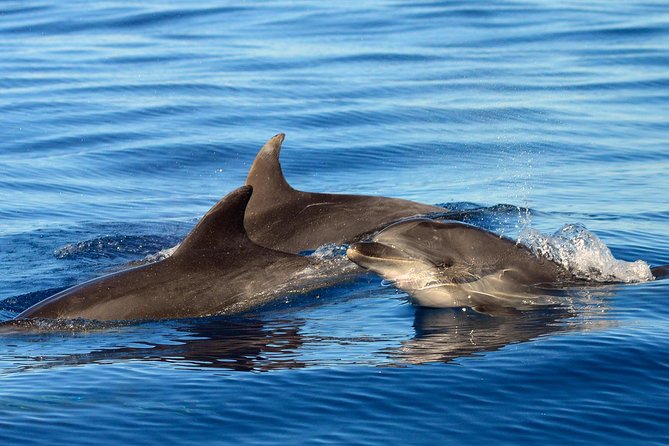
The best moments on these tours happen when the behavior looks natural: dolphins bow-riding or swimming alongside, pilot whales approaching on their own terms, and calves hanging out with the pod. When the captain respects distance and slows down, those encounters tend to feel less like a chase.
There’s also a conservation-minded touch. On at least one trip, the crew stopped to scoop up clear plastic they found on the way. You might not see that every time, but it reflects the same ethos: watch with care, and if there’s a clear chance to remove debris, do it.
The crew makes the difference: biologist notes, calm captain skills
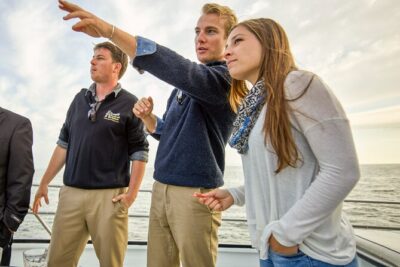
On this tour, the “who’s running the show” part is as important as the whales. The staff includes marine biologist guides who start with a short safety briefing and then talk about the local marine ecosystem and the cetacean species you’re likely to encounter.
They don’t just toss out fun facts. You get didactic materials to help you connect behavior to biology. That’s how the trip stops being random spotting and becomes a real learning experience. It’s especially helpful if you’re not a whale nerd already.
In the real world, you may meet guides like Ion, Carlota, or John. Across trips, the common thread is passion plus respect—people describe the biologist as warm, engaging, and genuinely into the animals and their marine reserve context.
Then there’s the captain. Several experiences highlight a calm, confident style that makes the boat feel safe and relaxed, even when you’re out on the water looking for something moving fast. That matters because the best whale sightings can happen quickly, and a steady captain makes it easier to enjoy the moment instead of bracing for the next wave.
Hydrophone listening: turning sightings into sound you can feel
If you like your whale watching a little more “hands-on,” you’ll appreciate the hydrophone. This tour includes whales and dolphins sound listening on board. It’s not a gimmick. Hearing communication turns the experience from mostly visual into something more complete.
People often describe the hydrophone as a wow moment because it makes the animals feel less like distant objects and more like living neighbors. It also changes how you look around. You stop scanning only for the next fin breaking the surface and start thinking, Where are they? What are they doing right now?
On one trip, the crew lowered the hydrophone as pilot whales passed under the boat. That timing is what makes the sound experience click—when you get the hydrophone in the water at the right moment.
The other practical upside: since the hydrophone is part of the included experience, you don’t need to bring extra gadgets or worry about missing the “real” whale part.
What you might see in Tenerife waters (and why it varies)
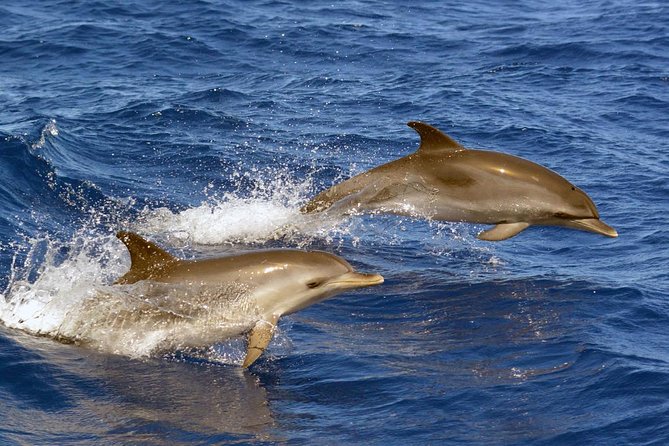
The tour is aimed at whales and dolphins, and that’s what you should expect as the core. Species sightings mentioned include:
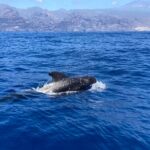
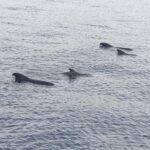
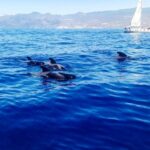
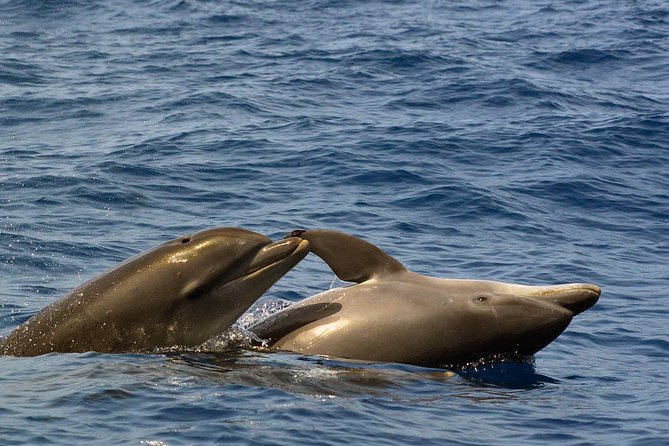
- Pilot whales (including close approaches in some cases)
- Atlantic spotted dolphins, sometimes with calves
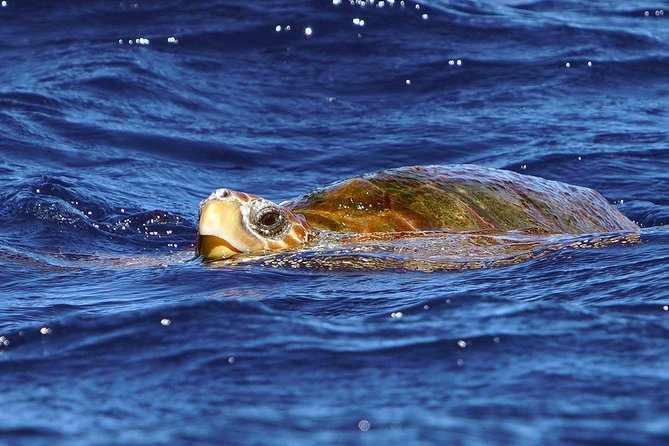
- A loggerhead sea turtle on at least one outing
- Flying fish appearing during the trip
You’ll also likely hear and watch behavior that changes depending on the pod. Dolphins may come closer when they’re feeding or socializing, while pilot whales can show up in a more deliberate, pod-based way. Seeing calves is often described as especially special because it signals a more stable, social moment in the group.
The important point: this is nature. Even the best tour can’t guarantee a specific species every trip. But what you can control is the quality of the approach. A respectful slowdown and good positioning increases your odds of seeing clear behavior—not just a quick surface glance.
Also, because the hotspot is typically within about 3 miles of shore, you’re more likely to stay in active waters without turning the day into a long transit slog.
The 2-hour flow: from dock to hotspot to photo link
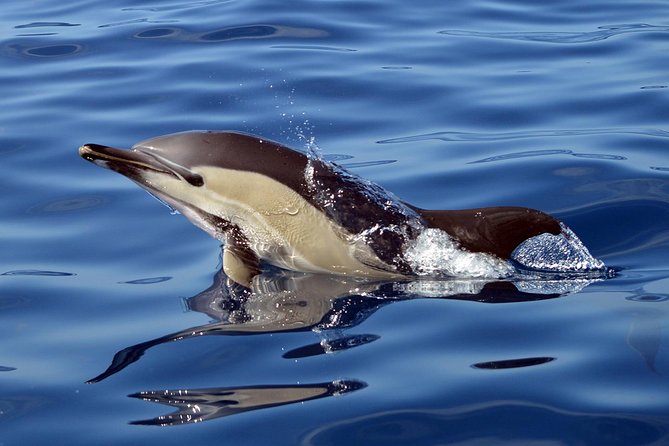
Here’s how the experience usually unfolds, and what to watch for at each stage.
1) Meet at Puerto Colón Marina, Dock Pantalán No. 3
Arrive 15 minutes early. The marina has parking nearby (around 1€ per hour), plus bathrooms and restaurants right there. You can also reset your plan if you need a quick snack or a last-minute bathroom stop.
2) Safety briefing and warm-up
Once onboard, you meet the captain and get a short safety briefing. It’s quick, but it sets expectations for how the boat will move while the crew searches for cetaceans.
3) Biologist briefing before you go searching
The marine biologist explains the local ecosystem and the species you’re likely to encounter. They’ll also share what to pay attention to—behavior patterns, signs of the pod, and why responsible distance matters.
4) Short ride to the current whale-watching hotspot
Then the captain drives to the area where sightings are likely. The trip is usually within about 3 miles off shore, which keeps the outing focused and reduces the “waiting while seasickness gets a vote” factor.
5) Careful approach when animals are spotted
When you reach the whales and dolphins, the captain slows down to approach thoughtfully and follow regulations. The goal is a viewing experience that doesn’t disrupt the animals’ natural behavior.
6) Photo moments without the stress
Your guide will take photos during the encounter. That detail matters: you’re not stuck trying to nail every shot while also listening to marine biology explanations. The photos are emailed after the tour.
7) Hydrophone time while the animals are active
The hydrophone is part of the included experience, and it tends to feel best when the animals are close enough for meaningful sound listening.
8) Head back to the meeting point
The tour ends back at the same dock. Because the whole thing is about 2 hours, you can usually keep your Tenerife day moving after.
Price vs value: when $617 per group feels fair
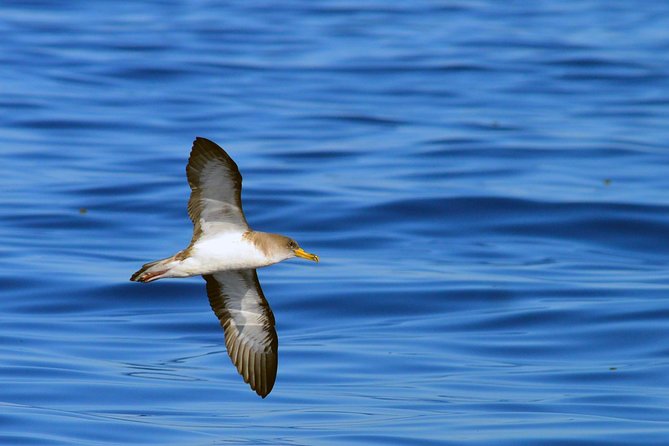
Let’s talk math, because it helps you decide fast. The price is $617.02 per group up to 10. That means:
- If you fill the group (10 people), it’s about $62 per person.
- If you’re a smaller group (say 4 people), it’s more like $155 per person.
That’s why this tour can feel like a bargain for family groups or small friend groups—and a splurge for a couple.
What helps justify the price is what you actually get:
- A private group (not mixed with strangers)
- A marine biologist onboard with live commentary and materials
- Hydrophone listening (included)
- Photos emailed after (included)
- A smaller 8-meter boat designed for close, respectful viewing
Also, because this tour is booked about 54 days ahead on average, it’s likely that the best time slots go first. If you see a date you like, grabbing it early is often the easiest way to avoid schedule regret.
If you’re comparing cheaper group tours, the question isn’t only whether you’ll see dolphins. It’s whether you’ll get the depth: biology context, hydrophone sound, and that calm captain handling close approaches with care.
Packing tips and comfort notes (especially for small-boat motion)
This boat is not huge. Some people love that because it makes the viewing feel intimate. Others should plan for the fact that small boats can move more.
One practical caution from real experience: if you’re sensitive to motion, motion sickness can happen, and even a short bobbing period can feel rough. If you know you react, consider bringing motion sickness tablets and following the directions on the label.
Other practical notes:
- Food and drinks are not included, but you can bring them onboard, especially non-alcoholic drinks.
- All ages are welcome, but there are health restrictions.
Health restrictions listed include:
- pregnancies
- neck or back problems
- mobility problems
- recent surgeries
- and for participants with back problems: over 120 kg
So if any of those apply, it’s worth taking the restriction seriously rather than hoping it’ll be fine.
Should you book this private whale watching tour in Tenerife?
Book it if you want a private, biologist-led whale watching outing with a strong responsible-watching approach, plus the added bonus of hydrophone sound and emailed photos. This is especially good for families, couples who want a “more than just sightseeing” day, and small groups who can fill up the private slot.
Skip it (or choose carefully) if:
- you’re very prone to motion sickness and don’t want to risk it on a smaller boat
- any of the listed health restrictions apply to you or your group
- you’re only after a casual, low-cost “maybe we see something” activity
If your heart says whales and your head says respect for wildlife, this tour matches both. It’s not about chasing animals. It’s about meeting them on their terms, with someone onboard who can explain what you’re seeing while you’re still watching it.
FAQ
How long is the private whale watching tour?
The tour lasts about 2 hours.
How many people can be in the private group?
It’s private for your group, with a maximum group size of up to 10 people.
Where do we meet for the tour in Tenerife?
Meet at the Whale Watch Tenerife location at Puerto Colón Marina, Pantalán Number 3, 38660 Costa Adeje, Santa Cruz de Tenerife. You should arrive about 15 minutes early.
What’s included in the price?
The price includes local taxes, live onboard commentary by marine biologist staff, hydrophone whale and dolphin listening, and tour photos sent by email after the trip.
Can we bring food and drinks onboard?
Food and drinks aren’t included, but you can bring food and non-alcoholic drinks onboard.
Are there health restrictions for this tour?
Yes. Restrictions listed include pregnancy, neck or back problems, mobility problems, recent surgeries, and for participants with back problems, a weight over 120 kg.
What if weather is poor or I need to cancel?
This experience requires good weather. If it’s canceled due to poor weather, you’ll be offered a different date or a full refund. Free cancellation is available up to 24 hours in advance for a full refund.