REVIEW · KAIKOURA
Kaikoura Helicopters Classic Whale Watch
Book on Viator →Operated by Kaikoura Helicopters · Bookable on Viator
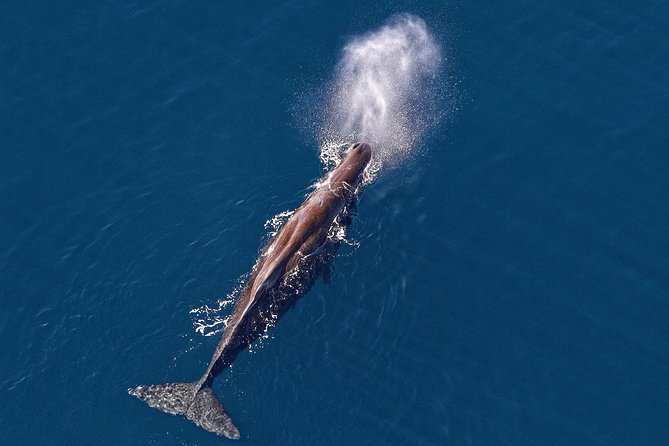
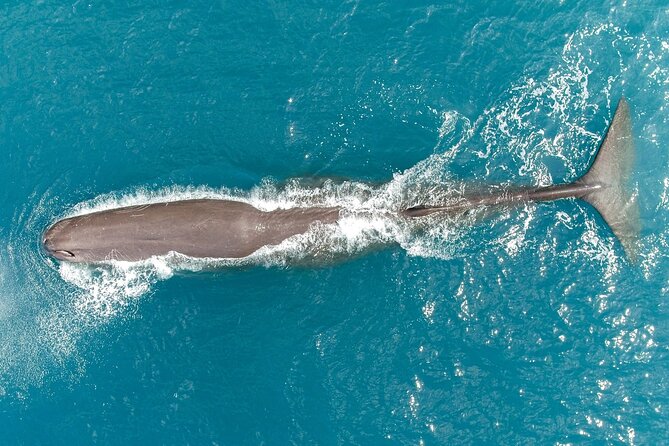
Whale-spotting from the sky feels wildly efficient. This Kaikoura helicopter tour puts you above the deep-sea canyon where sperm whales live year-round, with a real chance at humpbacks May–November, and you won’t be fighting seasickness like you would on a boat. You’ll also get live guide commentary through a headset microphone, so you can ask questions while you’re looking out the windows.
My favorite part is how the flight is built for people who want big animal time without a long day. The operation runs as a tight small-group flight (max 6 travelers), with passengers weighed before departure and loaded based on weight and balance. One consideration: flights are weather- and minimum-number dependent, so you’ll want backup time in Kaikoura in case you get rebooked.
In This Review
- Key Things to Know Before You Fly Over Kaikoura’s Whale Canyon
- From the Beachfront Helipad: What the 30-Minute Flight Really Means
- The Canyon Route: Where Sperm Whales Show Up
- Through the Headset: What You’ll Actually Do During the Flight
- Small Group Style: Personalized Attention Without the Crowding
- Price and Value: Is $223.41 Worth a 30-Minute Flight?
- Booking Smart: Weather Rules and How to Protect Your Schedule
- Should You Book Kaikoura Helicopters Classic Whale Watch?
- FAQ
- How long is the Kaikoura Helicopters Classic Whale Watch?
- Where do I meet for the tour?
- What whales and wildlife can I look for?
- Will I be able to hear commentary during the flight?
- Is this tour good for people who get seasick?
- How big is the group?
- What should I wear or bring?
- Are passengers weighed before departure?
- What happens if the weather is too poor to fly?
- What is the cancellation policy?
Key Things to Know Before You Fly Over Kaikoura’s Whale Canyon
- Year-round sperm whales + May–November humpbacks: the seasonality helps you plan smarter.
- A seasickness-free approach: you’re in the air, not on the water.
- Live headset commentary: listen and ask questions while you scan the coastline.
- Max 6 travelers: you’re not stuck packed in with dozens of people.
- Weather and minimum numbers matter: the tour can be rebooked if conditions don’t cooperate.
- Short and focused: about 30 minutes flight time, great for day-trippers.
From the Beachfront Helipad: What the 30-Minute Flight Really Means
Kaikoura is famous for whales, but most classic whale days involve boats, waiting, and the risk of rough water. This helicopter version flips the script. You lift off from the beachfront helipad in Kaikoura and trade the constant rock-and-roll of marine weather for a calmer, more controlled ride.
The whole experience is about 30 minutes (approx.), and that matters. You’re not signing up for a half-day slog. If you’re passing through on a tight itinerary, this is one of the most direct ways to get whale time in your day without turning Kaikoura into a marathon. You also get a very “you are here right now” feeling, because you’re looking down at the same coastline and canyon system the whales use.
One more practical note: the tour recommends covered shoes and a warm jacket. Even if the day is pleasant on the ground, air time near the coast can feel cooler, and you’ll be glad you dressed for it. If you’re bringing a camera, sunglasses are a must—your eyes and your lens will thank you.
You can also read our reviews of more tours and experiences in Kaikoura.


The Canyon Route: Where Sperm Whales Show Up
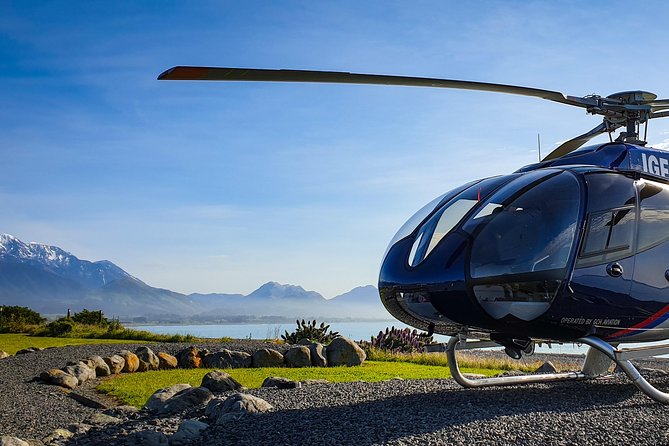
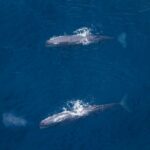
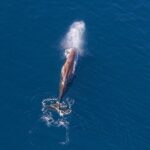
The route centers on Kaikoura’s deep-sea canyon. This is the key word: canyon. It’s not random sightseeing. The tour is designed around the fact that sperm whales feed and hang out in waters connected to this underwater structure.
From above, you’ll get panoramic views over the canyon and the coastline. That aerial perspective is useful in two ways. First, it broadens your scan—your eyes can sweep the coast and adjacent waters quickly. Second, when whales surface, you’re already oriented to the right area, rather than spending a long time searching.
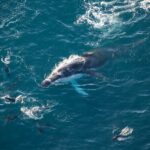
The tour also aims for migrating humpbacks May–November. That seasonal range helps you plan around the calendar, not just hope. If you’re traveling outside those months, sperm whales are still the year-round draw, so you’re not totally dependent on migration timing.
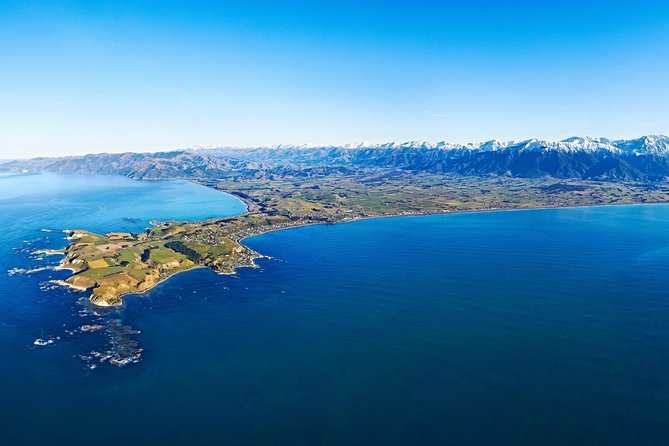
A bonus here is the geography you fly over: the Seaward Kaikoura mountain range and the Kaikoura Peninsula. Even when you’re locked onto the water for whale action, the views give you context for where everything sits. Kaikoura’s coastline has that dramatic, “this is a real place, not a postcard” feel when seen from the air.
Through the Headset: What You’ll Actually Do During the Flight
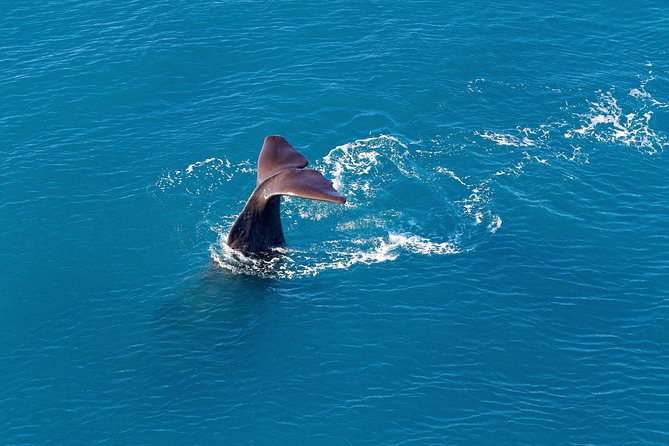
This isn’t a silent sightseeing flight. You’ll wear headsets with a microphone, which lets the pilot and guide provide live commentary. The biggest payoff is that you don’t just watch the ocean—you learn what you’re seeing while it’s happening.
That means you can ask questions during the flight. If you’re the kind of person who wonders things like what behavior signals feeding versus resting, or what counts as a good sighting from the air, this format is perfect. You’re not stuck guessing while your chance to observe disappears.
On the animal side, here’s what the tour sets you up to look for:
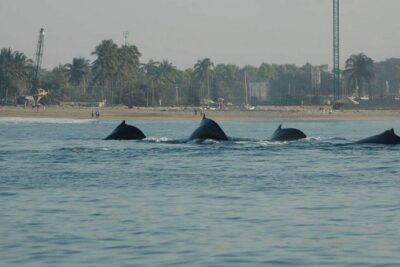
- Sperm whales (year-round)
- Humpback whales (May–November)
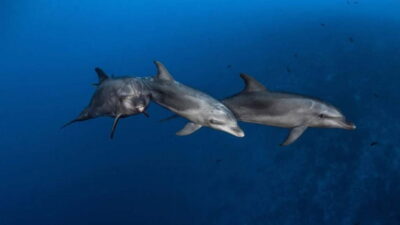
- Hector’s dolphins
- New Zealand fur seals
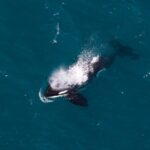
One of the most satisfying things about this setup is the speed. In Kaikoura, whale sightings aren’t guaranteed, but the operation is clearly geared toward making every minute count. There’s even an example from an earlier departure where a group reported seeing a sperm whale and two orcas within about 20 minutes. That kind of fast action shows why people get excited about the short flight time: you’re not waiting all morning for a moment.
Practical tip: keep your camera accessible but not in your lap. You’ll spot action fast, and it’s easier to shoot calmly if the camera is already in position.
Small Group Style: Personalized Attention Without the Crowding
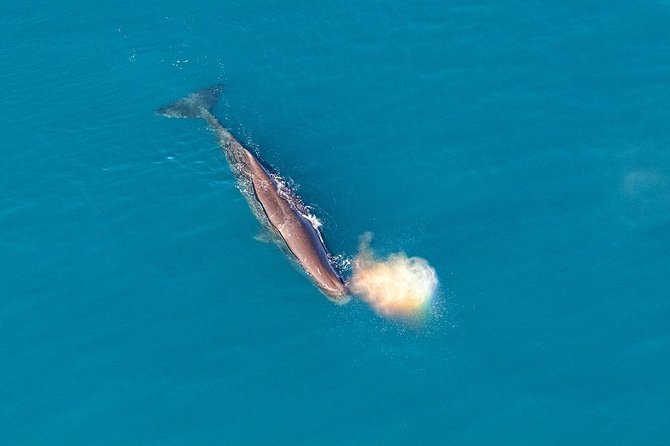
This tour caps at 6 travelers, which is a big deal for comfort and focus. Helicopter experiences can get chaotic fast when too many people are craning their necks at once. Here, the small group size keeps things manageable and gives the guide room to talk clearly through the headset system.
Also, all passengers are weighed before departure, and your pilot loads the helicopter based on weight and balance. This isn’t just paperwork. It’s part of how the flight stays safe and stable. You’ll see the operation takes procedure seriously, not casually.
There’s another comfort angle: one passenger specifically praised how clean and comfortable the helicopter felt, and how professional the whole operation seemed. In one account, the pilot was named Kel, and the office staff contact was named Aaron—and both were described as helpful and committed. Even if you never catch names on the day, you can expect the same “ready-to-go” vibe when it’s being run properly.
If you’re someone who gets impatient with long explanations or crowded boat decks, this format tends to feel refreshing. You still get the outdoors thrill, but with less fuss.
Price and Value: Is $223.41 Worth a 30-Minute Flight?
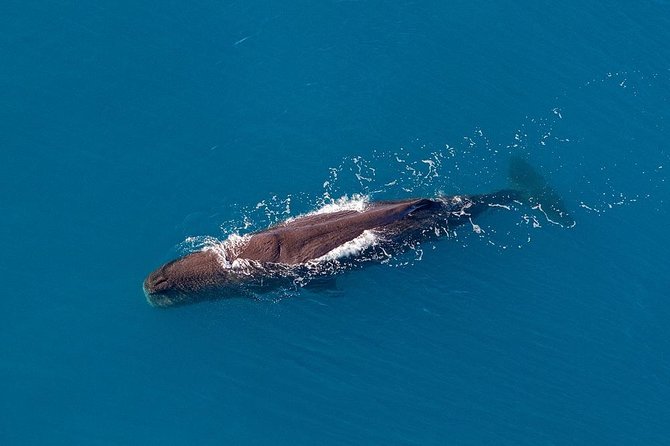
Let’s talk money honestly. $223.41 per person is not a bargain compared to most tours in New Zealand. You’re paying for three things:
- Helicopter access (the main cost driver)
- A targeted route over whale habitat
- A guided, headset-supported experience that saves time
Where the value clicks for me is when you have limited daylight or limited patience. Kaikoura weather can change quickly, and whale-watching windows are real. If you’re only in town for a day, a 30-minute helicopter flight can be the cleanest way to get whale time without gambling your entire schedule on sea conditions.
Another “value” factor: it can be easier physically. You’re not dealing with seasickness, and you’re not losing hours to rough water or waiting out choppy conditions. If motion affects you, that’s a real cost savings—your body is part of your travel budget.
That said, if you’re traveling with plenty of time and you enjoy boat whale watching, you might decide to spend less. The helicopter version is best when you want speed, comfort, and a high-efficiency viewing approach.

Booking Smart: Weather Rules and How to Protect Your Schedule

Helicopter tours are simple in concept and picky in practice. Flights are subject to weather conditions and minimum numbers. That means your plan should include flexibility.
Here’s what to expect if the weather won’t cooperate: you can be rebooked for a later time if your travel schedule allows. If you can’t shift dates, your voucher can be used at other helicopter bases in Wellington or Christchurch.
That flexibility is important, because it changes how you should think about booking. Instead of viewing it as a one-shot event, treat it like part of your Kaikoura plan. If you can, schedule it with at least a little buffer time the same day or around the day you’re in town. That reduces stress if you need to reschedule.
Also keep an eye on clothing. Bring warmth even if you think you don’t need it. The recommendations are simple for a reason: warm jacket, covered shoes, and camera plus sunglasses.
And yes, this tour is near public transportation and you’ll check in at 16 West End, Kaikōura 7300, New Zealand. The flight ends back at the meeting point, so you’re not dealing with a complicated end-of-tour transfer.
Should You Book Kaikoura Helicopters Classic Whale Watch?
Book this if you fit one of these situations:
- You want whales fast and your Kaikoura day is tight.
- You get seasick or you just don’t want to gamble with ocean conditions.
- You want the bonus of a headset and live commentary while you’re scanning the water.
- You’d rather spend money on a focused experience than spend all day searching with a less controlled viewpoint.
Skip it (or think twice) if:
- You’re the type who loves long whale-watching sessions and has the time to do a boat day.
- Your schedule is so fixed that a weather rebook would cause problems.
- You’re sensitive to the idea of a flight that’s short and weather-dependent.
If you can build in a little flexibility and you’re chasing sperm whales and the wider range of coastal wildlife, this tour is one of the cleanest, most efficient ways to experience Kaikoura from above.
FAQ
How long is the Kaikoura Helicopters Classic Whale Watch?
The flight time is about 30 minutes (approx.), and the overall experience is listed as taking around that timeframe.
Where do I meet for the tour?
The tour starts at 16 West End, Kaikōura 7300, New Zealand and ends back at the same meeting point.
What whales and wildlife can I look for?
You’ll look for sperm whales year-round and humpback whales during May–November. The tour also notes chances to spot Hector’s dolphins and New Zealand fur seals.
Will I be able to hear commentary during the flight?
Yes. You’re provided with a headset with a microphone for live commentary, and you can communicate with the pilot during the flight.
Is this tour good for people who get seasick?
Yes. Since it’s a helicopter flight, it removes the risk of getting seasick the way you might on a boat.
How big is the group?
The experience is limited to a maximum of 6 travelers.
What should I wear or bring?
The tour recommends wearing covered shoes and bringing a warm jacket. It also suggests bringing your camera and sunglasses.
Are passengers weighed before departure?
Yes. All passengers will be weighed before departure, and the pilot loads the helicopter based on weight and balance.
What happens if the weather is too poor to fly?
If weather conditions don’t allow the flight, you’ll be offered a rebooked date if your schedule allows, or your voucher can be used at other helicopter bases in Wellington or Christchurch. A full refund is also an option as stated in the terms.
What is the cancellation policy?
You can cancel for a full refund up to 24 hours before the experience starts. Free cancellation is offered up to that point; within 24 hours, the amount paid is not refundable.