REVIEW · MOOREA
Whale watching 6 people half day
Book on Viator →Operated by Mori Ora · Bookable on Viator
One sentence: That first whale breath changes everything. This Moorea half-day ride is built around a small group and a gentle approach, so you get a closer look at humpback whales without the rough-and-rowdy vibe. I like that the crew talks real whale behavior (from singing males to mother-and-calf moments), and I also like that the guide manages the water entry with respect for the animals. One big consideration: you should be ready for open-ocean conditions, and swimming isn’t guaranteed.
The trip runs about 3 to 4 hours, usually timed to what the sea and the whales are doing. Even if you stay on the boat, you can still watch behavior from up close and enjoy the whale singing when conditions line up. The main drawback is the physical side: this is not a sit-back tour. You’ll want moderate fitness and comfort with fins/mask/snorkel if you plan to go in.
In This Review
- Key Points You’ll Care About in Moorea
- Small-Group Whale Time in Moorea: What This Half Day Really Is
- Moorea Marina Start: The Briefing That Sets You Up to Do This Safely
- Finding Humpbacks: Singing Males, Calves, and Social Chaos (In a Good Way)
- The Water Part: Snorkeling With Fins Without Turning It Into a Wrestling Match
- If You Don’t Want to Swim: You Can Still Have a Real Whale Day
- Weather, Waves, and Seasickness: How to Plan Like a Local
- Price and Value: Is $273 Worth It in Moorea?
- Who This Trip Fits Best
- Should You Book This Moorea Whale-Watching Swim Trip?
- FAQ
- How long is the whale watching half-day tour in Moorea?
- Where does the tour meet and end?
- What is the group size?
- Do I have to swim with fins?
- Is swimming with whales guaranteed?
- What should I consider about weather and confirmation?
Key Points You’ll Care About in Moorea
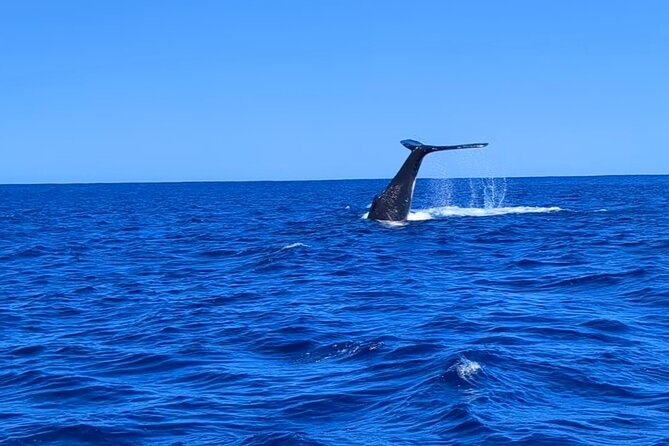
- Max 6 people keeps it more personal and easier for the crew to manage respectful distances.
- Animal-first behavior reading: the guide looks for patterns like calves, rest periods, singing males, and social activity.
- 3–4 hour window means the day can flex with weather and whale movement.
- Water time depends on conditions: launch and gentle approach only if the situation is right.
- Non-swimmers aren’t left out: you can often stay aboard to observe while the captain and crew do the in-water work.
- Ocean comfort matters: plan for open water, and if you’re prone to seasickness, prepare.
Small-Group Whale Time in Moorea: What This Half Day Really Is
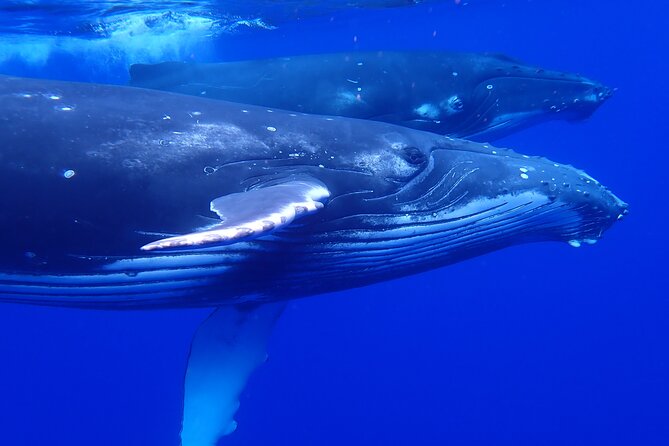
This is a 4-hour whale-watching experience in Moorea that keeps the group tight—up to 6 travelers—so the crew can focus on the animals rather than crowd control. The boat is the kind of zodiac-style platform you’d expect for getting out to where whales are, and the best part is the tone: calm, deliberate, and built around gentle approaches.
What makes it interesting is the way it’s framed. This isn’t just spotting. The naturalist guide is there to explain how cetaceans act when they’re feeding, resting, traveling, or doing their louder social stuff. Expect talk about behaviors like a singing male, groups moving around together, and love-parade energy (with males trying to seduce females). That context turns random sightings into a story you can follow.
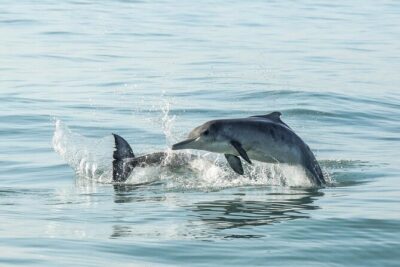
The lineup can also broaden beyond humpbacks. Depending on what the ocean gives you, you might see other marine mammals and related sightings like dolphins, sperm whales, hunting seabirds, and even flying fish. That’s a nice bonus when the humpbacks aren’t in the immediate mood for coming close.
You can also read our reviews of more tours and experiences in Moorea.

Moorea Marina Start: The Briefing That Sets You Up to Do This Safely
The tour starts at Moorea Marina (BP 1173, Opunohu 98729) and ends back at the same meeting point. The timing is built for an early start when conditions and animal movement cooperate, but the exact rhythm depends on weather and sightings.
Before anyone heads into the water, you should expect a safety briefing and practical guidance. From what I see in how these guides run the show, they focus on how you enter, how you behave once you’re in, and how to keep your movements slow. That matters because the whole tour is about a respectful approach. The guides are serious about gentle handling of the situation, not rushing the whales into your photo session.
You’ll also get some reality-check info on the water part: swimming with fins is recommended, and the crew will tailor the moment based on what the whales are doing. If you’re comfortable in open water and you’ve snorkeled with fins before, you’re set up to enjoy the experience fully. If you haven’t, you still can have a great time—but you’ll likely spend more time watching from the boat.
Finding Humpbacks: Singing Males, Calves, and Social Chaos (In a Good Way)
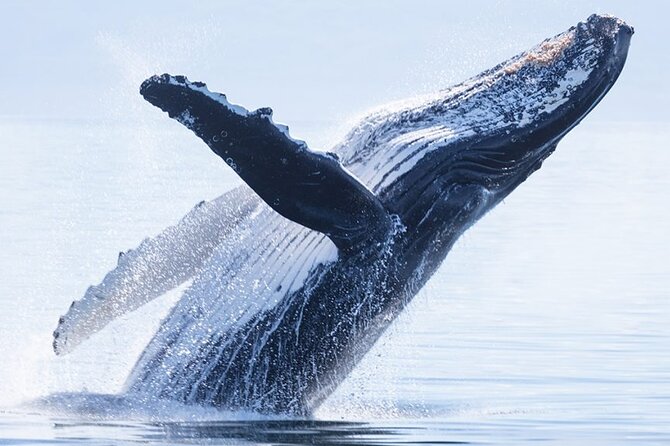
Once you’re out there, this tour is essentially a focused search. The crew looks for humpbacks and then works the situation with patience. And patience is the whole deal with whale watching. These animals don’t schedule for you, so the best crews watch and wait and then make their move when it’s appropriate.
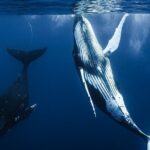
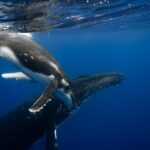
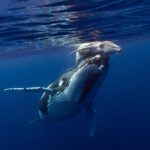
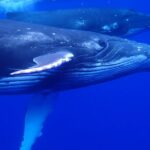
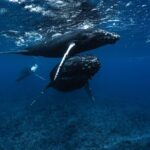
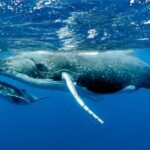
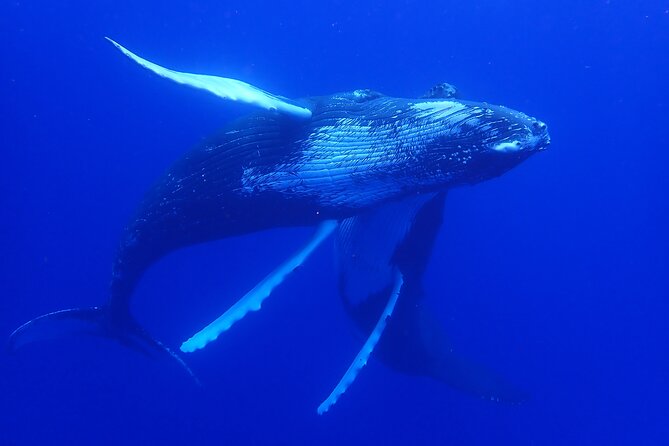
When conditions allow, they’ll launch and gently approach. You may encounter whales alone or in groups. Calves can be present, and that changes the behavior of everyone involved—whales often act with more caution around younger ones, and the guide’s approach typically becomes even more measured.
Here are the kinds of scenarios you might hope for:
- A singing male: the whole mood shifts when you’re close enough to hear or clearly observe the vocal behavior.
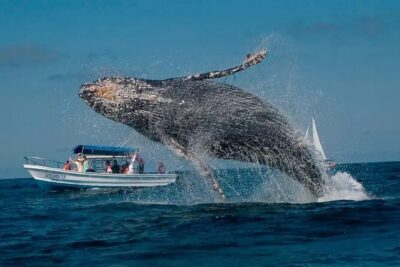
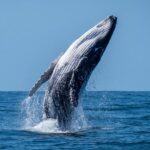
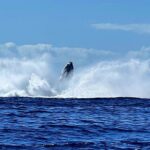
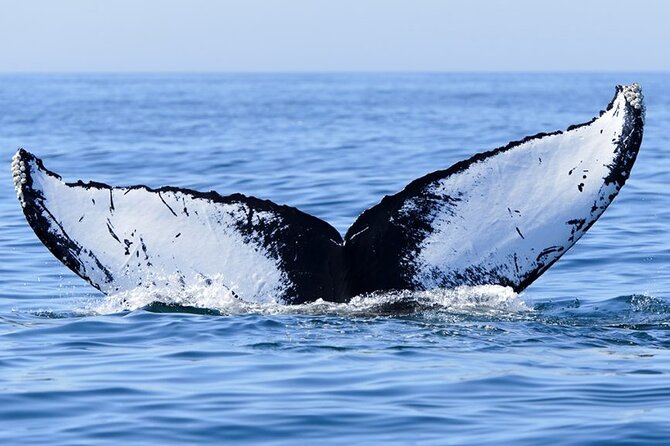
- Breaching and fin-slapping: dramatic moments from the boat are often what people remember most.
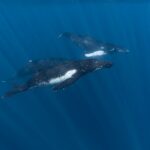
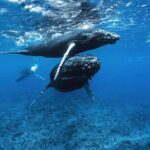
- Mother-and-calf encounters: the slow, protective behavior is usually the most moving sight.
- Mating and social behavior: males can show off, chase, or position near females.
This is also where the naturalist guide adds real value. The point isn’t just what you see. It’s what it means. When you understand why a whale might angle a certain way, or why a group forms and breaks apart, the sightings feel less random.
And yes, other marine mammals can show up. One of the nice surprises in Moorea is that the ocean doesn’t only do humpbacks. You might get dolphins, other whales, or related action like seabirds hunting.
The Water Part: Snorkeling With Fins Without Turning It Into a Wrestling Match
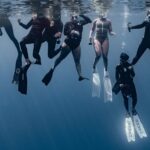
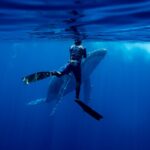
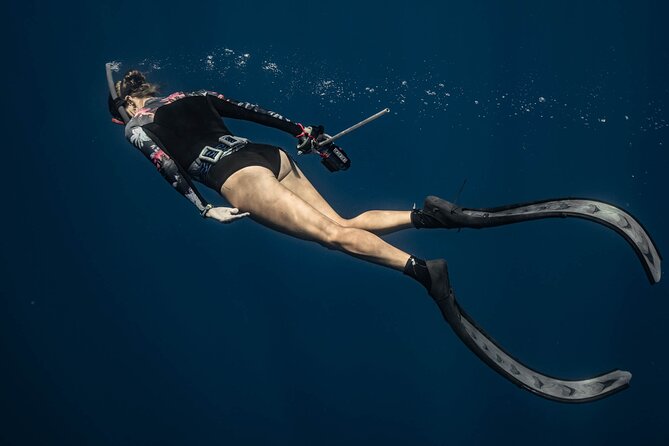
If you plan to swim, the tour asks for comfort with fins and snorkeling gear in open water. The guidance is simple: good physical condition, moderate fitness, and the ability to swim with fins. That’s not just a box-check. Open ocean swimming is a different beast than calm lagoon floating.
Here’s what that usually means for your experience:
- You’ll likely spend time getting positioned for a respectful entry.
- You’ll move slower than you think you need to.
- You’ll rely on fins to keep your body steady without overworking.
The guides try to make it doable. They’re focused on gentle approaches and on making sure people understand how to act in the water. That said, you should take the physical requirement seriously. If you jump in expecting an easy swim, you’ll be disappointed.
Also, swimming with whales is never guaranteed. This is a key point. Even with the best crew, the ocean decides. The tour is set up to maximize your chance—then you accept what nature offers.
If You Don’t Want to Swim: You Can Still Have a Real Whale Day
This is one of the more thoughtful aspects of the experience. Non-swimmers aren’t just tossed out there to watch the activity from far away. The format is set so you can observe from the boat with the captain while the guide and swimmers handle the in-water part when it’s possible.
From the sightings I’d use to guide your expectations, it’s common to see whales approach closely enough from the boat that you can watch breaching, circling, and diving behavior. And whale singing can be audible from aboard, which is one of those weirdly unforgettable moments—like the ocean is doing soundchecks just for you.
So if you’re not up for swimming, you’re not “less engaged.” You’re just choosing a different way to be there.

Weather, Waves, and Seasickness: How to Plan Like a Local
This half-day tour is weather-dependent. That’s normal in Moorea. The ocean changes fast, and your ability to launch and snorkel depends on sea state and what the whales are doing nearby.
One practical issue that comes up with open water is seasickness. If you know you get boat sick, plan ahead and consider taking motion-sickness medication before you leave the dock. The crew’s job is whales and safety, not turning rough water into a smooth ride.
If the sea is choppy, the boat ride might feel bouncier even if it’s stable. That’s when your body needs to be ready. Bring whatever works for you: anti-nausea plan, a way to stay warm, and a calm mindset.
Price and Value: Is $273 Worth It in Moorea?
At $273.29 per person for a 3–4 hour small-group tour, this isn’t a budget option. But it is priced in the way you’d expect for:
- a max-6 group,
- a naturalist-led experience,
- and an emphasis on animal-friendly, behavior-based guiding.
What makes it feel like better value than the big-boat option is the quality of attention. When there are fewer people, the crew can manage spacing, timing, and behavior in the water more carefully. That’s what keeps the experience from becoming chaotic.
Also, the “half day” length is a good fit if you’re juggling island logistics. You can do this in one clean block and still have time for other Moorea activities the rest of the day.
If you’re the kind of traveler who cares about how you act around wildlife—slow, respectful, and not treating the ocean like a stage—this cost starts to make sense.
Who This Trip Fits Best
This tour is best for you if you want:
- a focused humpback experience, not a drive-by checklist,
- a guide who explains whale behavior clearly and answers questions,
- and a format that values a gentle approach over maximum chaos.
It also fits well if you like the idea of getting into the water with boundaries. In other words, you’re comfortable being guided on where to go and how to behave.
It may not be the best fit if you:
- can’t handle open ocean movement,
- are uncomfortable in water with fins and snorkel gear,
- or expect swimming with whales to be guaranteed.
Should You Book This Moorea Whale-Watching Swim Trip?
I’d book it if you match the basics: moderate fitness, comfort with open water, and interest in animal behavior—not just photos. The small group size and the crew’s respectful approach make it the kind of tour where you feel like the whales are the main event.
Skip it (or choose a different style of tour) if you’re very sensitive to motion sickness, or if you don’t plan to swim and you’re expecting a purely boat-based whale show. The experience can still be good from aboard, but the tour’s best moments depend on conditions and water access.
If you’re on the fence, remember this: whale watching in Moorea is partly planning and partly surrender to the ocean. This tour is built to do both well.
FAQ
How long is the whale watching half-day tour in Moorea?
It lasts about 4 hours, with the actual time typically between 3 and 4 hours depending on weather and whale activity.
Where does the tour meet and end?
You meet at Moorea Marina (BP 1173, Opunohu 98729, French Polynesia) and the activity ends back at the meeting point.
What is the group size?
The tour has a maximum of 6 travelers.
Do I have to swim with fins?
Swimming with fins is recommended. Non-swimmers can often observe the animals from the boat with the captain, but the tour requires good physical condition if you want to go in the water.
Is swimming with whales guaranteed?
No. Swimming with wildlife is never guaranteed, even though the crew will do everything they can when conditions permit.
What should I consider about weather and confirmation?
Confirmation is sent within 48 hours of booking, subject to availability. The experience requires good weather, and if it’s canceled due to poor conditions, you’ll be offered another date or a full refund.